English-language podcasts

The John Batchelor Show

PERU, CHILE, MEXICO IN CHINA APEC Summit Pacific Rim Regional Diplomacy — Part Two EVAN ELLIS 1 112026
14 min

Listen through the publisher, then discuss the episode here or arrange an in-person Roundtable. Your city determines where to meet.

Roundtables are designed for groups of four, with a shared subject and room for everyone to speak. Come for discussion, with no dating expectation.

1945 LIMA APEC Summit Pacific Rim Regional Diplomacy — Part Two Professor Evan Ellis analyzes the APEC summit in Shenzhen, where President Xi Jinping engaged Latin American leaders. Peru’s Keiko Fujimori advanced the landmark Chancay port project, Chile’s José Antonio Kast addressed economic contraction through mining and Antarctic collaboration, and Mexico’s Claudia Sheinbaum sought balanced trade and biotech exchanges. (16)

Episode information is provided by the publisher. Listening takes place on the publisher’s service.

Listen at the source ↗

Featured places to meet in Palo Alto, CA

Explore these places and arrange a conversation through ThinkMatch.

City guide for Palo Alto, CA

More from The John Batchelor Show

The John Batchelor Show

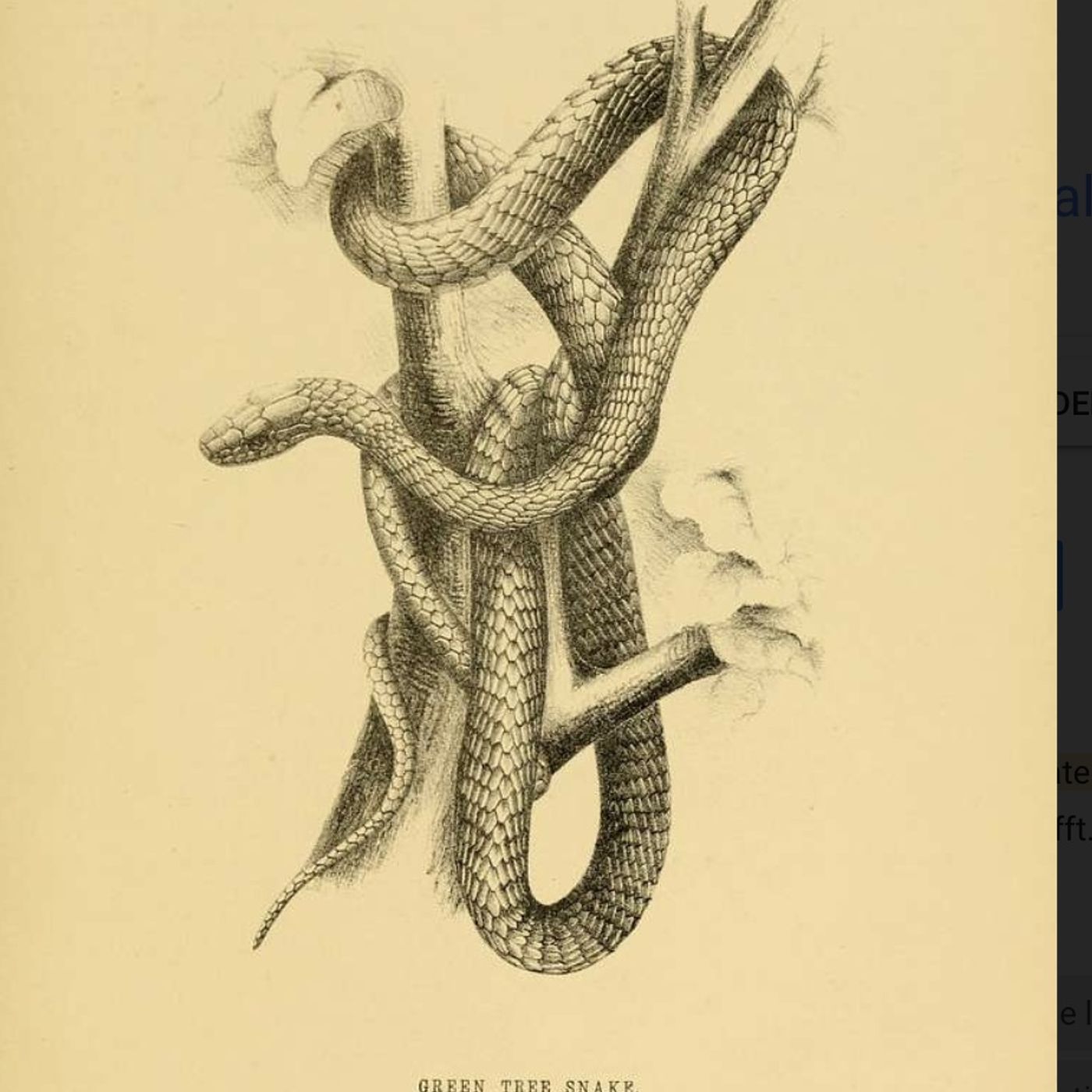
Floods Wash Snakes Downtown JEREMY-ZAKIS

9 min

Floods Wash Snakes Downtown Jeremy Zakis explains the official warnings issued in Melbourne after floodwaters washed venomous snakes into the central business district. Snake catchers face surging demand and charge costly call-out fees, while unseasonable storms have disrupted local wildlife, leaving kangaroos hyperactive and erratic on the roads. (2)

Discuss this episode

Community Poll

Large platforms should make it easier for smaller competitors to connect with their services.

Share your view, then see how readers voted. No sign-in required. This poll is shared across stories.

Do you agree or disagree?

Choose one answer

Common Quandary

A Common Quandary to discuss

Another conversation to explore, separate from this news story.

Someone you love asks, “Do you think I’ll be okay?” What if you do not?

A relative with a poor prognosis asks whether you think they will recover. They seem to need reassurance, but you believe the odds are very low and do not want to spend the remaining time pretending.

Can preserving hope justify saying more than you believe?

Explore this quandary