English-language podcasts

Sources with Alex Heath

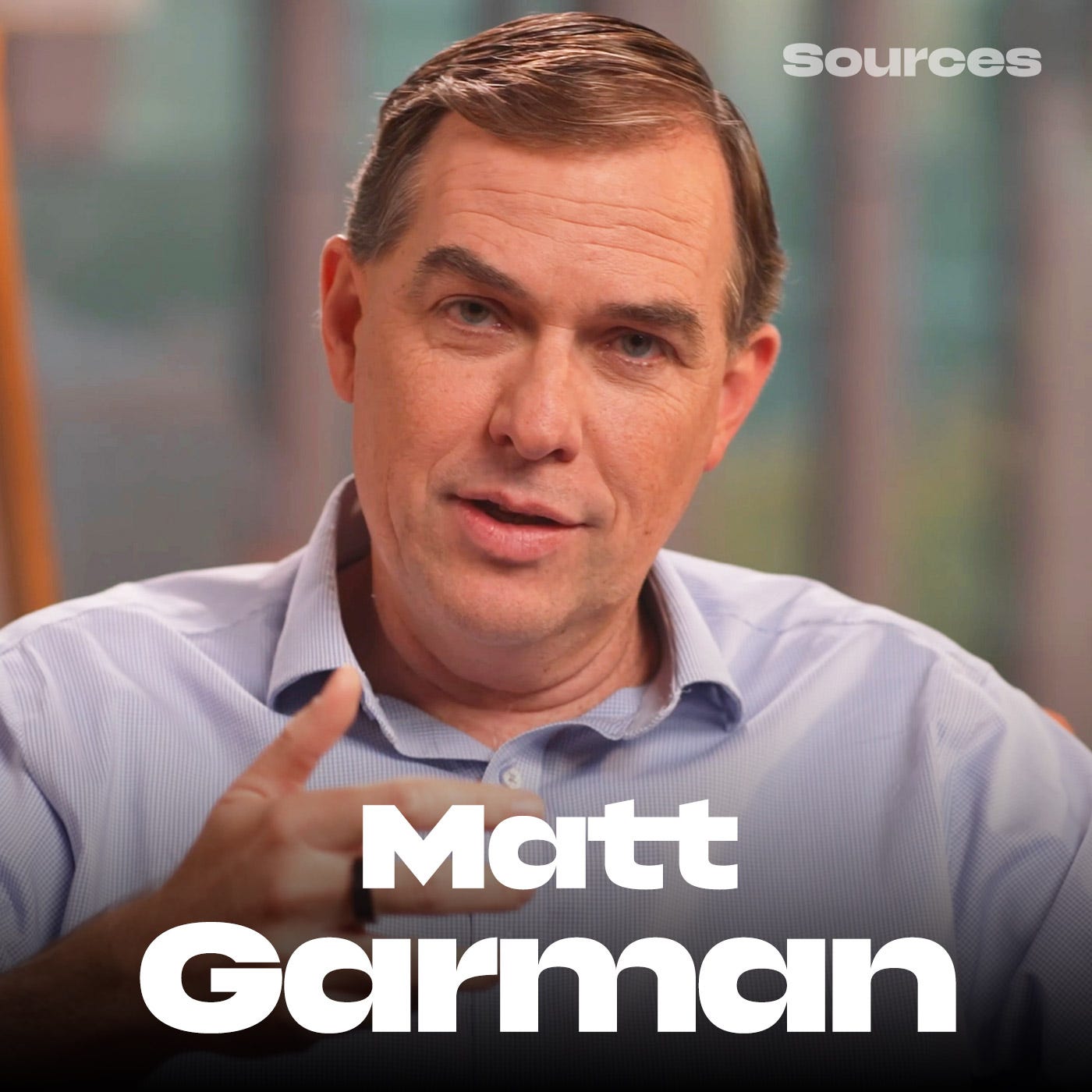
Amazon AWS CEO: AI boom is just getting started
53 min

Listen through the publisher, then discuss the episode here or arrange an in-person Roundtable. Your city determines where to meet.

Roundtables are designed for groups of four, with a shared subject and room for everyone to speak. Come for discussion, with no dating expectation.

Amazon thinks its cloud business could generate $1 trillion a year within the next five to ten years. I sit down with AWS CEO Matt Garman in Seattle to understand what gives him that confidence and what could get in the way. Garman explains how AI is pushing companies to move their core operations into the cloud, accelerating the business AWS spent two decades building. We discuss why he thinks inference, the computing required to run AI models, is still below 1 percent of its eventual scale. He says AWS is adding one GPU every 14 seconds and expects capacity shortages for another couple of years. I ask how he decides who gets the GPUs, why he holds capacity back for startups that don’t exist yet, and where he sees risk in the industry’s spending. Recorded right after the midterm elections, our conversation also covers the backlash against data centers, what the industry needs to do to win over communities, and why he sees deserts as more promising than space. I also ask about the reset inside Amazon’s Nova team and whether it still intends to compete at the frontier of AI. We get into selling Trainium chips outside AWS, the rise of inference providers like Baseten and Fireworks, and Amazon’s big research bet on using mathematical proofs to help AI agents follow rules. Thanks to the show’s sponsors: Mercury, Granola, and Atlassian.

Episode information is provided by the publisher. Listening takes place on the publisher’s service.

Listen at the source ↗

Featured places to meet in Palo Alto, CA

Explore these places and arrange a conversation through ThinkMatch.

City guide for Palo Alto, CA

More from Sources with Alex Heath

Sources with Alex Heath

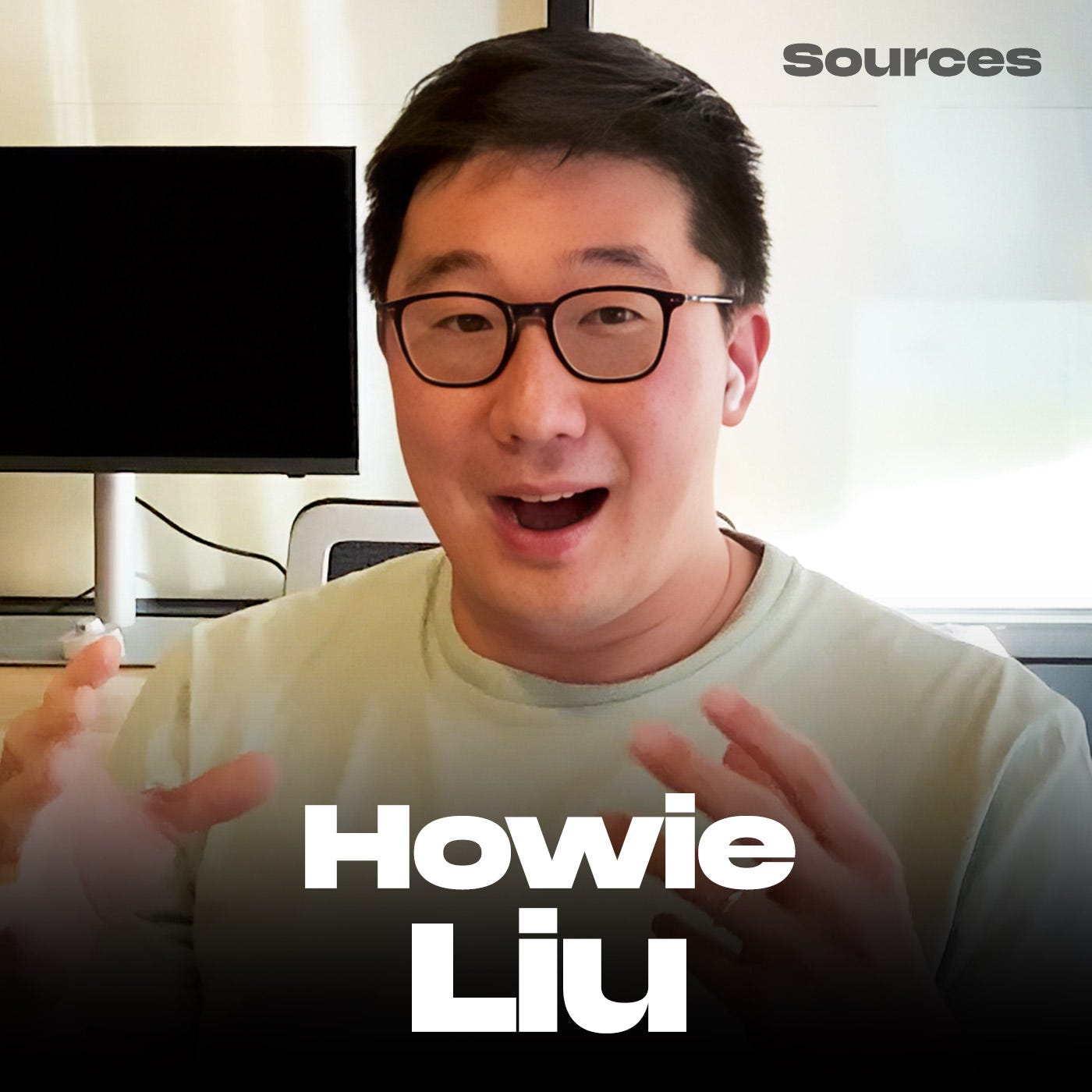
Why Airtable’s founder is betting on teams of AI agents

59 min

Howie Liu says Airtable was approaching $500 million in revenue and still growing when he decided to sell it to Bending Spoons. Now he’s building Hyperagent, and his bet is that the next generation of business software looks like a team of AI coworkers. I ask Howie why he chose to sell, why he didn’t keep Hyperagent inside Airtable, and what starting over lets him do differently. We get into the economics of AI versus traditional SaaS, selling below Airtable’s peak valuation, and what founders and employees should understand about the equity they hold. Howie calls the personal AI assistant market “a knife fight in a phone booth.” Hyperagent’s next version is his bet on multiplayer: agents with their own roles and accounts, working with each other and the people inside a business. We discuss why he sees an opening there, what he learned from making the first version too complicated, and how much autonomy these agents should actually have. We also get into why he’s targeting small busine

Discuss this episode

Sources with Alex Heath

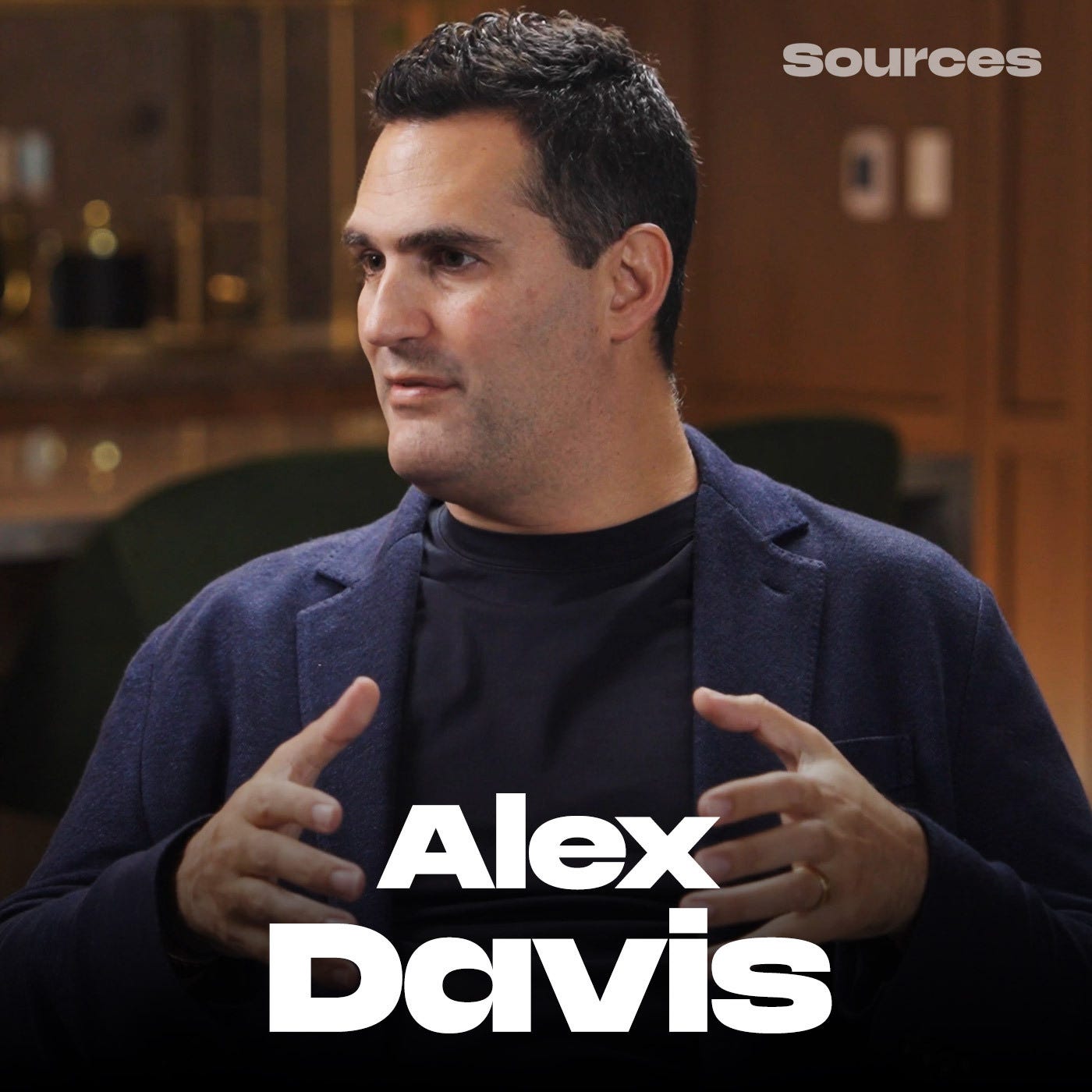
A quiet investor’s $10 billion bet on AI, chips, and defense

69 min

Alex Davis plans to put $10 billion into roughly 10 companies. His firm, Disruptive, has maintained a low profile out of Texas while backing Reflection AI, ElevenLabs, Groq, Shield AI, Databricks, and Helsing. Its earlier investments include Palantir, Airbnb, and Spotify. I sit down with Davis in Dallas for his first-ever podcast interview to understand how he picks the companies worth a billion-dollar check. He focuses on companies he thinks are already winning, even as their valuations climb. We discuss why he doubled down on Palantir before it went public, what he’s building at Groq after its $20 billion licensing deal with Nvidia, and the opportunities he sees in open AI models, compute, and defense technology. I also ask where the AI boom goes wrong, from speculative data centers to investment vehicles promising access to private companies. Thanks to the show’s premiere sponsors: Atlassian, Granola, and Mercury.

Discuss this episode

Community Poll

Established legal precedents should change when strong reasons outweigh the value of consistency.

Share your view, then see how readers voted. No sign-in required. This poll is shared across stories.

Do you agree or disagree?

Choose one answer

Common Quandary

A Common Quandary to discuss

Another conversation to explore, separate from this news story.

You find a wallet full of cash. Can you take a finder’s fee before returning it?

You find a wallet containing identification and several hundred dollars. Returning it will require a detour and some effort. The owner would probably never know if a small amount were missing.

Can an unrequested good deed entitle someone to compensation?

Explore this quandary