America Is Losing Asia! China Is Winning Without Firing a Shot | Silk and Steel
32 min
Listen through the publisher, then discuss the episode here or arrange an in-person Roundtable. Your city determines where to meet.
Roundtables are designed for groups of four, with a shared subject and room for everyone to speak. Come for discussion, with no dating expectation.
Is America's global military dominance beginning to unravel? As Washington pours military resources into the war with Iran, countries across Asia are watching closely – and questioning whether the United States can still guarantee their security. Carl Zha joins Jamarl Thomas to examine the shifting balance of power between the United States and China, the consequences of the Iran conflict, and why Southeast Asian nations are increasingly looking toward Beijing for their economic future. In this episode: • China's Communist Party Plenum: Is Xi Jinping consolidating power, or is Western media misrepresenting China's ongoing anti-corruption campaign? • China's Economic Transformation: How the real estate slowdown is accelerating investment in advanced manufacturing, electric vehicles, semiconductors and artificial intelligence. • America's Military Pivot: Why is Washington sending Pete Hegseth to reassure Asian allies while American military resources are being diverted toward the Persian Gulf? • China's Growing Economic Influence: Why Chinese investment in Southeast Asia is increasingly difficult for Washington to compete with. • ASEAN's Strategic Dilemma: Why Southeast Asian countries don't want to choose between America and China – and why Washington's pressure may be pushing them closer to Beijing. • The Iran War's Asian Fallout: How disruptions to Persian Gulf energy supplies are affecting Southeast Asian economies, including fuel shortages in Bali. • China's Petroleum Export Restrictions: Why China's decision to restrict refined petroleum exports could have major consequences for regional fuel supplies. • The Future of America's Security Guarantees: If Washington struggles to protect its Gulf allies, can Asian countries really depend on its military umbrella? • The New Space Arms Race: Could attacks on satellites create an orbital debris catastrophe that threatens humanity's future in space? • Trump, Xi and Putin: Will the proposed trilateral meeting in Shenzhen become a historic geopolitical summit – or simply another Trump political spectacle? Carl and Jamarl also discuss the changing geopolitical landscape and what the upcoming APEC summit in China could mean for relations between the world's three major powers. GUEST: CARL ZHA
Episode information is provided by the publisher. Listening takes place on the publisher’s service.
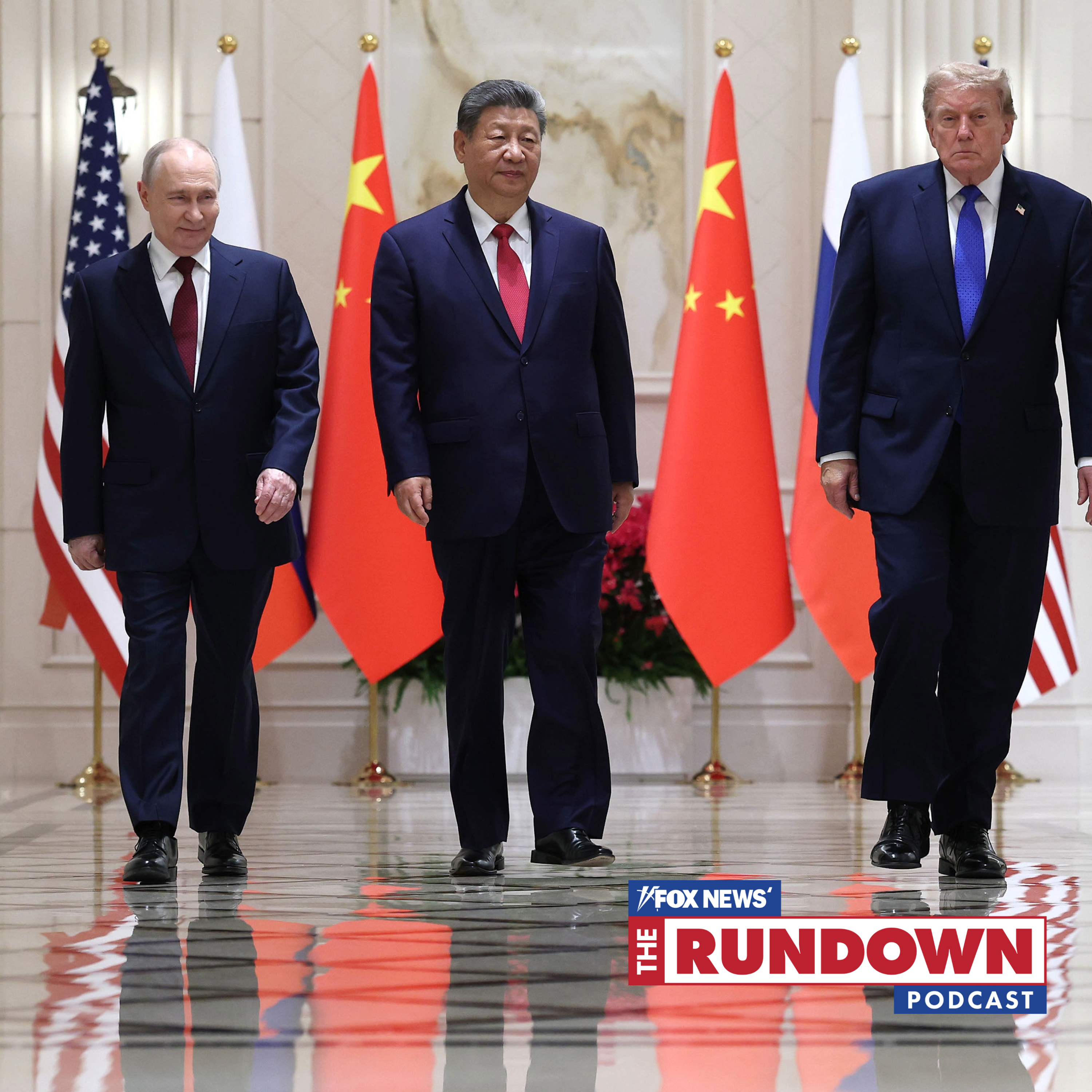
Following President Trump’s trip to Asia and a first-ever trilateral meeting with the leaders of China and Russia, foreign policy experts are weighing what was accomplished on the world stage. Former national security advisor to Vice President Dick Cheney and Heritage Foundation senior research fellow Stephen Yates joins The Rundown to analyze the summit’s outcomes on Taiwan, Ukraine, Iran, and strategic arms talks. Yates also explains how new rare-earth agreements with U.S. allies and export controls on AI chips balance Trump’s warmer rhetoric toward Beijing. Later, widespread tech outages across major platforms and government systems raise urgent questions about whether U.S. digital infrastructure is prepared for the artificial intelligence era. Former Cybersecurity and Infrastructure Security Agency (CISA) director Bridget Bean breaks down how rapid software patching can trigger cascading system failures, the growing cyber threats posed by China and Iran, and how organizations can d
This week on The Necessary Conversation, it's Chad, Haley, and Mary Lou. Bob is still recovering but sent in a video message about Trump calling Putin his friend that we watch together. 🇷🇺 Trump held the first-ever three-way talks with Putin and Xi, called it a "12 out of 10," and produced nothing. Then at a press conference he called Putin his friend — and when asked if Putin is a friend to America, the president of the United States said, "I can't speak to America." That same day, Trump's friend Putin launched massive strikes into Ukraine, hit Poland with two missiles — an act of war against a NATO ally — then struck near a Ukrainian restaurant and drone-bombed the first responders, killing a 7-year-old child and a 20-year-old paramedic. We watch Bob's video and ask Mary Lou: is Russia our friend? 🇨🇳 The House Foreign Affairs Committee revealed Trump's Commerce Department approved nearly 880,000 advanced AI chips for Chinese military-linked companies including Alibaba, Tencent, a
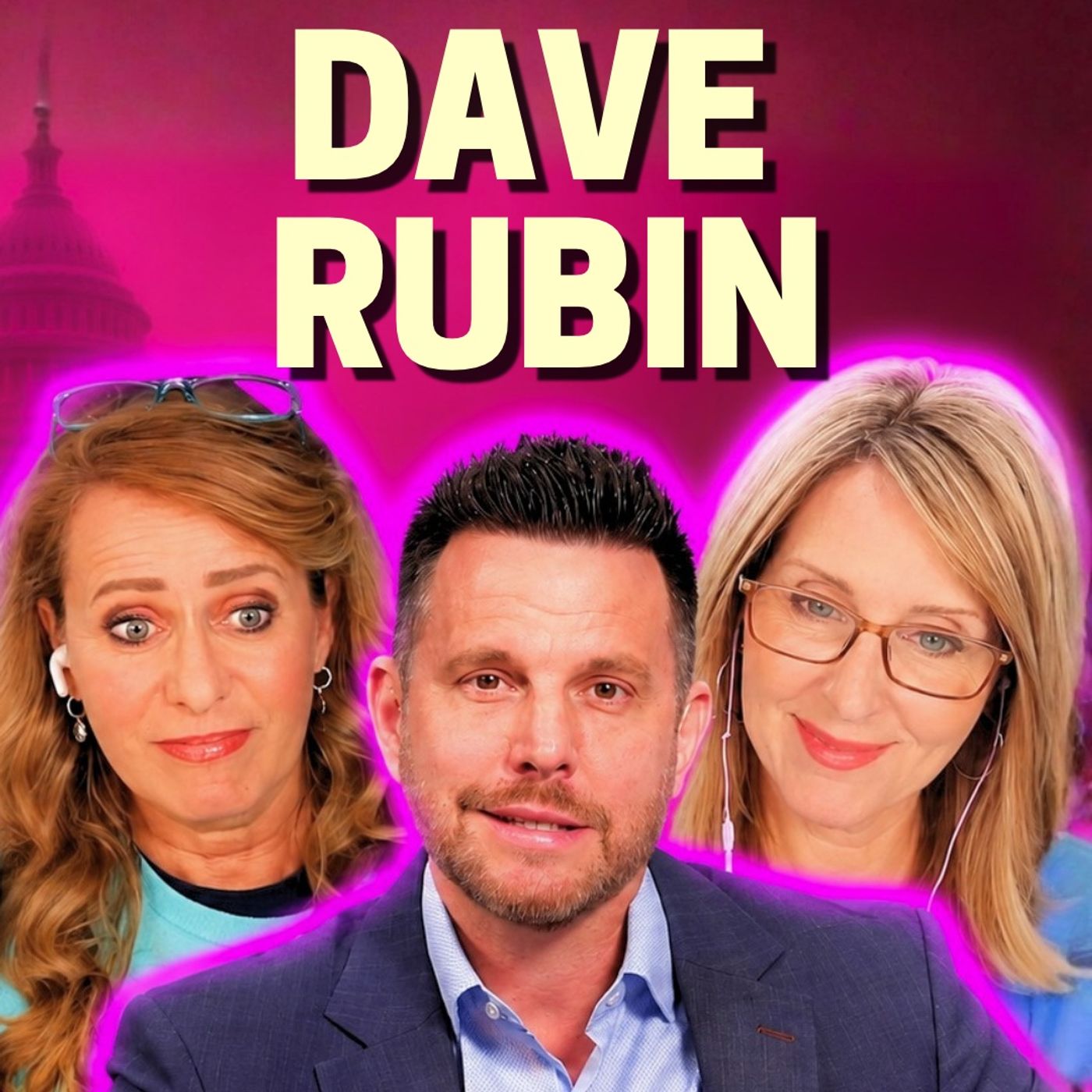
Is the Republican Party heading for a major reckoning in 2028? Dave Rubin joins The Chicks on the Right for a brutally honest conversation about Trump's final two years, the future of the GOP, and the growing divisions threatening conservatives. Dave weighs in on the Republican Party's recent election losses, whether JD Vance, Marco Rubio, or Ron DeSantis can carry Trump's agenda forward, and why he's increasingly concerned about the political direction of America. The conversation heats up as Dave takes on Nick Fuentes, the rise of extremist voices on the right, and the socialist movement gaining influence within the Democratic Party. He also discusses radical Islamism, antisemitism, the dangers of online outrage, and why he believes Western civilization faces serious challenges. Plus, with cyberattacks, banking disruptions, and nationwide outages raising concerns, Dave shares his thoughts on whether Americans should be preparing for more chaos. And don't miss the lighter side of Dave
A wave of major technology outages is raising troubling questions about America's cybersecurity, aging infrastructure, and readiness for a new era of artificial intelligence. Are these isolated technical failures, or warning signs of a much larger national security problem? John Solomon and Amanda Head welcome Ohio Congressman and former Army Ranger Warren Davidson, who discusses recent disruptions involving the FAA, Microsoft, and other critical systems. Davidson calls for greater transparency from government agencies and technology companies, questions whether America's infrastructure is adequately protected against emerging cyber threats, and examines how artificial intelligence could be used both to strengthen defenses and exploit vulnerabilities. The conversation also turns to immigration and national security, with Davidson raising concerns about individuals who entered the country illegally, potential gaps in government screening systems, and the surveillance powers used to moni
Thanksgiving is here, and some of your aunts and uncles may have softened their stances since last year. So, should you engage when politics comes up? And if so, how? Jessica Tarlov, co-host of Raging Moderates and Fox News’s The Five returns to the show to offer some tips for handling Thanksgiving (and the rest of the year), discusses her new book, and she and Sarah listen to some voters talk about how political divisions have affected their lives…and what those voters think of people who think differently. Show links: Raging Moderates with Scott Galloway and Jessica Tarlov (https://www.youtube.com/@RagingModerates) Jessica’s book, I Disagree: Winning Arguments Without Losing Friends (https://www.penguinrandomhouse.com/books/803493/i-disagree-by-jessica-tarlov/) Feeling frustrated by the state of American democracy? The Context, a podcast from the Charles F. Kettering Foundation, explores the challenges facing democracy, how to fix what’s broken, and what we can do to make it work bet
A secret relationship can create leverage even before anyone makes a threat. That is the question Tony Brueski puts to Robin Dreeke, retired FBI Special Agent and former chief of the FBI’s Counterintelligence Behavioral Analysis Program, as they unpack the reporting around former Nvidia CEO Jensen Huang. Huang admitted infidelity and resigned in November 2026. Reports linked his affair to Alice Huang, a former Megaspeed executive whom U.S. intelligence reportedly suspected of acting for China. Those suspicions remain unproven publicly. Reuters says it could not independently confirm the alleged intelligence connection; Beijing denies it. Nvidia’s board has said it has no reason to believe company secrets or national security were compromised. That leaves plenty to investigate, but it does not establish blackmail, recruitment or disclosure of protected information. Robin explains why counterintelligence investigators focus on incentives and access, not just intercepted orders or dramati
What is really happening behind the explosive Nvidia controversy? Has Washington used a personal scandal to wage an even bigger war against China's technological rise? In this conversation, Carl Zha joins Rachel Blevins to unpack the controversy that surrounds Nvidia CEO Jensen Huang. Carl explains why Chinese technology companies increasingly turn toward domestic semiconductor manufacturers such as Huawei and SMIC, why Beijing wants its major tech companies not to purchase Nvidia chips, and how American export restrictions accelerate China's drive toward technological self-reliance. China's open-source AI models now challenge Silicon Valley's business model, which depends on control over expensive computer infrastructure and proprietary AI systems. Does America's semiconductor blockade actually help China become stronger? In This Interview we Discuss the Nvidia controversy: what is behind the allegations that involve Jensen Huang and Alice Wong? Observe Alibaba's AI Ambitions: Chinese
Jerm and Todd Hayen get into diversity and inclusivity, the cultural fog of modern life, who gets let in and who gets shut out, gender dynamics, and the trap of conforming versus being yourself. They take a swing at how democracy actually runs, then argue for smaller groups and secession as the route to better governance and real community. From there it turns to sovereignty, global governance, and the impossibility of one shared identity across a diverse nation, landing on personal responsibility, autonomy, and change built from the ground up. Todd writes at shrewviews.com.
Mike Robinson and Basil Valentine present today’s UK Column News. ► Join UK Column Live every Monday, Wednesday and Friday at 1pm UK time or watch previous live recordings here (https://www.youtube.com/playlist?list=PLCobN2DevAuUX4reUDER9YL_wgcHrNiau) ► [Support UK Column] Please donate (https://support.ukcolumn.org/) to support our independent journalism & investigative journalism ► [UK Column YouTube] Please subscribe to the UK Column News YouTube channel (https://www.youtube.com/@ukcolumnofficial?sub_confirmation=1) for more alternative news and independent news Follow #UKColumn on: ► X (https://x.com/ukcolumn) ► Telegram (https://t.me/ukcolumn) ► Facebook (https://www.facebook.com/UKColumnExtracts) ► Instagram (https://www.instagram.com/uk_column_news) 00:41 Brexit: Burnham in Brussels 05:02 Medical Suppression: With special guest, Dr Nadeem Crowe, Healthcare Workers Against Censorship 18:19 Chay Bowes: Special interview about sanctions with Patrick Henningsen in Dublin 27:44 Suppo
Punishments should be evaluated by their effect on future harm, not only their severity.
Share your view, then see how readers voted. No sign-in required. This poll is shared across stories.
Do you agree or disagree?
Common Quandary
A Common Quandary to discuss
Another conversation to explore, separate from this news story.
Your boss offers lessons to make you sound “more professional.” Do you take them?
Clients sometimes ask an employee to repeat themselves during calls. Their manager offers company-paid speech coaching framed as clearer communication, but the employee experiences the request as pressure to hide part of their identity.
When does improving communication become demanding conformity?