Andre Fowles: On Learning from Grandma, Cooking for Springsteen, and What Jamaican Food Deserves
40 min
Listen through the publisher, then discuss the episode here or arrange an in-person Roundtable. Your city determines where to meet.
Roundtables are designed for groups of four, with a shared subject and room for everyone to speak. Come for discussion, with no dating expectation.
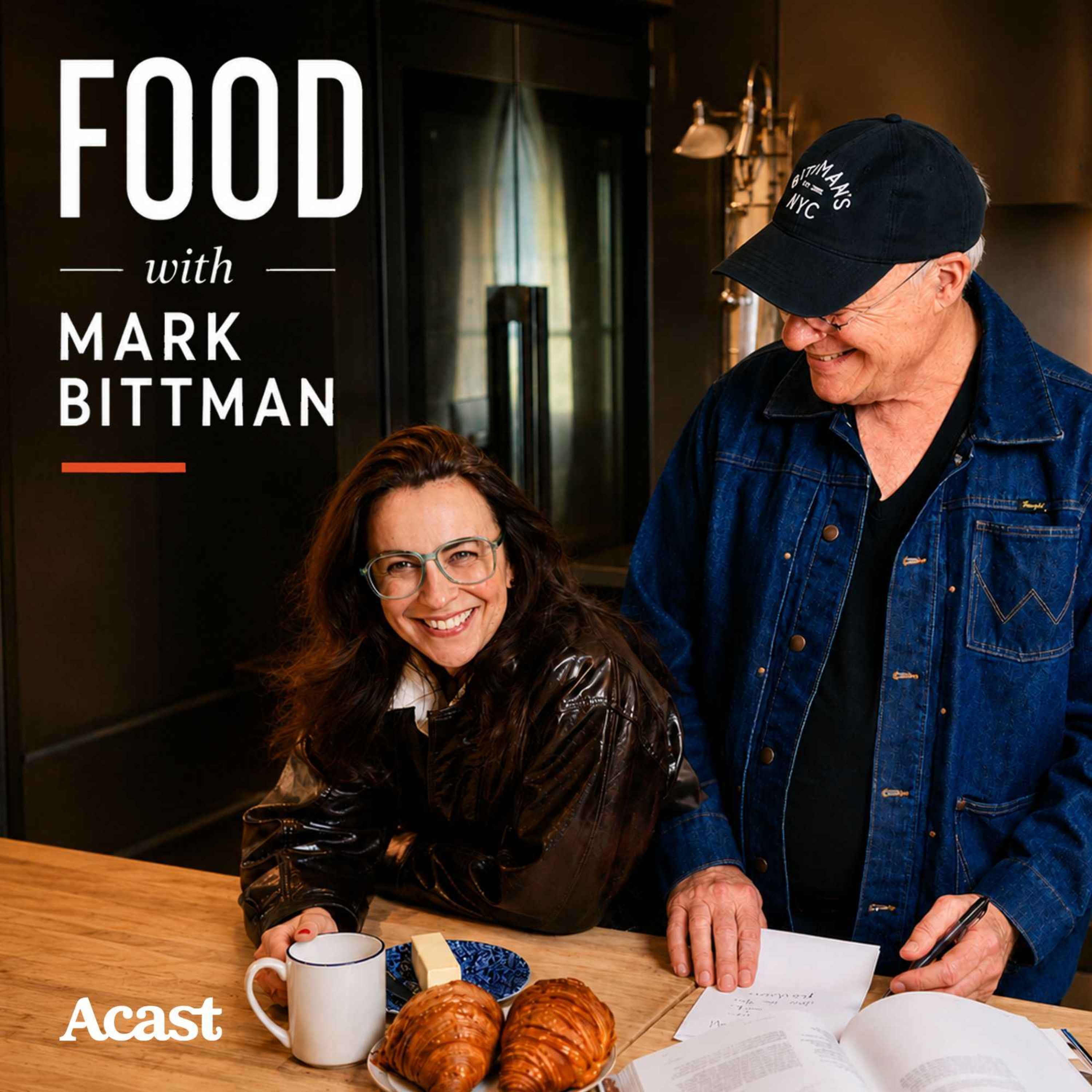
Andre Fowles grew up in a tenement yard in Kingston, Jamaica, learning to cook from his grandmother Mama Cherry. Her spirit of warmth is at the center of everything Andre does, from his years cooking at Miss Lily’s in New York, to winning 'Chopped,' to becoming a private chef for Bruce Springsteen and his wife Patti, to writing his debut cookbook 'My Jamaican Table.' In our conversation, Andre talks about what Mama Cherry taught him that culinary school couldn’t, why Jamaican food deserves a seat at the same table as French and Japanese cuisine, and what it means to go back to Kingston and open a space right across the street from his uncle’s decades-old porridge stand. Get recipes from 'My Jamaican Table' at the Bittman Project-- Guinness-Braised Short Ribs: https://bittmanproject.com/recipe/guinness-braised-short-ribs/ Coconut-Banana Pancakes: https://bittmanproject.com/recipe/coconut-banana-pancakes/ Crispy Coconut Shrimp with Chile-Lime Mayo: https://bittmanproject.com/recipe/crispy-coconut-shrimp-with-spicy-chile-lime-mayo/ And here's the pudding Kate talks about: https://bittmanproject.com/recipe/chocolate-pudding/ Want more food content? Hosted on Acast.
Episode information is provided by the publisher. Listening takes place on the publisher’s service.
Keto Consult #13: This week Jennifer and I talk all about Food on Keto. We talk about Glucose Testing and how we can use Glucose Testing to biohack ourselves and figure out which Foods on Keto are good and which Foods on Keto are not so good. Amongst Food on Keto we get really into the Keto Diet and Cholesterol and debunk some of the common misunderstandings about Food on Keto and the Keto Diet and Cholesterol. Carbs on Keto, Glucose Testing, Keto Diet and Cholesterol, Food on Keto. We also discuss What is C Reactive Protein?, Why beginning the Keto Diet may make your Liver Enzymes High, Learning How to Fast, Igniting Autophagy and everything you need to know about the Dr. Boz Ratio! Thanks for tuning into my channel. Read more about this topic on my blog: https://bozmd.com/understanding-keto-food-pyramid/ BOOK-LINK - ANYWAY YOU CAN. AUDIBLE: https://adbl.co/2SLLfS1 PAPERBACK= (Affilate link) https://amzn.to/2JqglxS The two most common questions I get ... 1) "Doc, what BLOOD METER do y
This week, producer Tim joins Nancy and Nick Clark for Eurotrash at the Young Vic, with Ben Whishaw and Kathryn Hunter as a son and mother on a deeply peculiar road trip through Switzerland, essentially two brilliant actors being very weird indeed. Then Nancy holds the fort for Eugene O’Neill’s Desire Under the Elms at the Almeida, after illness, flights and scheduling mishaps keep everyone else away. A farmer brings home a much younger wife, she falls for his son, and things go about as well as you’d expect in an O’Neill play. Plus, Nick Curtis talks to playwright extraordinaire Natasha Gordon as her superb debut play Nine Night returns at the Kiln. They discuss the Jamaican mourning tradition behind its story of family, grief and celebration, and Gordon sets the record straight about being called the first Black woman to have a play in the West End. And the ridiculously delightful Francesca Mills answers our five questions as she stars alongside Jill Halfpenny and Paul Chuckle in The
John dismissed the 1941 article about AA from behind the desk of his own law firm. It was about other people, not him. Years later, after six and a half years living under an assumed name, a man he thought was a cop brought him to an AA club. ☀️ Sober Sunrise App ☀️ Sober Sunrise Episode Archive Hundreds of AA speaker tapes and recovery stories: Sober Sunrise Merch Sober Sunrise Newsletter John tells his story as a former professional boxer, Marine, and lawyer whose public standing disappeared behind his drinking. After years away from home, he returned to the same courtroom where he'd once practiced law and heard that he wasn't fit to care for his son even briefly. His first days around AA took him from Portland, Maine to Dallas in a panel truck, sitting on an orange crate. There, degrees and courtroom experience didn't exempt him from washing dishes, setting up tables, and learning from people he'd once dismissed. He remembers sponsors challenging his plans to get even with old enemi
Iowa football dominates Illinois 34-17, improves to 9-2, and keeps its College Football Playoff hopes alive! Chris Hassel and Andrew Downs break down the Hawkeyes' statement win, including a massive 19-play, 91-yard touchdown drive, Hank Brown's fourth-down touchdown run, and a late pick-six that put the finishing touches on the victory. The guys explain why Iowa deserves to be ranked ahead of Oregon after beating Illinois on the same field where the Ducks lost to the Illini. They also discuss Kirk Ferentz's blunt response to the CFP committee, Iowa's four straight double-digit wins, and why the Hawkeyes have a chance to make the playoff with a win over Nebraska on Black Friday. Plus, a look at Iowa's potential path through the Big Ten, the teams Hawkeye fans should be watching around the country, and why this Nebraska matchup could be one of the biggest games in the rivalry's history. Presented by Fareway Meat & Grocery.
The stage and screen actor Dame Kristin Scott Thomas is currently on stage in Anton Chekov's The Cherry Orchard at the Harold Pinter Theatre in London. She joins Nuala McGovern to talk about the play, losing her mother and that Fleabag scene. Joanne Young who was drugged, raped and advertised for sex online by her husband has said she will "never feel completely safe" after four men were found guilty of sexually abusing her, in the first trial of its kind in England. Anita Rani talks to campaigner Zoe Watts whose husband was jailed in 2023 for the drugging and sexually assaulting her while she was unconscious and who waived her right to anonymity earlier this year after the Gisele Pelicot trial, and also to Jess Phillips, Labour MP and former Minister for Safeguarding . We hear from Shanaze Reade whose rise in British cycling was extraordinary. A BMX world champion before 20, she went on to win five world titles across BMX and track cycling and arrived at the Beijing Olympics as the fa
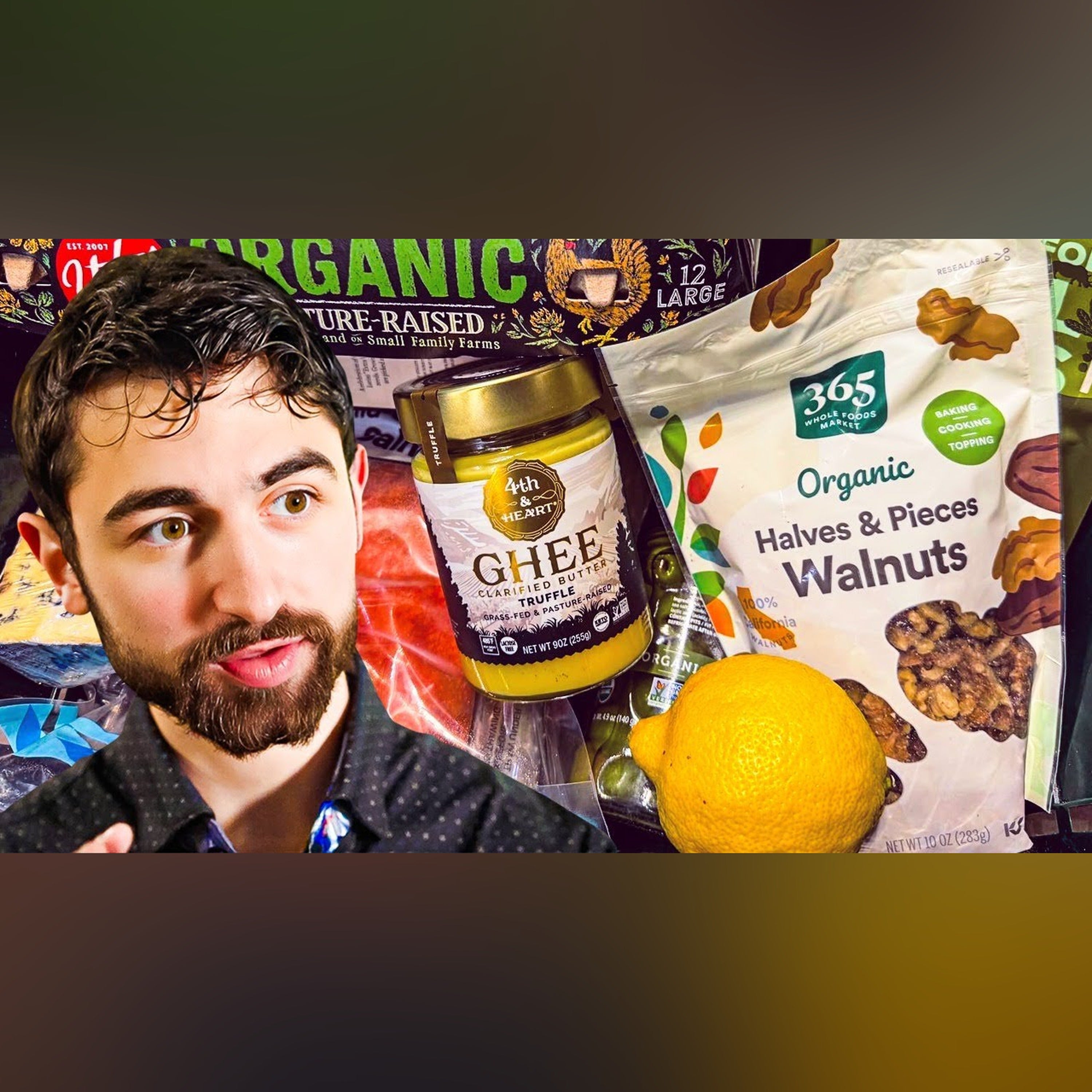
For all references and a written breakdown, references and brands recommendations, see the Newsletter: https://staycuriousmetabolism.substack.com/p/ketosis-casein-and-chocolate-what?r=40ekz2 CHAPTER *Call our service line at 815-STAY-CUR (815-782-9287) *Learn more about the data, here: https://staycuriousmetabolism.substack.com/p/life-or-death-in-the-fine-print-the?r=40ekz2 I’ve been asked countless times to make a What I Eat in a Day video — and I’ve finally cracked, like an egg. In this video, I break down what I eat and the science behind every choice. This isn’t a “follow my diet” video — it’s a framework for how to think about food. Whether you’re low-carb, keto, or simply curious about how to optimize your nutrition, this breakdown will give you practical insights into how to make science-backed food choices. For my full shopping list and preferred brands (no affiliations), check out the linked newsletter (above). Referenced Content: How to Cook Eggs: https://youtu.be/Dhmq6F5M8kc
Roz Chast is arguably the most recognizable cartoonist in America. Her work has appeared in 'The New Yorker' for nearly fifty years, and her particular brand of anxious, self-deprecating humor has become part of the cultural vocabulary. Her newest book, 'The Two Saddest Kitchens,' written and illustrated with fellow New Yorker cartoonist Jason Adam Katzenstein, is about exactly what it sounds like: two people who have no business being in a kitchen, documenting the chaos with great affection and very little shame. Mark and Kate sit down with Roz and Jason to talk about the book, the collaborative process of making the book on iPads across state lines, the surprisingly specific vocabulary people use when they don’t feel like cooking, and why the kitchen (with all its broken drawers, failed ice cream experiments, and lurking mystery cans) turns out to be a surprisingly intimate place. Mentioned on this week's episode: Beast blender: https://get.aspr.app/SH1oVp Kate's piece on food hiding
Patrick O’Connell opened The Inn at Little Washington in an abandoned garage in a town of 150 people in 1978, with no formal training, no staff who had ever been to a restaurant, and no idea it would become one of the most celebrated dining destinations in the world. This week, he talks with Kate and Mark about his memoir, Main, Middle, and Gay – growing up gay in the rural South, discovering Julia Child, befriending Craig Claiborne, cooking for Queen Elizabeth, and what it means to build something extraordinary in a place where everything told you not to. Read an excerpt from Main, Middle & Gay on The Bittman Project: https://bittmanproject.com/main-middle-and-gay-the-doorway-to-the-kitchen/ Want more food content? Hosted on Acast.
Supporters should be consulted before major changes in their club's ownership or location.
Share your view, then see how readers voted. No sign-in required. This poll is shared across stories.
Do you agree or disagree?
Common Quandary
A Common Quandary to discuss
Another conversation to explore, separate from this news story.
An app can text exactly like someone you lost. Would you keep talking to it?
A service can create a conversational likeness from a deceased person's messages and recordings. A grieving family member finds it comforting, although the deceased never consented to this use of their data.
Can comfort justify creating a voice the dead never authorized?