Another Country: John Birmingham on the rise and rise of One Nation
54 min
Listen through the publisher, then discuss the episode here or arrange an in-person Roundtable. Your city determines where to meet.
Roundtables are designed for groups of four, with a shared subject and room for everyone to speak. Come for discussion, with no dating expectation.
Why has Pauline Hanson's moment finally come, almost 30 years after she first won a seat? How does One Nation turn nostalgia for an imagined past into political power? Could a party with no experience in government really end up running the country? In this live episode, recorded at ANU, Professor Mark Kenny talks with author John Birmingham about his new Quarterly Essay, Another Country: The Rise and Rise of One Nation. They discuss Hanson's lucky career from Ipswich to the Senate, the four demographic filters of race, place, age and education that predict One Nation support, and the March for Australia rallies. They also look at how the shift to three main political forces is unsettling the Liberals, how the neoliberal economic consensus helped create today's grievance politics, and what to expect from the Victorian election. Hosted on Acast.
Episode information is provided by the publisher. Listening takes place on the publisher’s service.
• Black Friday! Must end Tue Dec 15! Episode One of a three-part Bunker miniseries… Conspiracy theories are spreading faster than ever – fuelled by A.I., disinformation, and powerful people who peddle them. But where did this mood of permanent paranoia come from? Why do people believe conspiracy theories? And can you train yourself to spot one? In episode one Alex von Tunzelmann is joined by author Martin Fitzgerald to investigate Ground Zero of the modern conspiracy mindset: the assassination of John F. Kennedy. How did one very high-profile murder shatter public trust, turbocharge American paranoia and forever change the way we see those in power? • Buy Martin’s book, The Umbrella Man and Other Stories: What We Talk About When We Talk About the JFK Assassination (https://uk.bookshop.org/a/13277/9781837360253) from our affiliate bookshop and you’ll help fund the podcast by earning us a small commission for every sale. Bookshop.org’s fees help support independent bookshops too. Back Th
Rep. Eli Crane (R-AZ) joins John Solomon to deliver a warning to Republican leadership following the GOP's midterm election losses, arguing that Congress failed to deliver on key elements of President Donald Trump's agenda. Crane takes aim at Senate inaction, discusses the hundreds of House-passed bills awaiting consideration, and weighs in on the party's future under Jim Jordan's leadership. He also raises concerns about the recent wave of technology and infrastructure outages across the country, questioning whether aging systems, government incompetence, or potential cybersecurity threats are responsible. Later, celebrity chef Andrew Gruel joins the show to share his secrets for preparing healthier, affordable meals without spending hours in the kitchen. The host of American Gravy offers practical Thanksgiving cooking tips, budget-friendly alternatives to traditional turkey, and simple kitchen essentials that can make holiday meal preparation easier. Plus, Capsiva co-founder and CEO
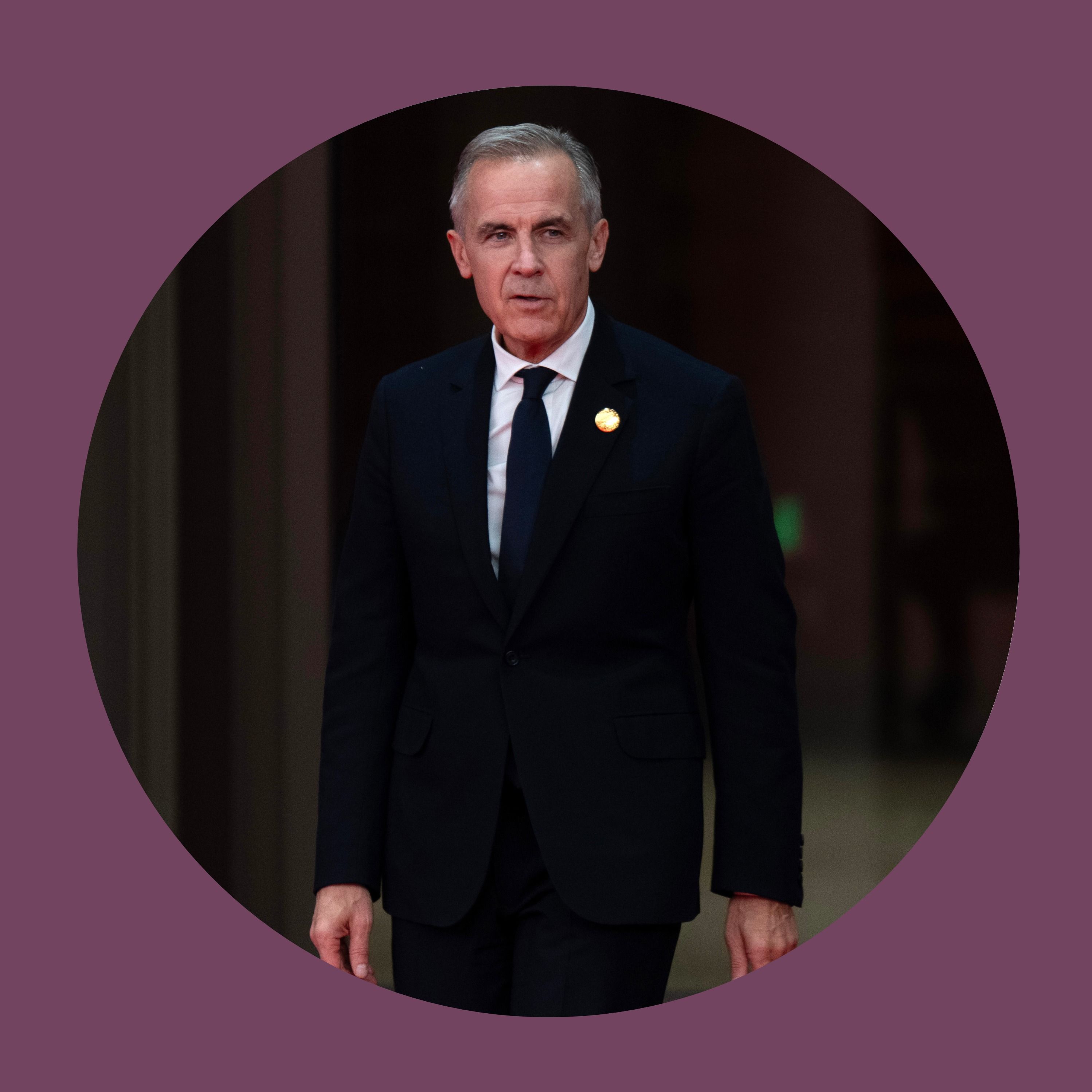
Prime Minister Mark Carney (https://www.theglobeandmail.com/topics/mark-carney/) came to power at a time when Canada was facing a hostile U.S. under President Donald Trump. Carney was elected to lead the country through this moment, where threats to Canada’s sovereignty and a tariff war have left many on edge. According to some scholars, one side effect of crisis moments is that leaders don’t face the same level of scrutiny (https://www.theglobeandmail.com/politics/opinion/article-mark-carney-and-canadas-no-question-period/) as they would in calmer times. Shannon Proudfoot (https://www.theglobeandmail.com/authors/shannon-proudfoot/) is a feature writer and columnist for The Globe, based in Ottawa. She’s on the show to tell us why she thinks Mark Carney’s government is not facing the heat, and what questions people should be asking. Questions? Comments? Ideas? Email us at [email protected] Hosted by Simplecast, an AdsWizz company.
Current and former officials say many FBI employees first learned their bureau had been hacked from news reports. The next day, staff got an email reminding them October is cybersecurity awareness month. I ask retired FBI Special Agent Robin Dreeke what finding out that way does to agents' trust in their bosses, and to their willingness to report problems. Hackers stole agents' home addresses and Social Security numbers from the FBI's jobs website, and the FBI says a contractor never installed a security fix that was already out. Weeks later, the FAA grounded every departing flight in the country for more than four hours, and its early findings point to a contractor's new router in Arkansas. Robin, former chief of the FBI's Counterintelligence Behavioral Analysis Program, takes on why equipment the FAA says was due for replacement in 2006 was still running. The FBI also says hackers tied to China's government broke into the Justice, Health and Human Services and Energy departments, sta
On Monday’s Mark Levin Show, government-run health care sounds appealing because it promises universal, affordable access to care, but this leads to fewer doctors and nurses, longer wait times, lower quality care, higher costs, and greater government control over life-and-death decisions. Universal coverage does not guarantee timely medical treatment and full government-controlled health care would result in rationing, limited access to care, reduced accountability, and diminished patient choice. Politicians, bureaucrats, and the media promote government-run health care despite the clear evidence of its failures, while overlooking the strengths of America’s largely private medical system. Also, the Woke Reich promotes socialist ideas which is contrary to the American ideals of hard work, individualism, merit, and self-reliance. They are encouraging young people to believe they cannot succeed without government assistance. Parents should teach responsibility, discipline, work ethic, and
Jerm and Mike discuss centralised control versus local autonomy, party and corporate money in elections, and how hard genuine democracy actually is to reach. They argue for a more federalised setup and warn about corporate influence. They then narrow in on AIPAC's grip on US politics, the dead end of the two party system, and how cash swamps the ballot box. The US and UK systems are compared and it is stressed that governance happens outside of government, too, before they land on whether local communities can actually shift anything. Grassroots get the optimism. The institutions get the pessimism. ► Join UK Column Live every Monday, Wednesday and Friday at 1pm UK time or watch previous live recordings here (https://www.youtube.com/playlist?list=PLCobN2DevAuUX4reUDER9YL_wgcHrNiau) ► [Support UK Column] Please donate (https://support.ukcolumn.org/) to support our independent journalism & investigative journalism ► [UK Column YouTube] Please subscribe to the UK Column News YouTube channe
How did housing in Australia stop being about shelter and become a way to build wealth? Is "supply, supply, supply" really the answer, or does our house-building system only work while prices keep rising? When renters and would-be first home buyers feel the deal is rigged, what does that mean for our politics? On this live episode of Democracy Sausage, recorded at the Community Housing Industry Association national conference in Canberra, Mark Degotardi and Professor Nicole Gurran join Professor Mark Kenny and Dr Marija Taflaga. They discuss the financialisation of housing, the Housing Australia Future Fund and its target of 40,000 homes, why social housing has shrunk to under 4 per cent of homes, and how renters are becoming a real voting bloc. Hosted on Acast.
Can international law still work when powerful states ignore it? Are Australia's defamation laws silencing women who speak out about abuse? And what does it take to keep fighting a case everyone says is impossible? On this episode of Democracy Sausage, recorded live at ANU, Sydney Peace Prize winner Jennifer Robinson joins Professor Mark Kenny. They talk about her path from a public high school on the NSW South Coast to Oxford and the international courts. They also cover the landmark climate advisory opinion at the International Court of Justice, the 14-year campaign to free Julian Assange, and her 25 years of advocacy for West Papua. Hosted on Acast.
Why has the Fraser government been so overlooked, by Labor and the Liberals alike? What did a government with progressive, conservative and reactionary wings get done in a time of global upheaval? Why does Malcolm Fraser's era sound so familiar in 2026? On this episode of Democracy Sausage, Historian Dr Joshua Black joins Professor Mark Kenny and Dr Marija Taflaga to discuss his special issue of the Australian Journal of Politics and History on the Fraser years. They cover the dismissal and the question of legitimacy, Vietnamese refugees and multiculturalism, and the Liberal Party's uneasy relationship with its own past. Hosted on Acast.
Urgent public needs can justify simplifying normal approval procedures.
Share your view, then see how readers voted. No sign-in required. This poll is shared across stories.
Do you agree or disagree?
Common Quandary
A Common Quandary to discuss
Another conversation to explore, separate from this news story.
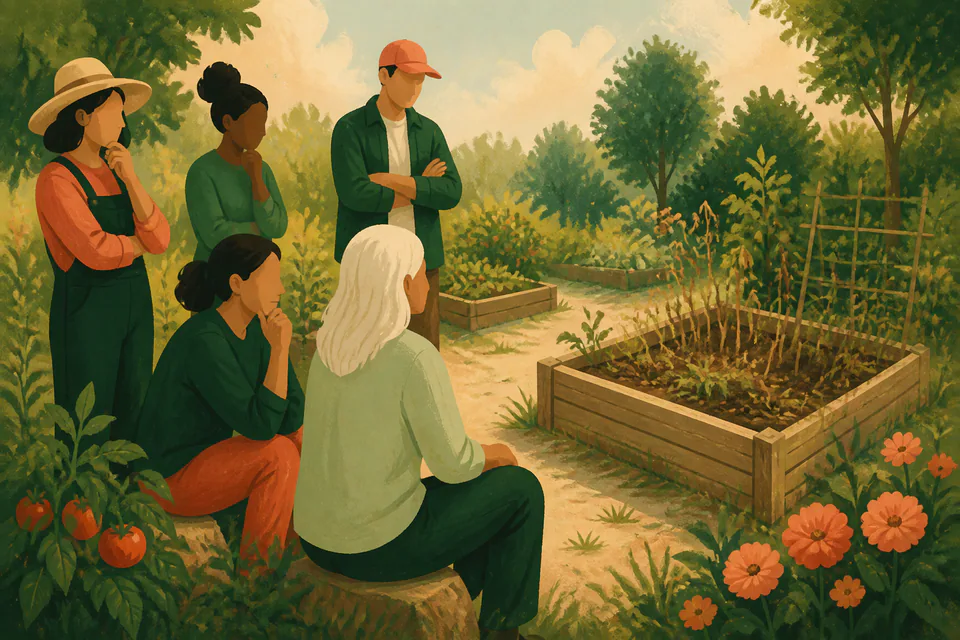
The best garden plot has been abandoned for months. Who gets to take it?
Garden plots have a three-year waiting list. One member's plot has gone untended for months and messages go unanswered, but other gardeners know they recently faced serious health problems.
How long should a shared resource remain reserved out of compassion?