Anshel Pfeffer: is religion deciding Israel’s future?
35 min
Listen through the publisher, then discuss the episode here or arrange an in-person Roundtable. Your city determines where to meet.
Roundtables are designed for groups of four, with a shared subject and room for everyone to speak. Come for discussion, with no dating expectation.
Israel has voted in its first general election since the 7th of October attacks, and the result is deadlock. Netanyahu’s bloc took 53 seats, the opposition 48 and the Arab parties a record 19. Shas, the Sephardi ultra-Orthodox party, fell from 11 seats to six, its worst result since 1992, after insisting that haredi men should stay exempt from military service. Damian Thompson is joined by Anshel Pfeffer, Israel correspondent for The Economist and biographer of Benjamin Netanyahu, to ask how much religion is shaping the country’s future. They discuss the ‘status quo’ deal David Ben-Gurion struck with the rabbis before the state was founded, why Israel still has no civil marriage, the three main branches of ultra-Orthodoxy, and a birth rate that has taken the haredim from 2-3% of the population to 13-14%. Could they be half of Israel within a generation or two? And with the parties promising not to sit with Netanyahu, the Arab parties or the haredim, which of those promises will be broken first? Produced by Patrick Gibbons and Henry Lloyd. Contact us: [email protected] Hosted on Acast.
Episode information is provided by the publisher. Listening takes place on the publisher’s service.
Iran says it shot down a U.S. drone over the Strait of Hormuz as CBS News reports the U.S. and Israel are weighing a new assault on Iran. MIKE DROP NEWSROOM | 21 NOVEMBER 2026 Iranian state TV claimed Saturday that Iran downed a U.S. drone near Qeshm Island; the U.S. has not confirmed it. CBS News reported, citing sources, that the U.S. and Israel are considering a new assault in the short term, driven by Israeli concern over how fast Iran is rebuilding its missile production and moving sites underground. President Trump told Israel's Channel 12 he is not rushing any decision. At the same time, the New York Times reported Israeli warnings that Iran has made progress on chemical and biological weapons and could use them against U.S. officials, though some U.S. officials doubt those warnings. Mike Ritland breaks down why a single intelligence source shouldn't drive a decision this big, how corroboration works when lives are on the line, and what would actually change his mind. Also cover
Is the Republican Party heading for a major reckoning in 2028? Dave Rubin joins The Chicks on the Right for a brutally honest conversation about Trump's final two years, the future of the GOP, and the growing divisions threatening conservatives. Dave weighs in on the Republican Party's recent election losses, whether JD Vance, Marco Rubio, or Ron DeSantis can carry Trump's agenda forward, and why he's increasingly concerned about the political direction of America. The conversation heats up as Dave takes on Nick Fuentes, the rise of extremist voices on the right, and the socialist movement gaining influence within the Democratic Party. He also discusses radical Islamism, antisemitism, the dangers of online outrage, and why he believes Western civilization faces serious challenges. Plus, with cyberattacks, banking disruptions, and nationwide outages raising concerns, Dave shares his thoughts on whether Americans should be preparing for more chaos. And don't miss the lighter side of Dave
What if you could travel into the future and witness the next great transformation of humanity? In this extraordinary conversation, returning guest Pamela Aaralyn joins Next Level Soul to explore her experiences with bilocation—a spiritual practice she describes as projecting consciousness into other timelines and experiencing life through another version of herself. Pamela shares what she believes she has witnessed in 2027, 2030, 2032, 2036, and even the year 3300, including predictions about financial instability, the rapid evolution of artificial intelligence, major changes in education and employment, and the possibility of unprecedented extraterrestrial disclosure. She also describes meeting her future self, learning from a more evolved version of her consciousness, and why she believes our choices can change the future. During a live bilocation session, Pamela describes what she perceives as a turning point in 2032, when extraterrestrial craft allegedly become impossible to ignor
Before House Democrats voted on Hakeem Jeffries for Speaker, nobody was running against him, but a group of new progressive members, known as "The Bloc," wouldn't commit to backing him without guarantees. Asked about the holdouts, Jeffries told reporters: "You'll have to ask, you know, those individuals." In the Senate, Chris Van Hollen was challenging Chuck Schumer for leader, and Schumer was bristling. Meanwhile, John Fetterman was hinting he could leave the party if Van Hollen won. Don was joined by Mehdi Hasan, founder and editor-in-chief of Zeteo, to talk about who should lead the Democrats and whether the party was already blowing its big win. GUEST: Mehdi Hasan, founder and editor-in-chief of Zeteo FIND THE DON LEMON SHOW: Youtube: https://www.youtube.com/@TheDonLemonShow Substack: https://substack.com/@donlemon Facebook: facebook.com/donlemon Instagram: instagram.com/donlemonofficial Tik Tok: tiktok.com/@donlemonofficial LEMON NATION: Website: donlemon.com Buy Merch: https://do
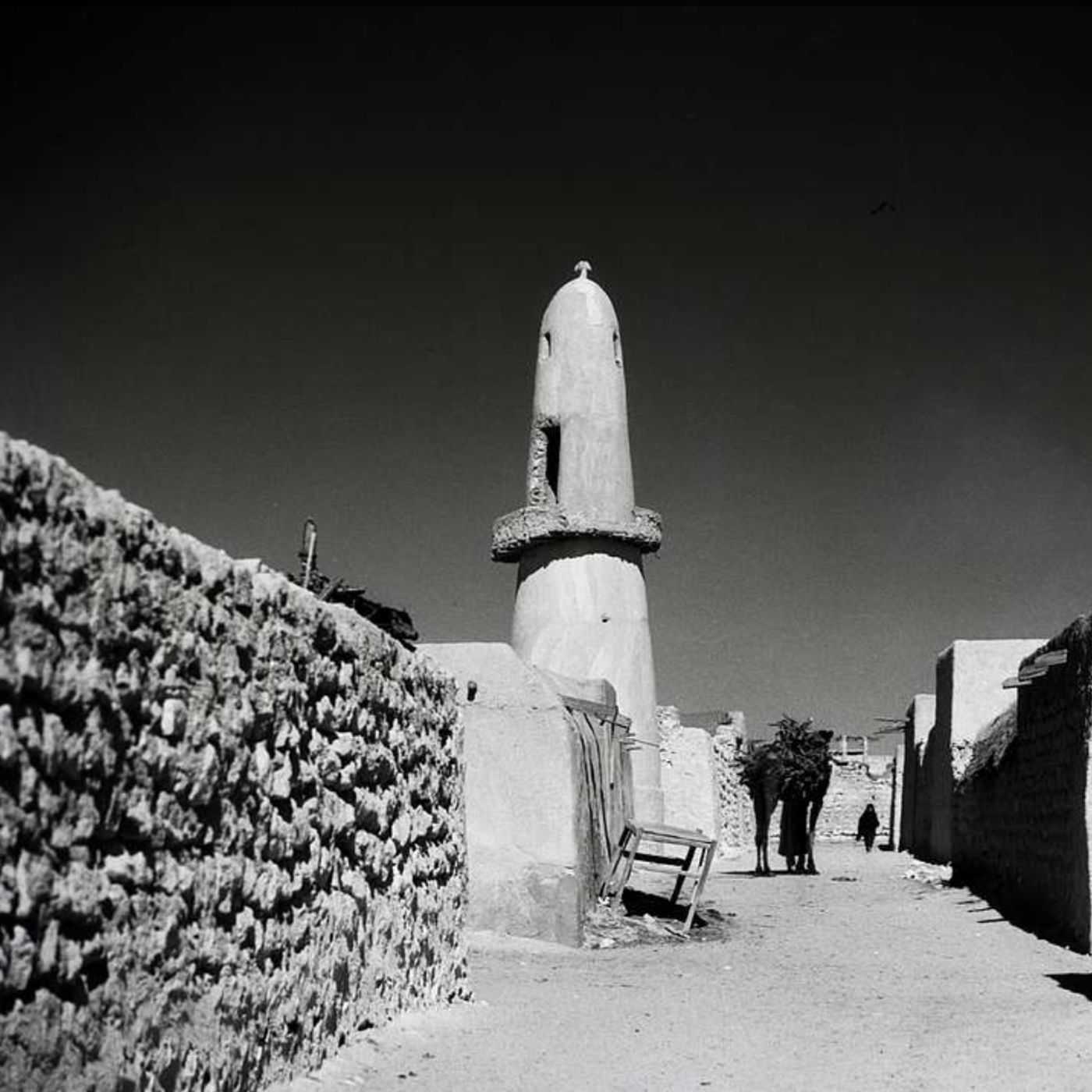
1935 JUBAIL Saudi Nuclear Deal Regional Missile Strikes — Part One Henry Sokolski warns against proposed US nuclear agreements granting Saudi Arabia enrichment capabilities, citing IAEA inspection oversight limited to declared facilities. He emphasizes the severe risks posed by ongoing Houthi missile strikes on Saudi oil infrastructure and cities, which could threaten future reactor sites. (13)
Master the skills that change lives — enroll in your free human behavior course today: https://nci.university/learn Uploaded 01-03-26 Iran didn’t slowly become what you see on the news — it was psychologically taken. In this episode, I break down the real mechanism behind Iran’s transformation: the difference between a people and the system that cages them, how revolutions don’t shift power but shift who gets to use violence, and why fear — not religion — became the enforcement tool. From a modern, secular Iran in the 60s and 70s to a regime sustained by narrative control, surveillance, and compliance rituals, this is a case study in how educated civilizations get hijacked without realizing it. We’ll dissect the psychological trap that started in 1979, why today’s protests are memory colliding with fear, and the three paths Iran is likely to take next. This isn’t just about Iran — it’s a preview of what happens anywhere belief becomes mandatory and truth becomes a liability. Please not
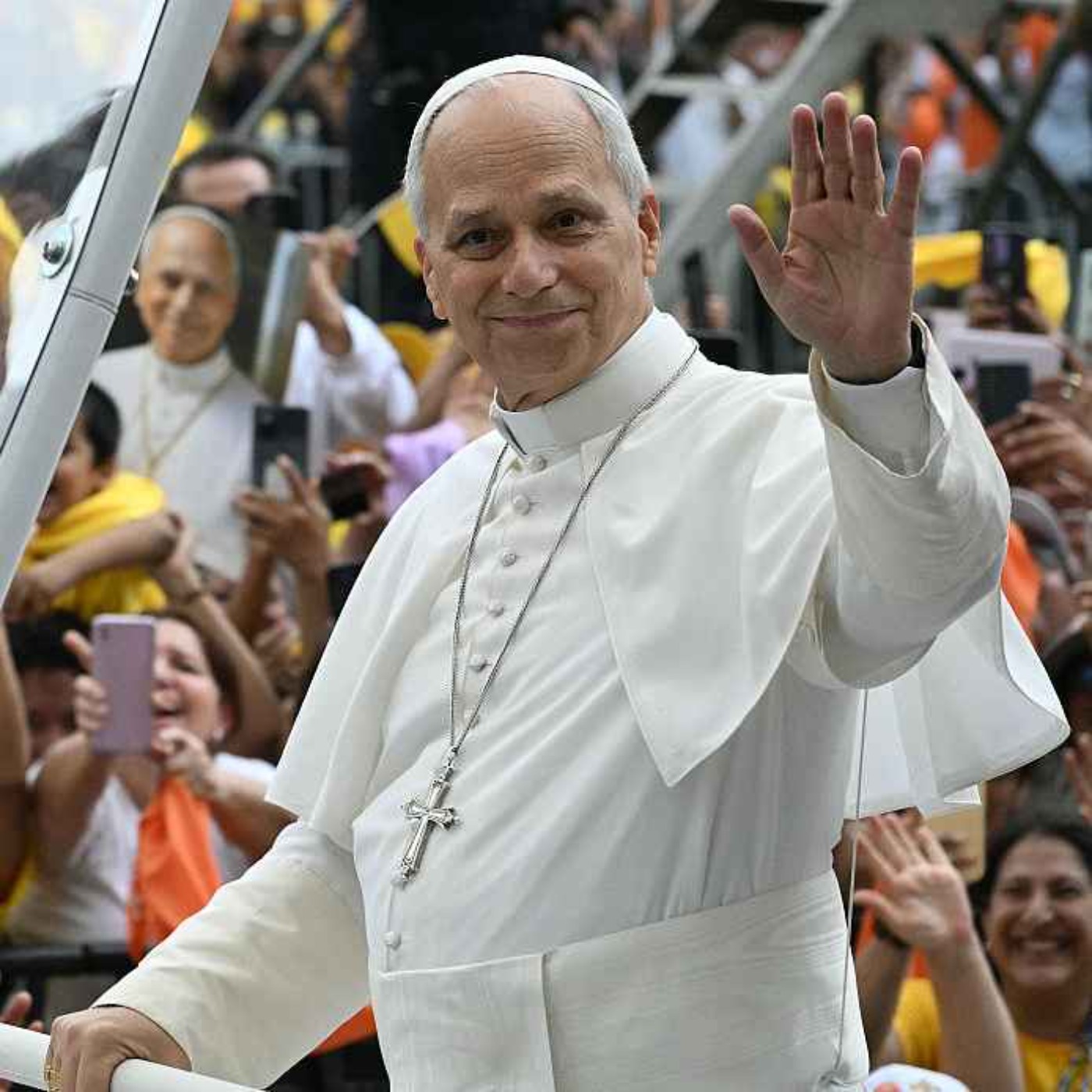
Pope Leo has returned to Peru, the country he called home for nearly two decades, in the final leg of his historic South American tour. Greeted by millions of cheering Catholics, the visit has been a personal triumph for the pontiff. But what makes Peruvian Catholicism so distinctive, and how has it shaped his faith? Damian Thompson is joined by Thomas Munson to explore the country's fascinating blend of Catholicism and indigenous Incan beliefs. Where is the line between adapting Christianity to local cultures and religious syncretism? And what can Pope Leo's relationship with Peru tell us about the direction of his papacy? Plus: as Catholicism faces declining Mass attendance across much of Latin America, could Pope Leo's visit inspire a religious revival? Produced by Abigail Brierley. Contact us: [email protected] Hosted on Acast.
On this episode of Holy Smoke, Damian Thompson is joined by British pianist Mishka Rushdie Momen to explore the extraordinary musical world of 18th-century France - where religion, courtly spectacle and music were deeply intertwined. They discuss the music of François Couperin, Jean-Philippe Rameau and the pioneering composer Élisabeth Jacquet de La Guerre, as well as the unlikely connection between Catholic and Protestant composers. They also ask whether the Church has lost its musical vernacular; and whether the sacred music of the Baroque could have a place in churches today. Produced by Abigail Brierley. Contact us: [email protected] Hosted on Acast.
A tradition can remain authentic while changing with the community that practices it.
Share your view, then see how readers voted. No sign-in required. This poll is shared across stories.
Do you agree or disagree?
Common Quandary
A Common Quandary to discuss
Another conversation to explore, separate from this news story.
Five friends join the person ahead of you after a forty-minute wait. Do you object?
You wait forty minutes for a popular event. Just before the doors open, five friends join the person directly ahead of you, who says they have been holding everyone's place from the beginning.
What unwritten agreement does joining a line create?