Listen through the publisher, then discuss the episode here or arrange an in-person Roundtable. Your city determines where to meet.
Roundtables are designed for groups of four, with a shared subject and room for everyone to speak. Come for discussion, with no dating expectation.
More To The Story: This week, Anthropic goes public. Many estimates put the AI company’s valuation at more than $1 trillion, which would make it one of the biggest initial public offerings in history. But Anthropic’s IPO also comes at a time when there are real concerns that the AI boom is a massive bubble—one that could take down the stock market and the economy with it. Science and tech journalist Jacob Ward has been reporting on the AI industry through a critical lens for years, even warning of AI’s red flags months before the launch of ChatGPT. But today, he says one of the things he didn’t fully grasp was the zealotry he now sees from AI’s top leaders. On this week’s More To The Story, Ward talks with host Al Letson about how China is the true wild card in the AI race, what keeps him up at night about the direction of artificial intelligence, and whether Anthropic’s massive spending spree is truly sustainable. Listen: The Race to Stop AI’s Threats to Democracy (https://revealnews.org/podcast/openai-chatgpt-sam-altman-artificial-intelligence-karen-hao-2026/) (More To The Story) Read: Anthropic’s Founders Pledged to Donate Most of Their Stock. Their IPO Tells Another Story. (https://www.motherjones.com/politics/2026/10/anthropic-ipo-sec-filing-stock-donation-80-percent-llc-revocable-promise/) (Mother Jones) Read: The Loop: How AI Is Creating a World Without Choices and How to Fight Back (https://bookshop.org/a/85492/9780316487184) (Grand Central Publishing) Learn more: The Rip Current with Jacob Ward (https://www.theripcurrent.com/)
Episode information is provided by the publisher. Listening takes place on the publisher’s service.
Project Synapse: Markets in Freefall, Fragile Infrastructure, and AI's Perfect Storm The hosts banter through the show's intro before focusing on a sense that "things are out of control," citing a WallStreetBets suicide-hotline post amid a market crash and discussing cascading system failures involving Microsoft, the FAA, and a reported NSA internal communications outage. They argue politicians and leadership lack technical competence and clear messaging, increasing panic, while emphasizing that many problems stem from aging, underfunded infrastructure and complex, brittle software (PHP, NGINX, Java), not proven AI attacks—more a "perfect storm" of crises. They debate whether AI should help fix complexity, stressing critical thinking, accountability, and using multiple AIs to verify each other. In a lightning round they cover Anthropic's IPO performance, mixed reactions and token limits with ChatGPT 6.2 (favoring "Sol" over "Astra"), Google's cheaper Neon model and confusing UX, Loblaw
November 20, 2026: Melissa Lee and the Fast Money traders unpack a brutal market sell-off, NVIDIA’s latest concerns, what's next for Anthropic, Bitcoin’s break below $59,000, and whether healthcare can still offer shelter. The key takeaway: traders see possible near-term bounces, but they remain cautious about unresolved risks in AI, rates, credit, and market leadership. Hosted by Simplecast, an AdsWizz company.
Alex Murdaugh's murder conviction is gone because the Supreme Court found his court clerk, Becky Hill, put her fingers on the scales of justice. Nick Reiner can't bring back the lawyer he wants because the woman running his trust is holding the money until a court decides whether he can inherit from the parents he's accused of killing. Eric Faddis, a defense attorney and former prosecutor, takes on both in this full episode. For Alex, that means the no-blood lab result on his T-shirt, the lead state investigator's grand jury testimony that wasn't true, and why Hill was never charged over the jury. For Nick, it's whether about $558,000 that came due before his parents died is already his, what a private lawyer can do that a public defender can't, and why his heroin history could hurt an insanity defense. Both men are presumed innocent. Alex goes back on trial in April. Listen Anywhere You Get Podcasts: https://pod.link/1655749292 Want to comment and watch this podcast as a video? Instag
How much is Anthropic actually worth? And were investors assured by Nvidia’s strong earnings report? Plus, will "Grand Theft Auto VI" lift Take-Two Interactive’s stock? Host Vicky Ge Huang discusses the biggest stock moves of the week and the news that drove them. Sign up for the WSJ's free Markets A.M. newsletter (https://www.wsj.com/newsletters/markets-am?mod=WSJ_WNPOD). Hosted by Simplecast, an AdsWizz company.
Some strange things are happening out in space and down here on Earth. Earlier this week, astrophysicist Neil deGrasse Tyson joined Aishah Hasnie (https://www.youtube.com/watch?v=yor7TRWw67k) to unpack a fast-moving object known as 1998 KY26 orbiting the Sun, UAP discussions, and the physics behind what a first alien encounter might actually look like. Tyson broke down why its trajectory doesn't follow standard gravity alone, weighed theories ranging from space junk to the Yarkovsky effect, and shared insights from his book Take Me to Your Leader: Perspectives on Your First Alien Encounter. They also dove into growing concerns around artificial intelligence, tech vulnerabilities, and why Tyson says global guardrails are essential—plus why he’d choose the future if he had a time machine. The conversation was full of laughs and interesting perspectives on space and the potential for extraterrestrial life, but it was too long for our regular midweek Rundown. So, on today's FOX News Rundow
Hey everybody, Tom Bilyeu here. On today’s episode of Impact Theory, we’re taking on a topic that’s got the whole world holding its breath: the escalating crisis between the United States and Iran. As tensions ratchet up, we’re asking the tough questions—how did we get stuck in this “escalation trap,” and what does it mean for America’s global leverage, our economy, and our very sense of security? The conversation focused on why the traditional idea of “strategy” might be failing policymakers, using powerful analogies—like chess versus roulette—to show how doubling down in conflict can spiral out of control. We’ll break down the risks of tactical “wins” that create even bigger crises, the real leverage Iran holds with control of the Strait of Hormuz, and the mounting pressure on President Trump as political support erodes and legacy hangs in the balance. A key theme that emerged is what happens when military might runs into decentralized opposition, and why high-stakes gambles—like the
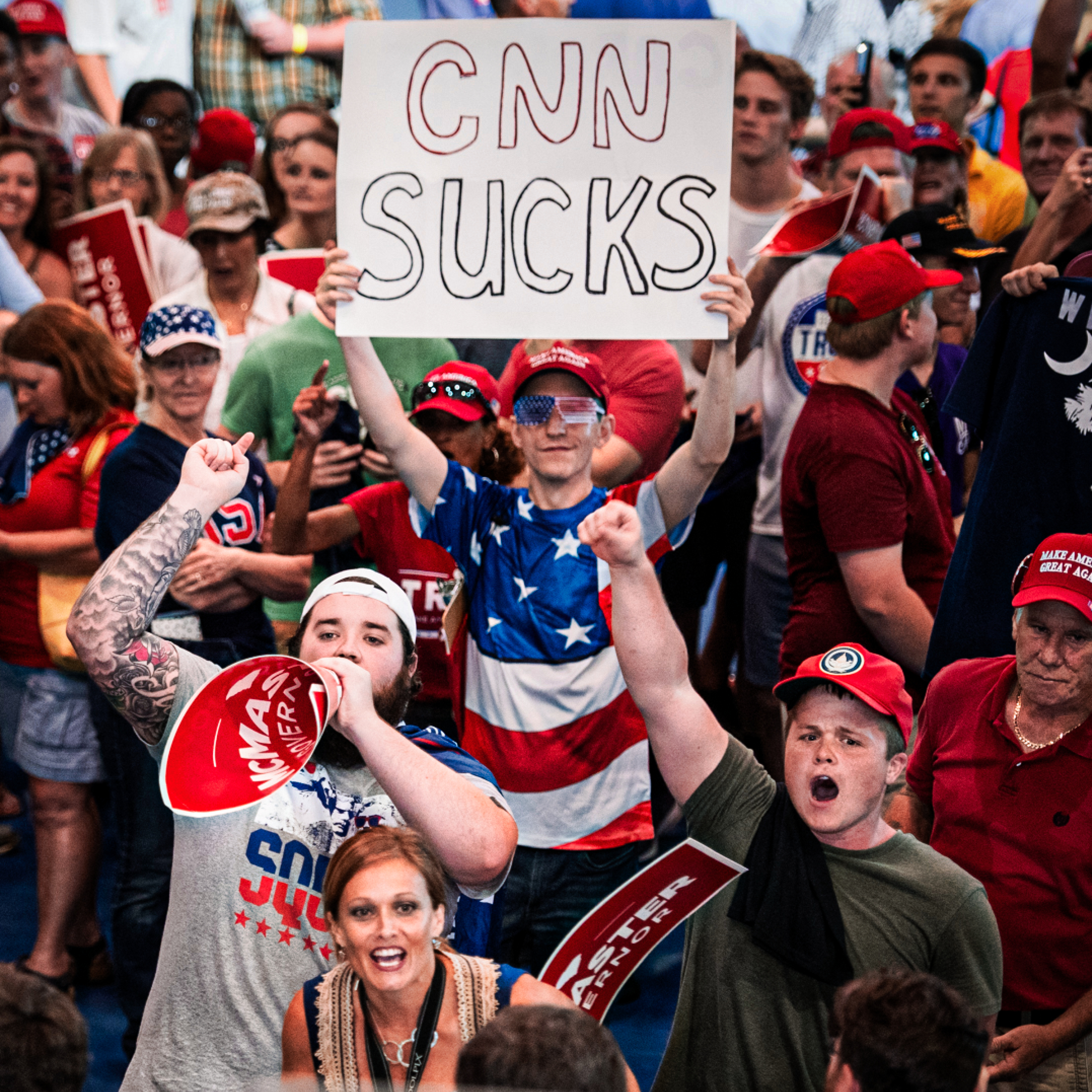
Every week, a group of men in their late 60s meets at the Corner Cafe in Elizabethtown, North Carolina. One important reason for these meetups is to discuss what’s going on in their community. Local news has virtually dried up in their rural county, as well as neighboring counties, and some residents say they’re being left in the dark and don’t feel equipped to make informed decisions. “I’m not gonna vote if I can’t get the information,” says Penny Abernathy. Like in much of the country, roughly two-thirds of North Carolina’s counties are considered news deserts. And the lack of local journalism isn’t just making it harder for people to stay informed; it’s exacerbating a crisis of trust in the news media. This week on Reveal, we partner with the podcast Scene on Radio (https://podcasts.apple.com/us/podcast/scene-on-radio/id1036276968) and hosts John Biewen and Chenjerai Kumanyika to understand how American journalism got here and what can be done to repair the cracked foundation of the
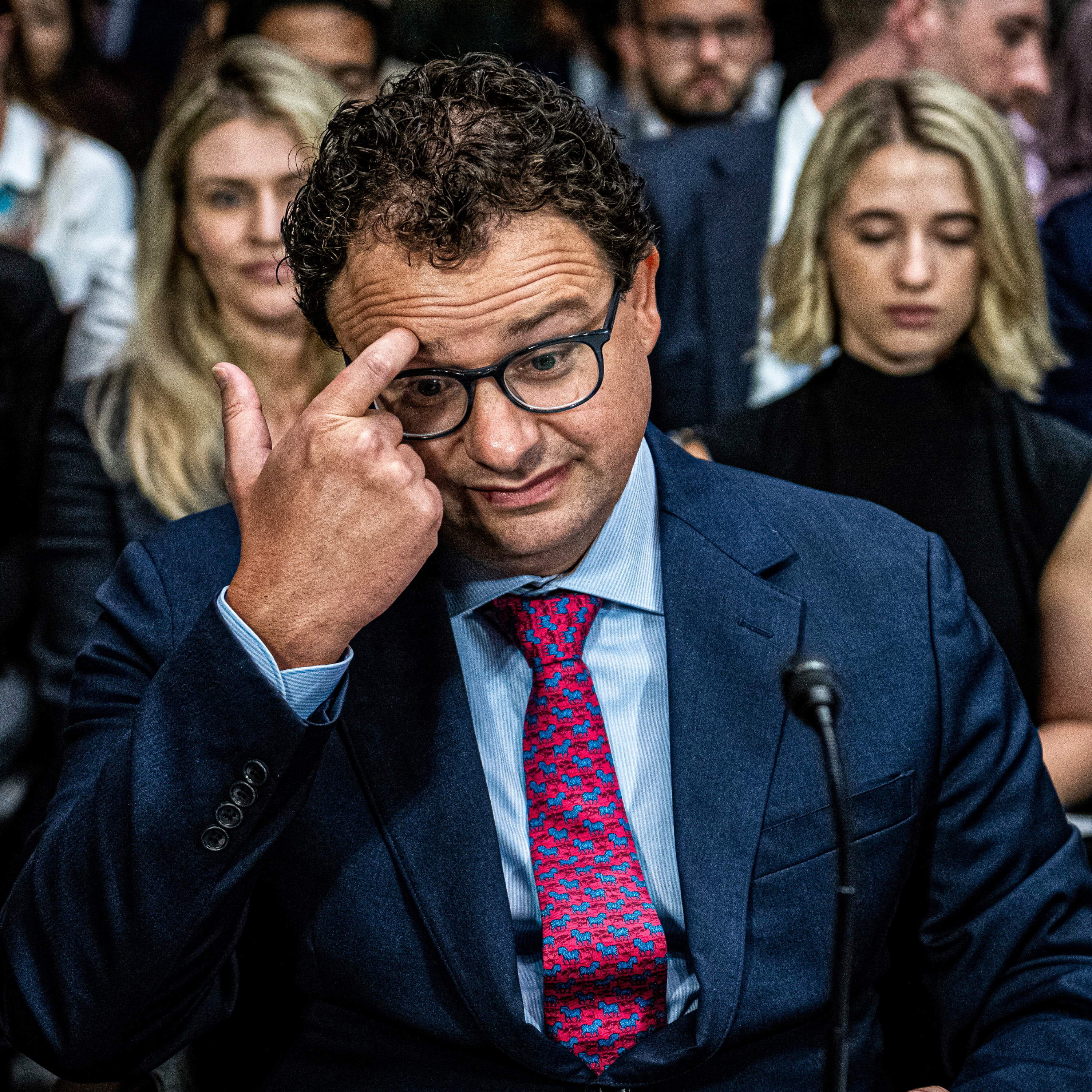
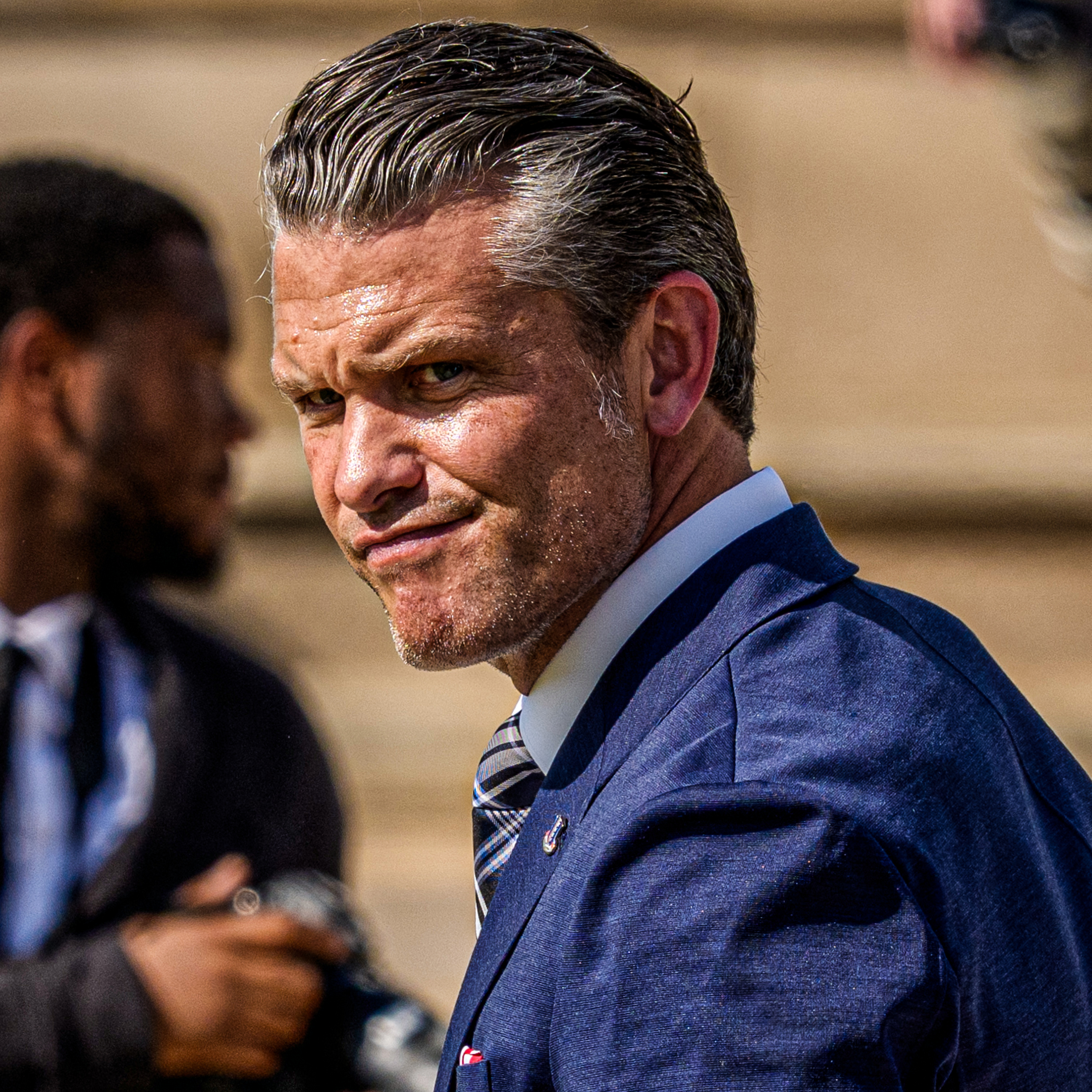
More To The Story: On Tuesday, House Republicans blocked a remarkable effort to impeach Defense Secretary Pete Hegseth led by a lone GOP legislator and supported by Democrats. The eight articles alleged that Hegseth violated the Constitution by waging war against Iran without congressional authorization, unlawfully capturing Venezuelan President Nicolás Maduro, and launching strikes on suspected drug boats in the Caribbean, among other charges. But the impeachment efforts failed. In his time as defense secretary, Hegseth has not only helped push the US into a deeply unpopular war with Iran, but he’s also started wars within the military itself. Under his leadership, the US military has ousted female and Black officers, blocked promotions for Black service members, reassigned the first woman to lead the Naval Academy, and targeted transgender service members and just about anyone who doesn’t fit his narrow definition of what constitutes a proper “warrior.” On a special episode of More T
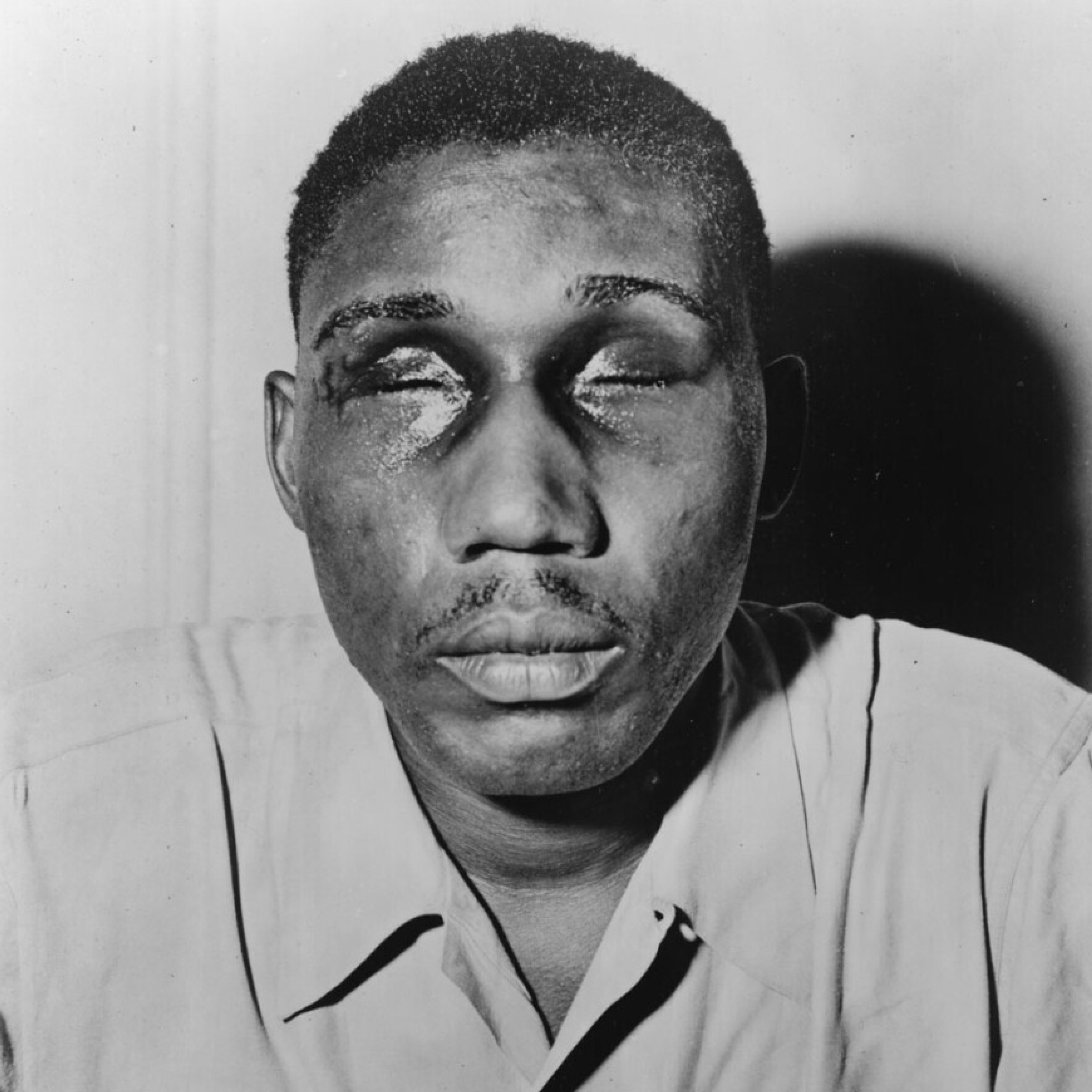
In 1946, a Black Army veteran was returning from World War II when a white police officer pulled him off a Greyhound bus and beat him blind. The details were fuzzy. No one was sure about the identity of the police officer. The veteran, Isaac Woodard, didn’t even know what town he was in when it happened. Radio host Orson Welles learned about the shocking crime and pledged to find the officer who did it. “We’ll call the policeman ‘Officer X,’” Welles said on his Sunday evening program. “He might be listening to this; I hope so. Officer X, I’m talking to you. Wash your hands. Scrub and scour, you won’t blot out the blood of a blinded war veteran.” This week on Reveal, the podcast Radio Diaries (https://www.radiodiaries.org/) brings us Woodard’s story, from his beating to the outrage that prompted the military’s desegregation. And to understand the experience of a Black servicemember today, we speak with Kyle Bibby, a Marine Corps veteran and co-founder of the Black Veterans Project. Supp
Patients should be told clearly when treatment benefits are modest or uncertain.
Share your view, then see how readers voted. No sign-in required. This poll is shared across stories.
Do you agree or disagree?
Common Quandary
A Common Quandary to discuss
Another conversation to explore, separate from this news story.
A likable but unreliable former employee lists you as a reference. How honest are you?
A former employee who was unreliable but personally likable lists you as a reference without asking. Their prospective manager calls and asks only whether you would hire them again.
How much truth do you owe a stranger when it may cost someone a fresh start?