Approach to nipple and breast pain in breastfeeding women
28 min
Listen through the publisher, then discuss the episode here or arrange an in-person Roundtable. Your city determines where to meet.
Roundtables are designed for groups of four, with a shared subject and room for everyone to speak. Come for discussion, with no dating expectation.
In this episode, Dr Karin Sekhon is joined by Dr Kate Moriarty for the second part of their discussion on breastfeeding, focusing on the approach to nipple and breast pain in breastfeeding women. They discuss the most common causes of nipple and breast pain, and highlight that mechanical factors such as suboptimal latch and nipple trauma from pumping are primary contributors. A thorough assessment of the baby’s attachment and, where relevant, breast pump flange fit was emphasised. Exploring the types of nipple and breast pain seen in clinical practice. They outlined four practical categorisation: mechanical, vascular, inflammatory, and infective causes. Dr Kate provided advice on identifying and managing latch issues, recognising and addressing nipple vasospasm, diagnosing and treating nipple dermatitis (often mistaken for thrush), recognising milk blebs, and managing infections including bacterial causes and rare HSV presentations. She clarified when nipple pain is expected in the postpartum period and when it should prompt further investigation. They also talked about the need to support women with clear, immediate care plans and timely referral when necessary. Addressing the emotional impact of breastfeeding difficulties and the value of understanding and supporting individual feeding goals. The importance of not normalising ongoing pain and providing evidence-based, empathetic care. Concluding with reminders not to normalise persistent nipple pain, the value of early intervention, and the importance of informed, supportive care for breastfeeding women. Links & Resources: Patients: the ABA websitehttps://www.breastfeeding.asn.au/resourceshttps://www.breastfeeding.asn.au/resources Clinicians: Pain - ABM Clinical Protocol #26: Persistent Pain with Breastfeedinghttps://www.bfmed.org/assets/DOCUMENTS/PROTOCOLS/26-persistent-pain-protocol-english.pdfhttps://www.bfmed.org/assets/DOCUMENTS/PROTOCOLS/26-persistent-pain-protocol-english.pdf Learn more at www.talkinghealthtech.com/podcast/network You can also find us on our Instagram page: @thegoodgppodcast.
Episode information is provided by the publisher. Listening takes place on the publisher’s service.
In Part 2 of this heartfelt series, Sage Robbins and her dear friend, podcast host turned surrogate, Mary B., dive intimately into the essence of forgiveness, exploring its profound impact on mental health and personal well-being. Sage shares how forgiveness has unlocked her inner freedom and helped her align with her true nature, while Mary offers a fresh perspective on transforming even everyday frustrations into opportunities for growth. Uploaded 16-08-24 - Links Mentioned - Inner Circle — Join to submit questions for future podcasts! https://tr.tonyrobbins.com/tric-now Ho'oponopono: The Hawaiian Ritual of Forgiveness by Ulrich E. Duprée Baby Reindeer dominates this year's TCA Awards nominations The Book of Forgiving: The Fourfold Path for Healing Ourselves and Our World by Desmond Tutu and Mpho Tutu This conversation addresses modern phenomena like cancel culture, encouraging listeners to look beyond actions and recognize the inherent innocence in each person. As Tony Robbins often
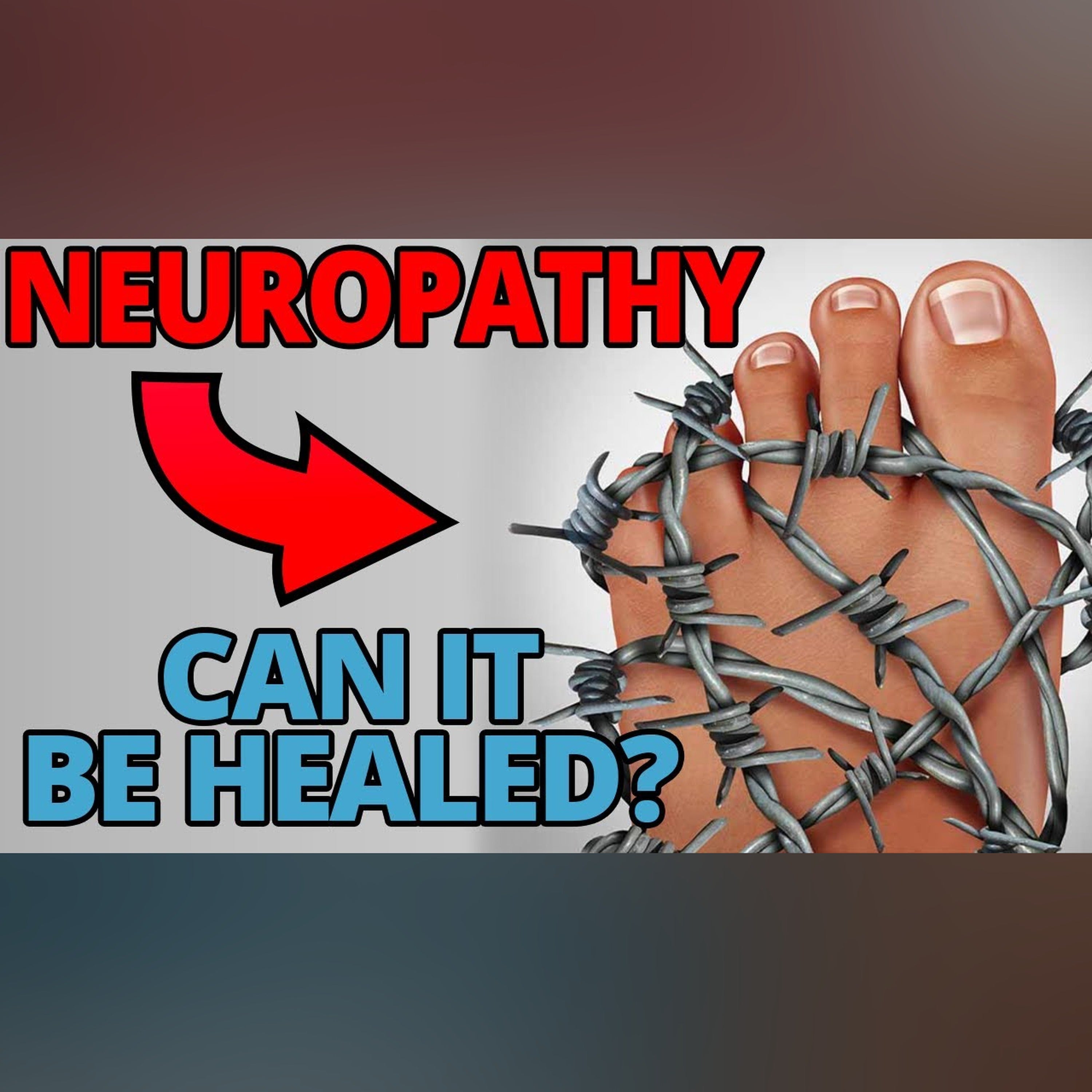
After breast cancer, chemotherapy, and multiple pain medications, Tammie felt hopeless to reverse her neuropathy. She used Consistently Keto to heal after 2 decades: https://bozmd.com/consistently-keto ********************************************* Thanks for checking out the Dr Boz Channel. Documentary American Traddiction Playlist: https://on.bozmd.com/AT Tune in Tuesday nights, 6PM Eastern/5PM Central to watch me Live! We improve health - One ketone at a time. Dr Boz’s ONLINE Course Consistently Keto: https://bozmd.com/shop Dr BOZ FAVORITES: http://on.bozmd.com/fav WAYS TO SUPPORT THIS CHANNEL: Share the Dr Boz content with people you love. Everyone wins when you share. Buy Dr Boz Products. Dr Boz Food Guide: http://on.bozmd.com/FoodGuide Buy a Keto Food Guide (Beginners love this!) Once you graduate beyond beginner, pass the guide to a keto-newbie. Dr Boz K2+D3: http://on.bozmd.com/k2d3 https://amzn.to/31lIlqL (affiliate link) Dr Boz Ketones-In-A-Can: Raspberry Lemon: http://on.bozm
Your free behavior course: https://nci.university/learn Uploaded 10-05-25 Exclusive NCI-4 (Grad School) Vault Release This is Behavioral Magnetics—the hidden force that draws you back to chaos, to patterns you swore you’d outgrow, to people who echo your oldest pain. It’s why peace feels boring. Why CALM makes you anxious. It’s not intuition—it’s your nervous system recycling what it knows. In this Grad School lecture, we uncover the 4 emotional magnets that shape who you trust, chase, or sabotage... even when it hurts. If you've ever said, “Why do I keep doing this?”—this is your answer. Why you're attracted to the wrong people The 4 types of emotional magnets How trauma rewires your compass Why peace can feel like withdrawal How to break free from recycled patterns Please note that the content provided in this broadcast is for informational and educational purposes only and should not be construed as legal, medical, financial, or professional advice. No material in this communication
"success is based off three fundamental keys, once seen they cannot be unseen." In this compelling episode, Jack shares the three keys to success that he discovered through years of selfdevelopment and introspection. Drawing from his extensive experience with selfhelp books and personal growth, he emphasizes the importance of commitment, positive selftalk, and forgiveness. He delves into practical steps, such as keeping promises to oneself, speaking kindly, and addressing guilt and regrets. He advocates for becoming the person one admires, focusing on inner qualities rather than external achievements. Jack Hopkins also highlights the impact of influencing others positively, emphasizing the reciprocal nature of inspiration. Throughout the video, he encourages viewers to face fear as a guiding system for change and growth. Concluding with the timeless trio of selfbelief, goalsetting, and action, he leaves you with a sense of empowerment and a call to embrace positivity and personal devel
Three decisions from three appellate courts in the Court of Appeal edition of Thursday 26 November 2026, with the New South Wales, Victoria, Queensland and South Australia editions folded in. Personal material published online about a woman is reported as legal doctrine only. Pryor v Smallwood [2026] FCAFC 150 (https://jade.io/article/1308824) is covered in the Federal Courts brief. Criminal Law Desk (opening story). Gavin Brown (a pseudonym) v R [2026] NSWCCA 193 - an aggregate sentence requires an evaluation, even in very broad terms, of the objective criminality of each offence; the course of conduct goes to totality only; unexplained indicative sentences (ground 5, conceded); 'looms large' not an inflexible approach to general deterrence; material error test obiter; on re-sentence, moral culpability markedly reduced, special circumstances, a combined 50% discount (s 23(2) Crimes (Sentencing Procedure) Act 1999 (NSW)), parity. Leave granted; appeal allowed; re-sentenced (Ward P, Ham
#JimRohnMotivation #JimRohn #JimRohnSpeech In this Jim Rohn Motivation video, Jim emphasizes the importance of planning and preparation before stepping into a new week. By setting clear goals, getting organized, and maintaining a positive mindset, you'll feel more in control and productive throughout your week.Take Control of Your Week: 5 Steps to Success (Written Version): https://lincolnandmeade.com/2024/10/20/take-control-of-your-week-5-steps-to-success/ Key Topics From This Motivational Video: - Taking control of your week - The 80/20 rule in productivity - Importance of clarity and focus - Scheduling priorities and tasks - Building a positive mindset Jim Rohn highlights that success doesn’t happen by accident; it’s the result of careful planning and design. He advises starting the week by setting clear priorities, organizing tasks, and focusing energy on high-value activities that will truly move you forward. Additionally, leaving margin for unexpected challenges and maintaining a
In this episode of The Good GP, host Dr Karin Sekhon is joined by Dr Kate Moriarty, a GP and lactation consultant, to discuss the modern approach to blocked ducts and mastitis in breastfeeding women. Focusing on the distinction between blocked ducts and mastitis, now recognised as points on a spectrum of breast tissue inflammation rather than simple ductal obstruction. One concept discussed was the updated understanding of breast physiology, with alveolar overdistension and inflammation being key contributors rather than milk stasis. They also identified the risk factors, particularly oversupply (hyperlactation), extended periods between feeds, and potential alterations in the breast microbiome. Exploring how unnecessary pumping and feeding practices can reinforce oversupply and contribute to inflammation. They also talked about management, including the move away from heat and deep massage (which may worsen inflammation) towards a hands-off approach using ice, analgesia, and supportiv
In this episode of This Could Save Your Life podcast, Dr Catherine Bourke is joined by Dr Tessa McLean for an in-depth discussion on the clinical relevance of breast density and its reporting in breast cancer screening. Focusing on the recent rollout of breast density reporting through BreastScreen programs across several Australian states, and what this means for patients and general practitioners. They talked about the clinical relevance of breast density for both cancer risk and the diagnostic performance of mammography. The masking effect of dense breast tissue can lower mammography sensitivity, making early cancer detection more challenging. They explored how GPs can support patients who receive a dense breast notification, recommending the use of validated breast cancer risk assessment tools like iPrevent for individualised risk evaluation. While breast density is one factor, several points were raised about the importance of considering other risk factors including family histor
In this episode of The Good GP, host Dr Ash Bowden is joined by Professor Rukshen Weerasooriya, Clinical Professor of Medicine at UWA and cardiac electrophysiologist, to discuss the updated management of atrial fibrillation (AF) and what this means for general practitioners. Professor Rukshen explains the recent introduction of pulsed field ablation, a non-thermal technique that has made AF ablation procedures faster and safer by reducing complications such as esophageal and nerve injury. This development has expanded the availability of ablation and changed practice guidelines, now recommending ablation earlier in a patient’s AF journey rather than as a last resort. Key risk factors and modifiable contributors to AF outcomes are discussed, including limiting alcohol, achieving weight loss (especially a 10% reduction for overweight patients), managing blood pressure, and treating sleep apnea. Also covering expected success rates, stressing that ablation is highly effective (up to 90% s
Universities should protect controversial speech unless it directly threatens or harasses others.
Share your view, then see how readers voted. No sign-in required. This poll is shared across stories.
Do you agree or disagree?
Common Quandary
A Common Quandary to discuss
Another conversation to explore, separate from this news story.
A stranger rings up fancy apples as the cheap kind. Do you mind your own business?
At self-checkout, the shopper beside you labels expensive organic apples as the cheapest variety. An employee is distracted nearby. The difference is only a few dollars, the store is a huge chain, and the shopper notices that you noticed.
When does witnessing a small cheat make it any of your business?