Listen through the publisher, then discuss the episode here or arrange an in-person Roundtable. Your city determines where to meet.
Roundtables are designed for groups of four, with a shared subject and room for everyone to speak. Come for discussion, with no dating expectation.
In this episode of The Good GP, host Dr Ash Bowden is joined by Professor Rukshen Weerasooriya, Clinical Professor of Medicine at UWA and cardiac electrophysiologist, to discuss the updated management of atrial fibrillation (AF) and what this means for general practitioners. Professor Rukshen explains the recent introduction of pulsed field ablation, a non-thermal technique that has made AF ablation procedures faster and safer by reducing complications such as esophageal and nerve injury. This development has expanded the availability of ablation and changed practice guidelines, now recommending ablation earlier in a patient’s AF journey rather than as a last resort. Key risk factors and modifiable contributors to AF outcomes are discussed, including limiting alcohol, achieving weight loss (especially a 10% reduction for overweight patients), managing blood pressure, and treating sleep apnea. Also covering expected success rates, stressing that ablation is highly effective (up to 90% suppression in ideal patients) but not curative, and early referral to a cardiac electrophysiologist, ideally within the first year of diagnosis, maximises patient benefit. Highlighting the key investigations to organise before referral: ECG, echocardiogram (especially for left atrial size and ventricular function), and Holter monitoring. The broader significance of AF is addressed, with its rising prevalence, elevated stroke and heart failure risk, and the psychological burden on patients underscored as reasons to prioritise detection and early, proactive management. Links & Resources: 2024 Cardiac Society of Australia and New (https://acrobat.adobe.com/id/urn:aaid:sc:AP:a023f28d-078e-41f9-9faf-b1916f7f8006)https://acrobat.adobe.com/id/urn:aaid:sc:AP:a023f28d-078e-41f9-9faf-b1916f7f8006Zealand Expert Position Statement (https://acrobat.adobe.com/id/urn:aaid:sc:AP:a023f28d-078e-41f9-9faf-b1916f7f8006) HEAD 2 TOES Management (https://acrobat.adobe.com/id/urn:aaid:sc:AP:51a4f7d6-ac9c-40cb-b5ae-067c438a55c0) The Good GP Podcast is a proud member of the Talking HealthTech Podcast Network - the premier audio destination for cutting-edge insights and thought leadership in healthcare delivery, innovation, digital health, healthcare ICT, and commercialisation. Learn more at www.talkinghealthtech.com/podcast/network You can also find us on our Instagram page: @thegoodgppodcast.
Episode information is provided by the publisher. Listening takes place on the publisher’s service.
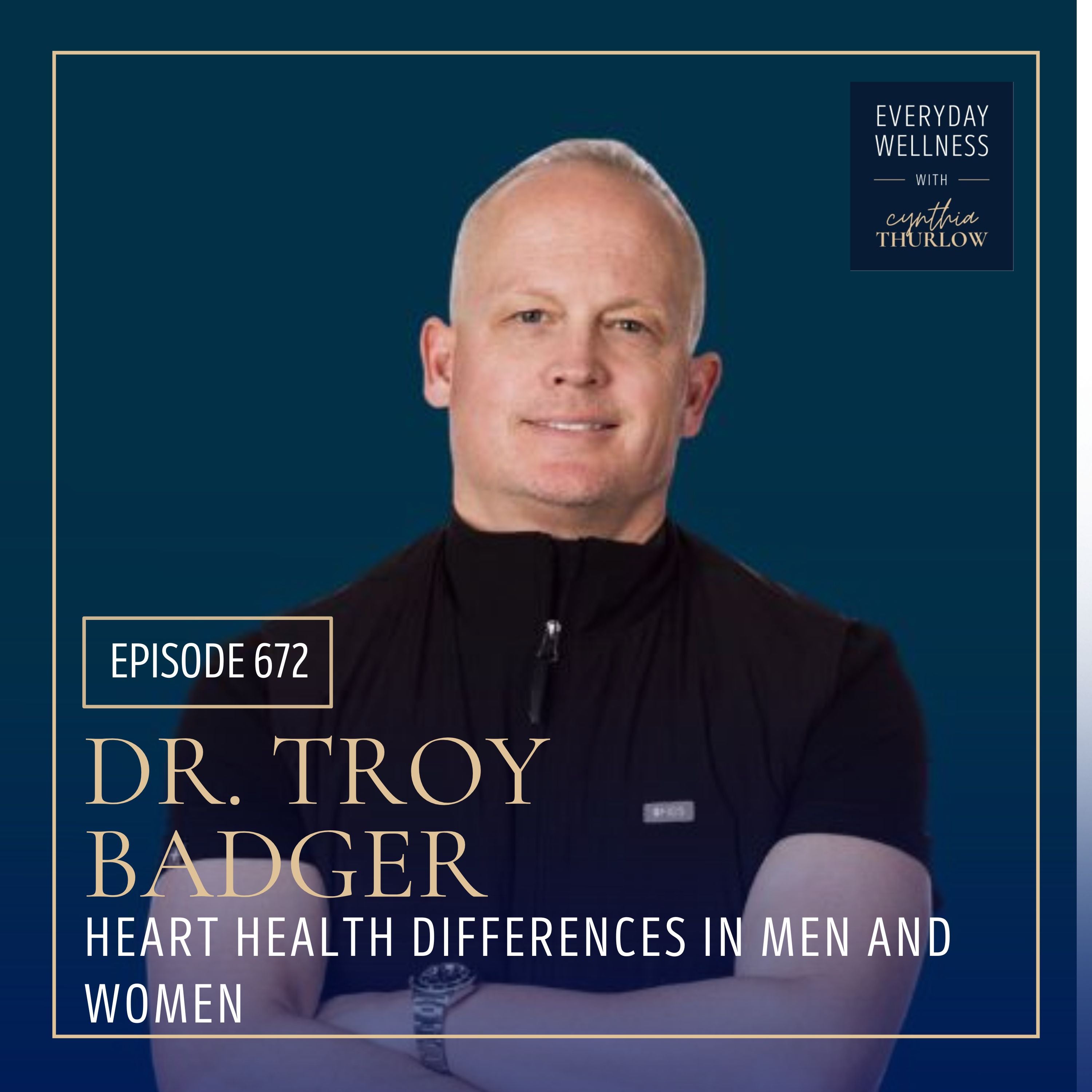
Today, I’m honored to connect with Dr. Troy Badger. He is a board-certified cardiologist and interventionalist and the founder of Cardiostrong, a concierge preventive cardiology clinic in Provo, Utah, focused on reducing cardiovascular risk, optimizing metabolic health, and improving strength and cardiorespiratory fitness for executives and athletes. In today’s conversation, we discuss Dr. Badger’s gender- and age-specific approach to heart health, including treatment differences for men and women, and diagnoses such as INOCA, SCAD, vasospastic disease, and Takotsubo. We examine emotions and their influence on heart health, coronary ischemia and cardiomyopathies, labs and diagnostics, how Dr. Badger assesses risk in his patients, and the differences between a CAC and a CCTA. Dr. Badger also shares the labs he finds essential for all patients and discusses the role of VO2 Max, cardiovascular training, and lifestyle—specifically nutrition, the use of GLP-1 drugs, and a multidisciplinary
This is a special edition of Keto Consults with Dr. Boz and Jennifer Marie all about updating our audience on Jennifer’s Keto Journey. We’ve spent a lot of our recent time together talking about all different topics relating to the Keto Diet. I encourage you to watch the playlist “Best of Live with Dr. Boz”. It’s a collection of the best topics that we’ve covered on this show: https://bit.ly/2JVWhSj This episode however is all about Jennifer as we try and keep everyone up to date on her Keto Journey. Thanks for tuning into my channel. Find more stories and information at my website: www.BozMD.com BOOK-LINK - ANYWAY YOU CAN. AUDIBLE: https://adbl.co/2SLLfS1 PAPERBACK= (Affilate link) https://amzn.to/2rf1fPP The most common questions I get ... 1) "Doc, what BLOOD METER do you recommend?" ANSWER: FORACARE: http://bit.ly/2QKGmKG For years my diabetics told me this system was great. I tried several others before I bought this one. I can't count the number of times I have tested my blood onl
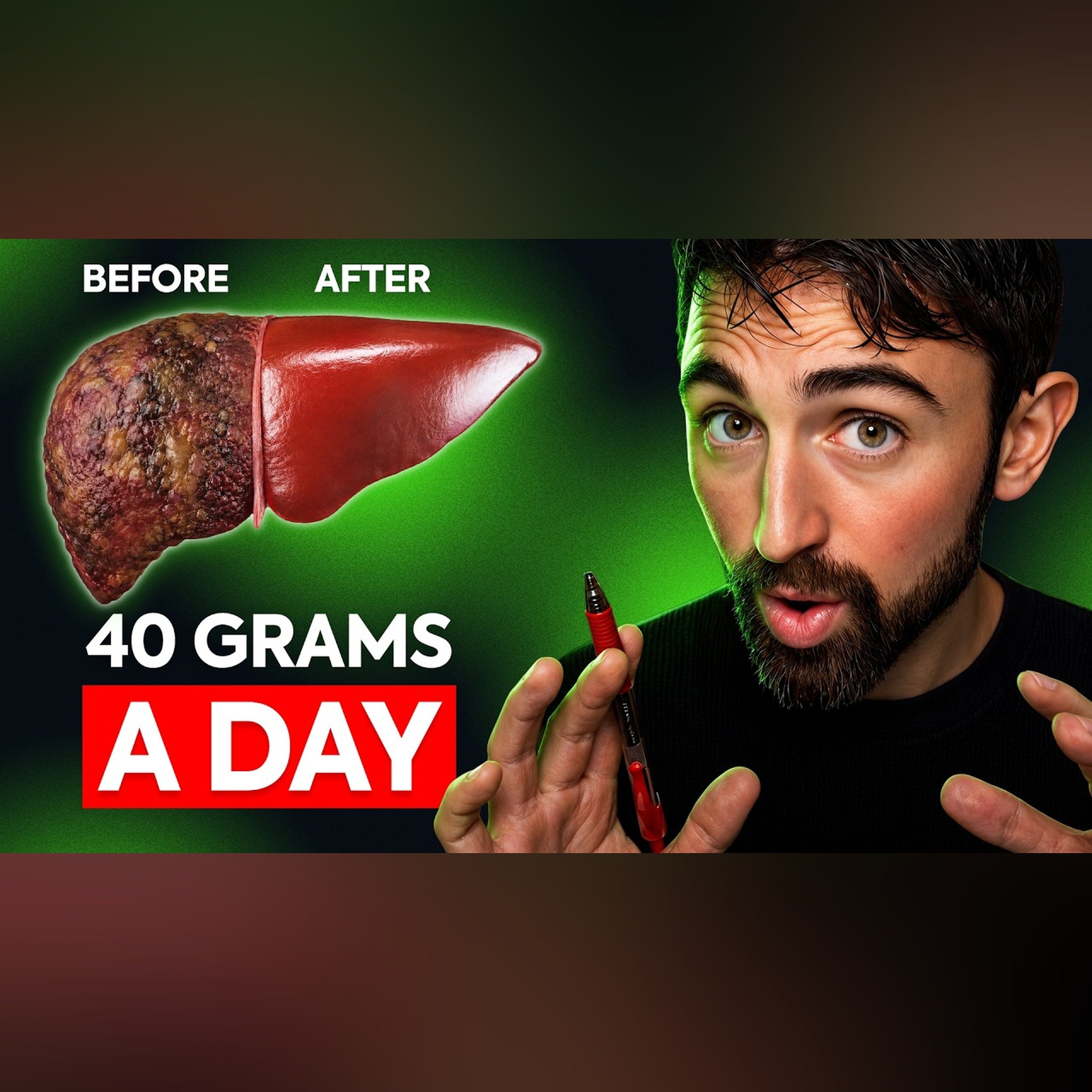
For all references, extra nuances, and early access to breakdowns like this, see the associated newsletter: https://staycuriousmetabolism.substack.com/p/shrink-visceral-fat-by-feeding-your?r=40ekz2 Winnow Microplastic Binding Probiotic: https://www.winnowlabs.com/STAYCURIOUS Microplastics and Heart Health, Letter https://staycuriousmetabolism.substack.com/p/microplastics-in-my-heart-its-worse?r=40ekz2 Microplastics and Brain Health, Letter: https://staycuriousmetabolism.substack.com/p/this-graph-changed-how-i-think-about?r=40ekz2 Description: In this video we examine the scientific evidence behind resistant starch, including randomized controlled trials showing reductions in body weight, total fat mass, and visceral fat measured by MRI—even when calorie intake remains controlled. We also explore the biological mechanism, including how changes in the gut microbiome may drive these effects. But there’s an important twist: not everyone responds the same way. We’ll look at new research exp
#JimRohnMotivation #JimRohn #JimRohnSpeech In this Jim Rohn Motivation video, Jim Rohn delves into the transformative power of personal development, emphasizing how consistent self-improvement can lead to unparalleled success and fulfillment. Key Topics From This Motivational Video: The importance of setting clear, achievable goals Developing a strong personal philosophy The impact of daily disciplines on long-term success Overcoming challenges through mindset shifts Building lasting relationships through effective communication Jim Rohn's insights in this video highlight the significance of taking responsibility for one's own growth. He discusses how cultivating a positive mindset and adhering to daily disciplines can create a foundation for success. By focusing on personal development, individuals can navigate challenges more effectively and build meaningful connections. This Jim Rohn Motivational Video Is Perfect For: Individuals seeking to enhance their personal growth journey Prof
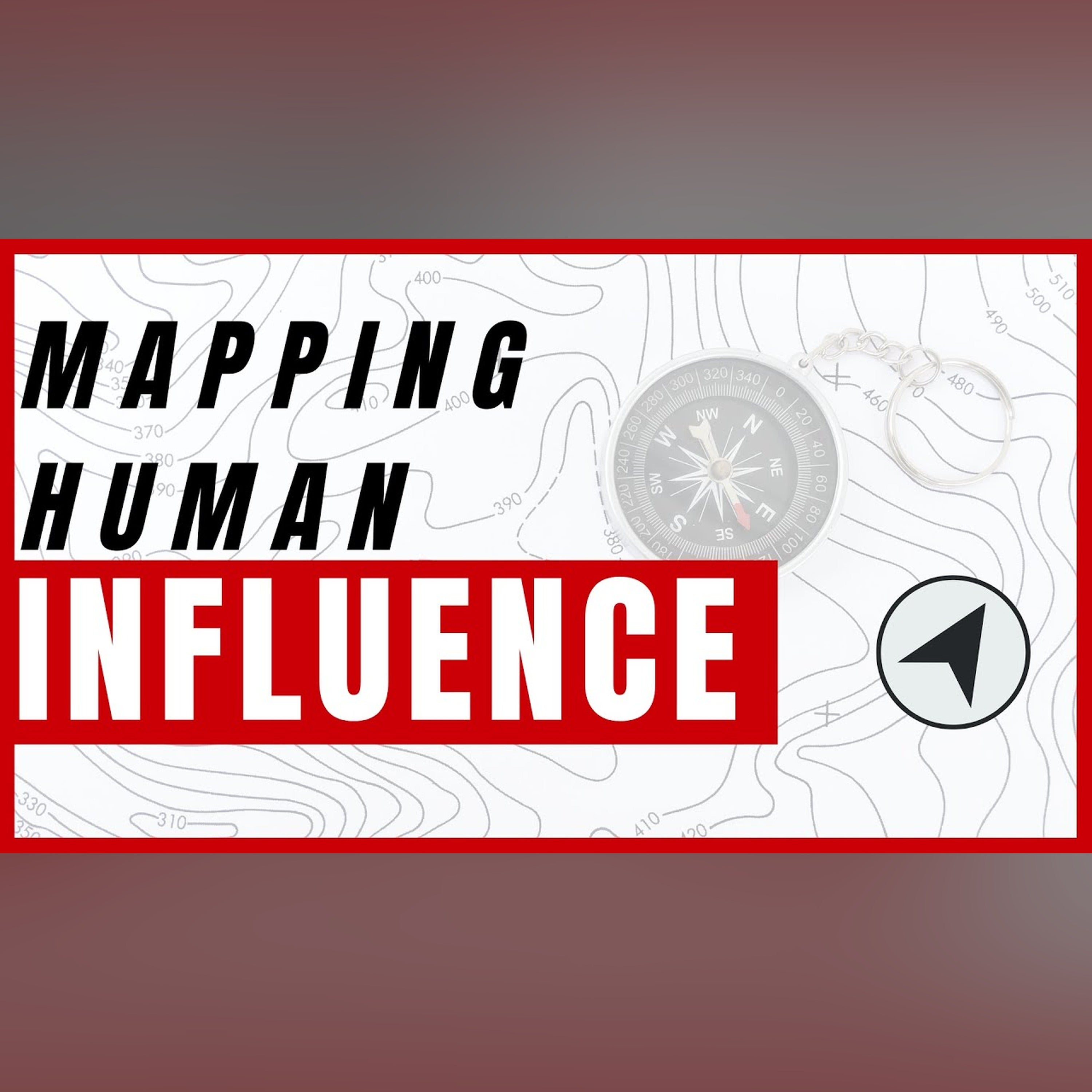
Join NCI University today to master human behavior and influence: Uploaded 02-11-22 Too much time has passed, and I've wanted a map for human influence and persuasion, so I built one - and it works everywhere. THE FOCUS VIDEO: https://www.youtube.com/watch?v=n5poKK4lR5c Join me at an upcoming course! Looking back, everyone can locate failure and success. What most people don't realize is that you can also trace back success and failure to human behavior factors alone. These skills are so vital to life that I've dedicated my life to exploring and building this field into a transformational system that will radically transform the RESULTS you get from the world. I hope to see you in the next one! ️ C Chapters: 0:00 - Introduction 1:43 - The essence of mapping human Behavior TAGS: persuasion, influence, psychology, Chase Hughes, behavior panel, Scott rouse, greg Hartley, mark Bowden, Spidey, hypnosis, profiling, body language, sales
A.I. for Building Self-esteem: Seeing Yourself More Clearly and Kindly, a practical, beginner-friendly look at how artificial intelligence can help you see yourself a little more clearly and kindly. Building Self-esteem? Press play on Episode 427 of A.I. for Beginners and learn exactly how artificial intelligence, especially ChatGPT, alongside a journaling app, can help you see yourself a little more clearly and kindly. WHAT YOU WILL LEARN IN THIS EPISODE - Why building self-esteem is so hard to handle alone, and what is actually going on underneath it - A specific way to use a journaling app to work through it, step by step - An example prompt you can copy word for word: "Help me notice when I'm judging myself far harsher than I'd judge a friend" - A second practical technique, with another ready-to-use prompt: "Help me write down three qualities I actually like about myself, beyond achievements" WHO THIS EPISODE IS FOR - Anyone currently working on building self-esteem - Anyone curio
In this episode of The Good GP, host Dr Karin Sekhon is joined by Dr Kate Moriarty, a GP and lactation consultant, to discuss the modern approach to blocked ducts and mastitis in breastfeeding women. Focusing on the distinction between blocked ducts and mastitis, now recognised as points on a spectrum of breast tissue inflammation rather than simple ductal obstruction. One concept discussed was the updated understanding of breast physiology, with alveolar overdistension and inflammation being key contributors rather than milk stasis. They also identified the risk factors, particularly oversupply (hyperlactation), extended periods between feeds, and potential alterations in the breast microbiome. Exploring how unnecessary pumping and feeding practices can reinforce oversupply and contribute to inflammation. They also talked about management, including the move away from heat and deep massage (which may worsen inflammation) towards a hands-off approach using ice, analgesia, and supportiv
In this episode of This Could Save Your Life podcast, Dr Catherine Bourke is joined by Dr Tessa McLean for an in-depth discussion on the clinical relevance of breast density and its reporting in breast cancer screening. Focusing on the recent rollout of breast density reporting through BreastScreen programs across several Australian states, and what this means for patients and general practitioners. They talked about the clinical relevance of breast density for both cancer risk and the diagnostic performance of mammography. The masking effect of dense breast tissue can lower mammography sensitivity, making early cancer detection more challenging. They explored how GPs can support patients who receive a dense breast notification, recommending the use of validated breast cancer risk assessment tools like iPrevent for individualised risk evaluation. While breast density is one factor, several points were raised about the importance of considering other risk factors including family histor
Synthetic images and videos should carry clear labels when presented as real events.
Share your view, then see how readers voted. No sign-in required. This poll is shared across stories.
Do you agree or disagree?
Common Quandary
A Common Quandary to discuss
Another conversation to explore, separate from this news story.
You are training the software that may replace your team. Do you warn them?
A manager is asked to help test software that could eliminate several jobs on their team. Leadership insists the project is uncertain and confidential, while employees are making major financial decisions.
When does loyalty to colleagues override professional confidentiality?