ASK550: What if I never buy at all? PLUS: Which number should I judge a deal on?
10 min
Listen through the publisher, then discuss the episode here or arrange an in-person Roundtable. Your city determines where to meet.
Roundtables are designed for groups of four, with a shared subject and room for everyone to speak. Come for discussion, with no dating expectation.
What do you do when there's always another reason not to buy your first investment property? And which figure deserves your attention when you're comparing deals? It's Tuesday! Which means it's time for another episode of Ask Rob & Rob. (00:19) Charlie has had a deposit ready for a while, but first mortgage rates and then the Renters' Rights Act spooked him. Should he give up and put it all in his stocks and shares ISA instead? Rob D shares who to lean on when the doubts creep in, and Rob B suggests a different kind of fear that might get him over the line. (04:25) Tom is lining up new deals. Should he judge them on gross yield, or on the net return his cash makes? Rob B explains when each number earns its place, and Rob D points to two more that most investors never look at. Enjoy the show? Got a question? DM us a video message on Facebook (https://www.facebook.com/propertyhubuk/) or Instagram (https://www.instagram.com/propertyhubuk/)
Episode information is provided by the publisher. Listening takes place on the publisher’s service.
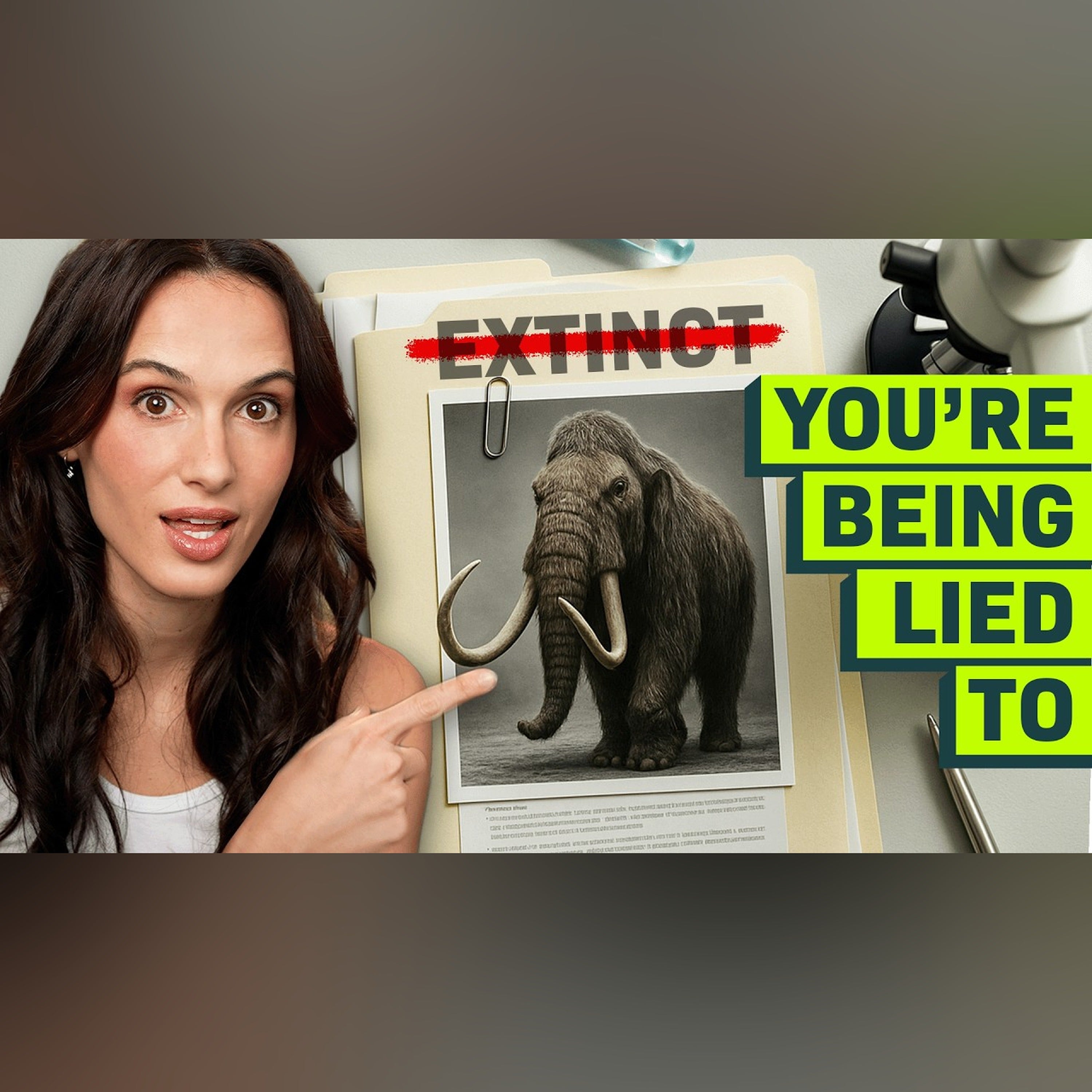
The real story about “de-extinction”... The Tasmanian tiger was declared extinct in 1982. But now… scientists are trying to bring it BACK. And it’s not alone! You might’ve seen news about dire wolves, woolly mammoths, passenger pigeons… dodo birds… dinosaurs?? “De-extinction” has become a huge and urgent scientific debate. But when I took a deep dive into what’s really going on here, I realized we're getting this conversation very, very wrong. We're on the cusp of a huge genetic breakthrough… and yet the most "huge if true" thing happening here isn’t bringing back extinct animals. It's what this means for all the animals alive today! And very few people seem to know about it… Chapters: 00:19 Can we bring back extinct animals? 01:22 Can we bring back a mammoth? 02:24 Is Jurassic Park possible? 05:44 Are Dire Wolves brought back from the dead? 6:26 What is de-extinction? 09:04 How do we save cute little animals? 11:08 Is the Tasmanian tiger coming back? 12:50 When is it ok to bring back
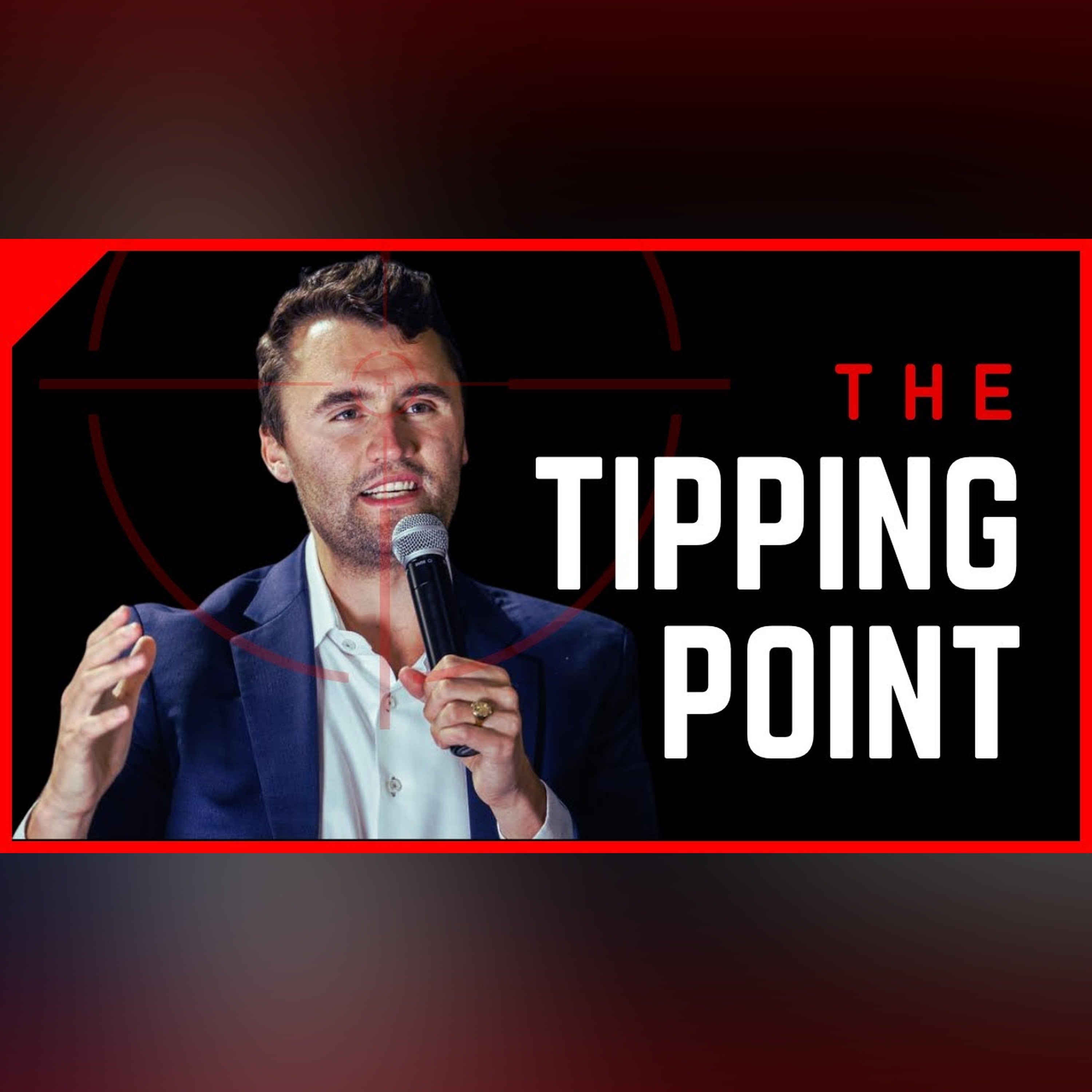
Charlie Kirk’s assassination will dominate the headlines—but before the truth is even clear, the disinformation machine is already spinning. This video exposes how suppression, radicalization, and division are weaponized—not by ideology, but by systems designed to keep you outraged, divided, and distracted. Uploaded 11-09-25 We’ll reveal: • Why suppression is the biggest red flag in history—and why it always signals weakness, not strength. • How highly suggestible people are radicalized—not by one side or the other, but through media outrage loops, algorithmic echo chambers, and deliberate manipulation. • The illusion of “left vs. right”—a distraction designed to pit neighbors against each other while corruption, corporate power, and elites escape untouched. • The common ground we all share: freedom, safety, stability, fairness—and what none of us want: corruption, endless wars for profit, elites with different rules, surveillance states, and justice systems that bend for the powerful
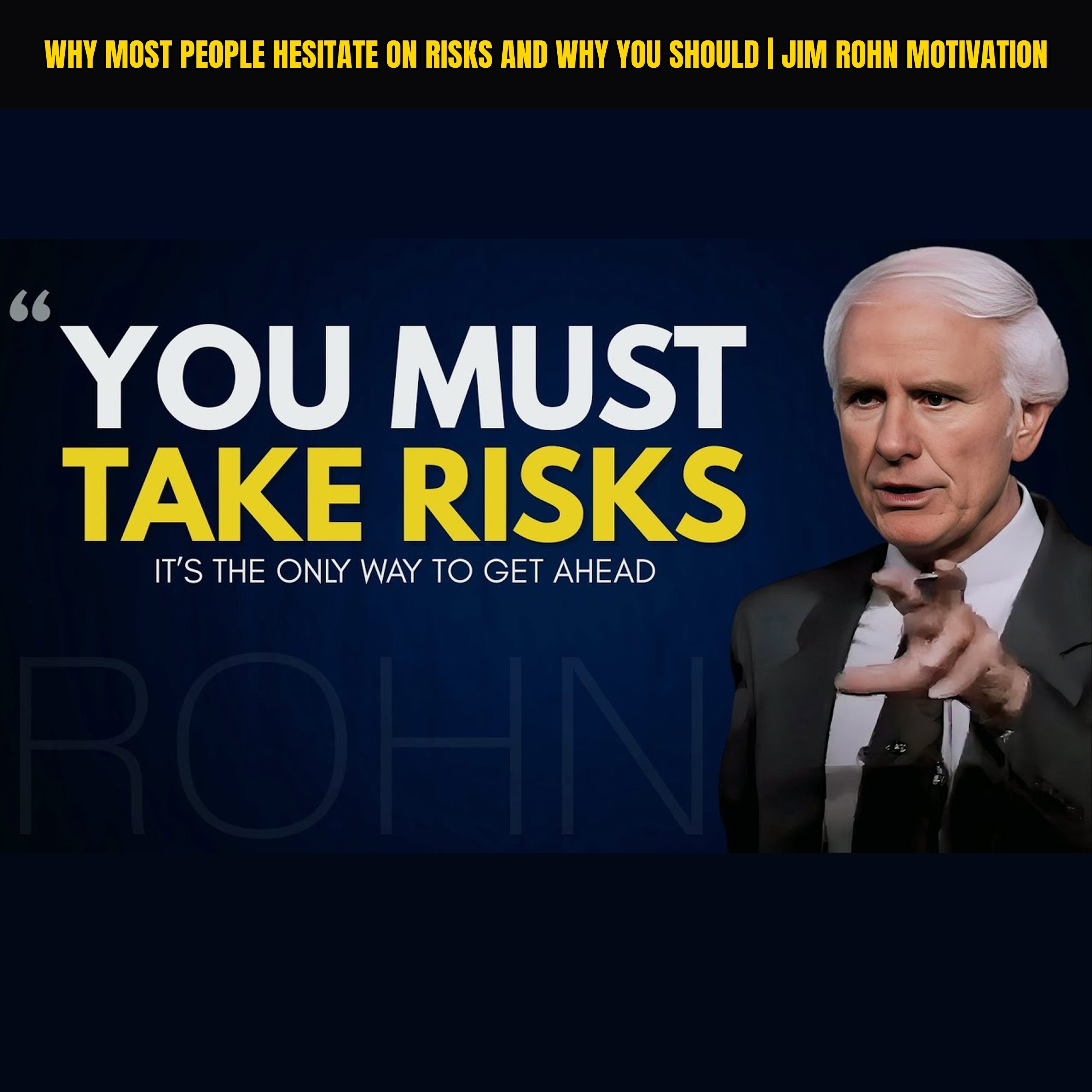
#JimRohnMotivation #JimRohn #JimRohnSpeech In this Jim Rohn Motivation video, discover the truth behind why **most people never reach their potential**—not because they lack ambition, but because they’re paralyzed by fear and the need for certainty. Jim Rohn teaches us that success is not guaranteed—it’s earned through bold action and personal conviction. Key Topics From This Motivational Video: Why waiting for certainty leads to wasted potential The hidden cost of playing it safe How to reframe risk as the gateway to growth Why hesitation, not failure, is the real threat How to move forward despite fear and uncertainty This Jim Rohn motivational video challenges the idea that safety is strength. You’ll learn how risk isn't your enemy—it’s the price of transformation. Jim reminds us that clarity and confidence come *after* action, not before. If you’ve been waiting for the “right time,” this is your sign to move now. This Jim Rohn Motivational Video Is Perfect For: Those stuck in overt
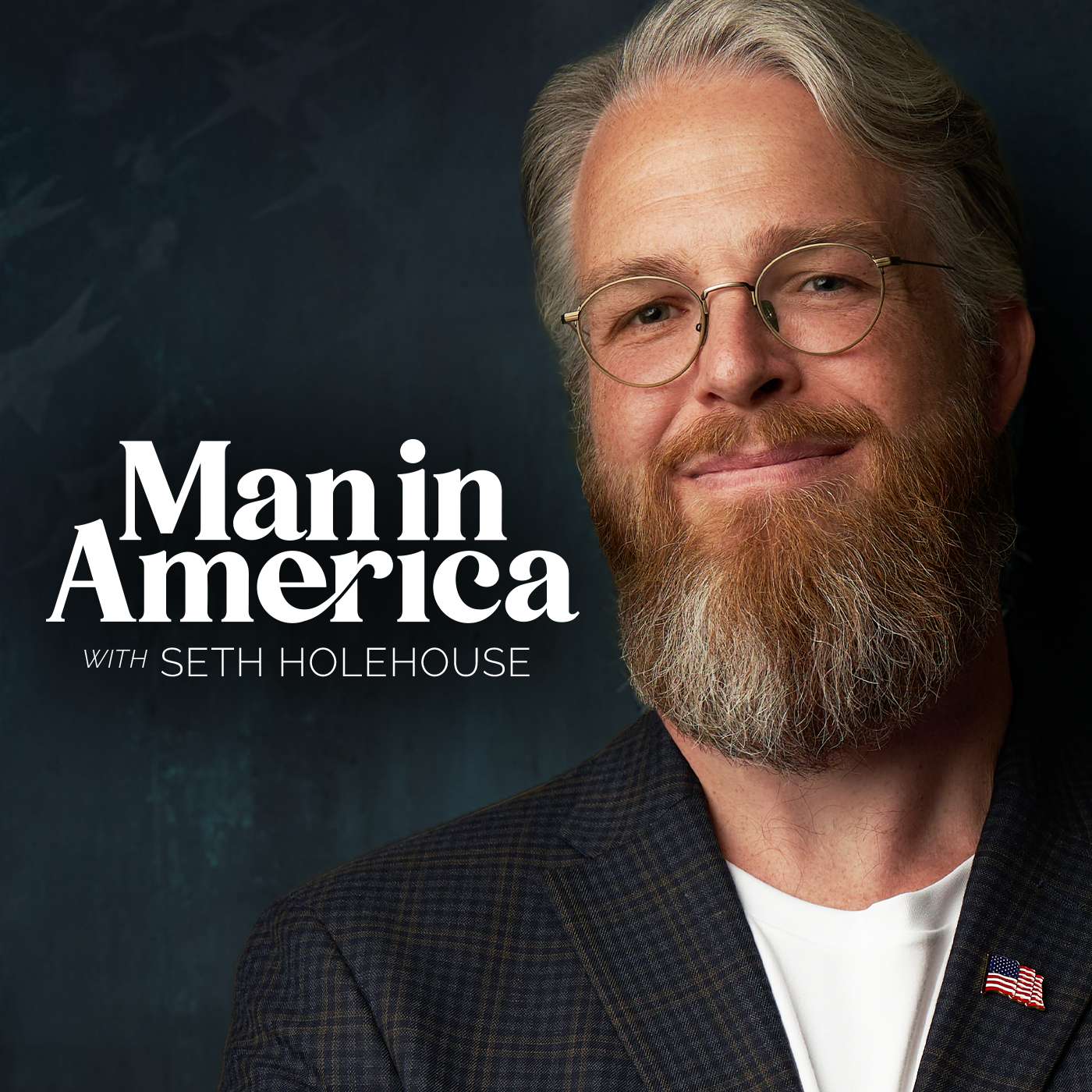
This is a replay of my interview with Dr. Bryan Ardis. For centuries, tobacco and nicotine were used in medicine to treat a range of diseases. So how did they become public enemy number one? Dr. Ardis joins me to dig into the history of nicotine, Big Pharma's influence, and the claims that commercial tobacco products were deliberately altered to protect the pharmaceutical industry's interests. Here's where I buy my Nicotine patches. Kimchi One from Brightcore – Health Starts in the Gut WEEKLY MAN IN AMERICA PODCAST SCHEDULE: Tuesday, Thursday, Saturday & Sunday 6:00PM PT / 8:00PM CENTRAL / 9:00PM ET #podcast #prepare #sethholehouse #maninamerica #independent DISCLAIMERS: I hope you do! PROTECT YOUR FINANCES: STAY HEALTHY: -- Kimchi One from Brightcore – Health Starts in the Gut you all! Use code SETH to save. – Buy Dr. -- Got pets? You probably got parasites too. BE PREPARED NOW: -- Are you ready for what’s coming? Take the FREE Ready Score test here:https://readyscore.com/ FOLLOW SETH
Countries are leaving the UN's annual climate summit without reaching an agreement after the European Union and others rejected the final deal. As Candice Cole reports, the biggest sticking points were around fossil fuels. Washington's governor has called the video of two people being arrested by ICE at an airport in Seattle "chilling." Heidi Petracek reports on the cancellation of a federal government program that helped community groups sponsor and support refugees coming to Canada. David Murdock on the election of the new Liberal leader in Nova Scotia. Melissa Ridgen reports on warnings from the trucking industry that bridge and overpass strikes in Western Canada are only going to get worse. Heather Yourex-West takes us through the new Airbnb rules and what they mean for hosts and guests. Plus, Felicia Parrillo introduces us to three Montreal students who won an international NASA competition.
Overnight world leaders have walked away from the COP31 summit without a deal. After the longest negotiation in COP history, several countries - including the 27-nation European Union - declared they couldn't accept a draft from the joint Turkish-Australian leadership that didn't mention fossil fuels. Then, Defence Minister Richard Marles has criticised the US Congressional Budget Office over a report that says the AUKUS pact will decrease the number of attack submarines available to the US navy. We hear from the report's author.
A rate rise at home, a heavy midterm defeat in the US, and a downturn warning from Australia... Rob & Rob explain why November's increase barely registered with lenders, and why the price of oil could do more for your mortgage than anything the Bank of England decides. They also look at why Australia is braced for one of its worst housing crashes on record, and what that contrast says about the UK market. (00:46) Interest rates are up to 4%. So why did some lenders cut their mortgage rates? (04:51) Has the Bank of England made the right call? (07:05) Mid-purchase or remortgaging? What the rise means for the figures you've been quoted (07:48) Could a political defeat in the US end up lowering mortgage rates in the UK? (10:02) How much of the UK's inflation problem comes down to the price of oil? (15:35) One of Australia's biggest banks is calling a 14% fall. Is it just doom-mongering? (19:22) The affordability numbers that make London look like a bargain (22:54) What a crash down under
Can you buy with confidence in a city you've never lived in? And with flats having a bad press, should you be selling yours? Rob & Rob tackle both on this Tuesday's Ask Rob & Rob. (00:17) Robin lives in London but finds it unaffordable, so is looking at places like Coventry and Nottingham. But how do you get to know an area from a distance? Rob D reveals the free tool he calls his secret weapon, and Rob B explains how to get a straight answer from local letting agents. (03:55) Aleem wrote in to our Sunday Times column. With flats trailing for the past decade, should he sell his and buy houses instead? Rob D separates the temporary factors holding them back from the permanent ones, and Rob B explains why he still buys both. Enjoy the show? Got a question? Send it in here (https://propertyhub.net/ask/)
Last year one man paid an estimated £330 million in tax. This year, the UK will get nothing... Rob & Rob ask what happens to everyone else when the wealthy leave the country. They also put a landlord survey on management time to the test, and share how AI came to the rescue when both their boilers broke. (02:14) The global league table the UK now tops, and it's not one to celebrate (06:15) Rob & Rob agree with Gary's Economics on the problem. So where do they part ways? (12:52) Would a 2% yearly tax on fortunes over £10 million raise as much as promised? (16:58) How many hours a month do landlords say they spend managing property? Rob B has his doubts (23:07) Paying an agent 10% or hiring a PA? Rob D explains which works out cheaper on his portfolio (28:14) The £5,000 boiler quote Rob D questioned, and what one AI prompt turned up (31:31) Rob B takes the cover off a boiler for the first time. What could go wrong? Links mentioned: Rokos to leave UK for Greece - Hedgeweek (https://www.he
Preventing medical errors requires changing systems as well as holding individuals accountable.
Share your view, then see how readers voted. No sign-in required. This poll is shared across stories.
Do you agree or disagree?
Common Quandary
A Common Quandary to discuss
Another conversation to explore, separate from this news story.
The restaurant forgot your expensive entrée. Do you point it out?
After a crowded dinner, you notice the restaurant omitted your most expensive entrée from the bill. Service was slow, the server seemed overwhelmed, and correcting it may create trouble for the person who made the mistake.
Does protecting someone from consequences ever justify benefiting from their error?