Batteries, Blockades, and Taiwan’s Energy Security Challenge
Listen through the publisher, then discuss the episode here or arrange an in-person Roundtable. Your city determines where to meet.
Roundtables are designed for groups of four, with a shared subject and room for everyone to speak. Come for discussion, with no dating expectation.
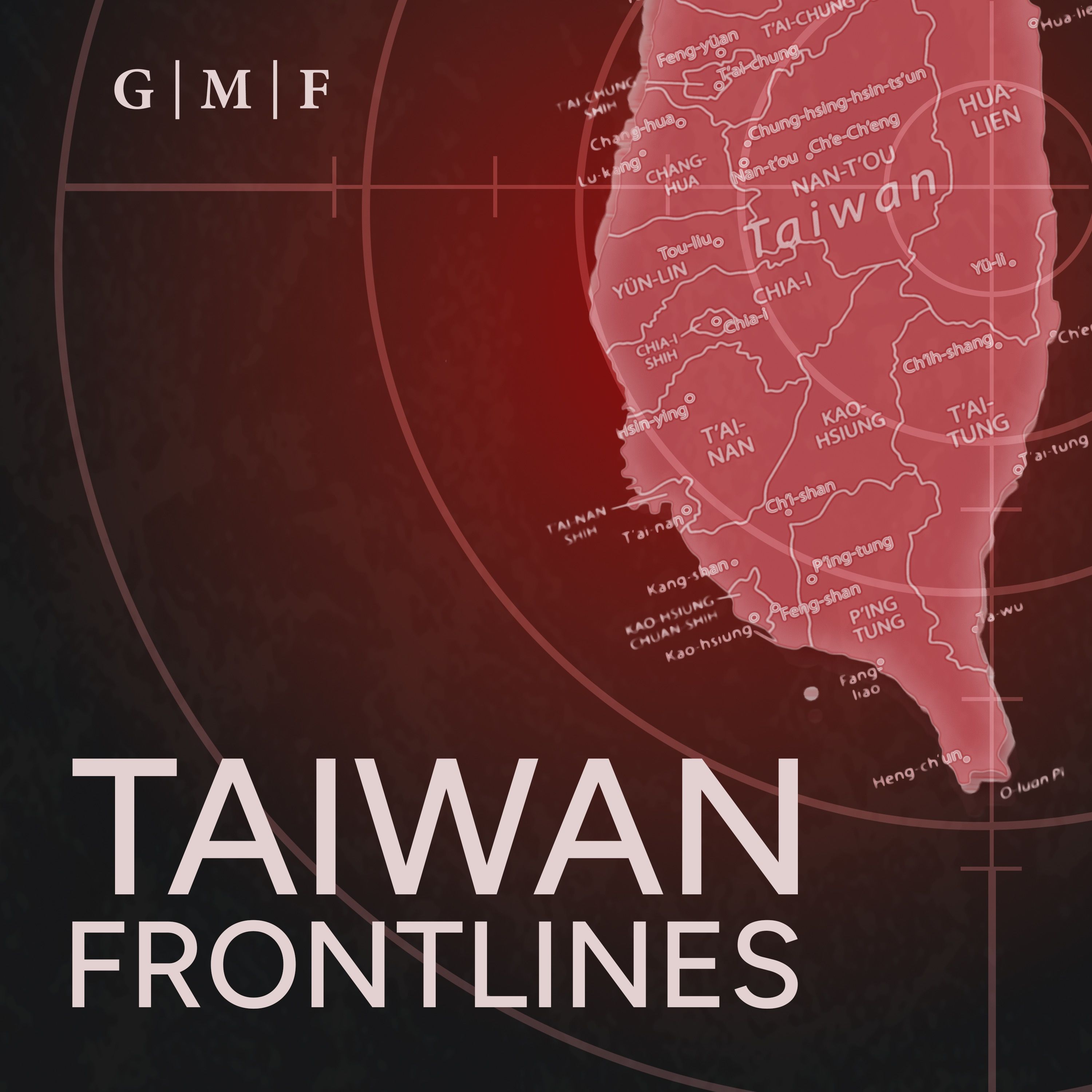
Today we’re going to talk about an issue that sits at the intersection of energy, technology, and national security: Can Taiwan’s silicon shield survive without an energy shield? Our guest is Phil Chen, CEO of Cold Electric, a battery technology company, and investor who has been thinking deeply about Taiwan’s energy resilience. Phil recently published an essay titled “Security, Time, and Truth,” which makes a provocative argument: Taiwan’s semiconductor industry may be one of its greatest strategic assets, but that asset ultimately depends on something much more fundamental—the electricity required to keep the fabs, data centers, communications networks, and critical infrastructure running. His formulation is memorable: “Batteries buy time. Fuel and nuclear buy security. Price buys truth." Today we want to explore what happens to Taiwan in a blockade or quarantine scenario if energy imports are disrupted, whether nuclear power should be understood as a national-security asset, what batteries and distributed energy can realistically accomplish, and ultimately whether energy resilience itself can contribute to deterrence. Timestamps: [00:00] Introduction [02:00] Silicon Shield’s Achillies Heel [04:07] Coal as a Backup Supply for Taiwan [06:05] Preparing for a Blockade Scenario [07:49] Building Taiwan’s Energy Resilience [10:09] Betting on Nuclear Power [12:36] Battery Capabilities and Storage Capacity [18:09] Backup Plan to a Failed Microgrid [20:19] Fast-tracking a Microgrid [21:34] Policy Alignment in the US [24:49] Unpacking Price by Truth [29:14] How Enterprises Should Be Involved
Episode information is provided by the publisher. Listening takes place on the publisher’s service.
Listen at the source ↗