English-language podcasts

Iran: The Latest

‘Beirut is where the US-Israel-Iran war really began’ | Kim Ghattas on the Middle East conflict

46 min

Listen through the publisher, then discuss the episode here or arrange an in-person Roundtable. Your city determines where to meet.

Roundtables are designed for groups of four, with a shared subject and room for everyone to speak. Come for discussion, with no dating expectation.

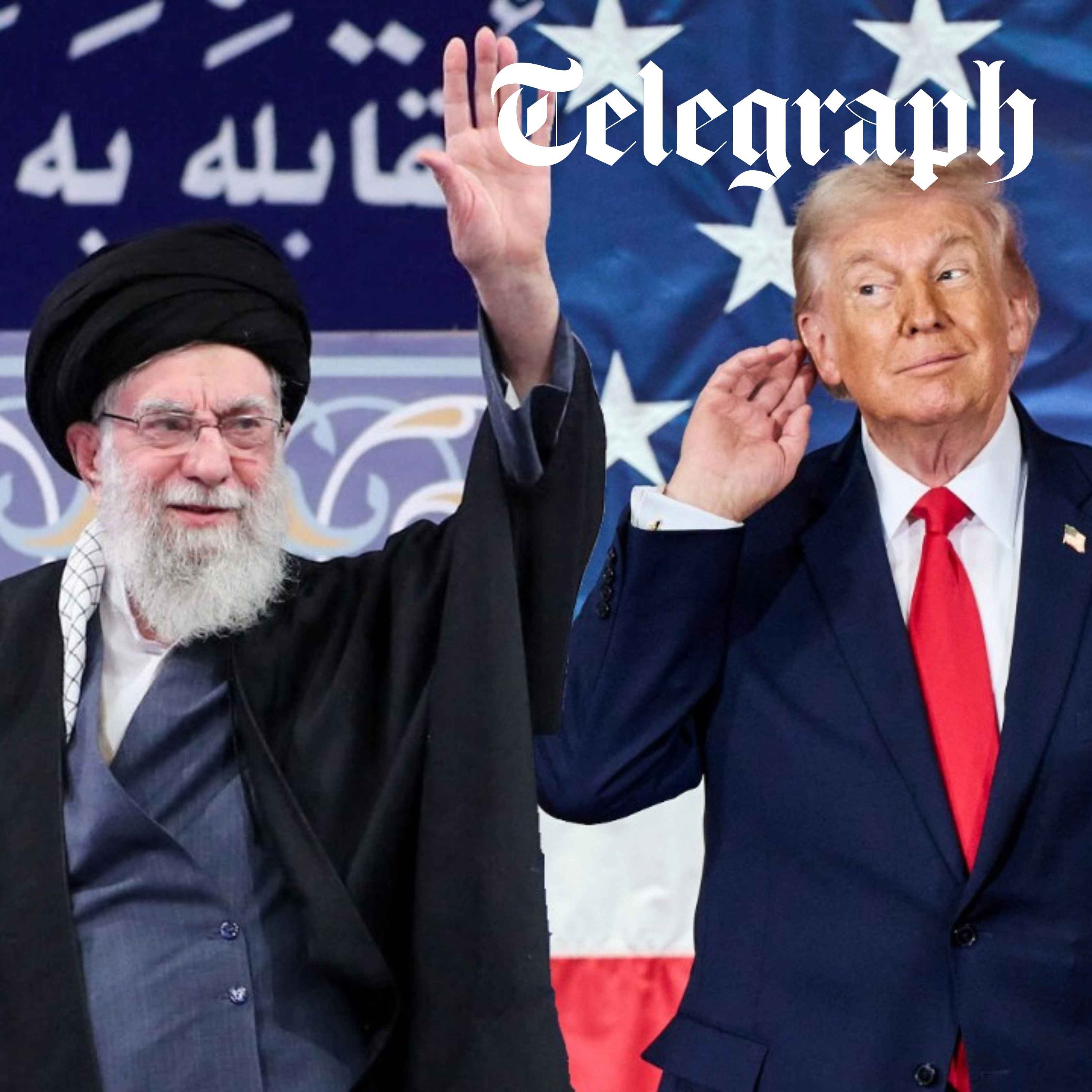
‘This is where the US-Israel-Iran war really began’ On today’s episode of Iran: The Latest, Venetia Rainey speaks to veteran Middle East journalist Kim Ghattas about Donald Trump’s stunning US midterm election losses, JD Vance demanding an end to the Iran war, and what it all means for the likelihood of American and Israeli strikes in the coming weeks. Kim talks about how her new book, The Best Kind of American, looks at the origins of the US-Israel-Iran relationship, born in the crucible of 1980s war-torn Beirut. She explains why even as the IRGC openly celebrates the Republicans losing the Senate and House of Representatives, Iran’s economy remains weak and the regime does not want to return to all-out war. Plus, why Israel’s future relationship with the US is more secure than it seems, how Iran uses the Houthis to target Saudi Arabia, and why hostage taking and kidnapping could soon be on the rise. Highlights Vance revolts over US-Iran war after midterms defeat. Will Israel go it alone? Journalist Kim Ghattas on the real origins of the war CONTRIBUTORS: Venetia Rainey, co-host and executive producer @venetiarainey Kim Ghattas, journalist and author The Best Kind of American @KimGhattas CONTENT REFERENCED: Vance ready to take Trump’s crown after midterms humbling Vance breaks ranks with Trump over election catastrophe Winner Podcast of the Year - London Press Club Awards 2026 Producers: Peter Shevlin and Max Bower Researcher and Social Producer: Anna Hindmarsh Studio Operator: Andy Watson Executive Producer: Venetia Rainey ► Sign up to our most popular newsletter, From the Editor. ► EMAIL US: Contact the team on [email protected] Hosted on Acast.

Episode information is provided by the publisher. Listening takes place on the publisher’s service.

Listen at the source ↗

Featured places to meet in Palo Alto, CA

Explore these places and arrange a conversation through ThinkMatch.

City guide for Palo Alto, CA

More from Iran: The Latest

Iran: The Latest

The Strait of Hormuz is broken and China is on the rise: nine months of the US-Iran war

48 min

On today’s final episode of Iran: the Latest, Venetia Rainey, Roland Oliphant and Sophia Yan look back at nine months of the US-Iran war, what they think Donald Trump and Tehran will do next, and examine how the global balance of power has permanently shifted. As the IEA calls the conflict the “largest threat” to energy security in history, the team examines why the Strait of Hormuz will never fully reopen again and how China and Russia are benefitting from the conflict. Finally, Venetia, Roland and Sophia discuss the volatile new fronts across Yemen, Lebanon and Syria, reflect on what the podcast got right and wrong, make some book recommendations, and pay tribute to the show’s original creator, David Knowles. A big thank you from all the team to all our listeners and viewers, especially everyone who wrote in to support the show and share their feedback. Please follow us all on social media for more of our coverage of the war going forward! That was Iran: the Latest. Goodbye. Highligh

Discuss this episode

Iran: The Latest

Trump's sanity, chokepoint wars & the stories we missed | Listener Q&A

48 min

In today's special listener Q&A episode of Iran: The Latest, Venetia Rainey, Roland Oliphant, and Sophia Yan are together in the studio to answer your biggest questions on the US-Iran war. They discuss: US Midterm Elections: Following the recent "blue wave" in the US midterms, what new options do congressional Democrats have to end the war with Iran? US Middle East Strategy: If neither diplomacy nor military force works and the Islamic Republic outlasts the US blockade, what should Trump do? Trump’s Rhetoric & Acuity: How should journalists cover Trump’s inconsistent statements and Truth Social outbursts? Is it legitimate to question his mental capacity? Supporting Iranian Democracy: What can the West do to help the Iranian people win their freedom? And why do journalists use "Iran" and "the Islamic Republic" interchangeably? Regime Loyalty: Why do so many Iranians continue to support the regime? The Future of Deterrence & Chokepoints: Has the Strait of Hormuz standoff replaced the era

Discuss this episode

Iran: The Latest

‘They’re in it to win or die’: Why Iran’s regime is built to survive

43 min

‘They’re in it to win it or die, and they’re happy to die. That’s something you and I will not understand.’ On today’s episode of Iran: the Latest, Venetia Rainey is joined by Soheil Moughadam, a former chief technology officer at the country's largest online retailer, Digikala. He explains what he learned about the Iranian regime from living through the 1979 revolution, the dark days of the Iran-Iraq War, the excitement of the startup boom and the surprising Mahsa Amini protests before escaping Tehran during last year’s 12-day war. As Iran strikes Kuwait and Bahrain and continues to attack ships in the Strait of Hormuz, Soheil argues that Mojtaba Khamenei’s ‘no war, no peace’ philosophy will likely continue to dominate the country’s approach to war with the US. He cuts past both official propaganda and diaspora wishful thinking to explain why loyalists will fight to the death and how the long history of war and sanctions means the regime can survive Trump’s strikes and blockades. High

Discuss this episode

Community Poll

Mental-health support should be available before a person reaches a crisis.

Share your view, then see how readers voted. No sign-in required. This poll is shared across stories.

Do you agree or disagree?

Choose one answer

Common Quandary

A Common Quandary to discuss

Another conversation to explore, separate from this news story.

Software says a student cheated with AI. Is that enough to fail the paper?

A teacher suspects several essays were written with AI. Detection software marks one student's work as highly likely to be generated, but the software is known to make mistakes and the student denies using it.

How should responsibility be assigned when evidence is powerful but unreliable?

Explore this quandary