BIG BANG & AFTER Mapping Early Cosmic Microwave Background — Part One MARK DEVLIN, DAVID LIVINGSTON (HOTEL MARS) 1 111226
13 min
Listen through the publisher, then discuss the episode here or arrange an in-person Roundtable. Your city determines where to meet.
Roundtables are designed for groups of four, with a shared subject and room for everyone to speak. Come for discussion, with no dating expectation.
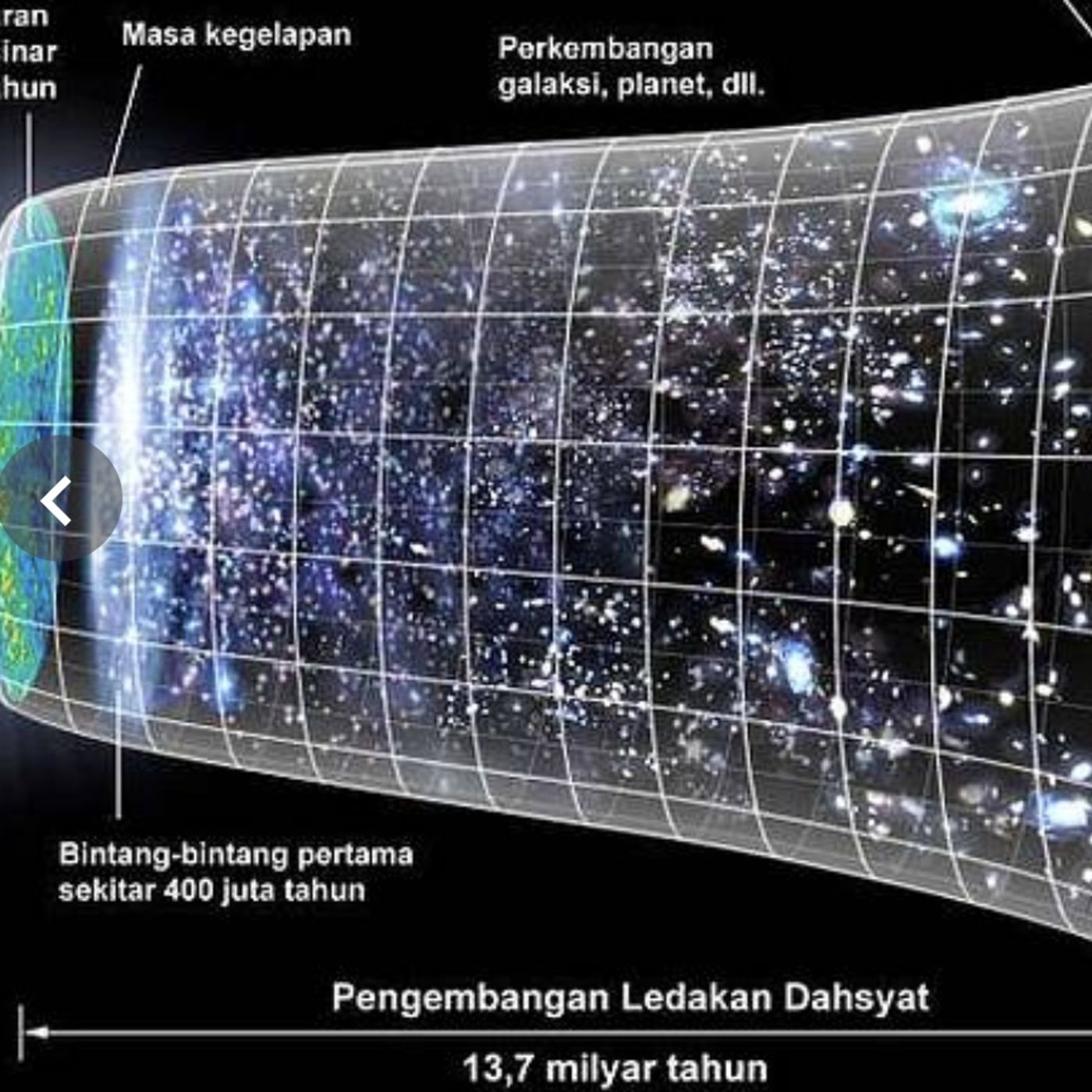
COSMOS 13.4 BILLION EARTH YEARS Mapping Early Cosmic Microwave Background — Part One On Hotel Mars, Mark Devlin tells David Livingston how the Simons Observatory in Chile measures the Cosmic Microwave Background to study light released about 380,000 years after the Big Bang. Scientists analyze minute temperature fluctuations and polarization patterns to search for primordial gravitational wave signatures from the universe’s origin. (7)
Episode information is provided by the publisher. Listening takes place on the publisher’s service.
In today's brief: Lake Erie, 1957: a newly released Air Force report says two boys saw a humming, bell-shaped craft near the Enrico Fermi Atomic Plant. Skinwalker Ranch: owner Brandon Fugal calls the new files landmark and recalls a daylight saucer over the mesa. Warship footage: a 20-second 2020 infrared clip shows a light crossing a US Navy ship in the Middle East, with no Pentagon assessment. Martha's Vineyard, 1957: a spiked, nickel-coloured object that the Air Force put down to a radar-reflector balloon. Loch Ness: reported sightings jump to 15 this year, up from six in 2025. The Book of Miracles: a 16th-century manuscript of comets, blood rain and multiple suns heads to auction at Christie's. Quick hits: a 1952 file blames the saucer wave on temperature inversions; more Pentagon UFO files are on the way. Every story and source: https://believepod.com/ufo-paranormal-news-22-november-2026/ New episodes every morning. Keep your eyes on the sky. Sources: FOX 2 Detroit: https://www.fo
Your free behavior course: https://nci.university/learn Uploaded 10-05-25 Exclusive NCI-4 (Grad School) Vault Release This is Behavioral Magnetics—the hidden force that draws you back to chaos, to patterns you swore you’d outgrow, to people who echo your oldest pain. It’s why peace feels boring. Why CALM makes you anxious. It’s not intuition—it’s your nervous system recycling what it knows. In this Grad School lecture, we uncover the 4 emotional magnets that shape who you trust, chase, or sabotage... even when it hurts. If you've ever said, “Why do I keep doing this?”—this is your answer. Why you're attracted to the wrong people The 4 types of emotional magnets How trauma rewires your compass Why peace can feel like withdrawal How to break free from recycled patterns Please note that the content provided in this broadcast is for informational and educational purposes only and should not be construed as legal, medical, financial, or professional advice. No material in this communication
Wednesday, November 20th, 2024 Today, DA Alvin Bragg tells Judge Juan Merchan that he’s not going to drop the charges against Donald Trump; Nancy Mace introduces a bathroom bill for the Capitol; as more details about the Matt Gaetz ethics committee investigation, someone has hacked a deposition from the Dorworth case files; meanwhile, the top Democrat on the House Ethics Committee is calling for its release; plus concrete steps we can take to survive the next four years; and Allison and Dana deliver your Good News. Guest: Andrea Pitzer Find the Next Comes What Podcast on YouTube (https://www.youtube.com/@DegenerateArtNewsletter/videos), Apple Podcasts (https://podcasts.apple.com/us/podcast/next-comes-what/id1779885475), and Spotify (https://open.spotify.com/show/7lUaIWeKl0oET2DJVTWhy4) AndreaPitzer.com (https://andreapitzer.com/) Stories: DA Alvin Bragg Refuses to Dismiss Trump's 34 Felony Counts (Muellershewrote.com) (https://www.muellershewrote.com/p/da-alvin-bragg-refuses-to-dismiss
This is a Grave Talks CLASSIC EPISODE! PART TWO Built in 1901 in the small railroad town of Wymore, Nebraska, the Haunted Stephenson Building has carried more than a century of stories within its walls. Located in the heart of downtown near the railroad line that built the town, the structure was part of the early business district and reportedly served over the years as a dance hall, saloon, gambling space, and possibly even a brothel — the kind of place where money flowed, tempers flared, and secrets were buried. Today, it operates as a paranormal investigation site and oddities museum, attracting those who want to see if the rumors are true. Visitors consistently report footsteps pacing on empty upper floors, whispers captured in silent rooms, cold air that moves against logic, and shadow figures that vanish the moment you focus on them. Owner Christie Ayers joins us to discuss the building’s layered past and the unsettling question at the center of it all: are these simply echoes o
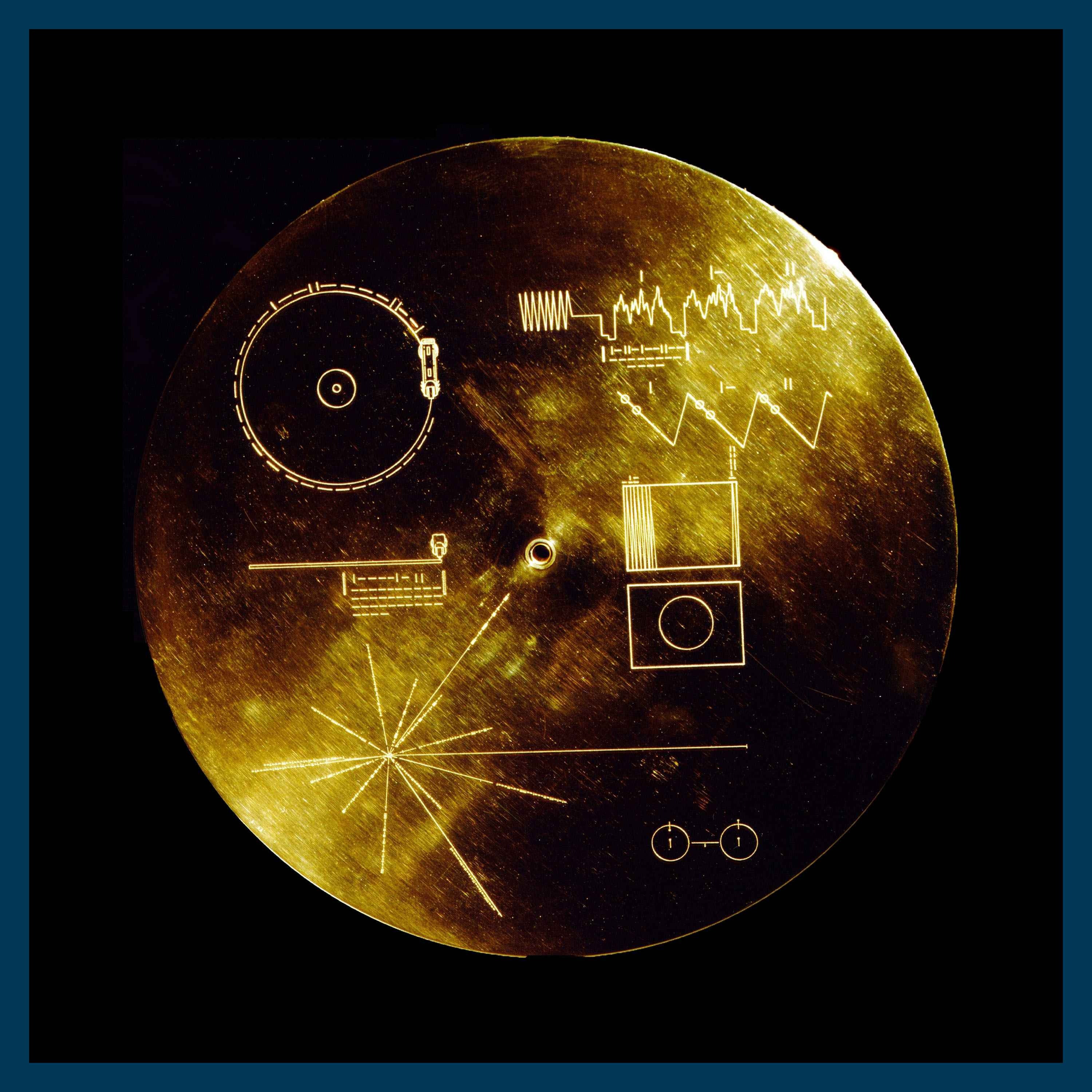
This week, Voyager 1 reached one light day away from earth - the farthest any man-made object has ever been. For fifty years, it as well as its sister probe Voyager 2, have been sending information back to earth. Now, they’re off to interstellar space, carrying two golden records designed to introduce humanity to whatever life form may be out there. So what’s on those discs? And what does the project tell us about what it means to be human? Guests: Rhys Blakely, science editor, The Times Tim Ferris, author and producer of the Voyager Golden Record Host: Manveen Rana Producer: Olivia Case We want to hear from you - email: [email protected] Read more: Voyager - humanity’s most distant message (https://www.thetimes.com/uk/science/article/nasa-golden-record-sounds-voyager-humanity-bksl2n0ck?eafs_enabled=false) Further listening: Has space become the final frontier for war? (https://pod.link/1501716010/episode/NmFhYzMzNzM4ZGUzYjQzYjZhOTk4ZGJj) Clips: NASA Voyager Golden Record / Carl Sa
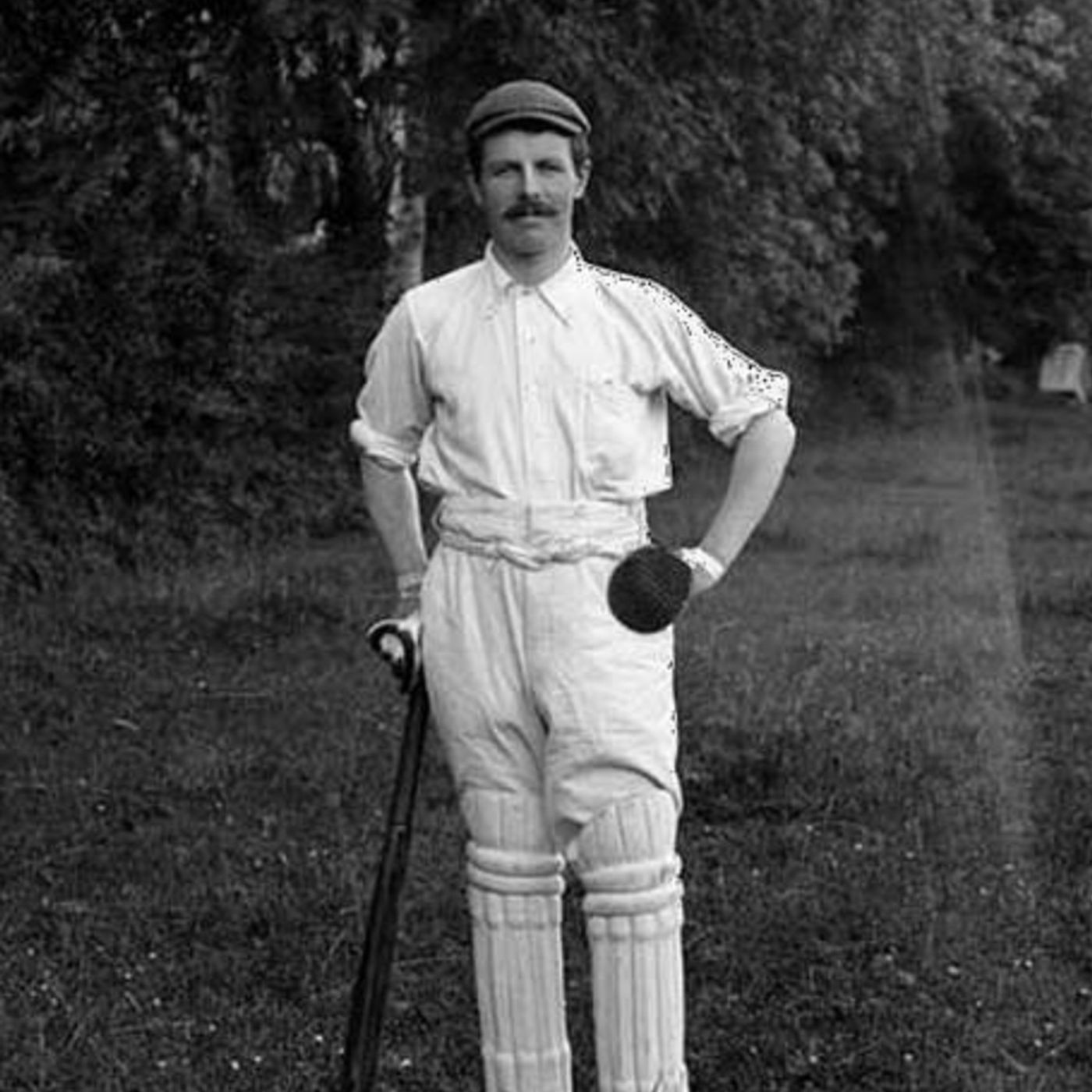
Sandpaper Scandal Resurfaces Again Jeremy Zakis reviews the 2018 cricket scandal in which Australian players secretly used sandpaper to alter the ball. The controversy has resurfaced after a former teammate published a book accusing current captain Pat Cummins of involvement, sparking intense debate despite official support for Cummins. (3)
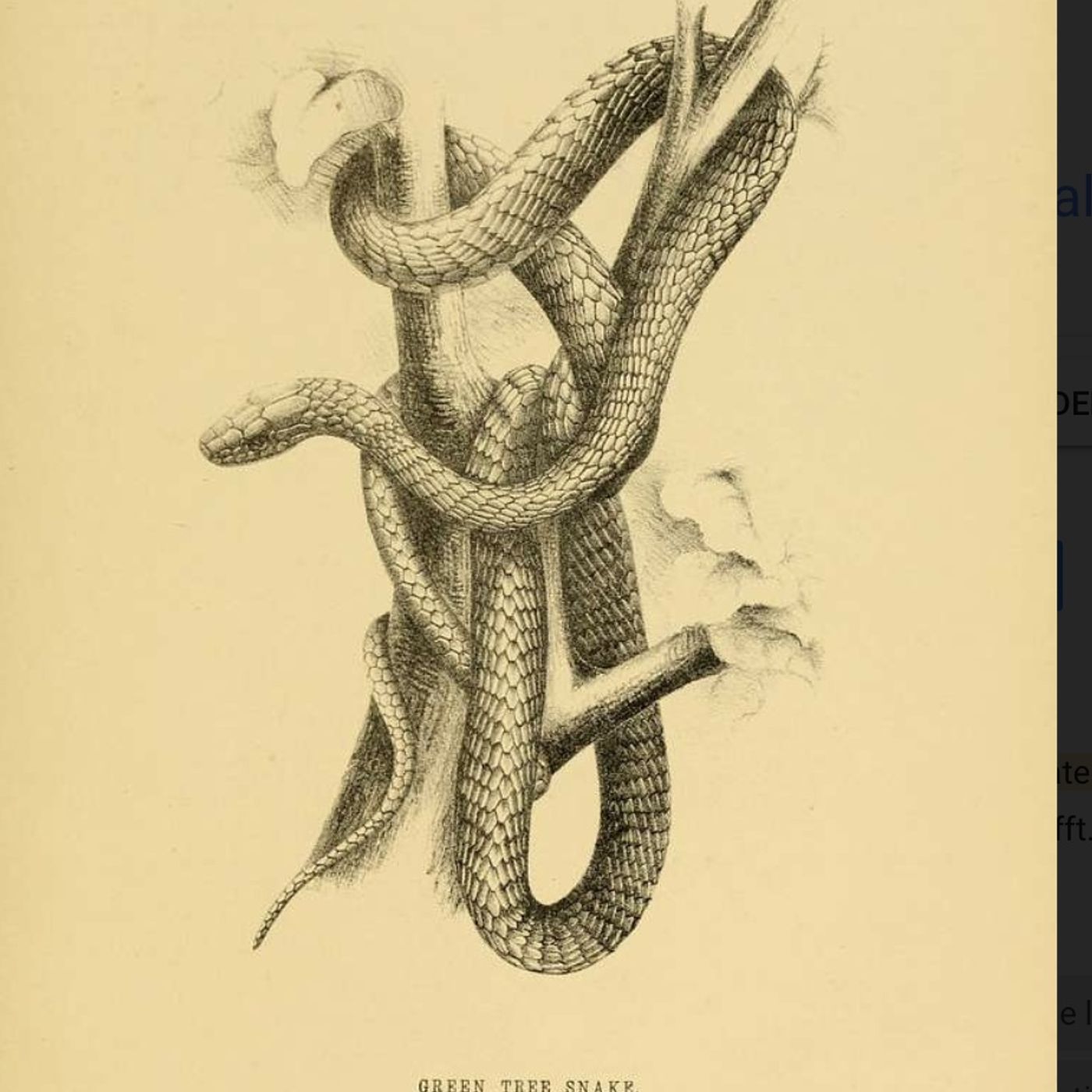
Floods Wash Snakes Downtown Jeremy Zakis explains the official warnings issued in Melbourne after floodwaters washed venomous snakes into the central business district. Snake catchers face surging demand and charge costly call-out fees, while unseasonable storms have disrupted local wildlife, leaving kangaroos hyperactive and erratic on the roads. (2)
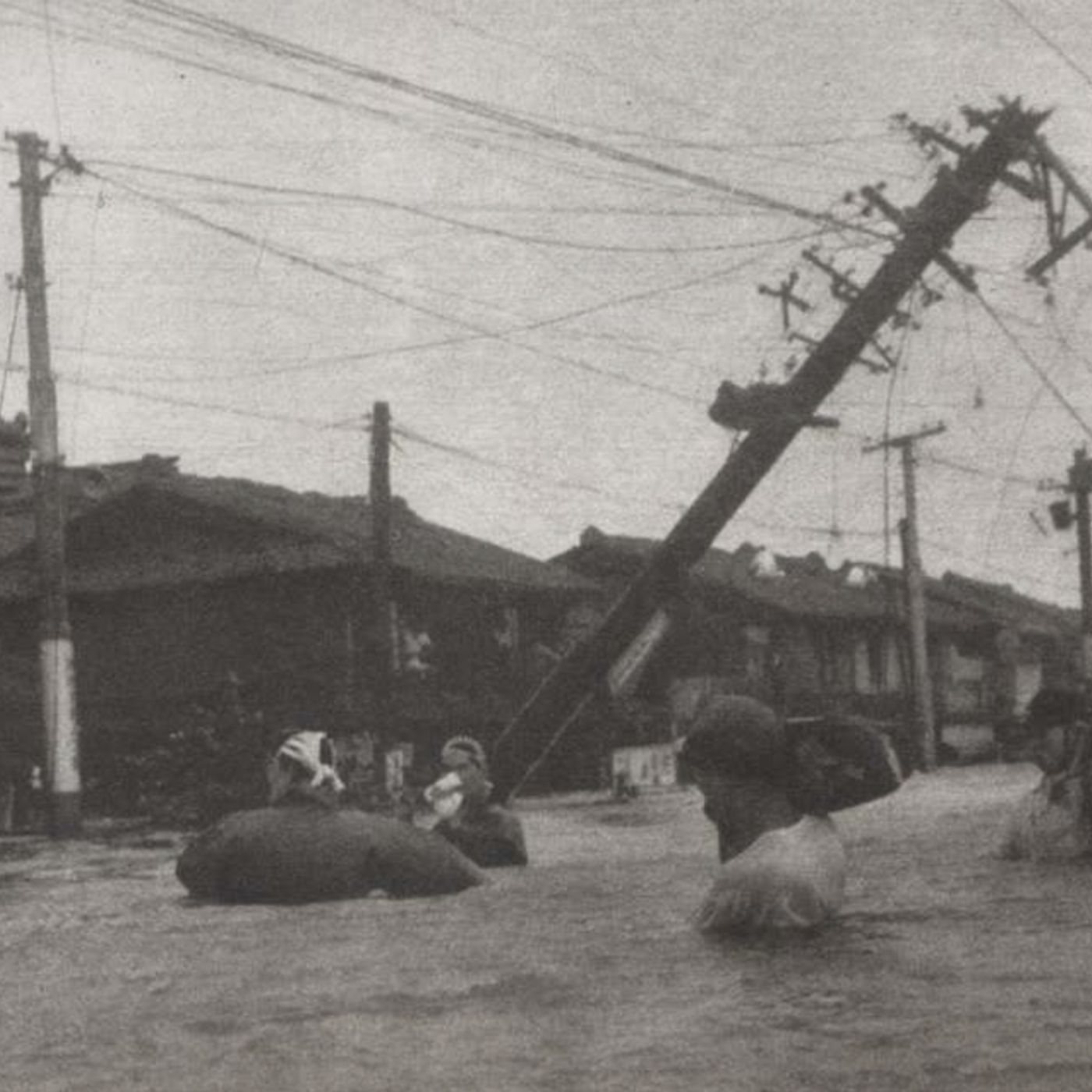
1950 Super El Niño Spring Storms Jeremy Zakis discusses extreme spring weather across Australia, driven by a super El Niño and elevated ocean temperatures. Heavy rain, microbursts, and severe winds in South Australia toppled massive power lines and spawned funnel clouds, while Sydney faces hot, chaotic, (1)
People affected by infrastructure routes should have a meaningful role in choosing them.
Share your view, then see how readers voted. No sign-in required. This poll is shared across stories.
Do you agree or disagree?
Common Quandary
A Common Quandary to discuss
Another conversation to explore, separate from this news story.
Someone you love asks, “Do you think I’ll be okay?” What if you do not?
A relative with a poor prognosis asks whether you think they will recover. They seem to need reassurance, but you believe the odds are very low and do not want to spend the remaining time pretending.
Can preserving hope justify saying more than you believe?