BN Daybreak: Election day; Brink says polls are wrong; Van Staden on elites; Apple drags the Dow
16 min
Listen through the publisher, then discuss the episode here or arrange an in-person Roundtable. Your city determines where to meet.
Roundtables are designed for groups of four, with a shared subject and room for everyone to speak. Come for discussion, with no dating expectation.
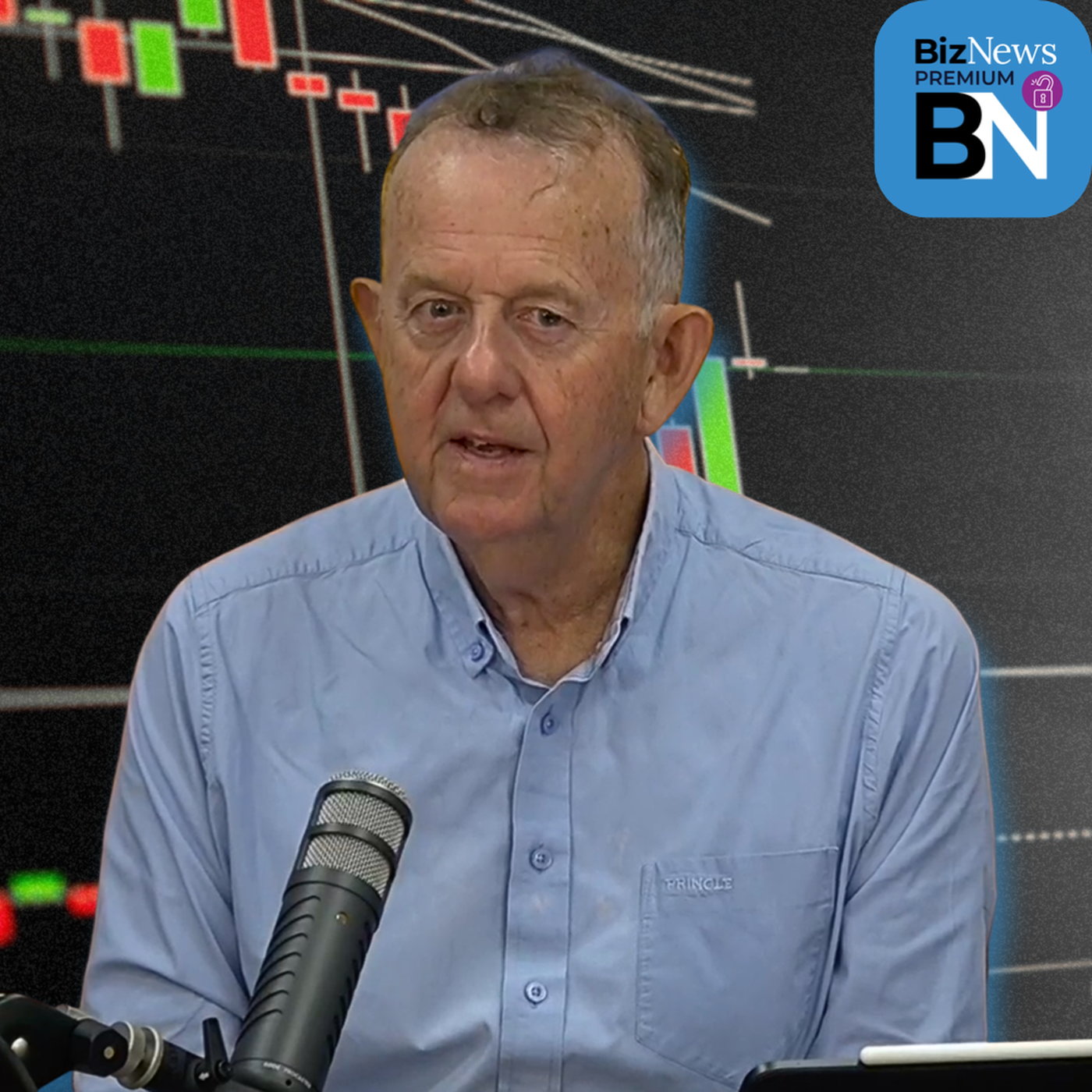
South Africans vote today. Norsira co-founder Sean McLaughlin has run every metro and 213 local councils through a scenario model and tells Chris Steyn only about 45 look safe, with MK's first nationwide local test the great unknown - he expects it down in rural KwaZulu-Natal and in the metros. Legal scholar Dr Martin van Staden says the real problem is how much power sits in Pretoria, and that elites with skin in the status quo fear change. The DA's Cilliers Brink tells Alec Hogg the Tshwane polls understate him. Plus Nelson Mandela Bay's R28bn hole, and Apple dragging the Dow.
Episode information is provided by the publisher. Listening takes place on the publisher’s service.
Two members of this family knelt beside wounded strangers this week. Only one was seen doing it. Mark Francis on the week India went perfectly for William and Kate — street cricket with Sachin Tendulkar, sixty rupees on the Metro, five Earthshot winners, and Kate alone at a Mumbai maternity hospital on the final day, holding the hand of a mother who had just lost one of her newborn twins. And on Harry in Lviv, meeting the newest members of Ukraine’s Invictus community, in a visit that landed on the one weekend nobody could look — followed by a Telegraph interview in which he said that if asked to sign up again, “I will 100 per cent be there to serve my country”. Plus Camilla’s private letter, Charles and the Butlin’s holiday he never got, and the royal accounts welcoming Robert Pattinson: “Welcome to His Majesty’s Secret Service, Mr Bond.” One subscription, the whole family, no ads. Try it free for 30 days: tap Try Free in Apple Podcasts. Got an App Store gift card? This is a good use
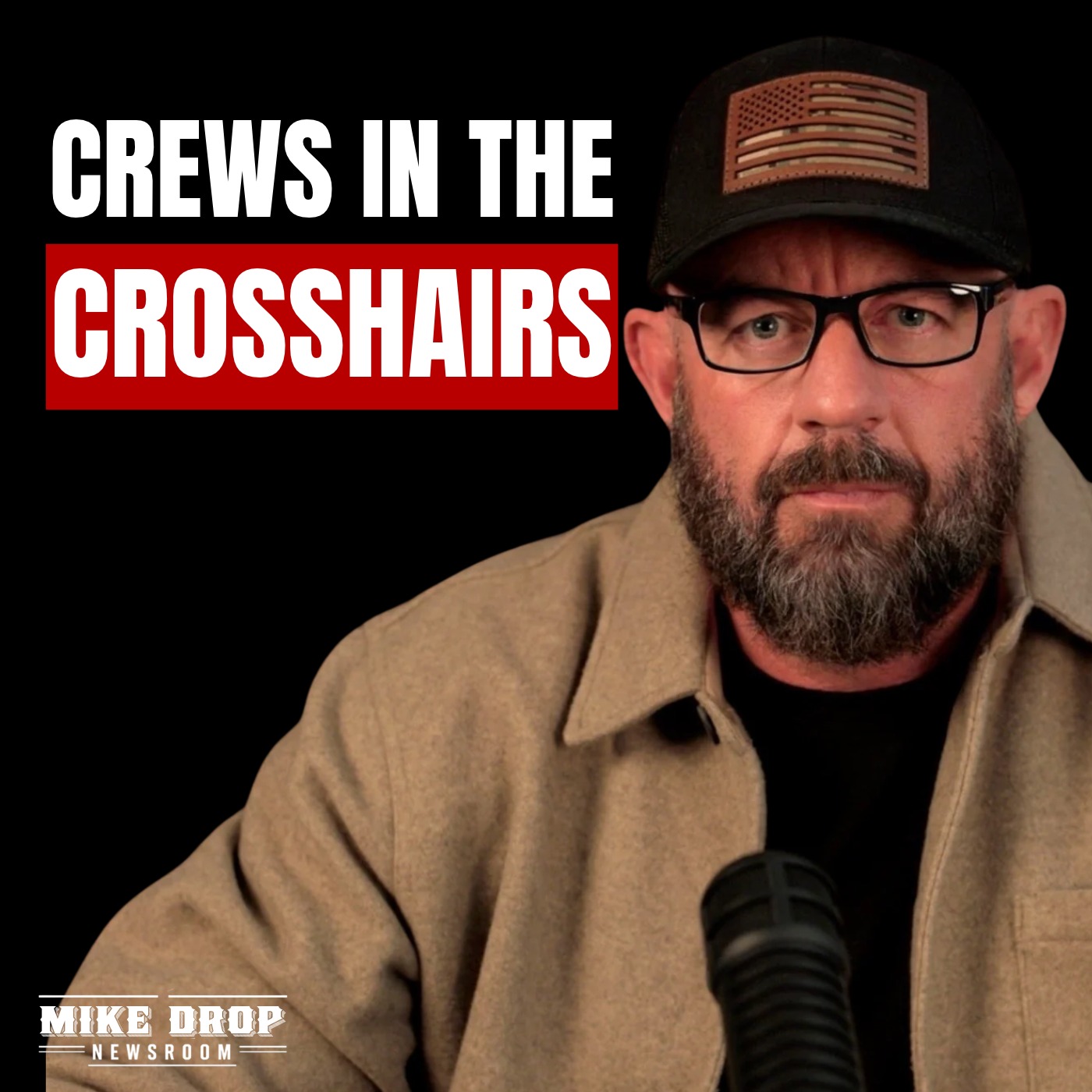
Iran fired on Bahrain again Saturday and says this time it was aiming at the American Patriot crews that protect U.S. bases there. MIKE DROP NEWSROOM | 22 NOVEMBER 2026 ABC News reported that Iran's Revolutionary Guard said its Saturday attacks targeted U.S. Patriot air defense sites in Bahrain, home of the Navy's 5th Fleet. The U.S. has not confirmed any hits. Bahrain said a civilian industrial facility caught fire; reports on injuries are still unsettled. U.S. Central Command called an IRGC claim that it damaged a U.S. F-16 false, saying all U.S. fighter jets in the region are safe and accounted for. Mike Ritland breaks down why Iran would announce that it's going after the crews themselves, how this fits a steady escalation since November 13, and why sitting in place with no decision may be the worst option for the troops in harm's way. Also covered: the U.S. and Israel weighing a new assault on Iran, two tankers hit on the U.S.-guarded side of the Hormuz route, a report on China's
This episode is brought to you by Sarmaya Partners. Learn more about Sarmaya’s LENS ETF, their full data and comparison, including performance here: https://sarmayaetf.com/ In this episode of Other People's Money, Max Wiethe sits down with Muddy Waters Capital founder Carson Block to discuss his firm's explosive new short thesis on Nvidia. Block breaks down the alarming connections between a former Nvidia executive and a former SMCI executive recently implicated in a major chip smuggling scandal. The conversation dives deep into the national security implications of dual-use technology and how the ongoing geopolitical tug-of-war between the US and China is reshaping the semiconductor sector. Tune in to hear why Block believes this scandal goes far beyond CEO indiscretions and could trigger a massive regulatory reckoning for Silicon Valley's biggest players. Follow Muddy Waters on X: https://x.com/muddywatersre Follow Max on X: https://x.com/maxwiethe Follow Other People’s Money on: App
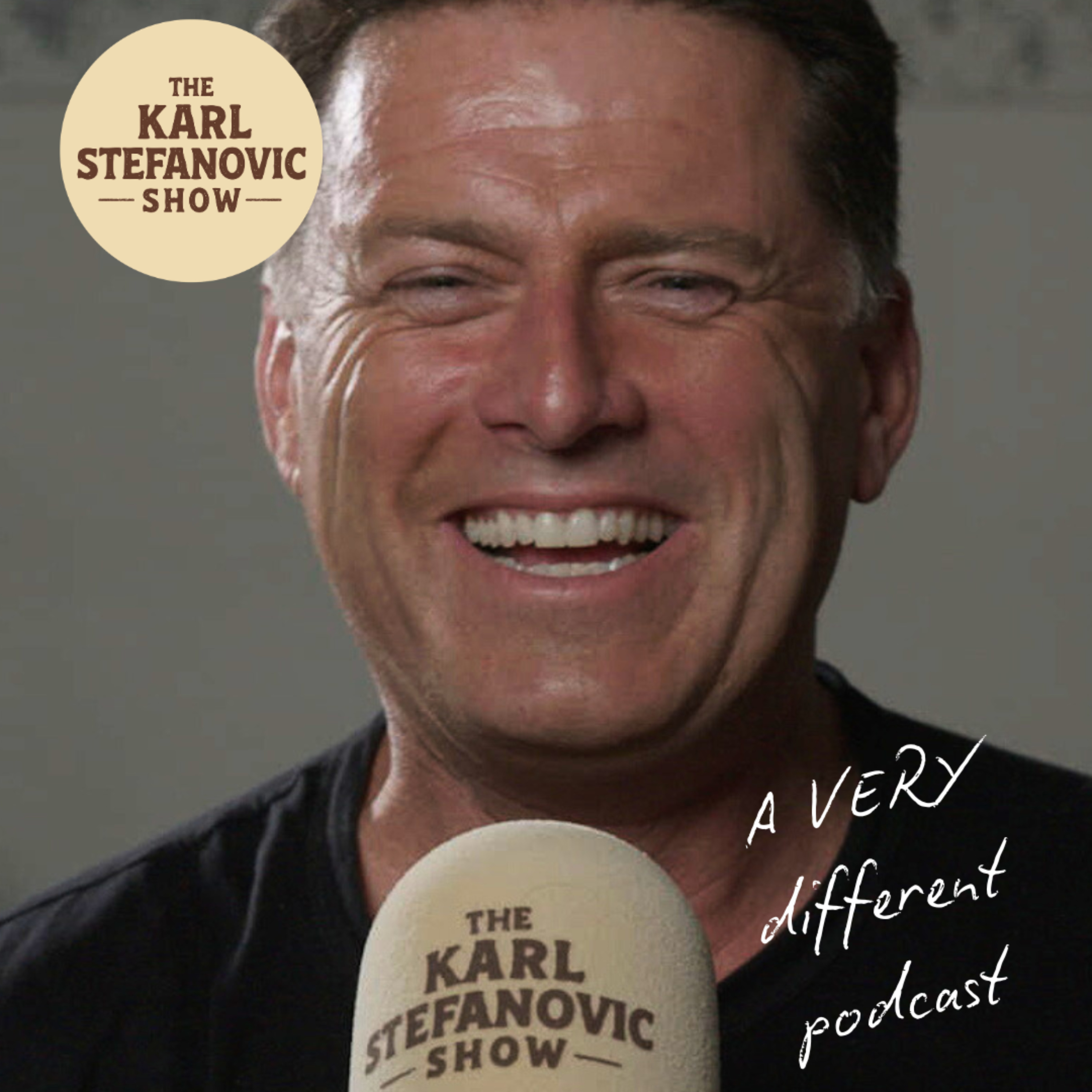
Screen time in schools, kids and AI: why Australian students just posted their worst ever reading and maths results. The federal Education Minister says screens are part of the problem. Sweden led the world putting tablets in classrooms and is now pulling them back out. NSW will cap kindy kids at 15 minutes of screen time a day from next year. So were the "hippie" Steiner schools ahead of their time all along? Karl sits down with Andrew Hill, CEO of Steiner Education Australia, which represents 53 schools that keep screens out of early childhood classrooms. Andrew explains why some Silicon Valley tech executives sent their own kids to a screen-free Steiner school, who has profited from a laptop for every kid ("the terrible thing about handwriting is that it's free"), and why he believes Bluey's creator modelled the show's school on a Steiner school in Queensland. Karl also puts the tough questions: Will kids without screens be left behind? Is it all woo-woo? What about bullying, fees a
It was the longest COP on record - and it ended with no deal. Minister for Climate Change and Energy Chris Bowen was president of negotiations - so is he responsible for the result? And what does this failure say about the world’s ability to work together on climate change, and other major issues, in the future? Back in Canberra it’s finally the last sitting week of 2026. Controversial bills, last minute concessions, and plenty of political horse trading will be underway - including around Digital Duty of Care, a Gas Reservation Scheme, trusts and tax, and any cost-of-living measures the government can squeeze in. So who’s getting what they want and who’s walking away empty-handed? Patricia Karvelas and Jacob Greber break it all down on Politics Now. Read PK's latest analysis here (https://www.abc.net.au/news/2026-11-23/election-victorian-labor-election-defeat-albanese-stays-away/107414442). Listen to our sister podcast, ABC Business Daily, unpack if we're already in a recession in tod
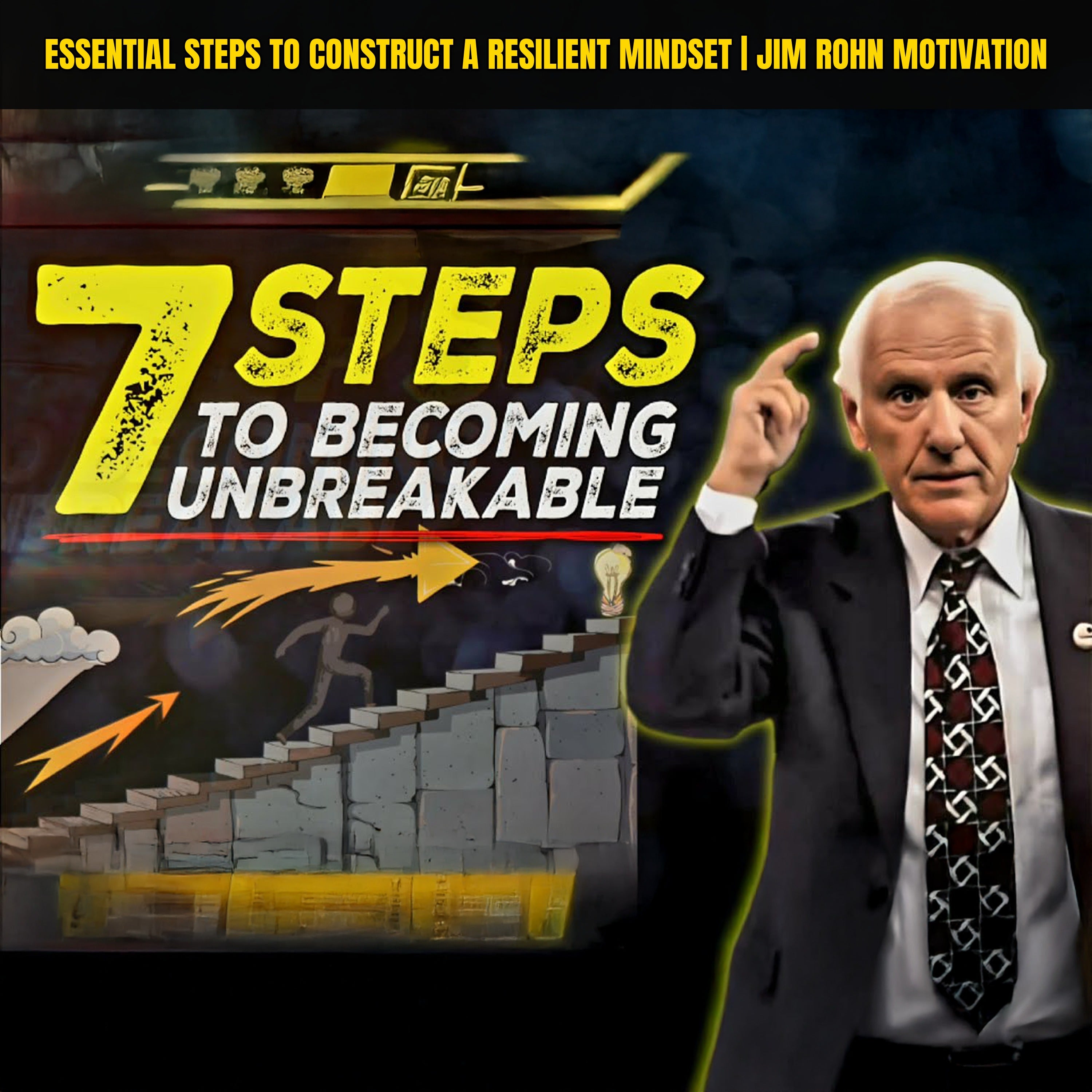
In this Jim Rohn Motivation speech, we unpack the real meaning of resilience—not as something you're born with, but something you build. It’s not about pretending life is easy. It’s about developing the mindset, discipline, and strength to keep going when everything in you says stop. Key Topics From This Motivational speech: Resilience as a skill, not a trait Taking full ownership of your life and mindset Reframing adversity into growth opportunities Emotional regulation and grounded self-talk Endurance, grit, and the decision to grow daily This Jim Rohn Motivational speech reminds us that resilience doesn’t come from waiting for life to calm down—it comes from training your mind to rise in the middle of the chaos. It’s a mindset built on consistent ownership, reframed challenges, and the ability to lead yourself under pressure. Strength isn’t given. It’s earned—through the unseen decisions you make when no one is watching. This Jim Rohn Motivational speech Is Perfect For: Anyone feeli
A JSE share trading for less than the cash in its bank account. That was Alec Hogg's case for Reinet in this week's Ricardo portfolio update, after interim results showed more than 80% of its assets in cash and liquid funds and the Rupert-controlled group buying back shares every week. He read past Lewis's tidy headline numbers to the credit data underneath, untangled three earnings figures at Prosus pointing in different directions, and explained why directors' dealings at WBHO and Lesaka were less alarming than they looked. On the watchlist, he set the fight for control of Spar's board against Shoprite's move, seven years in the making, to one share, one vote. And as Wall Street sold tech to make room for Anthropic's listing, he explained why the Ricardo dollar portfolio wasn't heading for the exit, and why the IPO put a price tag on something Alphabet and Amazon already own.
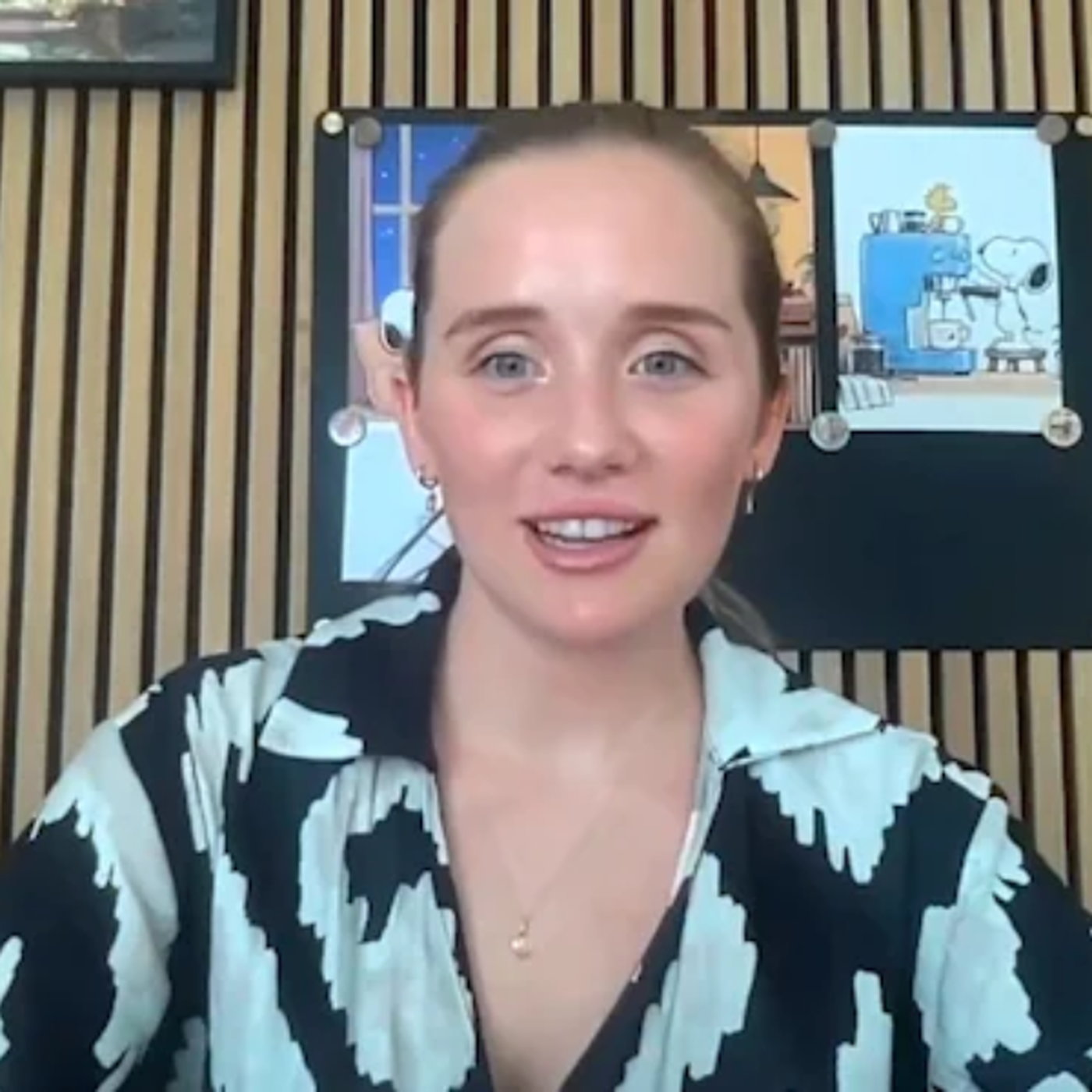
More than one in 10 university graduates in South Africa cannot find a job. With an economy that creates far too few jobs for the people entering it, and AI starting to eat into white-collar work, many school leavers and their parents are asking whether a degree is still the safest route. When Ashley Duggan finished school, she was torn, and her father offered her a choice. He could pay for her studies, or she could use that money to start a business. She chose the business and launched Bubbadue, a baby gift company, in January 2020, just before the Covid lockdown. She told BizNews how the lockdown gave her an unexpected boost, and how the company has grown since, with her dad and husband now part of the business and a first store open in Durban. Duggan also explained why she believes the right path depends on the person, what she would tell a teenager facing the same decision, and what is next for Bubbadue. – Linda van Tilburg
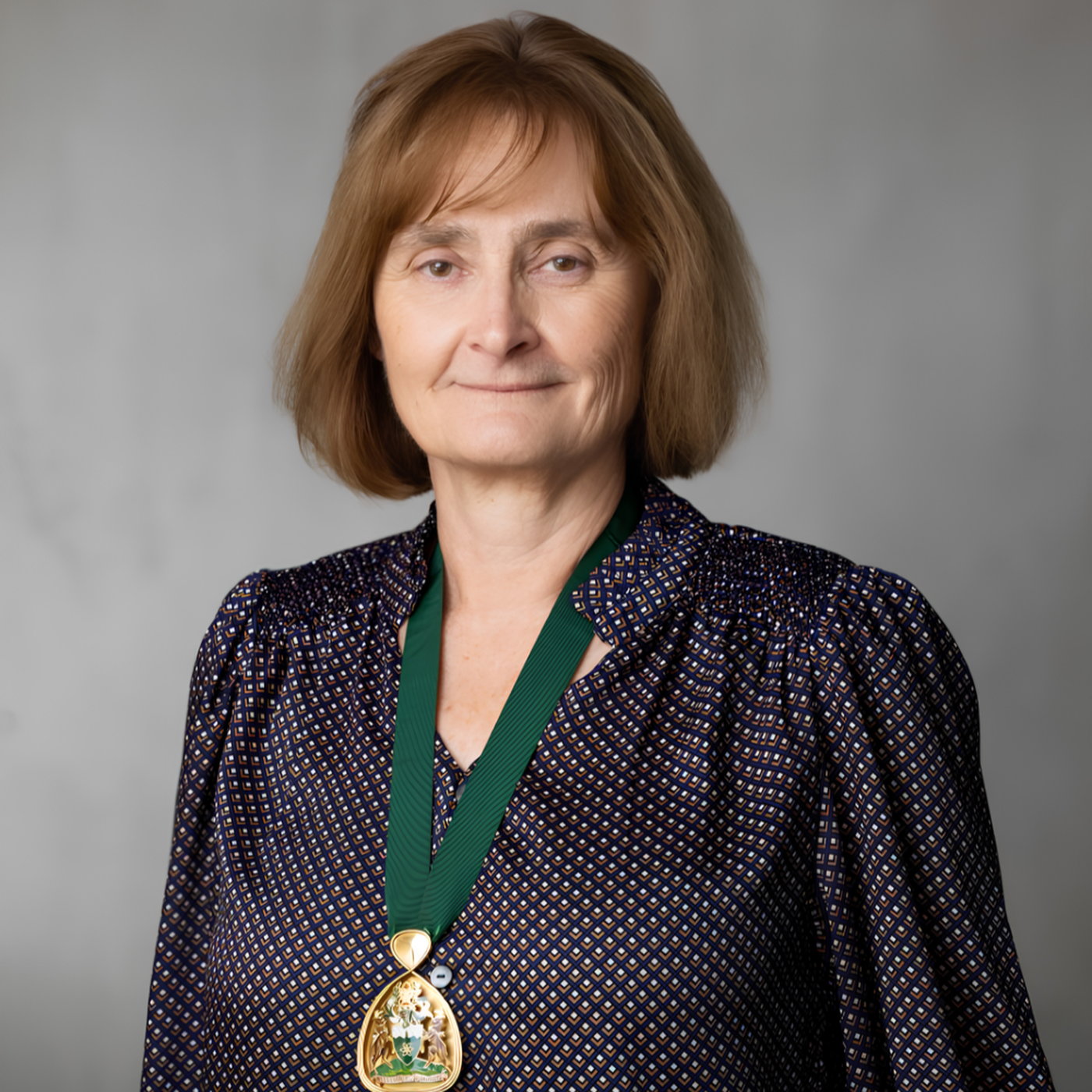
Michele Dougherty went to a Durban high school that didn't teach physics or chemistry. Years later, jet-lagged and nervous, she persuaded a room of about a hundred Cassini mission scientists to send the spacecraft just 173km above a tiny moon of Saturn. They found water vapour pouring from its south pole, and the search for life in the solar system changed course. Now the first woman to be Astronomer Royal in the post's 350-year history, she told Alec Hogg why she'd be very surprised if life didn't exist elsewhere, what the Juice mission will look for when it reaches Jupiter's icy moons in 2031, and why more South Africans should know about the giant telescopes in the Karoo. She was also frank about the harder side of her day job: telling Britain's main physics and astronomy funder that it can't be world class at everything.
Institutions should publicly explain how they respond to research misconduct.
Share your view, then see how readers voted. No sign-in required. This poll is shared across stories.
Do you agree or disagree?
Common Quandary
A Common Quandary to discuss
Another conversation to explore, separate from this news story.
A stranger is behaving horribly in public. Do you record them?
You witness a stranger berating a service worker in public. Recording could create accountability and protect the worker, but posting the video could expose everyone involved to a permanent online audience.
Who gets to decide when public behavior becomes public content?