BN Edge | Frans Cronje on Ramaphosa, Silicon Valley and a country in flux
49 min
Listen through the publisher, then discuss the episode here or arrange an in-person Roundtable. Your city determines where to meet.
Roundtables are designed for groups of four, with a shared subject and room for everyone to speak. Come for discussion, with no dating expectation.
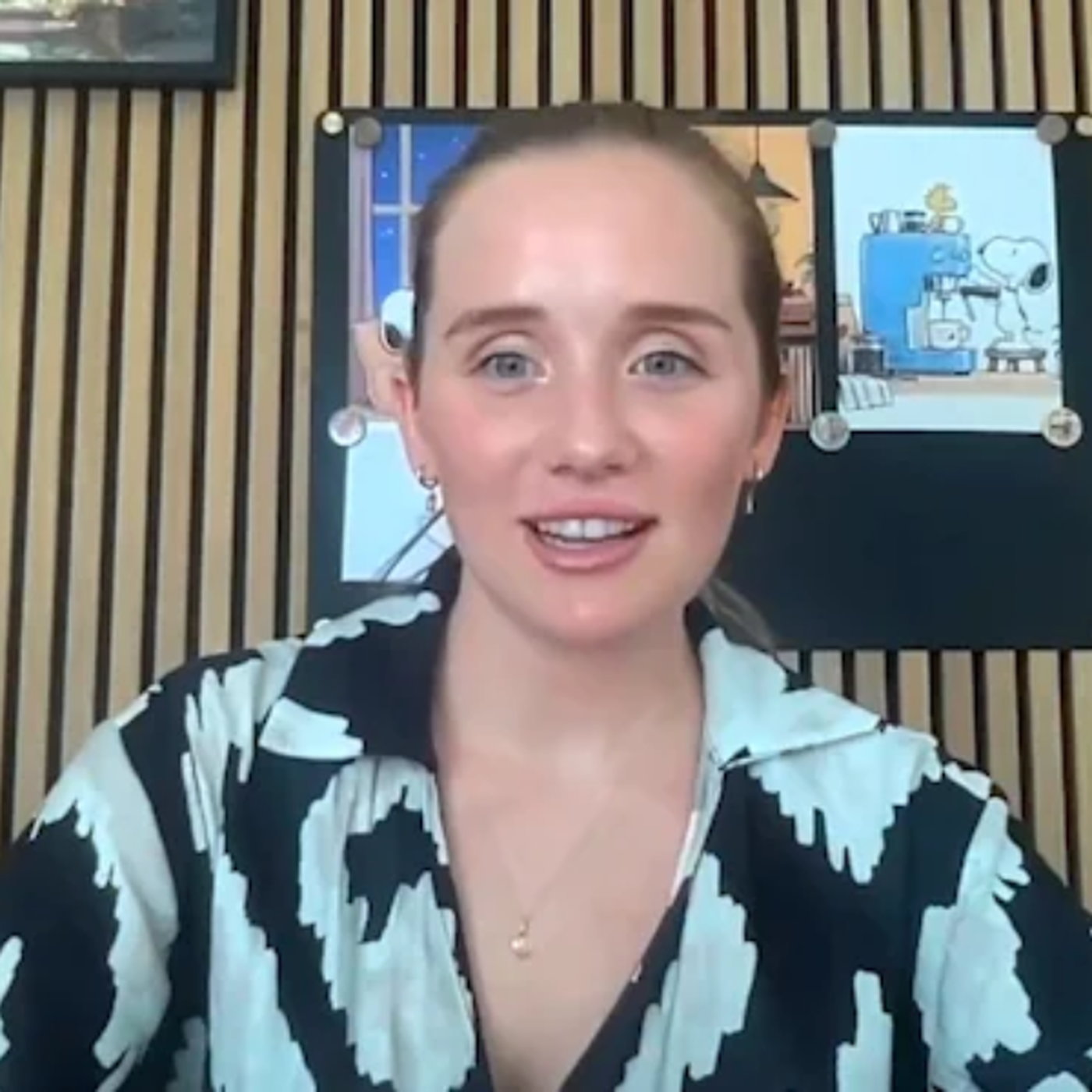
Voters had sent a clear message, Frans Cronje told Alec Hogg, and the people who most needed to hear it were looking the other way. Two weeks after the ANC fell below 31%, the SRF chairman explained why he believed the party's executive had never truly backed the GNU, how a plan to splinter the DA from inside government had backfired on the ANC instead, and why a deal with ActionSA, the EFF and MK made sense to many in the ANC even if it hurt the country. He warned that investors had been complacent, gave his reasons why South Africa would absorb the shock better than it would have in 2024, and made an unexpected case for the DA's long-term interest in keeping the ANC alive. He also named the one partnership he believed could still hold the union together, and the price ANC leaders would have to pay to make it happen.
Episode information is provided by the publisher. Listening takes place on the publisher’s service.
Screen time in schools, kids and AI: why Australian students just posted their worst ever reading and maths results. The federal Education Minister says screens are part of the problem. Sweden led the world putting tablets in classrooms and is now pulling them back out. NSW will cap kindy kids at 15 minutes of screen time a day from next year. So were the "hippie" Steiner schools ahead of their time all along? Karl sits down with Andrew Hill, CEO of Steiner Education Australia, which represents 53 schools that keep screens out of early childhood classrooms. Andrew explains why some Silicon Valley tech executives sent their own kids to a screen-free Steiner school, who has profited from a laptop for every kid ("the terrible thing about handwriting is that it's free"), and why he believes Bluey's creator modelled the show's school on a Steiner school in Queensland. Karl also puts the tough questions: Will kids without screens be left behind? Is it all woo-woo? What about bullying, fees a
This episode is brought to you by Sarmaya Partners. Learn more about Sarmaya’s LENS ETF, their full data and comparison, including performance here: https://sarmayaetf.com/ In this episode of Other People's Money, Max Wiethe sits down with Muddy Waters Capital founder Carson Block to discuss his firm's explosive new short thesis on Nvidia. Block breaks down the alarming connections between a former Nvidia executive and a former SMCI executive recently implicated in a major chip smuggling scandal. The conversation dives deep into the national security implications of dual-use technology and how the ongoing geopolitical tug-of-war between the US and China is reshaping the semiconductor sector. Tune in to hear why Block believes this scandal goes far beyond CEO indiscretions and could trigger a massive regulatory reckoning for Silicon Valley's biggest players. Follow Muddy Waters on X: https://x.com/muddywatersre Follow Max on X: https://x.com/maxwiethe Follow Other People’s Money on: App
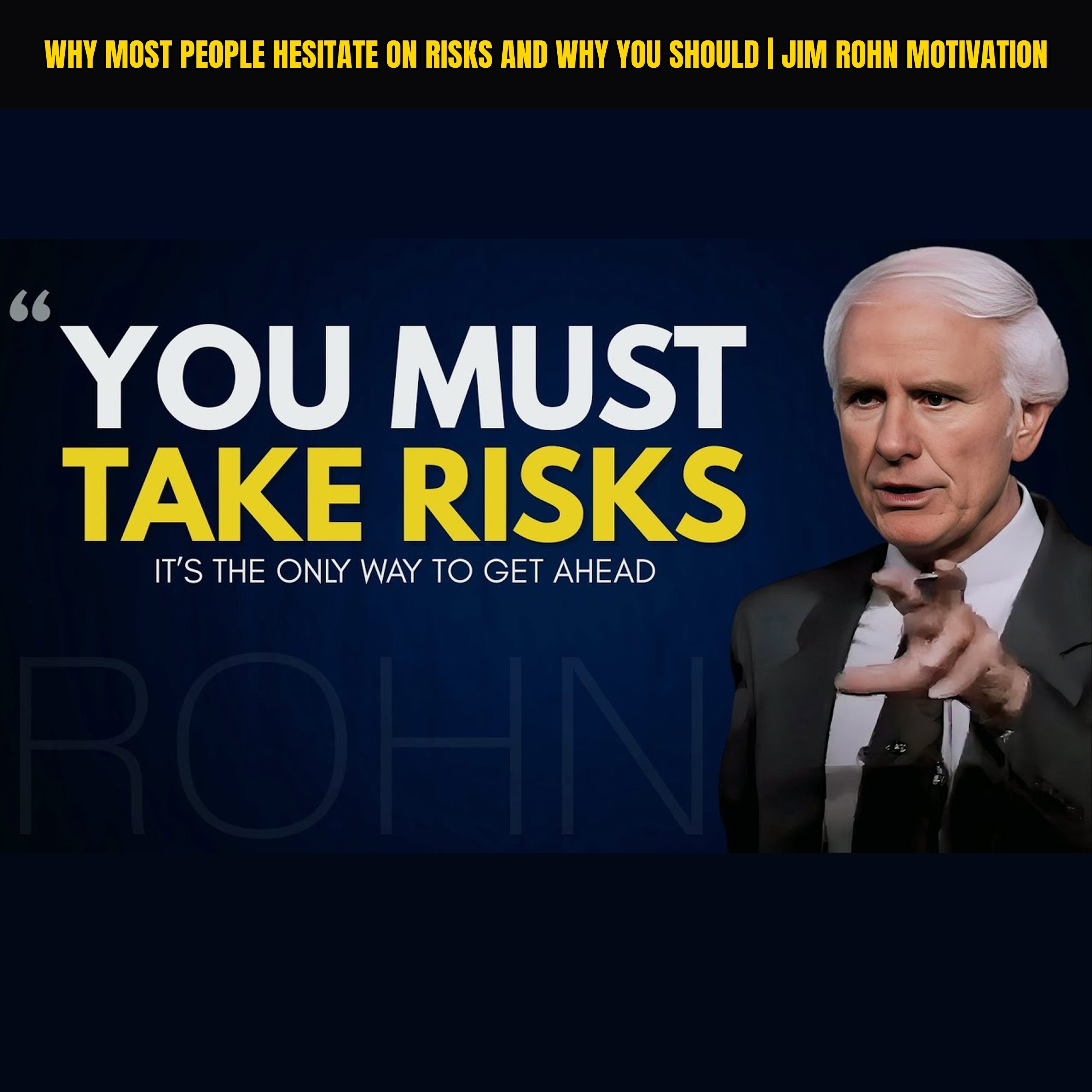
#JimRohnMotivation #JimRohn #JimRohnSpeech In this Jim Rohn Motivation video, discover the truth behind why **most people never reach their potential**—not because they lack ambition, but because they’re paralyzed by fear and the need for certainty. Jim Rohn teaches us that success is not guaranteed—it’s earned through bold action and personal conviction. Key Topics From This Motivational Video: Why waiting for certainty leads to wasted potential The hidden cost of playing it safe How to reframe risk as the gateway to growth Why hesitation, not failure, is the real threat How to move forward despite fear and uncertainty This Jim Rohn motivational video challenges the idea that safety is strength. You’ll learn how risk isn't your enemy—it’s the price of transformation. Jim reminds us that clarity and confidence come *after* action, not before. If you’ve been waiting for the “right time,” this is your sign to move now. This Jim Rohn Motivational Video Is Perfect For: Those stuck in overt
This week on The Necessary Conversation, it's Chad, Haley, and Mary Lou. Bob is still recovering but sent in a video message about Trump calling Putin his friend that we watch together. 🇷🇺 Trump held the first-ever three-way talks with Putin and Xi, called it a "12 out of 10," and produced nothing. Then at a press conference he called Putin his friend — and when asked if Putin is a friend to America, the president of the United States said, "I can't speak to America." That same day, Trump's friend Putin launched massive strikes into Ukraine, hit Poland with two missiles — an act of war against a NATO ally — then struck near a Ukrainian restaurant and drone-bombed the first responders, killing a 7-year-old child and a 20-year-old paramedic. We watch Bob's video and ask Mary Lou: is Russia our friend? 🇨🇳 The House Foreign Affairs Committee revealed Trump's Commerce Department approved nearly 880,000 advanced AI chips for Chinese military-linked companies including Alibaba, Tencent, a
A wave of major technology outages is raising troubling questions about America's cybersecurity, aging infrastructure, and readiness for a new era of artificial intelligence. Are these isolated technical failures, or warning signs of a much larger national security problem? John Solomon and Amanda Head welcome Ohio Congressman and former Army Ranger Warren Davidson, who discusses recent disruptions involving the FAA, Microsoft, and other critical systems. Davidson calls for greater transparency from government agencies and technology companies, questions whether America's infrastructure is adequately protected against emerging cyber threats, and examines how artificial intelligence could be used both to strengthen defenses and exploit vulnerabilities. The conversation also turns to immigration and national security, with Davidson raising concerns about individuals who entered the country illegally, potential gaps in government screening systems, and the surveillance powers used to moni
November 22; 7am: Tonight, President Trump will be hosting a dinner at his Northern Virginia golf club for wealthy investors in his cryptocurrency memecoin. One former White House official tells MS NOW, “At this point, it’s pretty clear the White House doesn’t see this as a vulnerability, even after the message voters sent on Election Day…Those of us who want to see this president succeed can only do so much. You can lead a horse to water, but you can’t make it drink.” Marianna Sotomayor, Capitol Hill Correspondent for Puck, and Norm Eisen, former Special Counsel and Special Assistant to President Obama, join “The Weekend” to discuss. For more, follow us on social media Bluesky: @theweekendmsnow.bsky.social Instagram: @theweekendmsnow TikTok: @theweekendmsnow Hosted by Simplecast, an AdsWizz company.
A JSE share trading for less than the cash in its bank account. That was Alec Hogg's case for Reinet in this week's Ricardo portfolio update, after interim results showed more than 80% of its assets in cash and liquid funds and the Rupert-controlled group buying back shares every week. He read past Lewis's tidy headline numbers to the credit data underneath, untangled three earnings figures at Prosus pointing in different directions, and explained why directors' dealings at WBHO and Lesaka were less alarming than they looked. On the watchlist, he set the fight for control of Spar's board against Shoprite's move, seven years in the making, to one share, one vote. And as Wall Street sold tech to make room for Anthropic's listing, he explained why the Ricardo dollar portfolio wasn't heading for the exit, and why the IPO put a price tag on something Alphabet and Amazon already own.
More than one in 10 university graduates in South Africa cannot find a job. With an economy that creates far too few jobs for the people entering it, and AI starting to eat into white-collar work, many school leavers and their parents are asking whether a degree is still the safest route. When Ashley Duggan finished school, she was torn, and her father offered her a choice. He could pay for her studies, or she could use that money to start a business. She chose the business and launched Bubbadue, a baby gift company, in January 2020, just before the Covid lockdown. She told BizNews how the lockdown gave her an unexpected boost, and how the company has grown since, with her dad and husband now part of the business and a first store open in Durban. Duggan also explained why she believes the right path depends on the person, what she would tell a teenager facing the same decision, and what is next for Bubbadue. – Linda van Tilburg
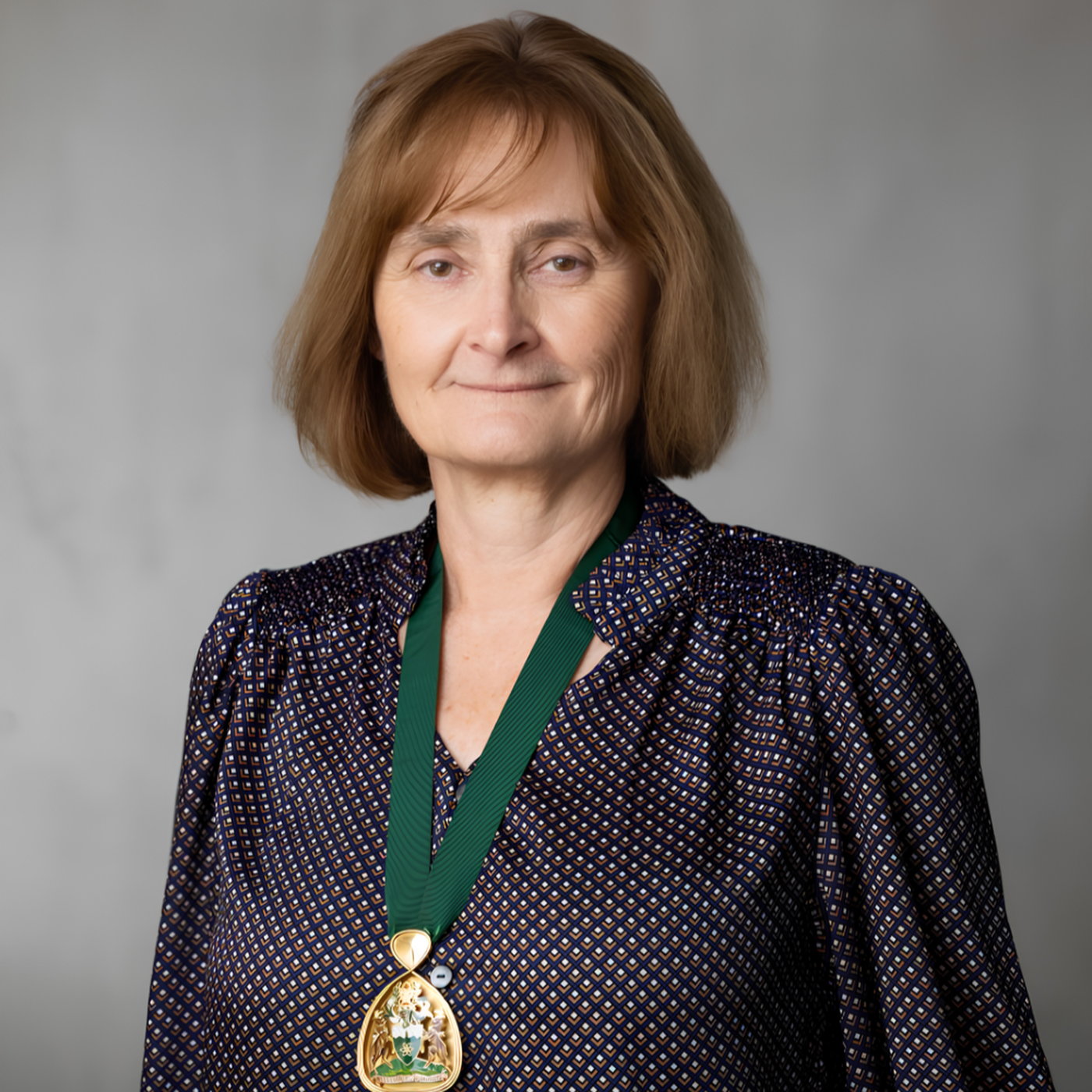
Michele Dougherty went to a Durban high school that didn't teach physics or chemistry. Years later, jet-lagged and nervous, she persuaded a room of about a hundred Cassini mission scientists to send the spacecraft just 173km above a tiny moon of Saturn. They found water vapour pouring from its south pole, and the search for life in the solar system changed course. Now the first woman to be Astronomer Royal in the post's 350-year history, she told Alec Hogg why she'd be very surprised if life didn't exist elsewhere, what the Juice mission will look for when it reaches Jupiter's icy moons in 2031, and why more South Africans should know about the giant telescopes in the Karoo. She was also frank about the harder side of her day job: telling Britain's main physics and astronomy funder that it can't be world class at everything.
Reporting on court cases should protect personal privacy when details add little public value.
Share your view, then see how readers voted. No sign-in required. This poll is shared across stories.
Do you agree or disagree?
Common Quandary
A Common Quandary to discuss
Another conversation to explore, separate from this news story.
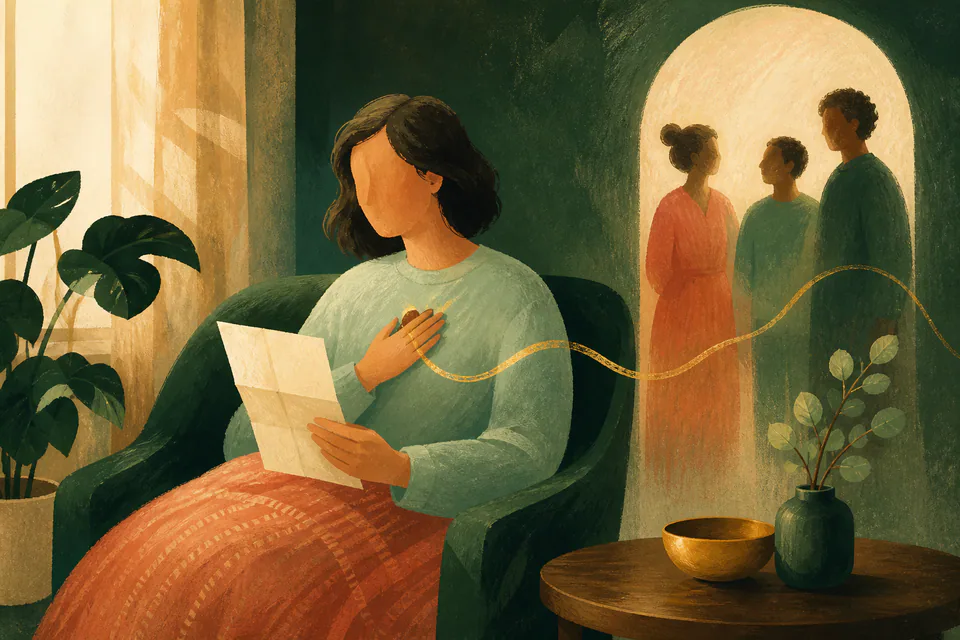
A donor's family wants to hear their loved one's heart beating in you. Do you meet them?
A transplant recipient receives a letter from the donor's family asking to meet. The recipient feels profound gratitude but also discomfort and wants their recovery to remain private and separate from another family's grief.
Can receiving an extraordinary gift create a personal obligation to strangers?