BN Edge | Mulder: coalitions, the GNU and the case for an early national election
42 min
Listen through the publisher, then discuss the episode here or arrange an in-person Roundtable. Your city determines where to meet.
Roundtables are designed for groups of four, with a shared subject and room for everyone to speak. Come for discussion, with no dating expectation.
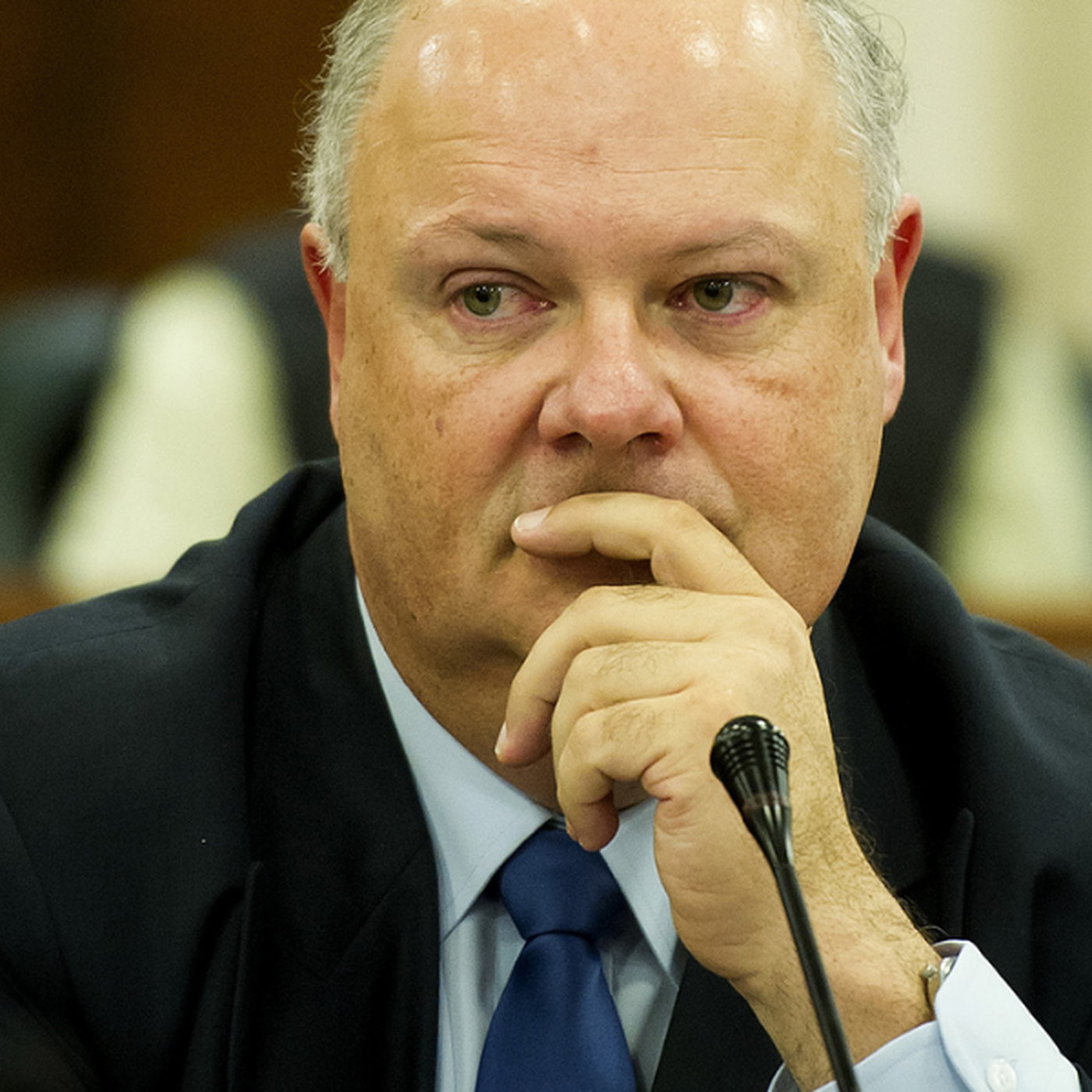
Eight weeks before the vote, Corné Mulder promised Alec Hogg a surprise. His Freedom Front Plus delivered its best result since 1994, but Mulder was more interested in what came next. He set out a three-party plan to run Gauteng's metros without the ANC, said it could be wrapped up within a week if a few personality clashes were settled, and drew a hard line: if the DA chose the ANC in Johannesburg, the FF Plus was out everywhere. He then went further, laying out a little-discussed constitutional route that could take South Africans back to the polls well before 2029. Mulder also weighed in on Helen Zille's soft words for Cyril Ramaphosa, ActionSA's township breakthrough, a disappointing night for Gayton McKenzie, and whether the party's Afrikaans name still caps its growth.
Episode information is provided by the publisher. Listening takes place on the publisher’s service.
Screen time in schools, kids and AI: why Australian students just posted their worst ever reading and maths results. The federal Education Minister says screens are part of the problem. Sweden led the world putting tablets in classrooms and is now pulling them back out. NSW will cap kindy kids at 15 minutes of screen time a day from next year. So were the "hippie" Steiner schools ahead of their time all along? Karl sits down with Andrew Hill, CEO of Steiner Education Australia, which represents 53 schools that keep screens out of early childhood classrooms. Andrew explains why some Silicon Valley tech executives sent their own kids to a screen-free Steiner school, who has profited from a laptop for every kid ("the terrible thing about handwriting is that it's free"), and why he believes Bluey's creator modelled the show's school on a Steiner school in Queensland. Karl also puts the tough questions: Will kids without screens be left behind? Is it all woo-woo? What about bullying, fees a
A secret relationship can create leverage even before anyone makes a threat. That is the question Tony Brueski puts to Robin Dreeke, retired FBI Special Agent and former chief of the FBI’s Counterintelligence Behavioral Analysis Program, as they unpack the reporting around former Nvidia CEO Jensen Huang. Huang admitted infidelity and resigned in November 2026. Reports linked his affair to Alice Huang, a former Megaspeed executive whom U.S. intelligence reportedly suspected of acting for China. Those suspicions remain unproven publicly. Reuters says it could not independently confirm the alleged intelligence connection; Beijing denies it. Nvidia’s board has said it has no reason to believe company secrets or national security were compromised. That leaves plenty to investigate, but it does not establish blackmail, recruitment or disclosure of protected information. Robin explains why counterintelligence investigators focus on incentives and access, not just intercepted orders or dramati
After Texas dismantled Arkansas 45–3, Jeff Howe, Bob Shipley and Marcus Myers examine whether the Longhorns have finally become the complete team everyone expected. The panel breaks down Steve Sarkisian’s more aggressive offense, Arch Manning’s continued growth, breakout performances across the roster and a defense that continues to dominate. They also discuss Texas’ remarkable red-zone efficiency and the value of getting key starters off the field early. The conversation then turns toward Texas A&M, where the Longhorns can strengthen their playoff position against an Aggies team with nothing to lose. Can Texas run the ball well enough when it matters, and would avoiding another game against Georgia in the SEC Championship actually improve its national-title chances? Thank you to our sponsor: Promo Code: ONTEXAS Hosted by Simplecast, an AdsWizz company.
A wave of major technology outages is raising troubling questions about America's cybersecurity, aging infrastructure, and readiness for a new era of artificial intelligence. Are these isolated technical failures, or warning signs of a much larger national security problem? John Solomon and Amanda Head welcome Ohio Congressman and former Army Ranger Warren Davidson, who discusses recent disruptions involving the FAA, Microsoft, and other critical systems. Davidson calls for greater transparency from government agencies and technology companies, questions whether America's infrastructure is adequately protected against emerging cyber threats, and examines how artificial intelligence could be used both to strengthen defenses and exploit vulnerabilities. The conversation also turns to immigration and national security, with Davidson raising concerns about individuals who entered the country illegally, potential gaps in government screening systems, and the surveillance powers used to moni
This week on The Necessary Conversation, it's Chad, Haley, and Mary Lou. Bob is still recovering but sent in a video message about Trump calling Putin his friend that we watch together. 🇷🇺 Trump held the first-ever three-way talks with Putin and Xi, called it a "12 out of 10," and produced nothing. Then at a press conference he called Putin his friend — and when asked if Putin is a friend to America, the president of the United States said, "I can't speak to America." That same day, Trump's friend Putin launched massive strikes into Ukraine, hit Poland with two missiles — an act of war against a NATO ally — then struck near a Ukrainian restaurant and drone-bombed the first responders, killing a 7-year-old child and a 20-year-old paramedic. We watch Bob's video and ask Mary Lou: is Russia our friend? 🇨🇳 The House Foreign Affairs Committee revealed Trump's Commerce Department approved nearly 880,000 advanced AI chips for Chinese military-linked companies including Alibaba, Tencent, a
In this video, Disability Attorney Walter Hnot of the Disability Resolution Law Firm goes over what his holiday present is for 2024. Drum roll please...it is the Coil Audio CA-70 and CA-286 preamps. They sound fantastic, but for the actual audio, you will need to wait for the next video. He is...overly excited :-) Like the content? Review us here: https://g.page/r/CcwyektC7nCPEAg/review . If the link does not work, Google: Disability Resolution, P.A. Welcome to the largest Social Security Disability Tutorial Video Library On Earth. PRIVATE ONE HOUR PHONE CALL THIS IS HOW YOU CAN GIVE BACK TO HELP GROW THE CAUSE: Option 1: Leave 5 |==================5 STAR REVIEWS==================| Google (Search Disability Resolution Orlando, FL)- https://www.google.com/search?authuse... (https://www.google.com/search?authuse...=) AVVO (Search Walter Hnot) - https://www.avvo.com/attorneys/32817-... BBB (Search Disability Resolution Orlando, FL)- https://www.bbb.org/us/fl/orlando/pro... MARTINDALE (Sea
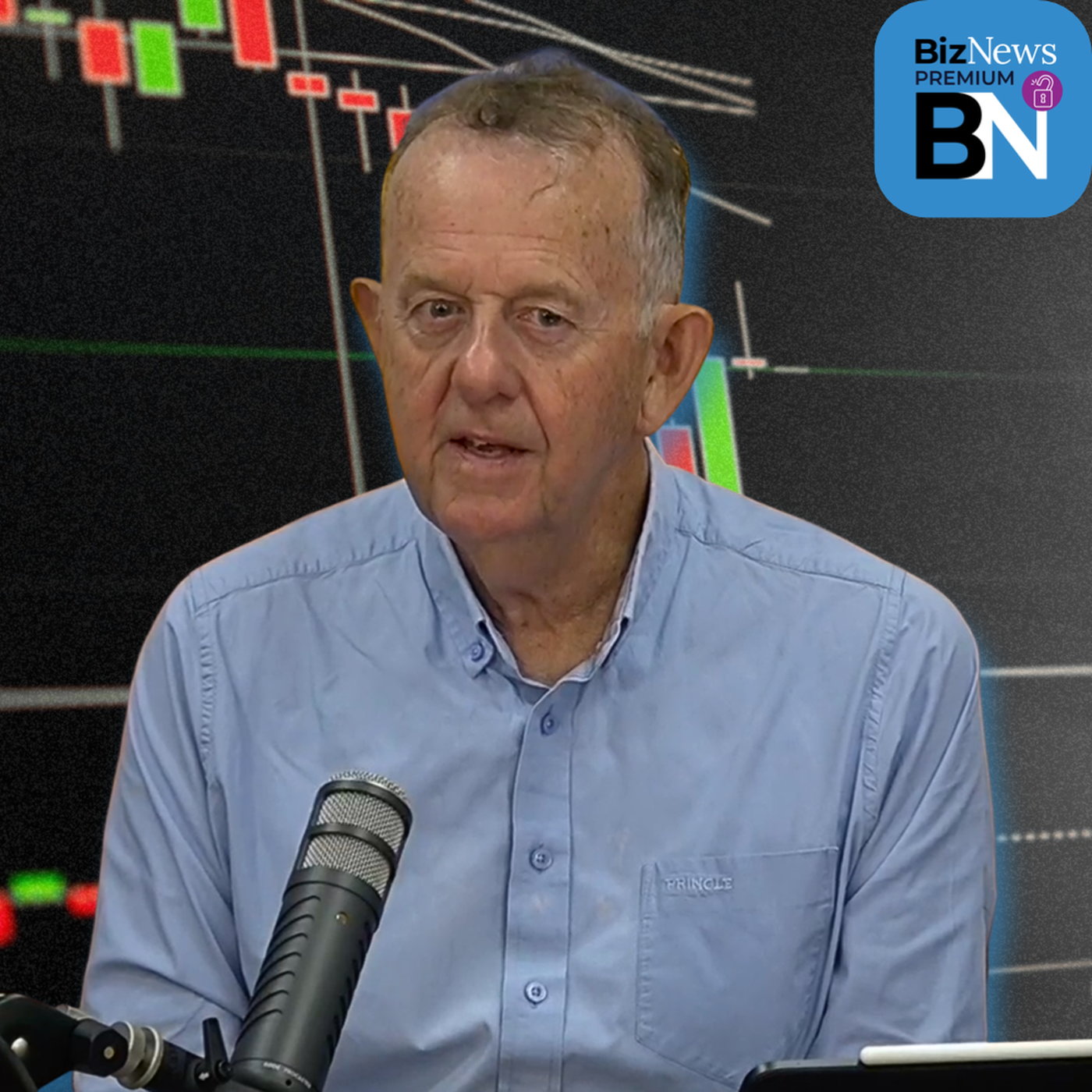
A JSE share trading for less than the cash in its bank account. That was Alec Hogg's case for Reinet in this week's Ricardo portfolio update, after interim results showed more than 80% of its assets in cash and liquid funds and the Rupert-controlled group buying back shares every week. He read past Lewis's tidy headline numbers to the credit data underneath, untangled three earnings figures at Prosus pointing in different directions, and explained why directors' dealings at WBHO and Lesaka were less alarming than they looked. On the watchlist, he set the fight for control of Spar's board against Shoprite's move, seven years in the making, to one share, one vote. And as Wall Street sold tech to make room for Anthropic's listing, he explained why the Ricardo dollar portfolio wasn't heading for the exit, and why the IPO put a price tag on something Alphabet and Amazon already own.
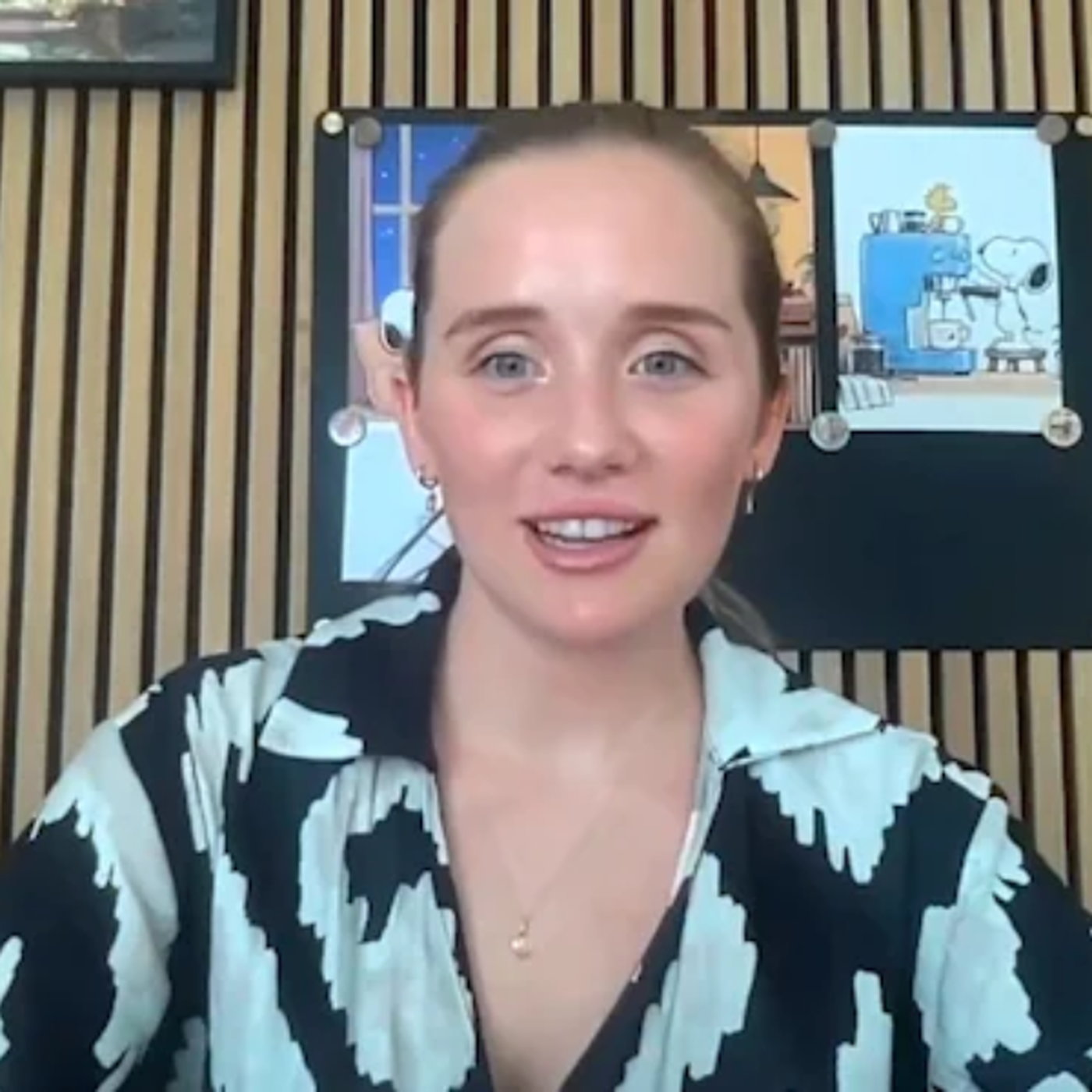
More than one in 10 university graduates in South Africa cannot find a job. With an economy that creates far too few jobs for the people entering it, and AI starting to eat into white-collar work, many school leavers and their parents are asking whether a degree is still the safest route. When Ashley Duggan finished school, she was torn, and her father offered her a choice. He could pay for her studies, or she could use that money to start a business. She chose the business and launched Bubbadue, a baby gift company, in January 2020, just before the Covid lockdown. She told BizNews how the lockdown gave her an unexpected boost, and how the company has grown since, with her dad and husband now part of the business and a first store open in Durban. Duggan also explained why she believes the right path depends on the person, what she would tell a teenager facing the same decision, and what is next for Bubbadue. – Linda van Tilburg
Michele Dougherty went to a Durban high school that didn't teach physics or chemistry. Years later, jet-lagged and nervous, she persuaded a room of about a hundred Cassini mission scientists to send the spacecraft just 173km above a tiny moon of Saturn. They found water vapour pouring from its south pole, and the search for life in the solar system changed course. Now the first woman to be Astronomer Royal in the post's 350-year history, she told Alec Hogg why she'd be very surprised if life didn't exist elsewhere, what the Juice mission will look for when it reaches Jupiter's icy moons in 2031, and why more South Africans should know about the giant telescopes in the Karoo. She was also frank about the harder side of her day job: telling Britain's main physics and astronomy funder that it can't be world class at everything.
Residents' need for quiet should usually outweigh the benefits of late-night entertainment.
Share your view, then see how readers voted. No sign-in required. This poll is shared across stories.
Do you agree or disagree?
Common Quandary
A Common Quandary to discuss
Another conversation to explore, separate from this news story.
You both hate the invitation. Which partner has to become the excuse?
A couple receives an invitation neither wants to accept. One suggests claiming the other is ill, reasoning that friends will question a vague excuse but respect sickness. The proposed patient dislikes lying but also wants to stay home.
Is a shared lie fair when only one person's reputation carries it?