Can AI spark a new wave of entrepreneurship? | Reid Hoffman
17 min
Listen through the publisher, then discuss the episode here or arrange an in-person Roundtable. Your city determines where to meet.
Roundtables are designed for groups of four, with a shared subject and room for everyone to speak. Come for discussion, with no dating expectation.
What happens to economic opportunity when AI changes the jobs people rely on? Reid Hoffman and Aria Finger explore why entrepreneurial skills will matter in every career and how AI can help more people start businesses. Reid traces his focus on expanding access to good jobs from founding LinkedIn to working with Opportunity@Work, including opportunities for workers without college degrees. They also discuss his AI-made album celebrating America’s 250th anniversary and how creative experiments can deepen human connection. His framework for guiding AI decisions puts humanity first, then society, then industry. For more info on the podcast and transcripts of all the episodes, visit https://www.possible.fm/podcast/
Episode information is provided by the publisher. Listening takes place on the publisher’s service.
In this episode, you’ll learn the secret to a better, happier life: connecting with the people around you. When I met my husband Chris, I was at a bar ordering a bourbon on the rocks to go. In a plastic cup (very classy, I know). Then I heard a voice behind me say, “That sounds great. Make it two.” I turned around. And here we are, celebrating 30 years of marriage. That one moment led to three children and decades of memories. All because a stranger decided to say something. I’ve been thinking about this ever since I sat down with Dr. Nicholas Epley for today’s episode of The Mel Robbins Podcast. He’s a psychologist and behavioral scientist at the University of Chicago who has spent years studying how we connect with other people, why we so often get it wrong, and what we miss out on when we don't say something in these moments: friends, lovers, colleagues, and magic. His research has found that happiness isn't just about the occasional big moment in life. It's about all the little goo
Microsoft shipped its November Week D update early, ahead of Thanksgiving, and confirmed there will be no preview update in December. Nvidia brought back CEO Jensen Huang. And Paul really dislikes Google's new Googlebook laptops. Windows Because of Thanksgiving, Microsoft ships the Week D updates early - Inline actions in Windows Search, various other improvements - 26H1 is gets the customizable new context menu in Explorer PowerShell 7 is coming to Windows 11 - or, "the next Windows version." Hm. New Windows Insider builds A new People widget also shows contacts from WhatsApp, more in Experimental, more Software Firefox delivers per-site VPN, more Hardware The first RTX Spark mini-desktop PCs are now shipping Googlebooks still suck. Worse than Windows 8? Yep. Earnings Dell - Up 103 Percent to $55 Billion - PCs are $12.9 billion, up 3 percent HP - Up 9.3 percent to $16 billion AI Like Jason in a Friday the 13th movie, Jensen Huang is back Anthropic debuted to a $2 trillion valuation, b
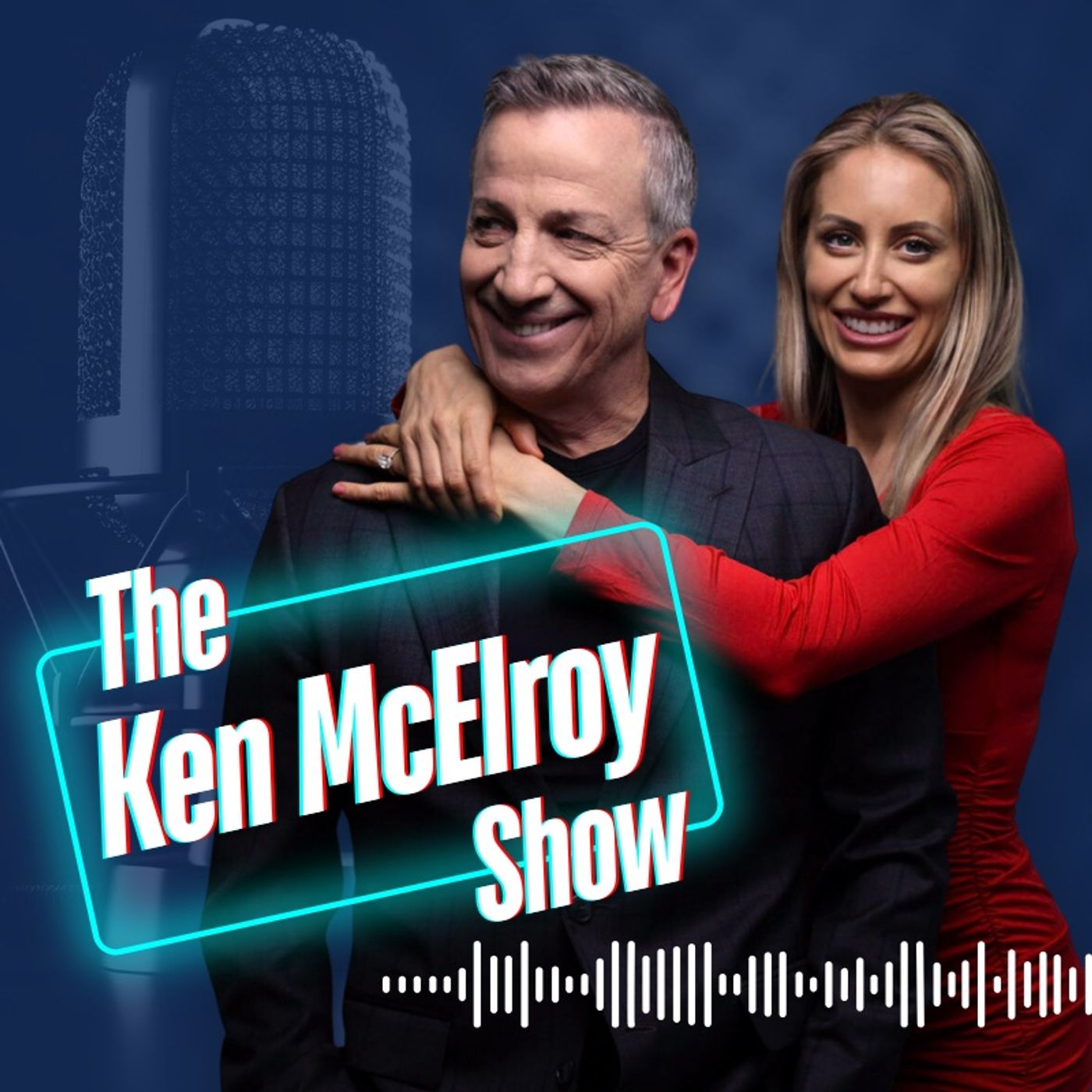
INVEST ALONGSIDE KEN If you're an accredited investor interested in investing alongside Ken, explore our latest real estate investment opportunity. Ken walks you through the opportunity in a short video, where you can learn more and determine if it might be a fit for your investment goals. ABOUT THIS EPISODE With the Federal Reserve's final interest rate decision of 2026 just two weeks away, investors face growing uncertainty about the direction of monetary policy, inflation, borrowing costs, and the broader economy.In this episode, originally recorded during last week's YouTube livestream, Ken McElroy is joined by George Gammon, host of the Rebel Capitalist Show, to explore the Fed's increasingly difficult choices ahead of its December 9 decision.Ken and George discuss what the bond market is signaling, the potential consequences of another interest rate hike, and what real estate investors and business owners should be paying attention to as we head into 2027.IN THIS EPISODE Why the
Now Mark wants to help you become financially free as well. Follow the podcast and turn on notifications! This Podcast is fan-made. No copyright infringement intended. --------- ---------- Keywords: side hustles, job interview, mark tilbury, business success
In this Daily Editorial, we are joined by Dave Erfle, Founder and Editor of the Junior Miner Junky. Dave breaks down the dramatic intraday reversal in gold and silver following a steep multi-month correction, explaining why the major producers are showing historic resilience and how investors should position themselves in the junior mining sector right now. Key discussion points include: Technical Gap Fills & Reversal Signals: Dave examines how filling long-standing weekly upside gaps in gold and silver triggered a strong intraday bounce, outlining the key weekly closing levels needed to confirm a durable market bottom. Major Miners vs. Junior Divergence: We explore why senior producers and royalty companies have held up remarkably well compared to the underlying metals, contrasting today’s disciplined balance sheets with the painful corrections of past cycles. Future M&A & Sector Consolidation: Dave shares his outlook on why merger and acquisition activity has remained quiet among the
Do you have a right to a healthy planet? Dig into the movement to hold governments accountable for climate change inaction. -- Since 2015, an unprecedented movement has been sweeping courts around the world. Groups of young plaintiffs are suing their governments for their inaction on tackling climate change. These suits argue that climate inaction violates their basic human rights. But what do human rights have to do with the environment? Shannon Odell examines our right to a healthy environment, food, health, and water. Lesson by Shannon Odell, directed by Lorenzo Mercanti, AIM Creative Studios. This video was made possible with support from the Open Society Foundations. To learn more about human rights visit: https://ed.ted.com/knowyourrights Learn more about how TED-Ed partnerships work: https://bit.ly/TEDEdPartner A special thanks to John Knox who provided information and insights for the development of this video. Support Our Non-Profit Mission ------------------------------------
In a special live Reid Riffs from Masters of Scale Summit, Reid Hoffman and Aria Finger tackle rapid-fire questions in a new segment called “Pardon the Disruption.” Reid digs into steering the AI frontier rather than slowing it, negotiating data center deals that benefit towns, and earning public trust amid AI job disruption. Manas AI co-founder Ujjwal Singh joins to explain how AI shrinks early drug discovery from years to weeks. For more info on the podcast and transcripts of all the episodes, visithttps://www.possible.fm/podcast/
OpenAI chief economist Ronnie Chatterji joins Reid Hoffman and Aria Finger to unpack when AI will show up in the productivity statistics and what it means for jobs. Ronnie explains why the shift to AI agents is still early for most companies, why legal and HR teams may adopt fastest, and why he doubts AI will triple unemployment soon. They also discuss AI and entrepreneurship, the care economy, GDPval, and trade policy. For more info on the podcast and transcripts of all the episodes, visithttps://www.possible.fm/podcast/
After Democrats win the House and Senate in the 2026 midterms, Reid Hoffman sees a clear demand: an economy that works for everyday Americans. He and Aria Finger examine Democratic breakthroughs in Texas and across the South, and what those candidates got right. Reid tackles the tension in his own political giving: why he keeps donating while backing efforts to get big money out of elections. They also discuss why Elon Musk’s spending fell short and what tech leaders who embraced the Trump administration must do to rebuild trust. From campaign donations to data centers, the conversation returns to one question: what are you doing for the American people? For more info on the podcast and transcripts of all the episodes, visit https://www.possible.fm/podcast/
Organizations should help affected people recover after a personal-data breach.
Share your view, then see how readers voted. No sign-in required. This poll is shared across stories.
Do you agree or disagree?
Common Quandary
A Common Quandary to discuss
Another conversation to explore, separate from this news story.
The restaurant forgot your expensive entrée. Do you point it out?
After a crowded dinner, you notice the restaurant omitted your most expensive entrée from the bill. Service was slow, the server seemed overwhelmed, and correcting it may create trouble for the person who made the mistake.
Does protecting someone from consequences ever justify benefiting from their error?