Listen through the publisher, then discuss the episode here or arrange an in-person Roundtable. Your city determines where to meet.
Roundtables are designed for groups of four, with a shared subject and room for everyone to speak. Come for discussion, with no dating expectation.
As negotiations over the next phase of the UK’s relationship with Europe go to the wire, are there already holes in the prime minister’s plans? With the UK-EU Summit fast approaching, questions remain over everything – from fishing rights to steel tariffs. But one of the biggest sticking points is Britain’s potential financial contribution. As the government publishes its European Union reset myth-buster guide, Sam Coates and Anne McElvoy examine whether Whitehall is being completely clear about the costs. And could closer ties with the continent, including an increase in youth mobility, have a knock-on effect on implementing Alan Milburn’s welfare reforms?
Episode information is provided by the publisher. Listening takes place on the publisher’s service.
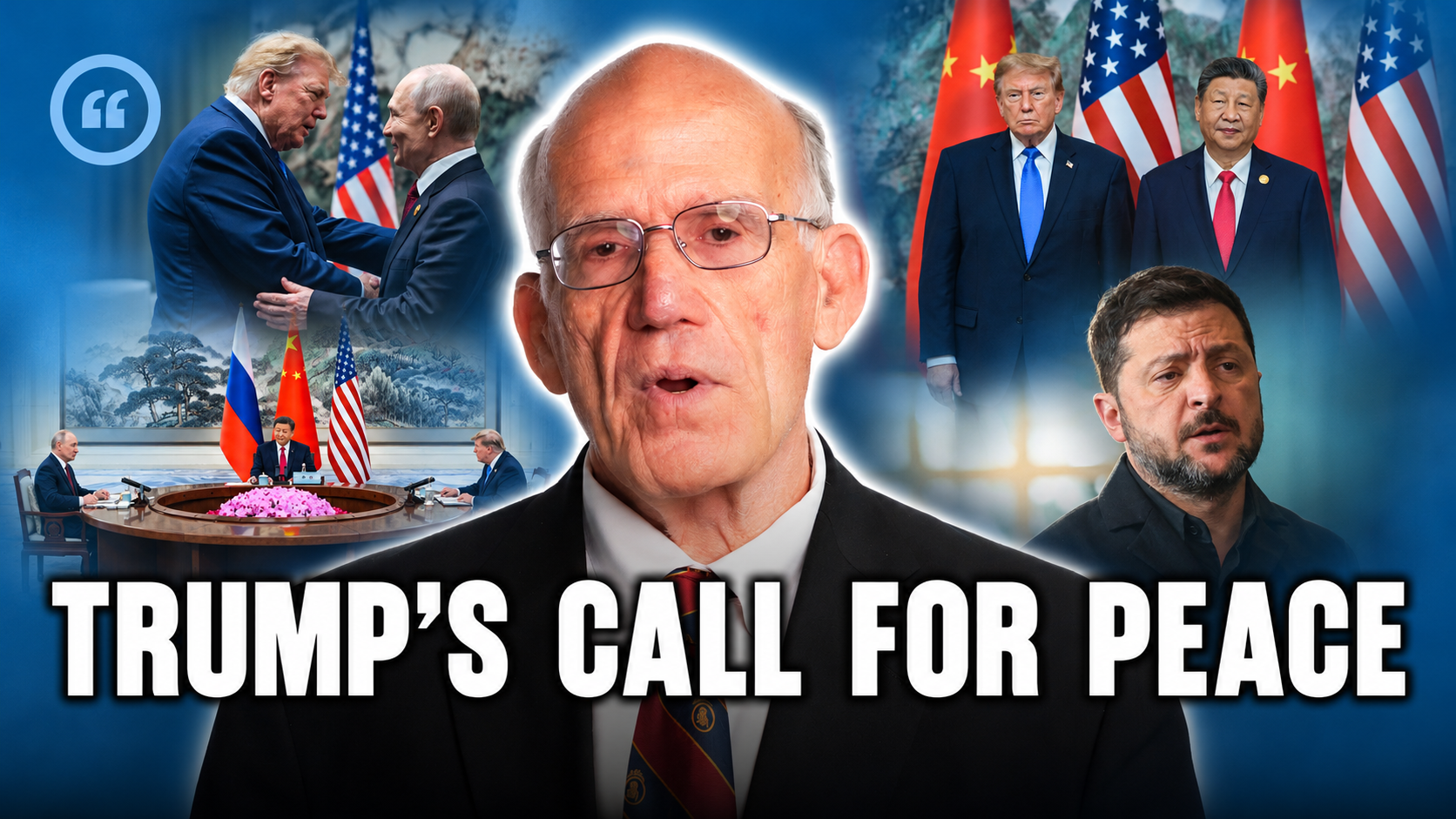
President Donald Trump's first ever trilateral summit with Vladimir Putin and Xi Jinping raises questions about the future of the war in Ukraine and whether a peace agreement could finally be within reach. Victor Davis Hanson and Sami Winc examine the summit on today’s edition of “Victor Davis Hanson: In His Own Words,” discussing Russia's declining influence, potential territorial concessions in Ukraine, and Europe's frustration over Trump's peace negotiations. Hanson criticizes Hillary Clinton's attacks on Trump's diplomacy; he also argues that European leaders have weakened their influence by neglecting defense spending and relying on American military protection. They discuss Elon Musk's shifting political allegiances, and Hanson warns that distancing himself from MAGA may not protect him from Democrat investigations. They also discuss the potential economic benefits of artificial intelligence and the challenges facing Hakeem Jeffries as Democrats prepare to take control of the Hou
Until a little under two weeks ago, Silicon Valley Bank was the sixteenth largest bank in the United States, the favoured choice of tech startups due to the tailored services it provided. But by 10th March 2023, American authorities were taking control of SVB following its collapse. It had assets of over $200bn, making for the second biggest bank failure in US history. There were a number of factors behind the collapse, and it’s causing concern as it’s common for one bank collapse to be followed by another, due to what’s called financial contagion. Indeed, just a few days later it was the turn of New York-based Signature Bank to collapse. And over in Europe, Switzerland’s second largest bank Crédit Suisse had to take out a $54bn to stay afloat, before then being bought out by the country’s largest bank UBS, in a bid to halt the crisis. Why did Silicon Valley Bank collapse? How do stock market crashes happen? In under 3 minutes, we answer your questions! To listen to the last episodes,
On Friday’s Mark Levin Show, Alabama residents are speaking out over plans to expand the Auburn Islamic Center and build a mosque. Residents argued their opposition was not political or based on religious hatred, but on concerns about an ideology which threatens American society. These local governments are treating mosques the same as other houses of worship under zoning rules, but officials should use regulatory and ordinance processes to scrutinize such projects. This Auburn Islamic Center is about a foreign power attempting to extend its influence deeper into America. Local zoning boards should put a stop to this. Meanwhile, Texas Governor-elect Gina Hinojosa, despite campaigning as a centrist focused on the American Dream, is pursuing policies that favor migrants and H-1B visa holders over American citizens by expanding migrant hiring in schools and state jobs. These policies will lower wages, reduce job opportunities for citizens, increase housing costs, and weaken public infrast
Donald Trump has a blunt message for Canada following his meeting with Prime Minister Mark Carney, warning that Canadian leaders are feeling increasingly emboldened as Canada-U.S. trade negotiations remain unresolved. White House trade advisor Peter Navarro is also taking aim at Canada's negotiating team, accusing Canadian officials of misreading their leverage with Washington. Meanwhile, Trump's surprising comments about Chinese espionage are sparking controversy as Carney deepens Canada's economic relationship with Beijing. Visithttp://keet.io/jasminlaine - Download it free, invite one person you trust, and start a conversation that belongs to you. Help me stay 100% independent! Send a one-time contribution - Let’s Be Friends! (https://www.instagram.com/jasminlaine/)
What actually works when it comes to detecting lies, and why are so many popular ideas about reading people and nonverbal behavior at odds with the scientific research? I talk with Aldert Vrij, one of the world's leading deception-detection researchers, who has spent almost four decades studying these topics. We discuss why what people say is far more revealing than their body language; why the perceived “sexiness” of reading nonverbal behavior has contributed to widespread myths and misconceptions; whether vocal behaviors like pitch, volume, and hesitation contain meaningful clues; and whether there's value in analyzing minor word choices and turns of phrase, as is done in so-called “statement analysis.” We discuss Paul Ekman's legacy as a source of faulty ideas about deception, micro-expression-based deception detection training, and the strategies that popular “body language experts” use to appear scientifically credible while simultaneously promoting ideas that conflict with the sc
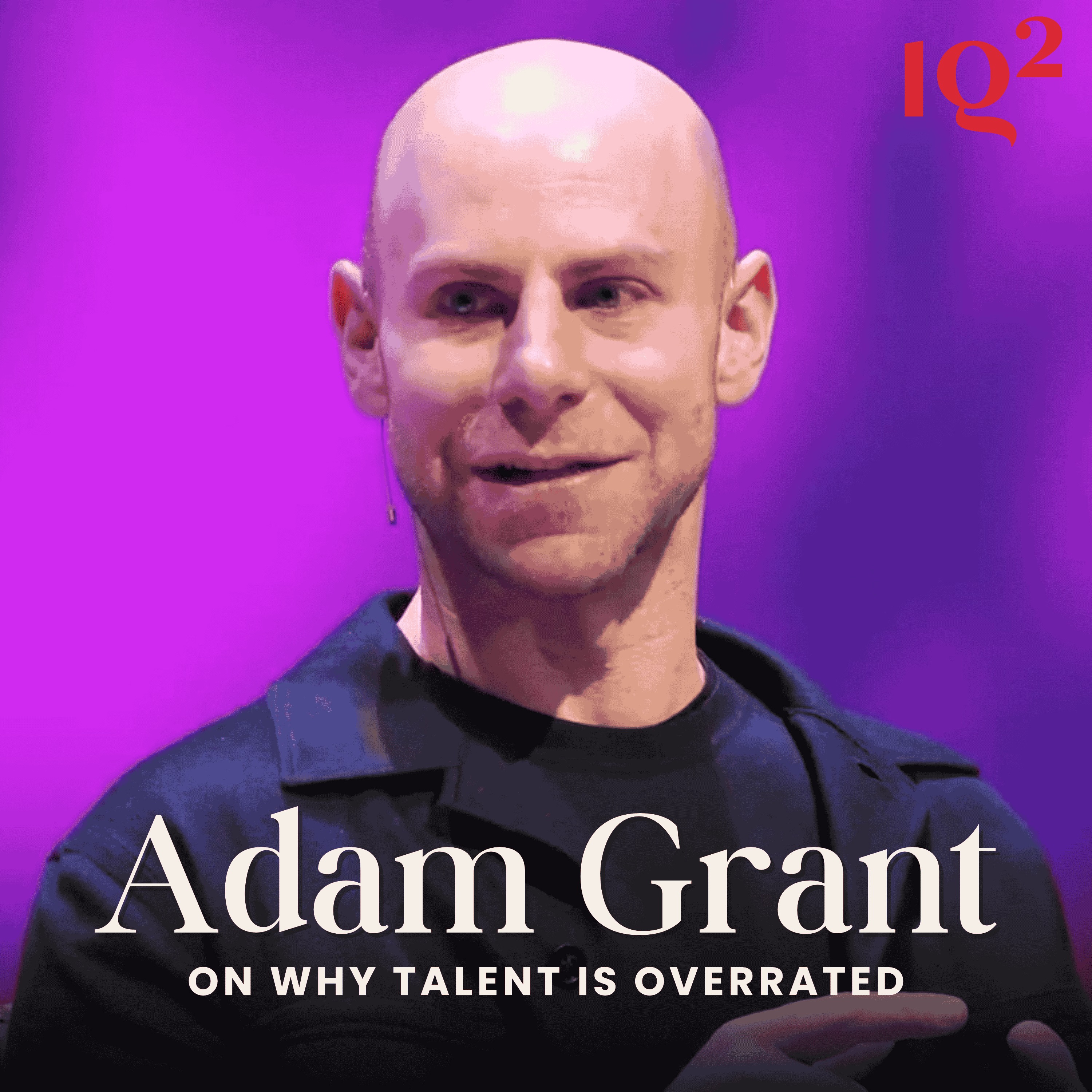
Adam Grant is one of the most sought after organisational psychologists in the world. He has provided expert advice to many of the world’s greatest business leaders, including Bill Gates and Sheryl Sandberg, equipping them with the mental tools to find motivation and meaning, rethink assumptions, and achieve greatness in their business and personal lives. In January 2024 Grant came to the Intelligence Squared stage for a rare, exclusive London event where he shared his revolutionary framework for how we can all exceed the expectations and aspirations we have set for ourselves. Drawing on his new book Hidden Potential he explained that despite living in a world that tends to admire people who start out with innate talent, there is clear scientific evidence that we can all bridge the biology gap and improve ourselves dramatically. In conversation with economist and FT columnist Tim Harford, Grant wove together groundbreaking evidence, surprising insights, and vivid story telling to take
With multiple high-stakes summits taking place across the world – where does Britain stand on the international stage and are we prepared for a new relationship with Europe? From Trump, Xi and Putin meeting in China to Andy Burnham preparing for the long-awaited UK-EU summit – Sam Coates and Anne McElvoy assess where Britain lies in the world. Will the future of Ukraine be decided behind closed doors, do the British public in favour European freedom of movement and will we see some dates and timelines?
Andy Burnham’s Number 10 North is already on the move. Sam Coates and Anne McElvoy have the details of where the PM’s Manchester base will end up. But this is the day that’s all about Alan Milburn – with breakfast interviews, a Cabinet appearance, a presser and a few more interviews before the commute home. He’s going for a complete reset to tackle the one million not in employment, education or training (NEETs). The government has the ambition of cutting the NEETs rate from 13% to 5% in the next decade.
Is the Prime Minister about to face three major battles in one week – and does he have the political capital to win them? With the Milburn review, a crucial UK-EU Summit and a looming decision on Rosebank, Andy Burnham is up against it. But with rebellions brewing inside Labour, can the PM hold his ground, or will he be forced into multiple climbdowns? Sam Coates and Anne McElvoy examine the battles threatening to define Burnham’s premiership, who’s willing to challenge him and whether he can unite the Labour party around his vision for the country.
Employees should usually have a say in whether their work requires office attendance.
Share your view, then see how readers voted. No sign-in required. This poll is shared across stories.
Do you agree or disagree?
Common Quandary
A Common Quandary to discuss
Another conversation to explore, separate from this news story.
A parent clearly built the winning science project. Who should lose the prize?
An elementary student submits an elaborate science project far beyond their apparent ability. The parent proudly describes working together all weekend, and the child clearly learned something, but other students completed simpler projects themselves.
What is a fair response when help improves learning but distorts achievement?