Listen through the publisher, then discuss the episode here or arrange an in-person Roundtable. Your city determines where to meet.
Roundtables are designed for groups of four, with a shared subject and room for everyone to speak. Come for discussion, with no dating expectation.
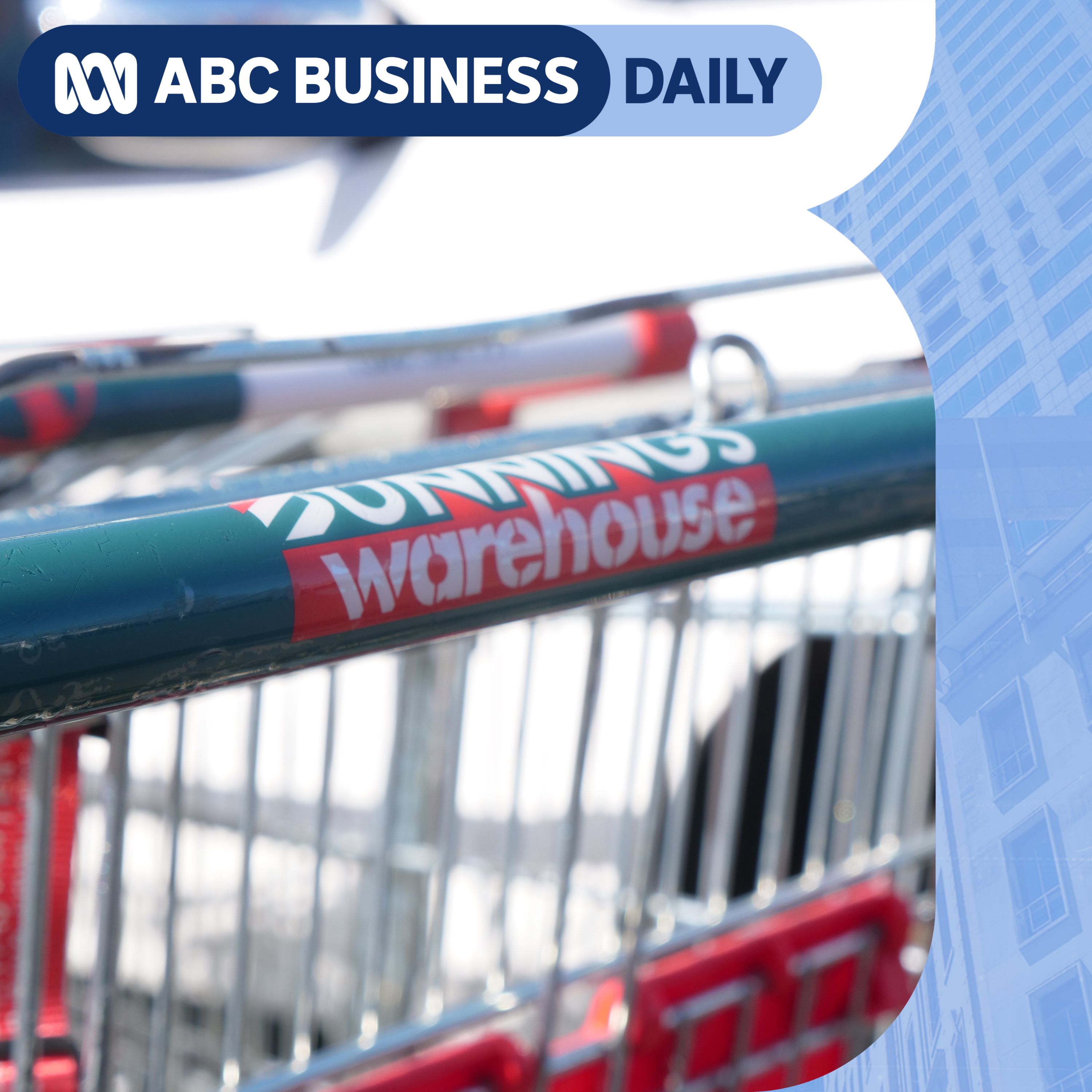
Another day, another Australian company moving jobs offshore. This time it’s Bunnings, which says the AI revolution is part of the reason behind its latest restructure. But while businesses are pouring money into AI, where are the productivity gains? And if we don’t like Australian jobs being moved offshore, what - if anything - should government do about it? And speaking of government intervention, Treasurer Jim Chalmers wants to change the rules governing almost $5 trillion in Australians’ super. Does the idea stack up? Carrington Clarke and Independent Economist Saul Eslake break it all down on ABC Business Daily. Got a burning business question? We'd love to hear your questions!
Episode information is provided by the publisher. Listening takes place on the publisher’s service.
These 4 standards measurements have the potential to change your life in very impactful ways. What standards are you setting for yourself? Is it a should or a must? Tony Robbins speaks on raising the bar and quality of your life by raising your standards. Uploaded 07-07-24 Watch more videos like this These 3 Questions Will Change How You Do EVERYTHING!: https://youtu.be/43RL-kSEEyQ The #1 Most Important Skill for Improving Your Life: https://youtu.be/8joX6mdOVcE Prime Your Brain to STOP Stress, Anxiety and Fear INSTANTLY: https://youtu.be/60ROjGMqXUQ The Tony Robbins Podcast: https://www.youtube.com/playlist?list=PLYTXvUDQT5pWkFiK1Yal1WtPcMrVbmjzA Tony Robbins is a #1 New York Times best-selling author, entrepreneur, philanthropist, and the nation's #1 Life and Business Strategist. For more than four and a half decades, more than 100 million people from 195 countries have enjoyed the warmth, humor, and transformational power of his business and personal development events. Mr. Robbins
You went back. Maybe not to the same person, but to the idea of them. You rehearsed the conversation again in your mind. You thought of better words, sharper examples, a clearer way to say the thing you'd already said. You kept trying to win an argument that was already over, with a person who had already walked away. Uploaded 13-10-26 That hunger to be understood is one of the most natural things in the world. And it is also one of the quietest thieves of a person's peace that I know of. You explain yourself to one person, feel relief for a day, and then someone else shakes their head, and you're back building the case for your own life all over again. Here is the truth: it is not another person's job to understand you. It is your job to understand yourself. And once you've done that interior work, the opinions of people who don't understand you go from feeling like a verdict to feeling like weather. This seminar unpacks the single mechanic behind why you keep over-explaining your lif
Is the property downturn shifting from city to city, or are national headlines hiding what is happening on the ground? On this week's Australian Property Podcast, Pete Wargent and Chris Bates look at changing listings, buyer demand and price movements across Australia's housing markets. If you're considering a first home, an upgrade or an investment property, this episode offers questions to ask before acting. Check current lending and tax rules, and seek qualified personal advice rather than treating a podcast discussion as a recommendation. Episode resources Show partner resources Rask resources – Pete's Buyers Agency (https://www.allenwargent.com.au/) – All services (https://bit.ly/R-services) – Financial Planning (https://bit.ly/R-plan) – Invest with us (https://bit.ly/R-invest) – Access Show Notes (https://bit.ly/R-notes) – Ask a question (https://bit.ly/R-quest) – We love feedback! (https://raskau.typeform.com/to/ZbfHy6IP) – Instagram: @rask.invest (https://www.instagram.com/rask
Get the 200+ Page Optimal Living Daily Workbook (PDF) - Free. Want to turn today's episode into an actionable plan? Episode 3779: Joshua Fields Millburn and Ryan Nicodemus of The Minimalists explain the first steps they took to regain control of their money after years of six-figure debt. It starts with a written monthly budget that sorts every expense into essentials, nonessentials and junk, plus a small safety net for emergencies, and then reframes investing as simply paying your future self, automated so you never miss the money. Read along with the original article(s) here: https://www.theminimalists.com/freedom/ Quotes to ponder: "Most of us have no idea where our money is going. We think we know, but we don't really know." "The stricter you are, the sooner you'll be free." "Right now is the best time to start planning for your future." Airwallex is a financial technology company, not a bank. Services in the US are provided by Airwallex US, LLC, a licensed money transmitter (NMLS
Hey everybody, Tom Bilyeu here. On today’s episode of Impact Theory, we’re taking on a topic that’s got the whole world holding its breath: the escalating crisis between the United States and Iran. As tensions ratchet up, we’re asking the tough questions—how did we get stuck in this “escalation trap,” and what does it mean for America’s global leverage, our economy, and our very sense of security? The conversation focused on why the traditional idea of “strategy” might be failing policymakers, using powerful analogies—like chess versus roulette—to show how doubling down in conflict can spiral out of control. We’ll break down the risks of tactical “wins” that create even bigger crises, the real leverage Iran holds with control of the Strait of Hormuz, and the mounting pressure on President Trump as political support erodes and legacy hangs in the balance. A key theme that emerged is what happens when military might runs into decentralized opposition, and why high-stakes gambles—like the
This episode is brought to you by Sarmaya Partners. Learn more about Sarmaya’s LENS ETF, their full data and comparison, including performance here: https://sarmayaetf.com/ In this episode of Other People's Money, Max Wiethe sits down with Muddy Waters Capital founder Carson Block to discuss his firm's explosive new short thesis on Nvidia. Block breaks down the alarming connections between a former Nvidia executive and a former SMCI executive recently implicated in a major chip smuggling scandal. The conversation dives deep into the national security implications of dual-use technology and how the ongoing geopolitical tug-of-war between the US and China is reshaping the semiconductor sector. Tune in to hear why Block believes this scandal goes far beyond CEO indiscretions and could trigger a massive regulatory reckoning for Silicon Valley's biggest players. Follow Muddy Waters on X: https://x.com/muddywatersre Follow Max on X: https://x.com/maxwiethe Follow Other People’s Money on: App
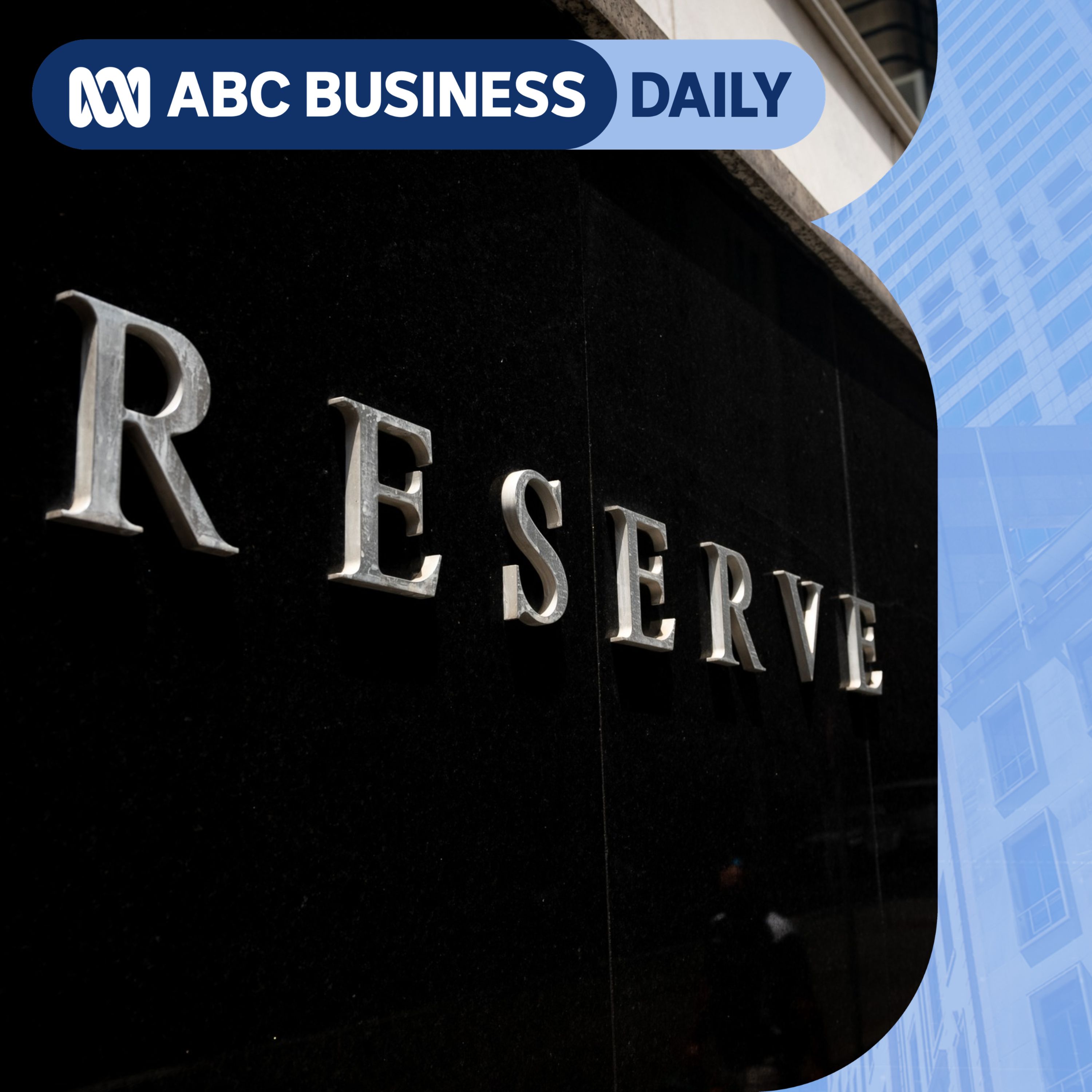
Between rising inflation, a weakening labour market, and ongoing war in the Middle East keeping energy costs high, it's a difficult time for the Australian economy. The Reserve Bank's answer to these economic woes has been to hike interest rates fives times in 2026. It's a blunt tool — and an unpopular one among mortgage holders. But are interest rate rises our best bet to fix the economy? Warwick McKibbin sat on the RBA board from 2001 to 2011, and he worked at the bank for decades. He knows what it's like to be in the room making the call on interest rates — and he's also dealt with the fallout of leaked information about those decisions. He sat down with Carrington Clarke on ABC Business Daily to talk inflation, rate rises, and how much the public should know about RBA members' opinions. Got a burning business question? We'd love to hear your questions!
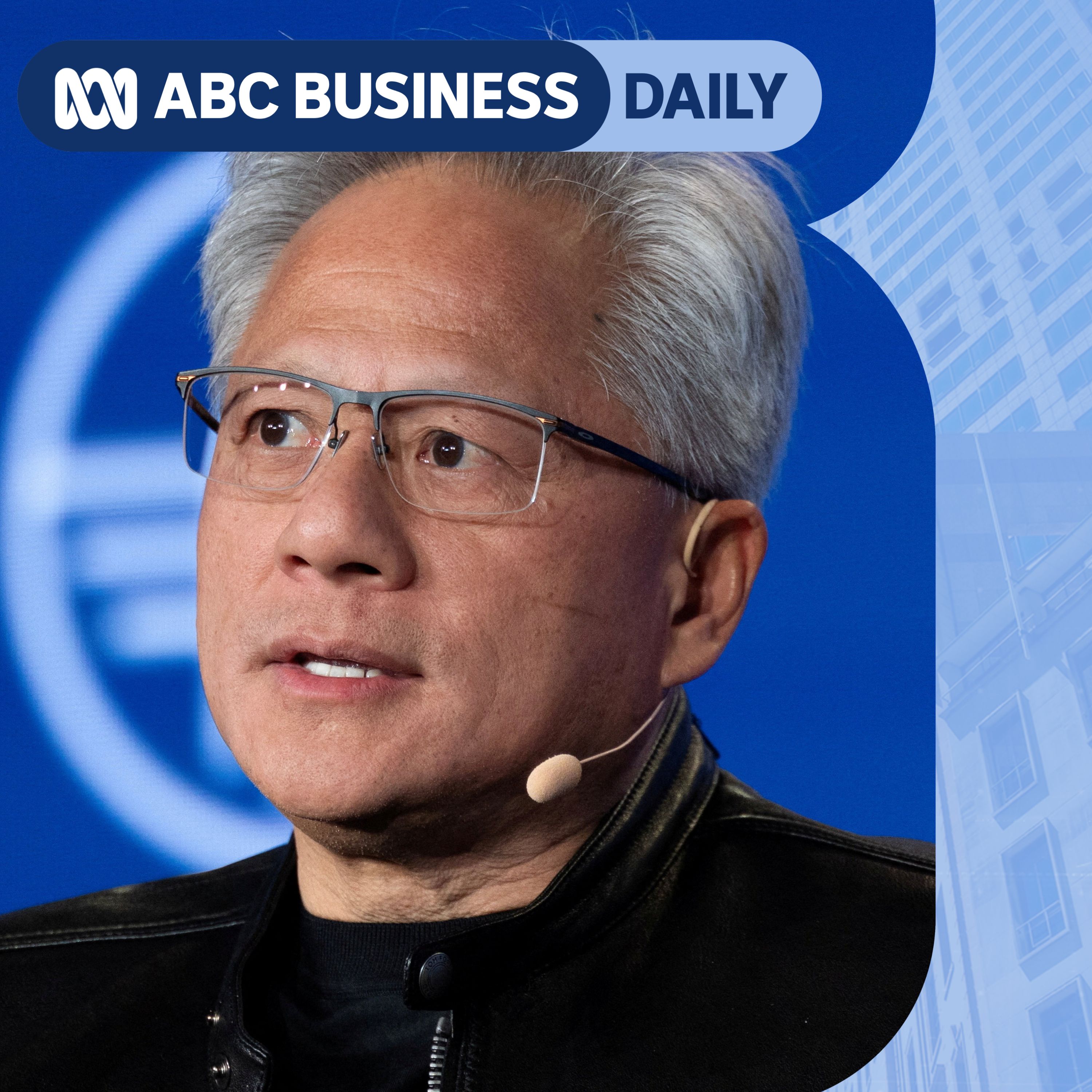
Jensen Huang helped turn Nvidia into one of the world’s most valuable companies. Now, a scandal involving his personal life has forced him out and raised a bigger question - what happens when one person becomes almost as important as the company itself? From Elon Musk to Dario Amodei, does the rise of the celebrity CEO create a business risk of its own? Plus, Anthropic is preparing for the biggest IPO in history - a major test for an AI trade already looking shaky. And back home, Australia’s unemployment rate has jumped to 4.9 per cent, with 43,500 jobs lost in October - potentially changing the calculus for whether the Reserve Bank needs to raise rates again. Lin Lin and CEO of technology research and advisory firm Futurum Group, Daniel Newman, break it all down on ABC Business Daily. Note: Futurum Group is advisor to Nvidia and Daniel Newman personally hold shares in NVIDIA. Got a burning business question? We'd love to hear your questions!
A pivotal week for AI has arrived - for more reasons than one. The resignation of Nvidia CEO Jensen Huang has added to a broader sell-off in technology stocks, while the US tightens restrictions designed to limit China's access to its most advanced AI chips. And now Australia has joined a US-led agreement aimed at securing the technology and critical minerals needed to power the AI boom - just days before one of the biggest tests yet of investor appetite for Anthropic. Meanwhile, back in Australia, we're learning more about the financial troubles engulfing David Jones. Carrington Clarke and ABC Business Reporter Steph Chalmers break it all down on ABC Business Daily. Read Ian Verrender's latest analysis on AI here (https://www.abc.net.au/news/2026-11-17/wheels-falling-off-ai-investment-boom-nvidia-anthropic/107392122). Got a burning business question? We'd love to hear your questions!
Reliable software matters more than releasing new features quickly.
Share your view, then see how readers voted. No sign-in required. This poll is shared across stories.
Do you agree or disagree?
Common Quandary
A Common Quandary to discuss
Another conversation to explore, separate from this news story.
A stranger is behaving horribly in public. Do you record them?
You witness a stranger berating a service worker in public. Recording could create accountability and protect the worker, but posting the video could expose everyone involved to a permanent online audience.
Who gets to decide when public behavior becomes public content?