CARACAS Political Uncertainty Surrounding Venezuelan Transition — Part Two EVAN ELLIS 2 111226
6 min
Listen through the publisher, then discuss the episode here or arrange an in-person Roundtable. Your city determines where to meet.
Roundtables are designed for groups of four, with a shared subject and room for everyone to speak. Come for discussion, with no dating expectation.
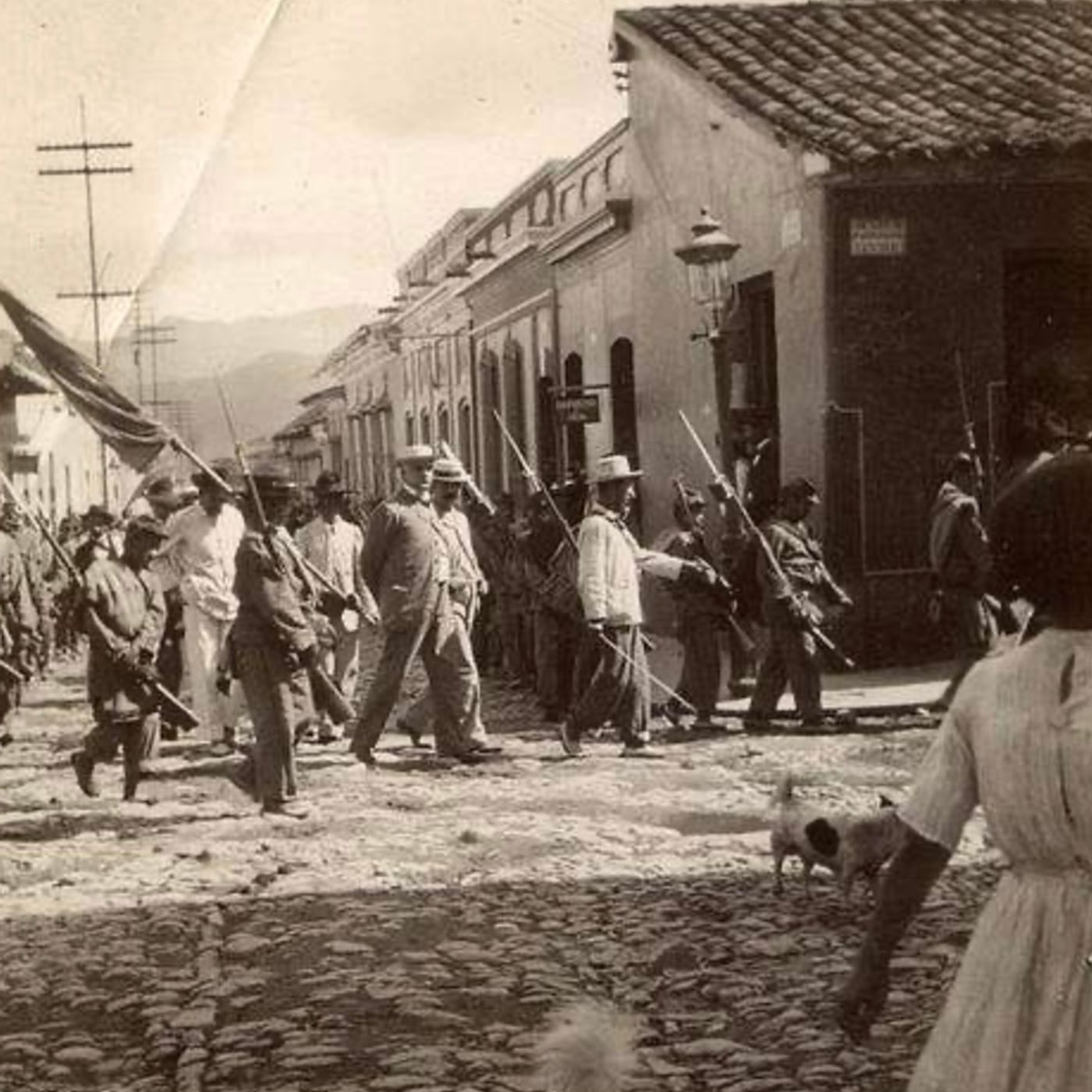
1900 CARACAS Political Uncertainty Surrounding Venezuelan Transition — Part Two Evan Ellis reports on Venezuela as opposition leader María Corina Machado demands democratic elections and the release of political prisoners. With Secretary of State Marco Rubio attempting to negotiate electoral timelines, incoming congressional committee leadership is set to escalate pressure against the regime’s delay tactics. (14)
Episode information is provided by the publisher. Listening takes place on the publisher’s service.
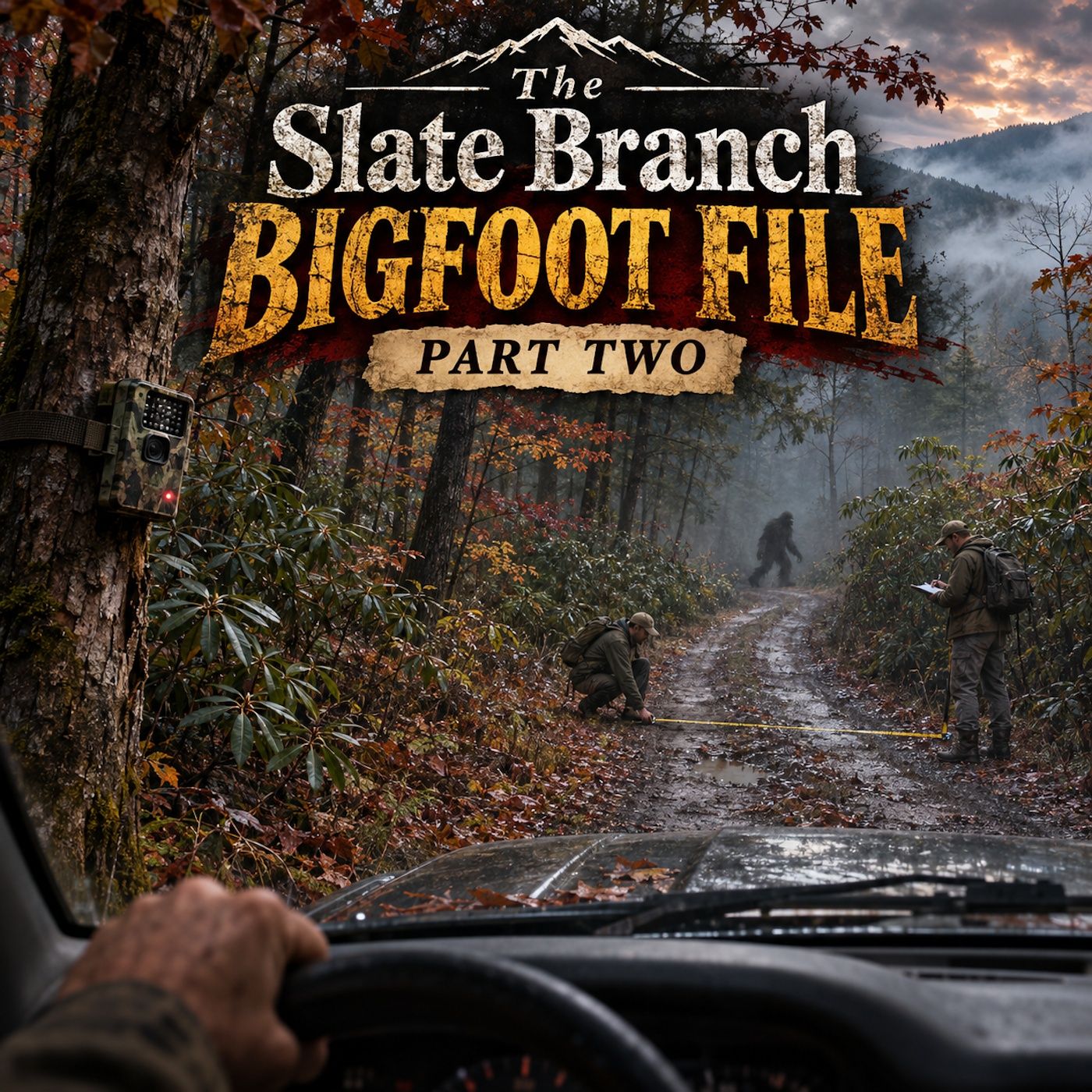
On October 7, 2017, Tom Rigsby watched something large, dark, and walking upright cross a remote logging road in western North Carolina. The encounter lasted less than five seconds. Tom waited two days before reporting it, and when he finally put his experience in writing, he never once used the word Bigfoot. In Part Two of The Slate Branch File, Brian takes a closer look at the encounter that started it all. Drawing from the field notebooks of former wildlife survey technician Nate Calder, Brian examines Tom’s credibility, his years of experience working in bear country, and the details he initially refused to include in his official statement. When Nate and Evan Harlan return to the crossing site to recreate the encounter, their measurements raise more questions than answers. Meanwhile, a mysteriously repositioned trail camera, an overlooked access route through the surrounding national forest, and troubling gaps in the crew’s assumptions suggest the remote property may not have been
Melania Trump faced fresh questions over the Jeffrey Epstein files, while Hakeem Jeffries confronted growing resistance to his bid for House Speaker. In an exclusive interview with Don, Rep. Robert Garcia discussed the battle for Democratic leadership, the fight to release millions of pages of Epstein-related documents, and his plans to hold the Trump administration accountable. Garcia addressed the possibility of subpoenaing First Lady Melania Trump as questions continued over her past acquaintance with Ghislaine Maxwell and claims made by Jeffrey Epstein. Meanwhile, Democrats faced an internal leadership showdown. Progressive lawmakers were withholding support from Hakeem Jeffries, Ayanna Pressley's name was being floated as a possible alternative, and Senator Chris Van Hollen was challenging Chuck Schumer for Senate leadership. Don also examined the White House's warning to Democrats pursuing investigations and asked whether the incoming congressional majority was prepared to use it
Michael Wolff and Joanna Coles break down Donald Trump’s latest press conference, from his startling answer about Vladimir Putin to the awkward spectacle of JD Vance and Marco Rubio standing behind him. Michael reveals what he’s heard about a private conversation in which Trump admitted his options in Iran “all stink” and appeared momentarily confused about who Pete Hegseth was. They discuss how the war and the midterm results have weakened Trump’s grip on the Republican Party, why Vance and Rubio are calculating their next moves and what comes next for Ukraine. Plus, Michael and Joanna review Melania Trump’s new series, debate Elon Musk’s political influence and business achievements and explain why the AI boom could be vulnerable as Trump’s power fades. #ad Ready to reach your goals? Visit https://hims.com/ith #ad Unlock your best hair & skin with @iRestorelaser and HUGE savings on iRESTORE with code BEAST at https://irestore.com/BEAST! #irestorepod
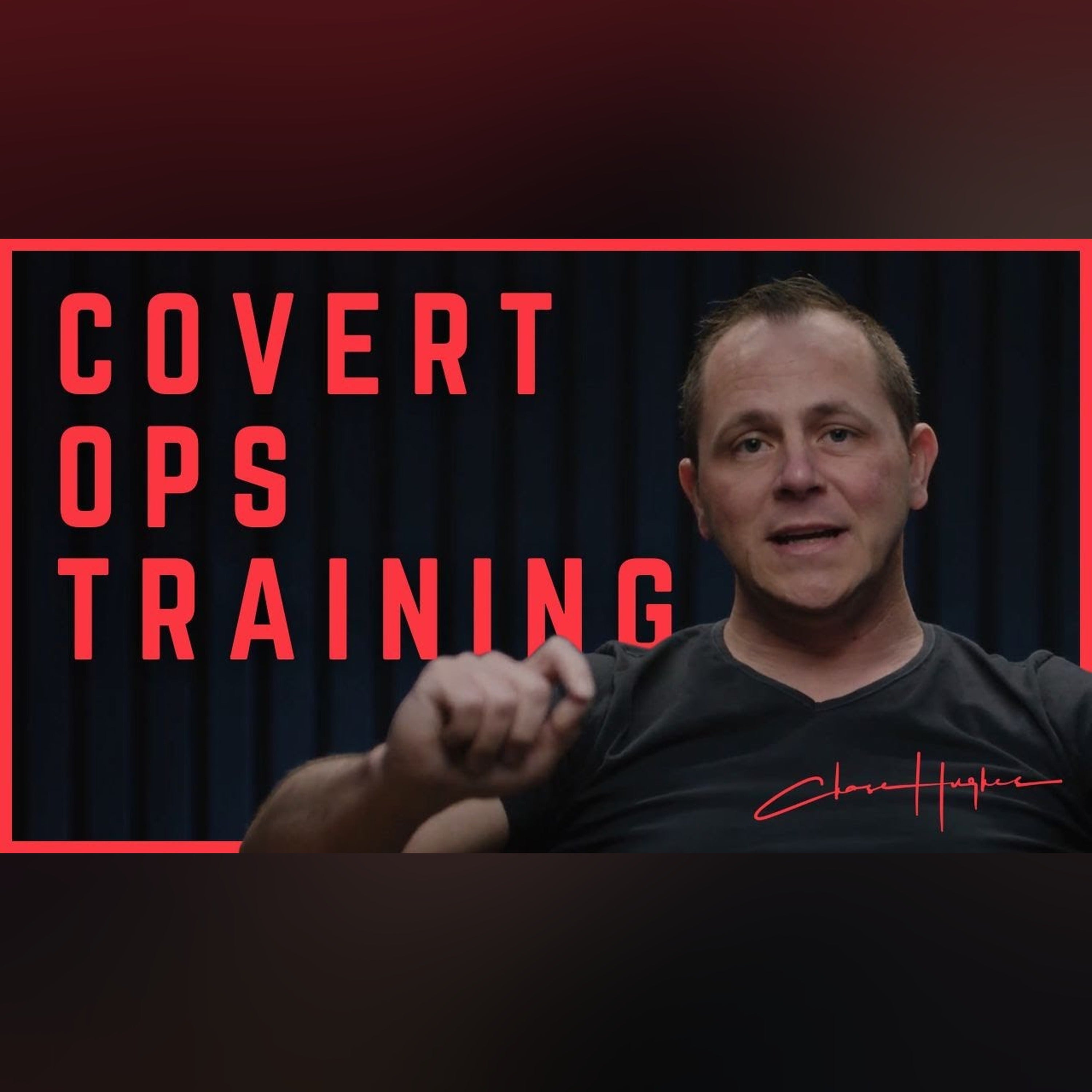
Unlock the full training here by joining NCI University: Uploaded 13-04-24 In this enlightening video, delve into the psychology of authority and discover how to become the undeniable leader in any room. We explore the five critical 'tripwires' that trigger authority perception—movement, appearance, confidence, connection, and intent. Learn practical tactics to enhance your body language, boost your appearance, and project unstoppable confidence. Understand the power of genuine connection and clear intent in shaping how others perceive and respond to you. Whether you're leading a team, influencing peers, or simply want to command respect in social settings, these insights are invaluable. 00:00 Unlocking Authority: The Five Key Tripwires 02:05 Diving Deep into Movement and Posture 03:46 Slowing Down: The Secret to Commanding Presence 05:11 Leadership Lessons from Andy Griffith 06:47 Finding Balance: The Composure Pendulum 08:35 Marcus Aurelius on True Authority 10:12 Mastering Authority
Louisiana State Penitentiary, more commonly known as Angola Prison, is America’s biggest maximum security prison in a state that incarcerates more people than any other. That means they are there for having committed the most serious crimes, including murder. Most will never leave jail. Several days a year, some inmates are allowed to take part in the US's last prison rodeo. Whilst the inmates are primarily black, the paying audience is mostly white. Supporters of the rodeo say it’s a chance for the prisoners to interact with people from outside the prison and also potentially earn some money to send back to family or make their life more palatable. Opponents say it is exploitation - not unlike a roman gladiatorial contest, where the audience gleefully waits to see if the bulls are going to get the better of the cowboys. Anna Adams reports from Louisiana.
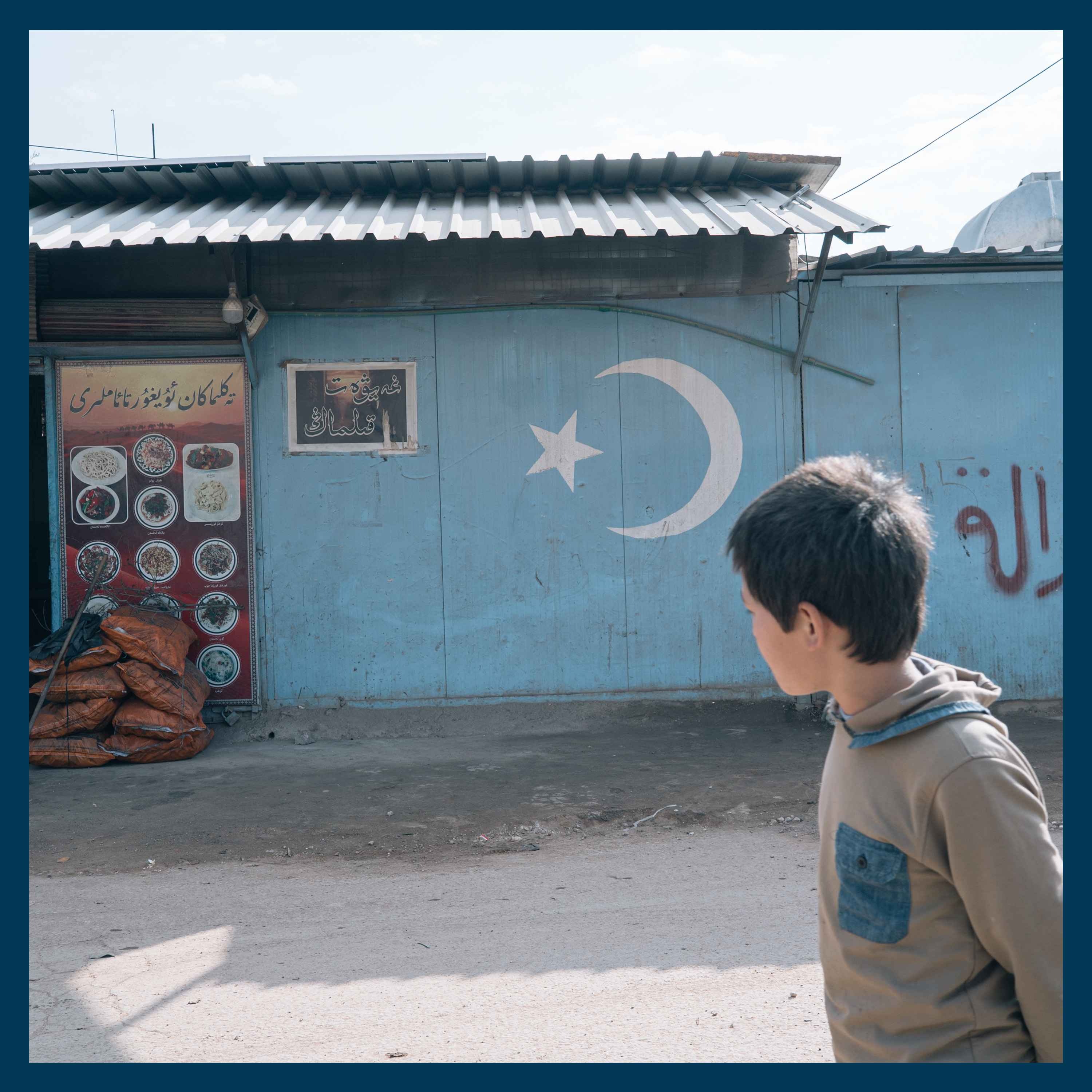
Over 20,000 Uighur refugees escaped repression in China by fleeing to Syria at the height of its brutal civil war. Originally from north western China, the Muslim minority fought fiercely against the Assad regime. But now that the war is over, they live in limbo, unable to return home or even contact loved ones while the Chinese state continues its campaign against their community. So will the new Syrian government honour their sacrifice? Or try to stay on good terms with the Chinese state? Our reporter has been to northern Syria to meet them. Guest: Anthony Loyd, special correspondent, The Times Host: Luke Jones Producer: Robyn Simon and Harry Stott We want to hear from you - email: [email protected] Read more: They fought for Syria’s freedom. Will they fight for their own? (https://www.thetimes.com/world/middle-east/article/uighur-fighters-syria-xinjiang-china-cfv5733d8) Further listening: SAS in Syria: the untold murder probe (https://pod.fo/e/6c8ea9) Clips: The New York Times,
Sandpaper Scandal Resurfaces Again Jeremy Zakis reviews the 2018 cricket scandal in which Australian players secretly used sandpaper to alter the ball. The controversy has resurfaced after a former teammate published a book accusing current captain Pat Cummins of involvement, sparking intense debate despite official support for Cummins. (3)
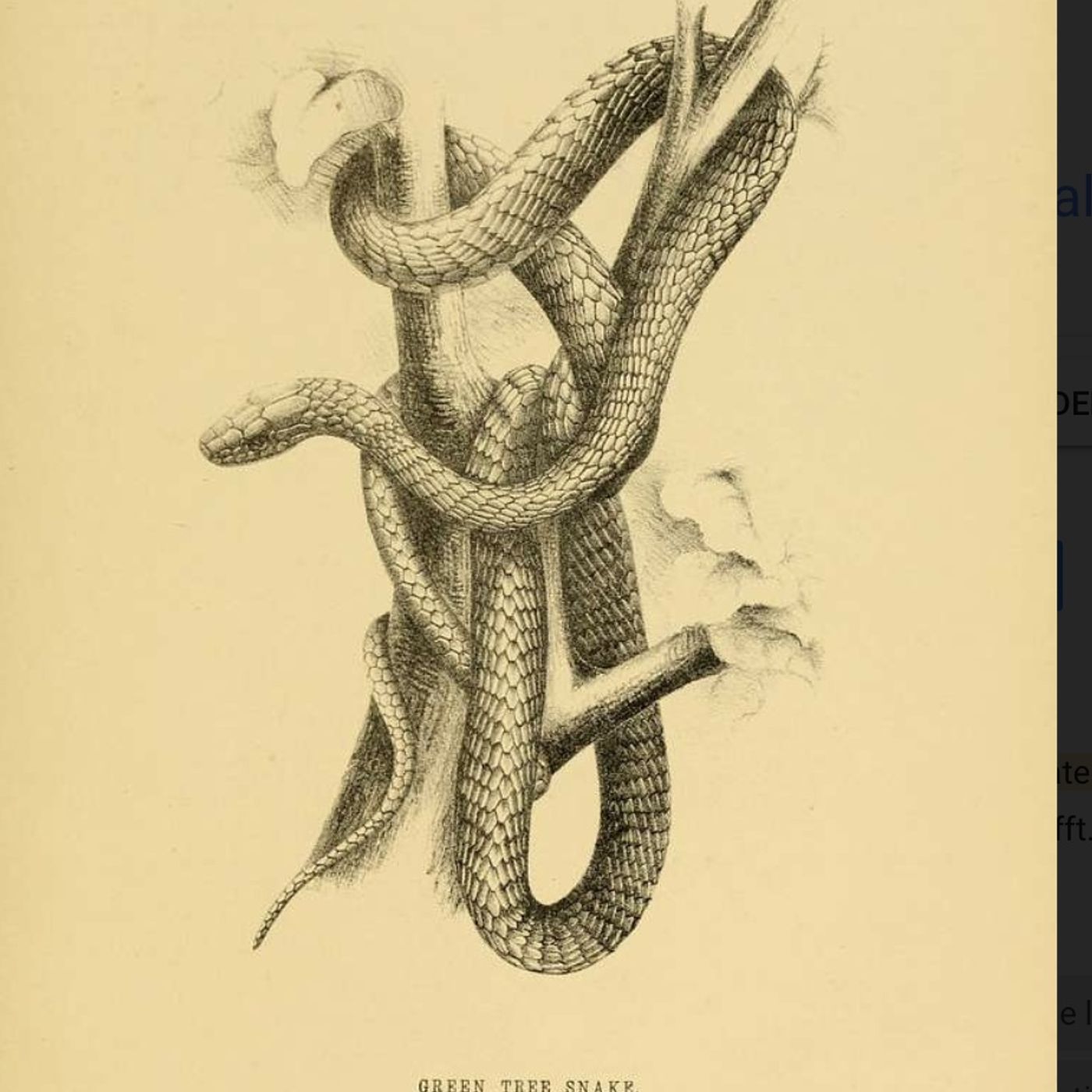
Floods Wash Snakes Downtown Jeremy Zakis explains the official warnings issued in Melbourne after floodwaters washed venomous snakes into the central business district. Snake catchers face surging demand and charge costly call-out fees, while unseasonable storms have disrupted local wildlife, leaving kangaroos hyperactive and erratic on the roads. (2)
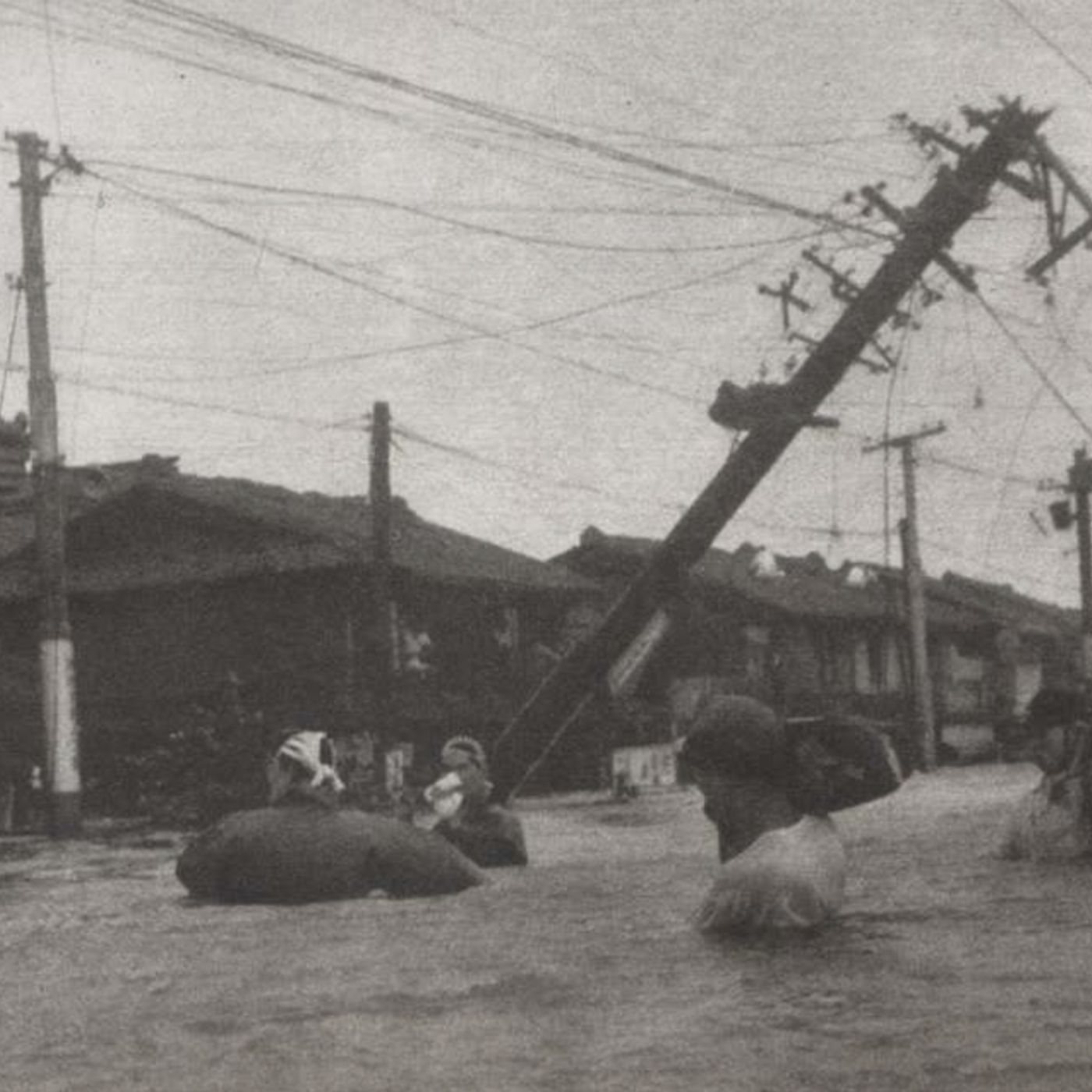
1950 Super El Niño Spring Storms Jeremy Zakis discusses extreme spring weather across Australia, driven by a super El Niño and elevated ocean temperatures. Heavy rain, microbursts, and severe winds in South Australia toppled massive power lines and spawned funnel clouds, while Sydney faces hot, chaotic, (1)
Temporary policies should require fresh approval before becoming permanent.
Share your view, then see how readers voted. No sign-in required. This poll is shared across stories.
Do you agree or disagree?
Common Quandary
A Common Quandary to discuss
Another conversation to explore, separate from this news story.
A parent clearly built the winning science project. Who should lose the prize?
An elementary student submits an elaborate science project far beyond their apparent ability. The parent proudly describes working together all weekend, and the child clearly learned something, but other students completed simpler projects themselves.
What is a fair response when help improves learning but distorts achievement?