English-language podcasts

Humans of Agriculture

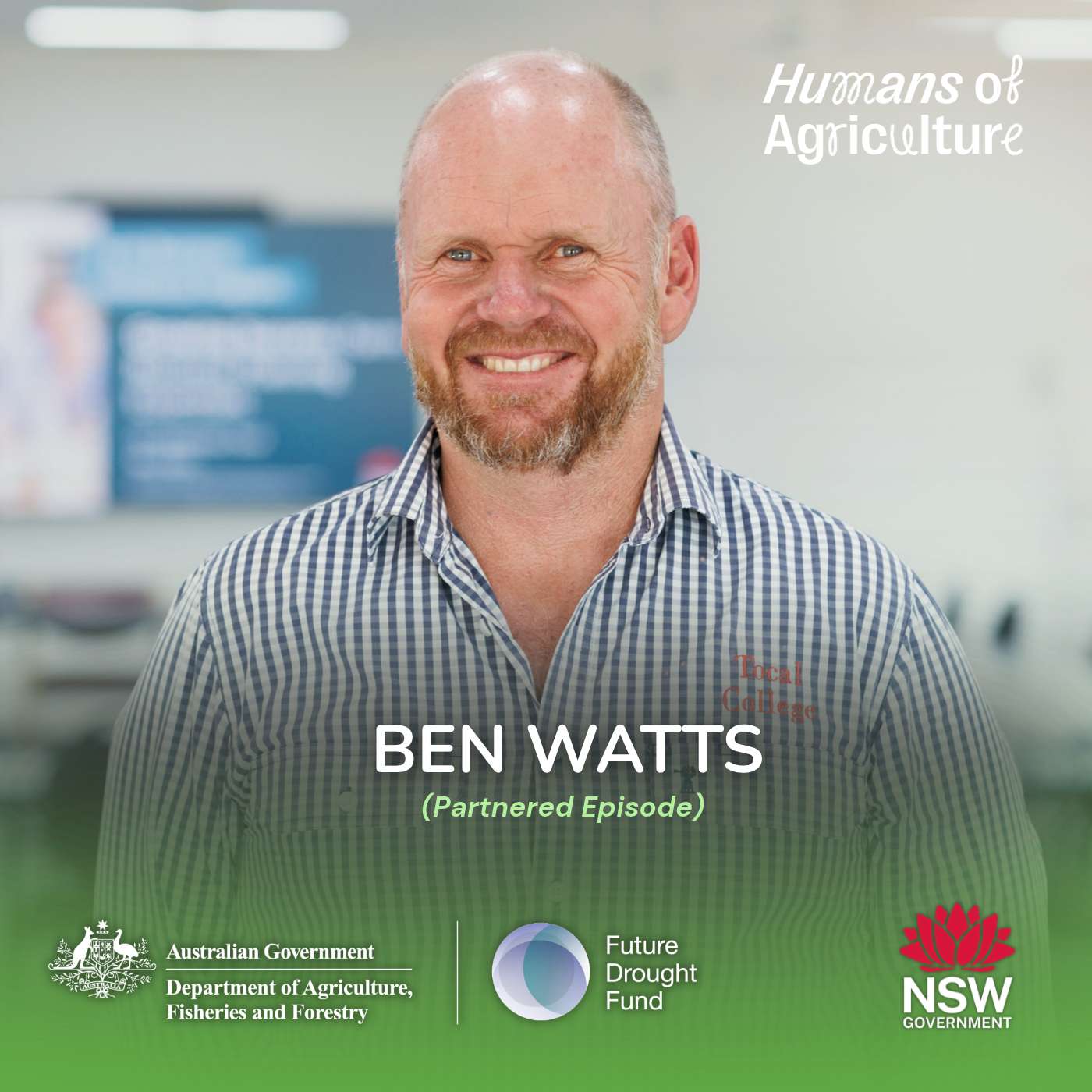
Cash Buys You Options: Ben Watts on Building a Resilient Farm Business
27 min

Listen through the publisher, then discuss the episode here or arrange an in-person Roundtable. Your city determines where to meet.

Roundtables are designed for groups of four, with a shared subject and room for everyone to speak. Come for discussion, with no dating expectation.

In this episode of Humans of Agriculture, Oli Le Lievre sits down with Ben Watts, who runs Bralca alongside his wife, Fiona, in central-west New South Wales. As part of the Farm Business Resilience Programme podcast series, Ben shares how hard lessons through drought changed how they approach risk, make decisions, and build a more financially resilient farming business. At the heart of the conversation is a simple idea: cash buys you options. Having money in reserve can be the difference between making a deliberate decision and being forced into one when conditions turn against you. In this episode, we discuss: How early drought experiences changed Ben’s approach to risk, including the financial and personal cost of pushing through difficult seasons. Why selling stock before conditions deteriorate can protect value, free up capital and reduce the ongoing cost of feeding livestock. What to measure when assessing seasonal conditions, from feed on offer and plant growth to water availability and market indicators. The role of objective decision-making in a livestock business, using benchmarks, regular meetings and a clear plan rather than relying on emotion. Why protecting core breeding stock matters, and how identifying surplus animals early can preserve feed for the operation's productive heart. How to build a financial buffer during good seasons, with enough reserves to cover six to twelve months of operating costs. The benefits and trade-offs of diversifying farm income, including using existing skills for consulting or contracting while managing the added complexity. How technology and market relationships support better decisions, from satellite imagery and water monitoring to speaking directly with buyers about future supply and demand. Chapters (00:00) - Introduction to making earlier decisions (02:11) - Ben Watts and the story behind Brouka (03:44) - Building the business and learning hard lessons through drought (07:19) - Why diversification started before the next drought (10:01) - Knowing your numbers and assessing feed availability (12:04) - Taking emotion out of livestock and seasonal decisions (14:45) - Using technology, market information and buyer relationships (17:24) - Building a financial buffer in good seasons (20:55) - Diversifying income and managing business complexity (23:10) - The peace of mind that comes with having a plan (25:03) - The Farm Business Resilience Programme and support for NSW farmers

Episode information is provided by the publisher. Listening takes place on the publisher’s service.

Listen at the source ↗

Featured places to meet in Palo Alto, CA

Explore these places and arrange a conversation through ThinkMatch.

City guide for Palo Alto, CA

More from Humans of Agriculture

Humans of Agriculture

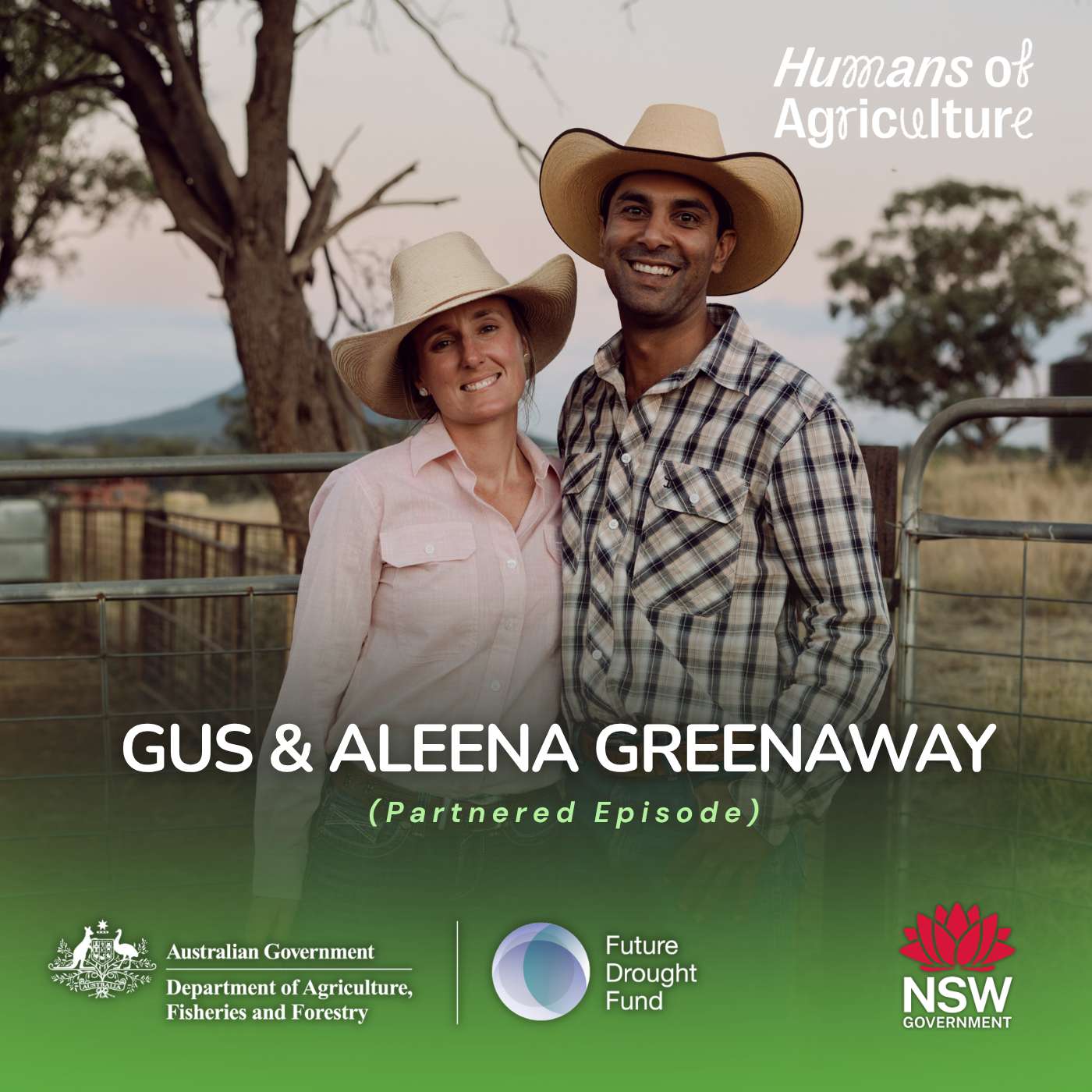
Don’t Let the Season Make the Decision for You with Gus and Aleena Greenaway

41 min

Gus and Aleena Greenaway farm fine wool Merinos between Gunnedah and Mullaley in NSW. Their experience through the 2017 to 2019 drought continues to shape how they make decisions today, from the numbers they watch and the trigger points they set to the people they bring into the business. In this episode, we discuss: How the 2017 to 2019 drought changed the way they think about risk and timing Using numbers and clear parameters to make decisions before conditions deteriorate Why making the call is only part of the challenge, and how they avoid constantly second-guessing themselves afterwards Working backwards from what they want their farm and their life to look like in five years The value of surrounding themselves with advisers, coaches and people who challenge their thinking How the Farm Business Resilience Program helped create greater clarity and confidence in decision-making Why outside perspective can be valuable even when the person advising you is not a farmer The role of vuln

Discuss this episode

Humans of Agriculture

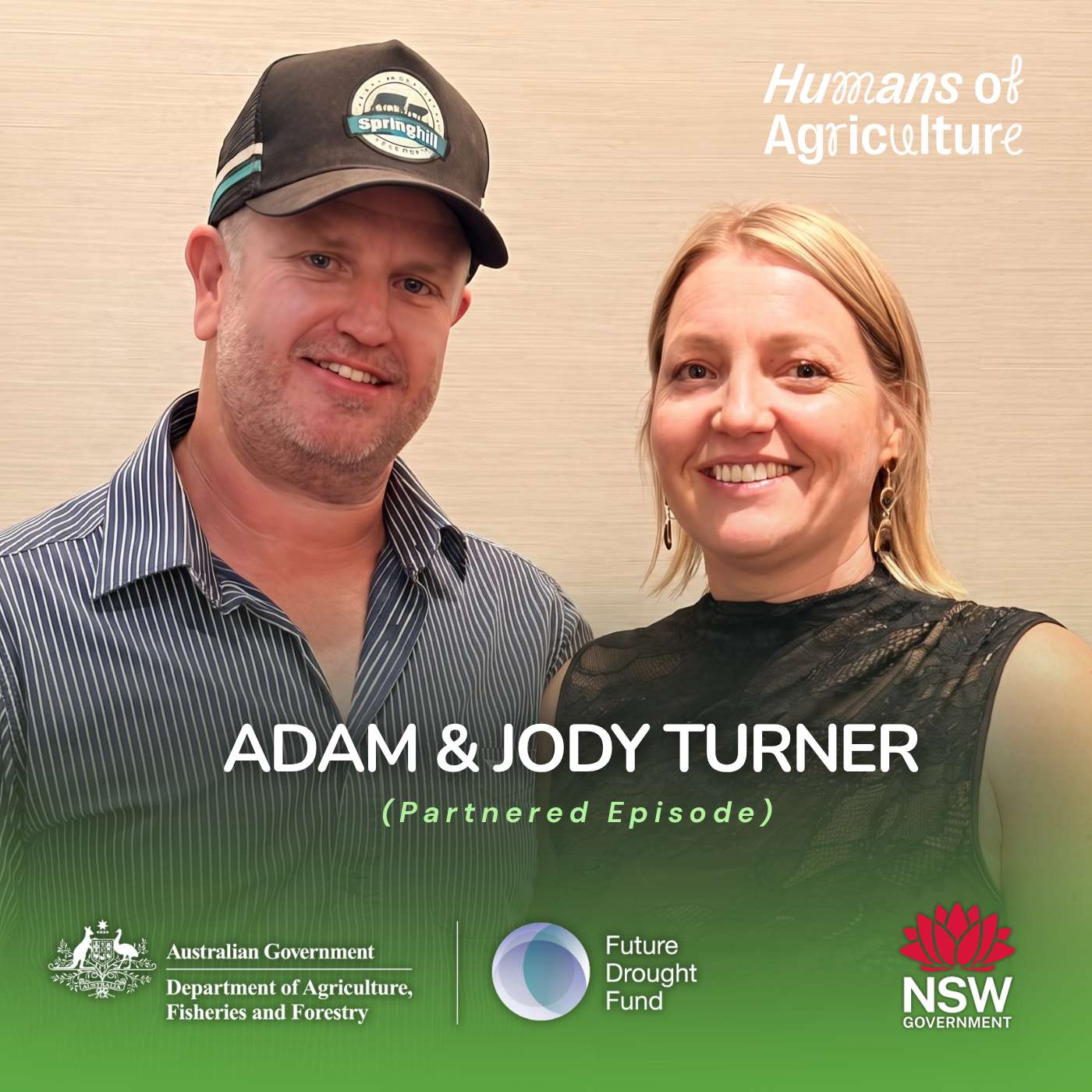
Drought Didn’t Just Change Their Farm. It Changed Their Business with Adam & Jody Turner

35 min

Adam and Jody Turner are first-generation farmers who bought Spring Hill in the Hunter Valley in 2016, just before the 2017-2019 drought. Since then, they’ve grown from a lifestyle-farming ambition into a multi-farm, paddock-to-plate business spanning livestock, processing, retail, and direct-to-consumer food. In this episode, we discuss: How drought shaped the way they think about risk and decision-making Why cash flow forecasting and knowing their numbers gave them more confidence to grow The role of business coaching in clarifying priorities and major investment decisions How water infrastructure, soil health and ground cover have become central to drought preparation The livestock triggers they use around early weaning, culling and confinement feeding Why they focus on what is happening on the ground rather than letting seasonal forecasts drive decisions How a shared vision and values help them move quickly on opportunities The role of team culture, peer support and asking for help

Discuss this episode

Community Poll

Local gatherings should prioritize relationships over attendance numbers.

Share your view, then see how readers voted. No sign-in required. This poll is shared across stories.

Do you agree or disagree?

Choose one answer

Common Quandary

A Common Quandary to discuss

Another conversation to explore, separate from this news story.

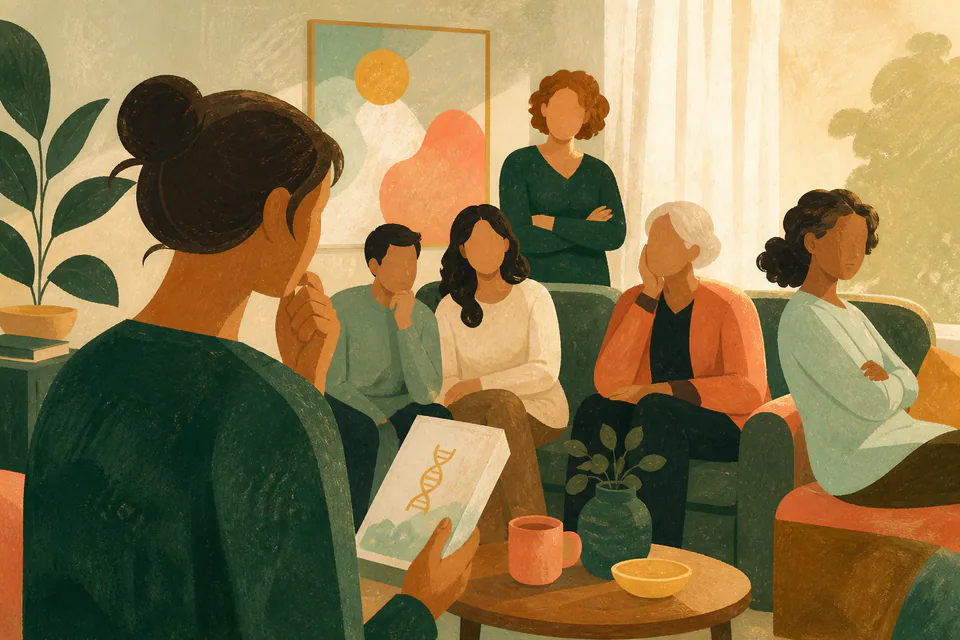
A DNA test reveals a family time bomb. Do you tell relatives who would rather not know?

A genetic test reveals that you carry a serious inherited condition. Your siblings and adult cousins may carry it too, but one has previously said they would rather live without predictions about illnesses that cannot yet be prevented.

Can someone's wish not to know outweigh your responsibility to warn them?

Explore this quandary