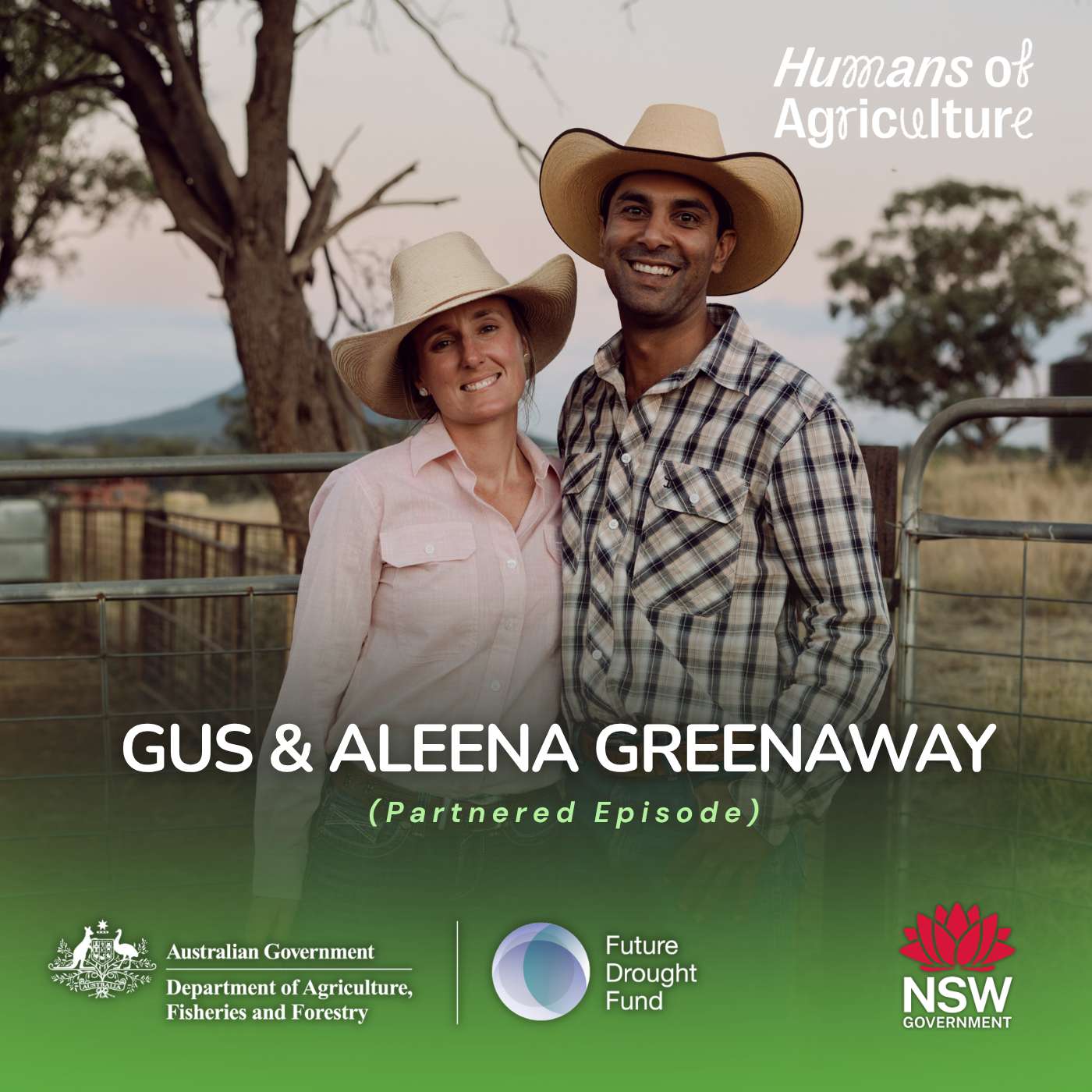
Don’t Let the Season Make the Decision for You with Gus and Aleena Greenaway
41 min
Listen through the publisher, then discuss the episode here or arrange an in-person Roundtable. Your city determines where to meet.
Roundtables are designed for groups of four, with a shared subject and room for everyone to speak. Come for discussion, with no dating expectation.
Gus and Aleena Greenaway farm fine wool Merinos between Gunnedah and Mullaley in NSW. Their experience through the 2017 to 2019 drought continues to shape how they make decisions today, from the numbers they watch and the trigger points they set to the people they bring into the business. In this episode, we discuss: How the 2017 to 2019 drought changed the way they think about risk and timing Using numbers and clear parameters to make decisions before conditions deteriorate Why making the call is only part of the challenge, and how they avoid constantly second-guessing themselves afterwards Working backwards from what they want their farm and their life to look like in five years The value of surrounding themselves with advisers, coaches and people who challenge their thinking How the Farm Business Resilience Program helped create greater clarity and confidence in decision-making Why outside perspective can be valuable even when the person advising you is not a farmer The role of vulnerability and being willing to admit you do not have all the answers What stays front of mind when the next drought could always be six months away Chapters (00:00) - Introduction to farm decision-making and resilience (01:00) - Farmers Gus and Alina Greenaway's background and farm setup (02:08) - Focus on decision-making and building resilience in farming (03:05) - Farmers describe their farm location and operations (04:37) - Rainfall season and its impact on farm decisions (06:39) - Building a team and seeking expert advice (09:07) - Adapting operational calendar to seasonal conditions (11:07) - Setting long-term goals and the role of coaching (14:05) - Lessons from the 2017-2019 drought experience (19:47) - Managing emotions and trusting decisions in farming (22:25) - The importance of data and objective decision-making (27:36) - Reflections on the Farm Business Resilience Program (33:30) - Preparing for future droughts and seasonal variability (37:24) - Closing remarks and program promotion
Episode information is provided by the publisher. Listening takes place on the publisher’s service.
Today, Mel is taking 58 years of hard-earned life lessons and is packing them into under an hour, to save you some of the time, frustration, and worry it took her to learn them the hard way. In this episode, Mel is fielding real questions from listeners around the world. From making friends and bouncing back from rejection to feeling stuck in life and wondering if it's all going to work out, Mel is sharing the advice she wishes she'd known sooner. And she's not holding back. You'll hear Mel get personal about her own setbacks, and what she's learned about starting over, going after what you want, and trusting yourself when life doesn't go according to plan. You'll learn: -How to stop worrying about the future when nothing feels certain -How to make big life decisions, including whether or not to have kids -How to make new friends as an adult -What to do when you get rejected from your dream job -What to do when a friend ghosts you -How to stop procrastinating and finally follow through
Life is ALWAYS happening FOR YOU, not TO you – embrace this truth and your entire world will shift, even during your most challenging moments. Uploaded 29-10-21 While facing failed attempts, relationships, conversations, careers, or businesses... During times of fear, pain, and unmeasurable loss... It is ALL a gift when we can look beyond these challenges and discover the GRACE available to us in every single moment. The truth is, we ALL have the ability to turn pain and suffering into growth and ultimately, APPRECIATION FOR LIFE ITSELF. And it starts by noticing the beauty all around us, the gifts of every day, opportunities to GROW and BE more, to deepen our CONNECTION to our friends and loved ones, experiencing the power of human EMOTIONS like love, gratitude, joy, and the guiding force that brings a sense of awe and wonder for this beautiful gift of life. EVERYTHING is a gift when we make the choice to live in a beautiful state of being. *This clip is from a recent Date With Destin
Your best hours. The ones where your mind is sharp, where your energy is high, where you could build something remarkable if you pointed yourself at it. Where do those hours go? Uploaded 16-09-26 I've asked a lot of people that question over the years. And when they're honest, the answer is almost always the same. Their best hours go to someone else. They spend the top of their morning building someone else's business, chasing someone else's numbers, advancing someone else's vision. And what's left for their own dream? The scraps. The tired hours. The hours after the good ones are already spent. I'm not telling you to walk out of your job tomorrow. I'm telling you most people have never even noticed the trade they're making. Here is the truth: not every hour is equal, and you have been handing your sharpest, freshest hour to work that isn't the work of your own life — and calling it being responsible. This seminar unpacks the single mechanic behind why your own dream never moves: you s
You know the work is useful. Then it is time to name the price, and you start apologizing. What would change if you treated the conversation as a fair exchange? In this episode of The Level Up Podcast, Paul Alex breaks down how to present a useful offer clearly while respecting both your work and the customer’s decision. Paul draws on the communication and sales skills he began developing at Ecolab. Explaining value is something you can learn, even if being outgoing does not come naturally to you. Begin with the person’s needs, what you provide, and what it costs. Give them room to consider the offer and say no. Feeling uncomfortable does not require pressure or an apology. It gives you a specific part of the conversation to practice. In this episode, you’ll learn: • How to connect an offer to the need the other person actually has. • Why stating a price clearly supports an informed decision. • How to respect a customer’s choice without minimizing your work. • What to practice before a
Season 2 of My Mom’s Murder continues Lauren Malloy’s relentless real-time investigation into the 1993 death of her mother Lori Malloy. After two years waiting for DNA results from her mother's exhumed remains, Lauren Malloy finally gets the call — but the answers raise more questions than they resolve. Old recordings, buried family history, and a renewed connection with Louise—the woman who first set her on this path—push Lauren ever closer to the truth. Along the way, suspicion begins to circle around someone she never expected: her Aunt Alyson, the woman who raised her. As Lauren confronts Aunt Alyson, she uncovers a pattern of deception, jealousy, and suspicion spanning decades. Tense street confrontations. Contradicted police statements. Family secrets buried deep. Then, an unexpected death changes everything — and what Lauren finds inside the apartment of the deceased may finally reveal what happened to her mother thirty years ago. Listen now: My Mom's Murder Season 2 (http://lin
Are you on track with the Baby Steps? Get a Free Personalized Plan. (https://ter.li/zqzs8w) Have a money question? Ask Ramsey is here to help. (https://ter.li/vpd8ego2) George Kamel and Jade Warshaw answer your questions and discuss: “I am afraid that my creditors will garnish my inheritance check before I have a chance to negotiate” “My mortgage is 55% of my income, should I sell?” “I co-signed on a car loan with my sister and she is behind on her payments. Should I take over the loan and rent it to her?” “Should I switch careers if I keep getting fired from my jobs?” “Should I cash out my 401(k) to pay for a new window?” Next Steps: Have a question for the show? Call 888-825-5225 weekdays from 2–5 p.m. ET New to the show and want to learn more? Check out our 7 Baby Steps! (https://ter.li/1sn8b18j) Start your free budget today. Download the EveryDollar app! (https://ramsey.solutions/8tj2bn) Get your biggest Medicare questions answered. Watch the free webinar now! (https://ter.li/4o3g9
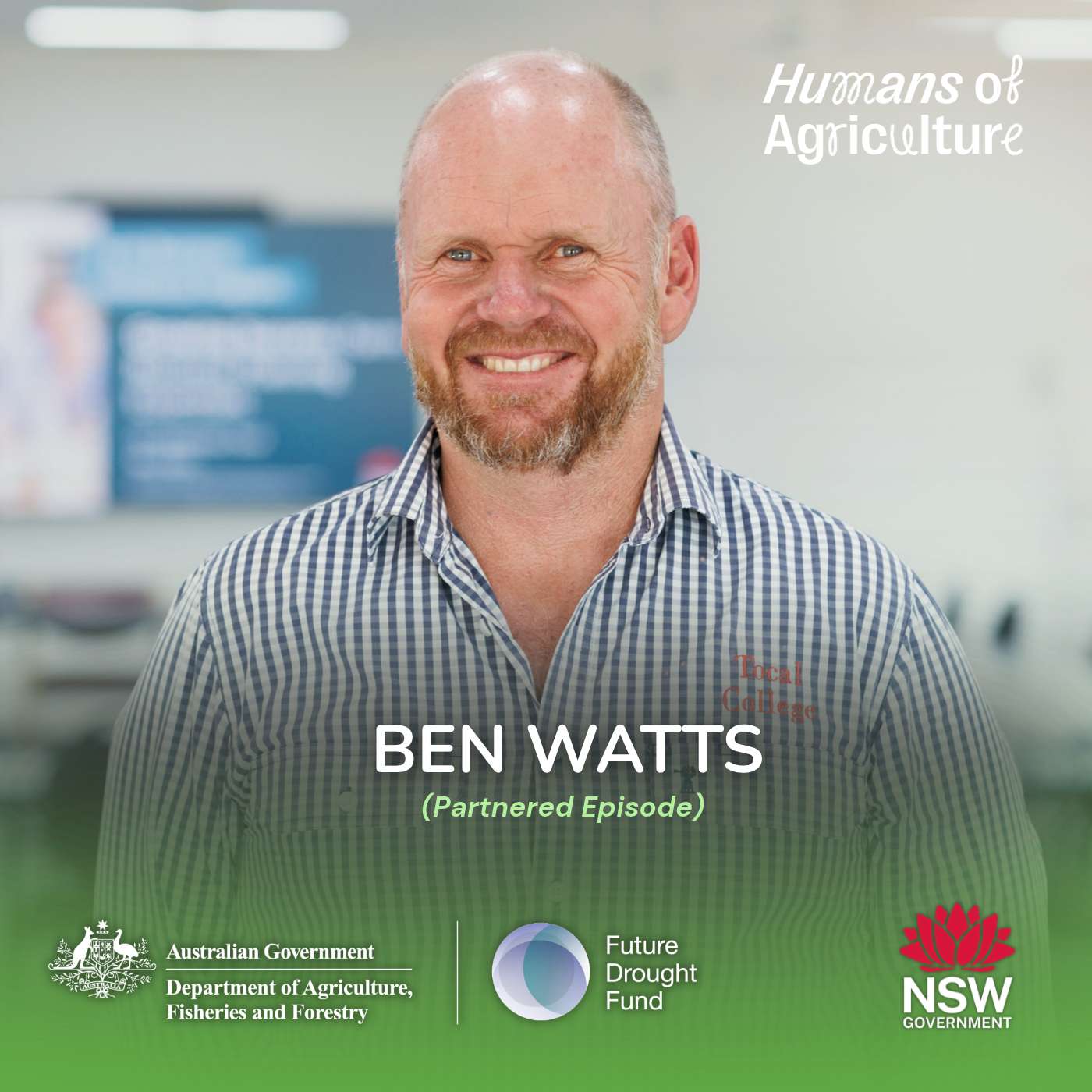
In this episode of Humans of Agriculture, Oli Le Lievre sits down with Ben Watts, who runs Bralca alongside his wife, Fiona, in central-west New South Wales. As part of the Farm Business Resilience Programme podcast series, Ben shares how hard lessons through drought changed how they approach risk, make decisions, and build a more financially resilient farming business. At the heart of the conversation is a simple idea: cash buys you options. Having money in reserve can be the difference between making a deliberate decision and being forced into one when conditions turn against you. In this episode, we discuss: How early drought experiences changed Ben’s approach to risk, including the financial and personal cost of pushing through difficult seasons. Why selling stock before conditions deteriorate can protect value, free up capital and reduce the ongoing cost of feeding livestock. What to measure when assessing seasonal conditions, from feed on offer and plant growth to water availabil
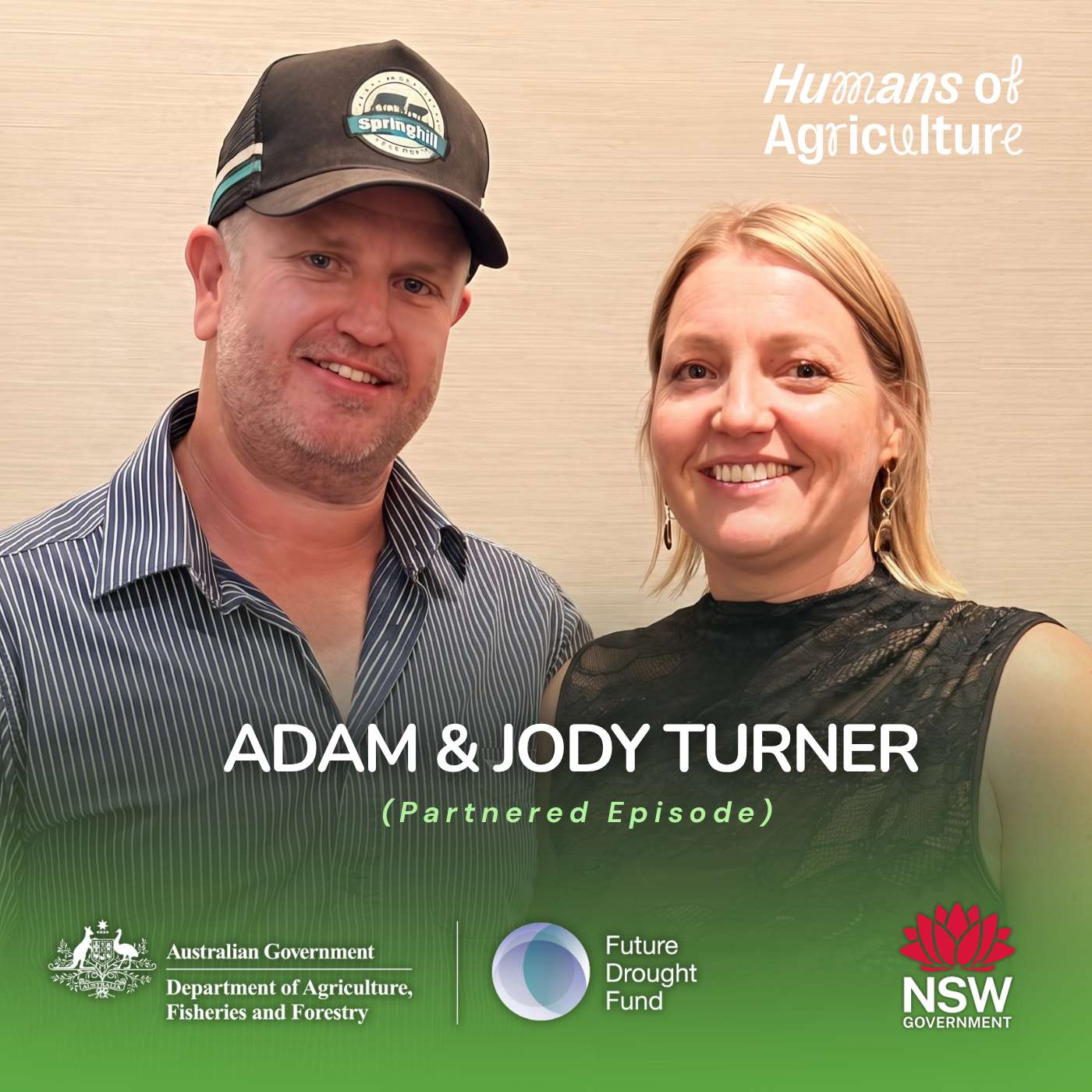
Adam and Jody Turner are first-generation farmers who bought Spring Hill in the Hunter Valley in 2016, just before the 2017-2019 drought. Since then, they’ve grown from a lifestyle-farming ambition into a multi-farm, paddock-to-plate business spanning livestock, processing, retail, and direct-to-consumer food. In this episode, we discuss: How drought shaped the way they think about risk and decision-making Why cash flow forecasting and knowing their numbers gave them more confidence to grow The role of business coaching in clarifying priorities and major investment decisions How water infrastructure, soil health and ground cover have become central to drought preparation The livestock triggers they use around early weaning, culling and confinement feeding Why they focus on what is happening on the ground rather than letting seasonal forecasts drive decisions How a shared vision and values help them move quickly on opportunities The role of team culture, peer support and asking for help
Waste-reduction policies should make responsible choices easy for households.
Share your view, then see how readers voted. No sign-in required. This poll is shared across stories.
Do you agree or disagree?
Common Quandary
A Common Quandary to discuss
Another conversation to explore, separate from this news story.
Your partner checks your location whenever you reply slowly. Is that caring or creepy?
A couple shares live phone locations for convenience and safety. One partner begins checking the map whenever a message goes unanswered, even though they have never agreed on when checking is appropriate.
Does granting access also grant permission to monitor?