Chinese Nuclear Arsenal Expansion and Proliferation PETER HUESSY AND BRAD THAYER 1 112526
15 min
Listen through the publisher, then discuss the episode here or arrange an in-person Roundtable. Your city determines where to meet.
Roundtables are designed for groups of four, with a shared subject and room for everyone to speak. Come for discussion, with no dating expectation.
1945 TRINITY Chinese Nuclear Arsenal Expansion and Proliferation Peter Huessy and Brad Thayer trace China's record of nuclear proliferation back to decisions made in 1982 under Deng Xiaoping. They describe the remarkable speed of China's nuclear expansion across all three legs of the triad, and warn that Beijing means to use nuclear superiority to checkmate any American military intervention. Part One. (9)
Episode information is provided by the publisher. Listening takes place on the publisher’s service.
The Fair Work Tribunals edition of Wednesday 25 November 2026 (39 decisions, two with headnotes), with the Fair Work Tribunals edition of Tuesday 24 November 2026 (228 decisions, three with headnotes) alongside it. A Full Bench on why the Black Coal award's redundancy relief clause runs through the dispute procedure and not compulsory arbitration; another on appealing a refusal to reinstate and counting the anticipated period; and three rulings where generative AI did some of the drafting: costs and fictitious authorities, an AI-drafted agreement that made a worker an employee, and an AI-prepared witness statement. Fair Work Desk: relief from retrenchment pay goes through the dispute procedure (opening story). R2S Medical & Emergency Response Pty Ltd v Peter Quirk and Others [2026] FWCFB 291 (https://jade.io/article/1307378) - Gibian VP, Dobson and Slevin DP, 5 November 2026. Signal Doctrine and Practice & Procedure. Black Coal Mining Industry Award 2020 cll 32, 34.4, 34.6; Fair Work A
In this bulletin, inflation hits a three-year high, piling pressure on Labor, Trump unveils new tariffs targeting China and other major trading partners. And in sport, two Queenslanders star against New South Wales in the Sheffield Shield, but it's not enough to earn the side a victory.
With US Defence Secretary Pete Hegseth and the Pentagon increasing pressure on Canada over military collaboration and spending, our national security is clearly at stake. PM Mark Carney is taking decisive action with proposed legislation to seize land for the high-speed Alto train project, a controversial move that may be crucial for our infrastructure and economic growth. Meanwhile, Hon. Melanie Joly is actively addressing the Stellantis deal after her success in keeping Stelco jobs for Canadians. However, it is concerning to see Premier Doug Ford lagging in his commitment to support the Carney government’s efforts to end homelessness—an issue that should unite us all. In contrast, Premier Wab Kinew in Manitoba is stepping up with wraparound supports, demonstrating leadership that prioritizes citizens' well-being. MP Jean-Paul Danko, alongside host Laura Babcock, is ready to delve into these pressing matters and the initiatives the federal government is pursuing. This is our moment to
Core PCE inflation — that’s without gas or groceries included — hit a three-year high in October. That’s … not great for consumers. It also means another Fed rate hike is all but a done deal. In this episode, what’s driving inflation and how consumers are coping. Plus: The American Dream was shaped by fossil fuels, utility board elections grow fraught in the age of AI data centers, and a test kitchen chef perfects tariff-proof holiday meals. Every story has an economic angle. Want some in your inbox? Marketplace is more than a radio show. Read the stories in today’s episode: Rising inflation strengthens case for Fed rate hikes (https://www.marketplace.org/story/2026/11/25/core-pce-inflation-hit-a-3year-high-last-month) Why consumers are being more patient and putting off purchases (https://www.marketplace.org/story/2026/11/25/why-this-holiday-season-consumers-are-delaying-purchases) The American Dream, brought to you by fossil fuels (https://www.marketplace.org/story/2026/11/25/the-fos
Are Nvidia and his new-old CEO too big to fail? This week on Suspension of the Rules, Isaac and Kmele are joined by Batya Ungar-Sargon, filling in for Ari Weitzman while he’s on paternity leave. They start with the shock news of Jensen Huang’s reinstatement as Nvidia CEO. Kmele questions Huang’s judgment and what the board’s reversal says about Nvidia’s stability, while Batya argues the affairs are a distraction from the real story: evidence that Huang was complicit in evading U.S. export controls on chips to China. Isaac makes the case for feeling dirty but okay with Huang’s return given the stakes of the AI race. Then, they turn to what President Trump should do with the last two years of his term. As always, we end with some grievances, this time about a Garmin watch that won’t stop buzzing, a surprise E-ZPass fee, and a micromanaged Thanksgiving. This episode covers: • Jensen Huang’s return to Nvidia • Are the affairs a distraction from the export control story? • Why would the Tru
On this episode of American Power, Nat Towsen and Chad Scott are joined by Dr. Alondra Nelson, former acting director of the White House Office of Science and Technology Policy and principal architect of the Biden administration's AI Bill of Rights. Together, they explore the myth of AI deregulation under Trump, how competition with China is used to justify fewer safeguards, the national security concerns surrounding Nvidia, and the growing concentration of corporate and political power. From doomsday predictions to everyday threats to privacy, civil rights and economic security, Nelson explains why Americans aren't powerless in determining the future of AI.
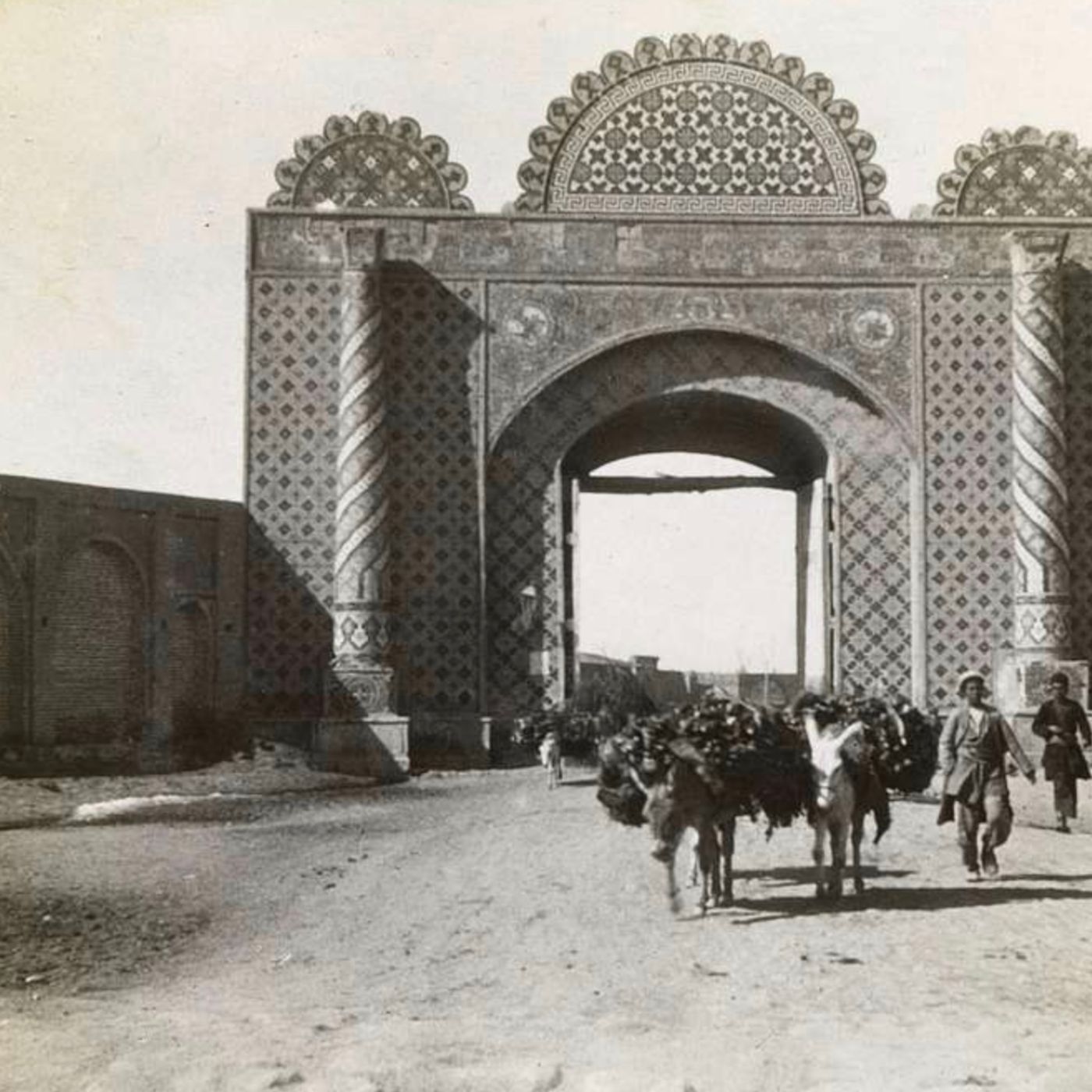
1923 TEHRAN Unconventional Warfare and the Iranian Threat Cliff May argues that Iran avoids direct conventional naval warfare and relies instead on asymmetric tactics, proxy networks and terrorism against American interests. He urges Washington to recognize that Iran's jihadists remain aligned with China and Russia, which calls for sustained military spending and decisive strategic pressure. (14)
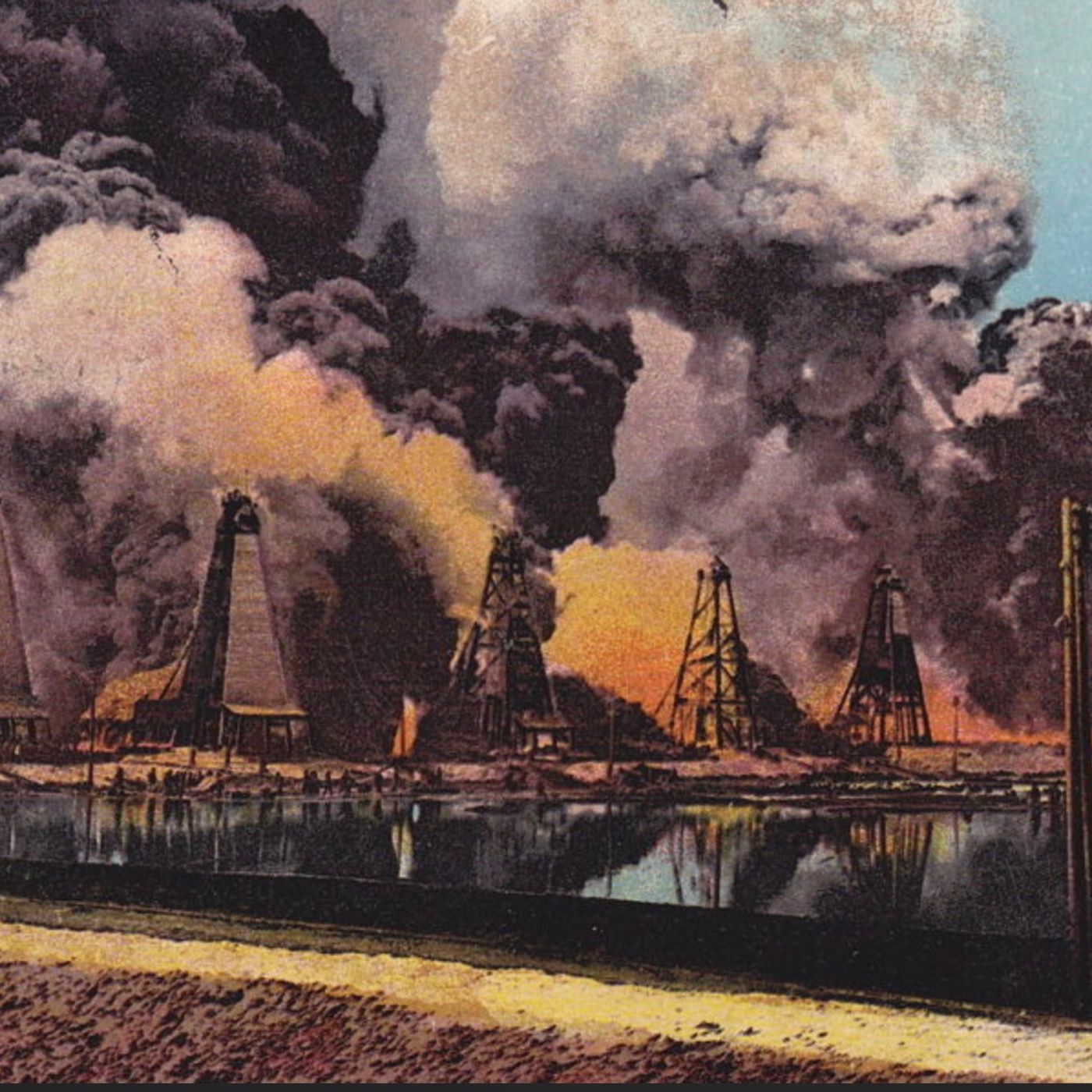
1900 BAKU Ukrainian Drone Attacks Impacting Russian Refineries Michael Bernstam analyzes Ukrainian drone strikes on Russian energy infrastructure and explains the difference between oil refineries and distribution hubs. Repeated strikes have cut refining capacity and crippled Russian fuel exports. Moscow has been forced into domestic export bans, and gasoline and jet fuel shortages have spread across several time zones. (13)
1960 Hotel Mars: Engineering Failures That Ended the Soviet Moon Bid Anatoly Zak explains the severe engineering problems the program faced, such as synchronizing 30 first-stage engines and building reliable fuel cells. These failures led to catastrophic launch explosions, and Moscow eventually gave up on sending crews to the Moon. Part Two. (12)
Local communities should share directly in the benefits of large energy projects.
Share your view, then see how readers voted. No sign-in required. This poll is shared across stories.
Do you agree or disagree?
Common Quandary
A Common Quandary to discuss
Another conversation to explore, separate from this news story.
The company allows an $80 dinner. Is ordering the lobster fair game?
During work travel, company policy permits an expensive dinner. A modest option is nearby, but colleagues choose the nicest restaurant because the company can easily afford it and everyone is within the stated limit.
Is following a rule enough when you are spending someone else's money?