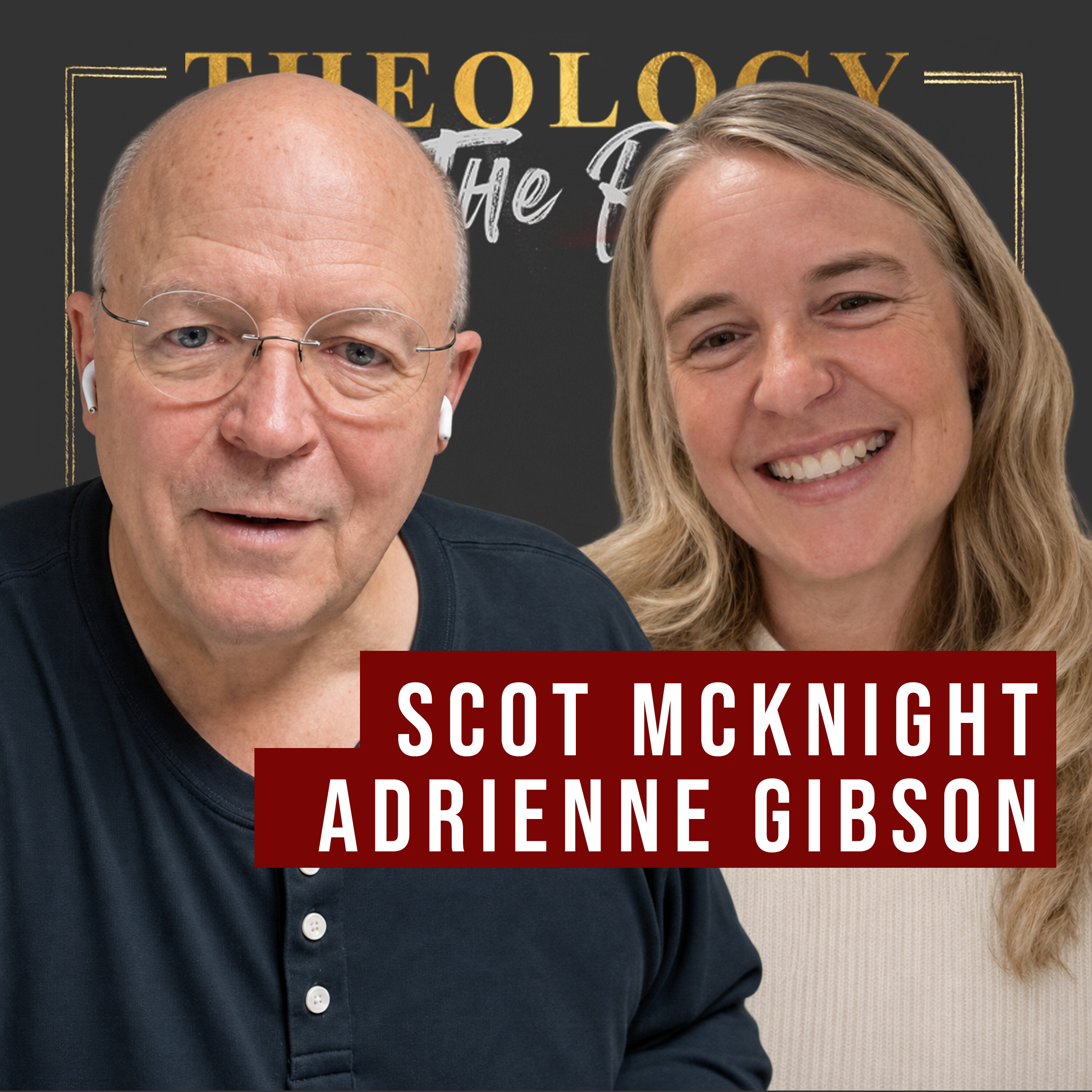
Church Trauma, Wounded Pastors, and the Apostle Paul: Scot McKnight & Adrienne Gibson
64 min
Listen through the publisher, then discuss the episode here or arrange an in-person Roundtable. Your city determines where to meet.
Roundtables are designed for groups of four, with a shared subject and room for everyone to speak. Come for discussion, with no dating expectation.
Was the Apostle Paul traumatized by the church he helped establish? New Testament scholar Scot McKnight and licensed professional counselor Adrienne Gibson join me to explore church trauma, pastoral burnout, and what Paul’s relationship with the Corinthians reveals about wounded ministry leaders. We’ve rightly become more aware of spiritual abuse and the harm caused by church leaders. But what happens when pastors, ministry leaders, and volunteers are hurt by the people they serve? Drawing on their book, Traumatized Church: What Paul’s Relationship with the Corinthian Church Teaches Us about Helping Those Who Are Hurting, Scot and Adrienne bring biblical scholarship and counseling experience into this often overlooked conversation. We discuss what trauma actually means, how it differs from discomfort, why the same experience affects people differently, and how biblical teaching can reopen wounds when Scripture has previously been used to justify abuse. Adrienne also explains why pastors need boundaries and offers practical ways to respond when someone’s past pain enters a present conversation. Finally, Scot walks us through seven criticisms directed at Paul and explains why he reads 2 Corinthians 10–13 as the words of a deeply wounded apostle. It’s a conversation about caring for hurting people—including those who spend their lives caring for everyone else. Join the Theology in the Raw community for bonus “Extra Innings” conversations and more: https://www.patreon.com/theologyintheraw CHAPTERS 00:00 Was Paul traumatized by the church? 00:37 Introducing Scot McKnight and Adrienne Gibson 02:41 What is trauma? 04:23 Why the same experience affects people differently 05:47 How biblical scholarship and trauma counseling came together 11:31 What ministry leaders need to understand about trauma 17:48 Trauma, discomfort, and resilience 21:48 How the body remembers painful experiences 23:14 When biblical teaching reopens old wounds 25:34 Teaching Scripture when it has been weaponized 27:20 When congregations hurt their leaders 32:26 Pastoral boundaries, burnout, and compassion fatigue 34:15 Why pastors are expected to “take the hits” 36:02 Church abuse and distrust of pastors 38:07 Creating churches that understand trauma 41:07 Recognizing and responding to someone’s pain 43:15 Why “calm down” rarely helps 46:12 The emotional demands of caring for others 48:33 A sports detour 49:43 Seven criticisms directed at the Apostle Paul 52:54 Paul’s physical appearance and a disability hypothesis 58:13 Reading Paul’s rumination through the lens of trauma 59:10 Is Paul’s response a model to follow? 62:34 Closing thoughts and the book
Episode information is provided by the publisher. Listening takes place on the publisher’s service.
Jase looks back on the time a would-be church leader sat at his kitchen table and claimed he was above temptation. Jase called him a liar and recalls that the same man asked Missy to pray with him privately, an invitation she turned down. Al explains why Phil brushed off comparisons to the apostle Paul, and Jase returns to the building where he first shared Jesus with a friend 40 years ago. The guys dig into Jude’s warning about people who abuse trust in the church and why repentance can feel like finally catching your breath. In this episode: Romans 8, verse 29; Matthew 20, verses 13–14; Jude 1, verses 8, 10–11; Matthew 18, verses 6–7; 1 Corinthians 9, verses 15–18; 1 Corinthians 10, verses 11–13; 1 Corinthians 5, verse 13; Matthew 22, verses 37–39; Acts 3, verses 18–19. Want to watch Unashamed ad-free? Only on EKKL! “Unashamed” Episode 1467 is sponsored by: https://theoakscollaborative.com/unashamed - Invest in The Oaks Collaborative’s Kingdom work by sponsoring a college student for
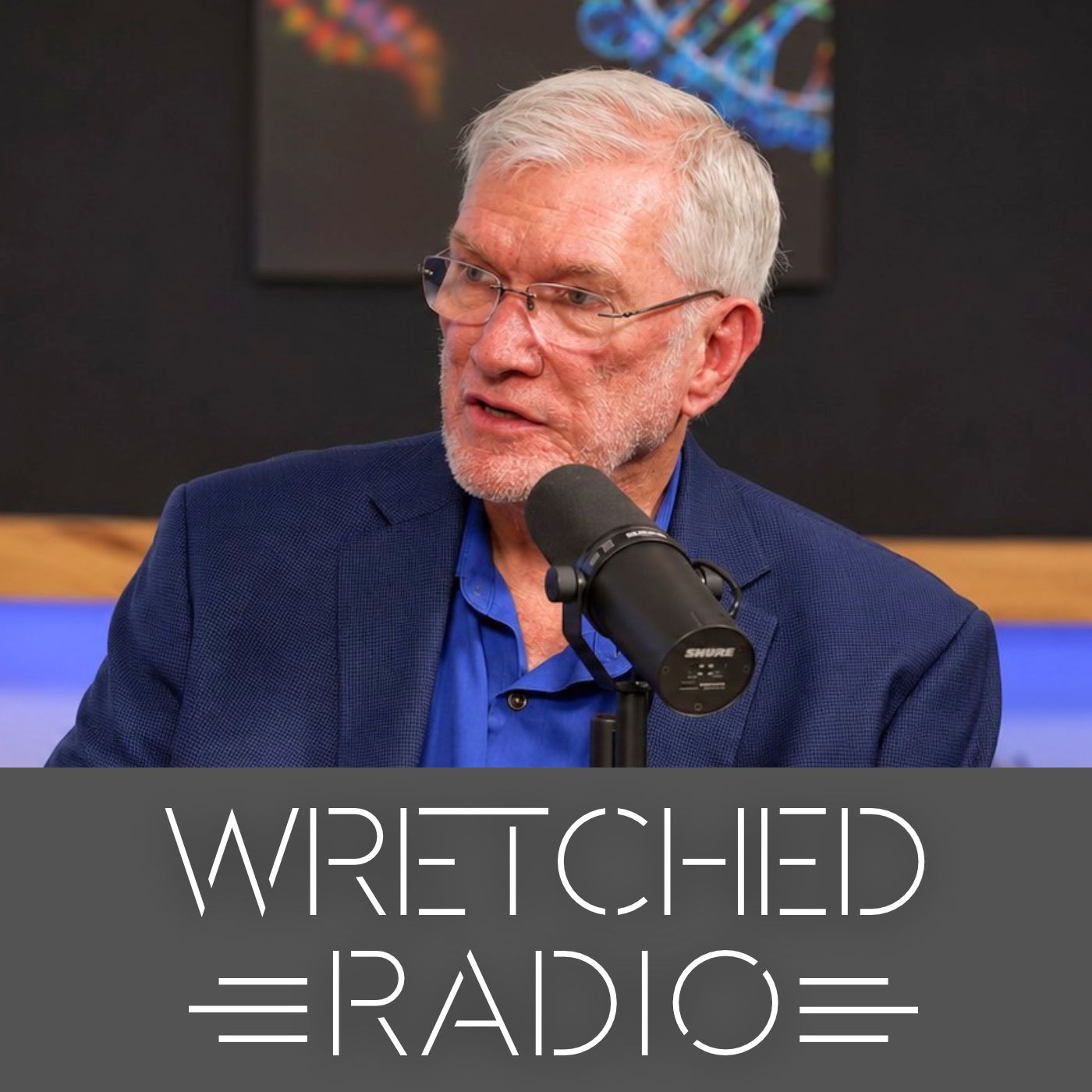
Could one of the church’s biggest problems today be coming from within? Todd Friel and Ken Ham discuss the church, culture, and evangelism. Plus, Michael Todd has been named an apostle—complete with a startling prophecy. Segment 1 What Ken Ham will never let Todd forget. Why do unbelievers visit the Ark Encounter? Who’s defining your identity? Segment 2 Could America’s worst days still be ahead? Is today worse than the days of Noah? What’s keeping Christians from evangelizing? Segment 3 This will change the way you evangelize. Does your day job matter to God? The most dangerous word in America. Segment 4 Michael Todd’s surprising new title. What modern apostles and popes have in common. A prophecy about Michael’s political future. ___ Thanks for listening! As part of our Multiply 2027 year-end campaign, every gift made through December 31, 2026, will be matched dollar-for-dollar, up to $750,000. Your generosity helps us train evangelists, equip pastors, and multiply our gospel impact.
🇺🇸 TWO NAVY SEALS. TWO INCREDIBLE JOURNEYS. ONE POWERFUL MISSION TO TRANSFORM YOUR FINANCIAL FUTURE! Michael Jaco welcomes fellow former Navy SEAL Larry Yatch, founder of TruPath Mastery, for an eye-opening conversation about success, leadership, financial trauma, and the hidden subconscious patterns that can keep even the most accomplished people from reaching their full potential. With 24 years as a Navy SEAL and 11 years as a CIA security operative, Michael shares the powerful lessons of mental discipline, intuition, and personal transformation that shaped his extraordinary journey. Larry brings 10 years of Navy SEAL service and an impressive career advising Fortune 50 executives. But despite achieving tremendous professional success, he discovered that the survival patterns that once made him successful were also keeping him trapped in his own business. THE BIG REVELATION: YOUR MONEY HABITS MAY HAVE VERY LITTLE TO DO WITH MONEY! From childhood programming and fear of scarcity to
Ephesians E2 — The great surprise of the Gospel is that Jesus is not just the messianic king of ancient Israel but the savior and Lord of all humanity. So as the apostle to the Gentiles, Paul saw it as his job to create communities of people following Jesus who were intentionally multi-ethnic and diverse in every sense of the word. In this second teaching of a five-part series, Tim teaches from Ephesians 3, where Paul explores the new people group that has come into existence because of Jesus’s life, death, and resurrection. Tim gave this message at Door of Hope Church in Portland, Ore., on October 20, 2013. OFFICIAL EPISODE TRANSCRIPT View this episode’s official transcript. (https://d1bsmz3sdihplr.cloudfront.net/media/emsb-ephesians-e2-final-transcript.pdf) REFERENCED RESOURCES SHOW MUSIC “Nob Hill Instrumental” by Drexler SHOW CREDITS Aaron Olsen edited and remastered today's episode. JB Witty writes our show notes. Powered and distributed by Simplecast. Hosted by Simplecast, an Ads
Why does Allah allow good people to suffer? When hardship enters your life, does it mean Allah is displeased with you, or could your struggles be bringing you closer to Him? Every believer experiences moments of pain, loss, uncertainty, and heartbreak. But in Islam, suffering is not necessarily a sign of Allah's anger, and experiencing sadness does not mean your faith is weak. In this powerful and comforting Islamic lecture, Ustadh Reece explores the deeper wisdom behind life's difficulties, the true meaning of Sabr, and how Muslims can remain connected to Allah ﷻ during their hardest moments. Through lessons from the Qur'an, authentic Hadith, and the lives of the Prophets, this reminder explores: - Why Allah tests those who believe in Him - How hardship can become a means of spiritual growth - What Prophet Muhammad ﷺ taught us about grief and sadness - The patience and beautiful du'a of Prophet Ayyub (AS) - How the story of Prophet Yusuf (AS) reveals Allah's wisdom - Why both blessing
Testimony #434 Connect with Mission Delafe Website: https://www.missiondelafe.org/ Facebook: https://www.facebook.com/delafetestimonies Instagram: https://www.instagram.com/delafetestimonies/ Email: [email protected] Credits: Testimony by Alexandra Harris Directed by Darvin Ramirez Interviewed by Jenifer Ramirez Edited By Darvin Ramirez Audio Mixed by Paul Nicholas Testimony Recorded In Michigan Chapters 00:00 The Gospel Changed My Life 00:23 Growing Up Greek Orthodox 03:08 I Was Ignoring God 05:08 Glimpses of Something More 07:10 “God Is Going to Be My Hobby” 08:20 Searching Everywhere for Truth 09:14 Jesus Kept Standing Out 11:21 I Realized I Was Separated From God 12:04 I Decided to Follow Jesus 13:03 Leaving My Old Life Behind 14:29 Getting Baptized Again 17:13 Finding Christian Community in New York 22:00 Meeting My Future Husband 24:29 A Life of Ministry Begins 29:14 Learning to Trust God Again 41:14 What Jesus Means to Me Now 43:21 A Prayer for Those Ignoring God 44:12 If Y
Why would God give us sexual desires we can’t always fulfill? Can unmet sexual longing actually draw us closer to Jesus? Greg Coles and Julia Hejduk join me to explore what our desires reveal about being human—and about the God who longs for us. Their book, Sexuality Beyond Sex: An Unexpected Conversation on Embodiment, Identity, and Desire, is one of the most theologically invigorating books I’ve read all year. Bringing Protestant and Catholic perspectives into conversation, Greg and Julia challenge the assumption that marriage and sexual activity are the ultimate fulfillment of our sexuality. What if our deepest longings point toward something even greater? We discuss singleness, marriage, celibacy, suffering, and how unmet desire can cultivate humility and dependence on God. We also explore the surprising connection between sexuality and the Lord’s Supper, work through Catholic and Protestant disagreements about Communion, and consider what Mary’s story reveals about offering our bo
What if studying theology made you more amazed by God? My friend Lisa Harper joins me to talk about what happens when the things we learn about God change how we pray, how we parent, and how we love the people around us. Lisa’s book Theology for the Rest of Us is the jumping-off point for our conversation. We get into what we can know about God and what remains a mystery, how the Trinity shapes the way we think about community, and why the return of Jesus is a reason for hope. Lisa also tells the story of listening to her daughter gush about her first crush and thinking, “I remember when I talked about Jesus like that.” And yes, somehow a sausage biscuit gets thrown out a car window, and we end up talking about atonement. This is why I love talking theology with Lisa. Chapters 0:00 Theology was meant to be lived 0:40 Can studying God deepen our love for him? 3:38 Lisa Harper and her chaotic dissertation defense 14:57 Theology for the rest of us 15:46 What we can know about God and what
Does the Bible support capitalism or socialism—or challenge both? What do Jesus’ teachings about wealth, the early church’s shared possessions, and the Old Testament’s economic laws mean for Christians today? Dr. Michael Rhodes joins Preston to explore what Scripture says about money, work, poverty, generosity, and economic justice. From Jubilee and debt forgiveness to the difference between earning a profit and maximizing it, Michael challenges us to consider how following Jesus should shape our entire economic life. We also wrestle with the role of government in helping the poor, minimum wage debates, the dangers of concentrated wealth and power, Michael’s critique of Elon Musk and the USAID cuts, and a question raised by When Helping Hurts: Can our generosity actually harm the people we want to help? Michael Rhodes holds a PhD from the University of Aberdeen and lectures in Old Testament at Carey Baptist College in New Zealand. His books include Just Discipleship, Practicing the Kin
Cities should actively seek views from residents who do not attend public meetings.
Share your view, then see how readers voted. No sign-in required. This poll is shared across stories.
Do you agree or disagree?
Common Quandary
A Common Quandary to discuss
Another conversation to explore, separate from this news story.
A donor's family wants to hear their loved one's heart beating in you. Do you meet them?
A transplant recipient receives a letter from the donor's family asking to meet. The recipient feels profound gratitude but also discomfort and wants their recovery to remain private and separate from another family's grief.
Can receiving an extraordinary gift create a personal obligation to strangers?