English-language podcasts

Theology in the Raw

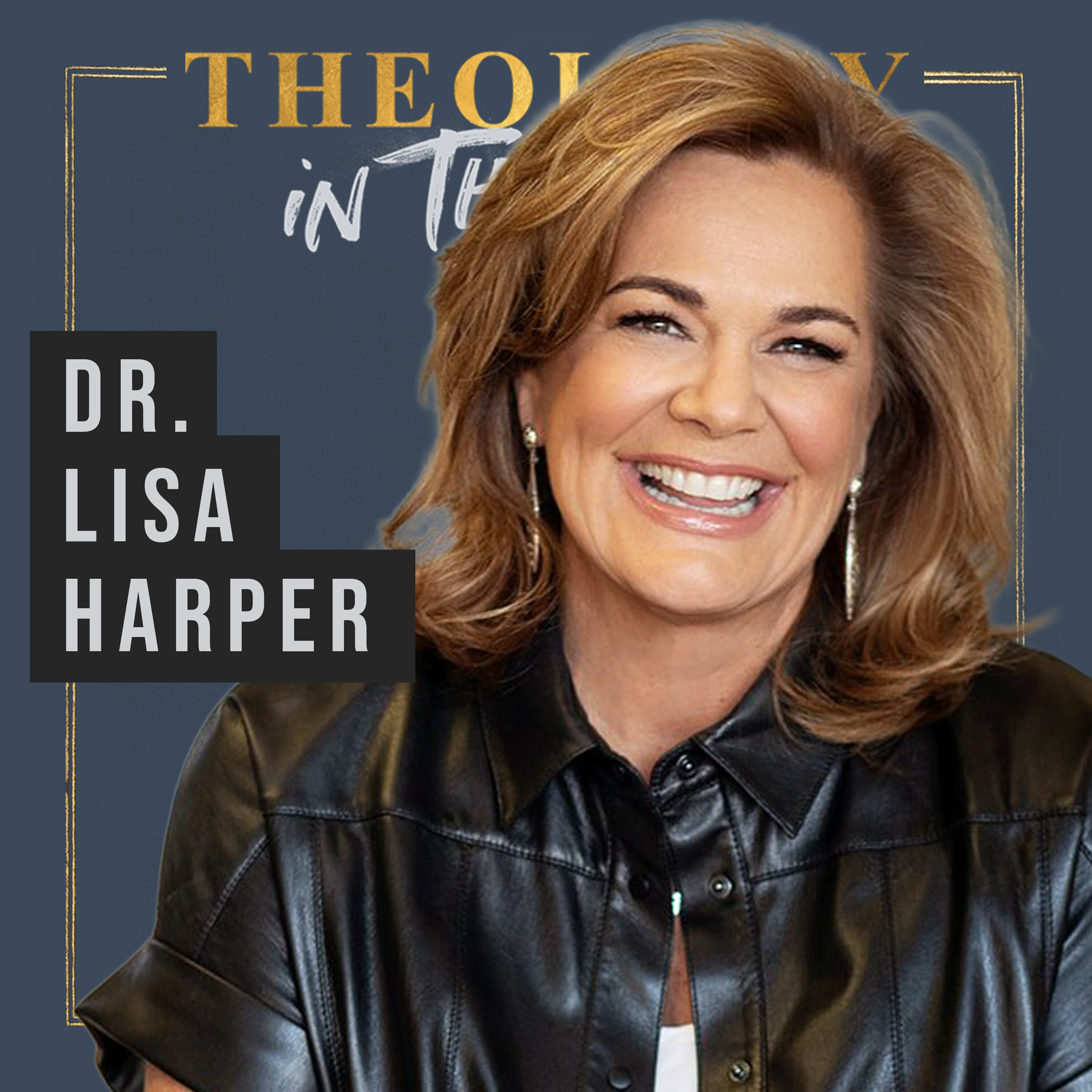
Lisa Harper on Why Theology Should Leave You in Awe
62 min

Listen through the publisher, then discuss the episode here or arrange an in-person Roundtable. Your city determines where to meet.

Roundtables are designed for groups of four, with a shared subject and room for everyone to speak. Come for discussion, with no dating expectation.

What if studying theology made you more amazed by God? My friend Lisa Harper joins me to talk about what happens when the things we learn about God change how we pray, how we parent, and how we love the people around us. Lisa’s book Theology for the Rest of Us is the jumping-off point for our conversation. We get into what we can know about God and what remains a mystery, how the Trinity shapes the way we think about community, and why the return of Jesus is a reason for hope. Lisa also tells the story of listening to her daughter gush about her first crush and thinking, “I remember when I talked about Jesus like that.” And yes, somehow a sausage biscuit gets thrown out a car window, and we end up talking about atonement. This is why I love talking theology with Lisa. Chapters 0:00 Theology was meant to be lived 0:40 Can studying God deepen our love for him? 3:38 Lisa Harper and her chaotic dissertation defense 14:57 Theology for the rest of us 15:46 What we can know about God and what leaves us in awe 24:00 The Trinity and why we need community 32:30 Using theology to invite people in 34:31 Finding hope in the return of Jesus 40:05 What baptism meant to the early Christians 46:42 “I remember when I talked about Jesus like that” 51:42 When words become armor 57:58 A sausage biscuit and a lesson in atonement

Episode information is provided by the publisher. Listening takes place on the publisher’s service.

Listen at the source ↗

Featured places to meet in Palo Alto, CA

Explore these places and arrange a conversation through ThinkMatch.

City guide for Palo Alto, CA

More from Theology in the Raw

Theology in the Raw

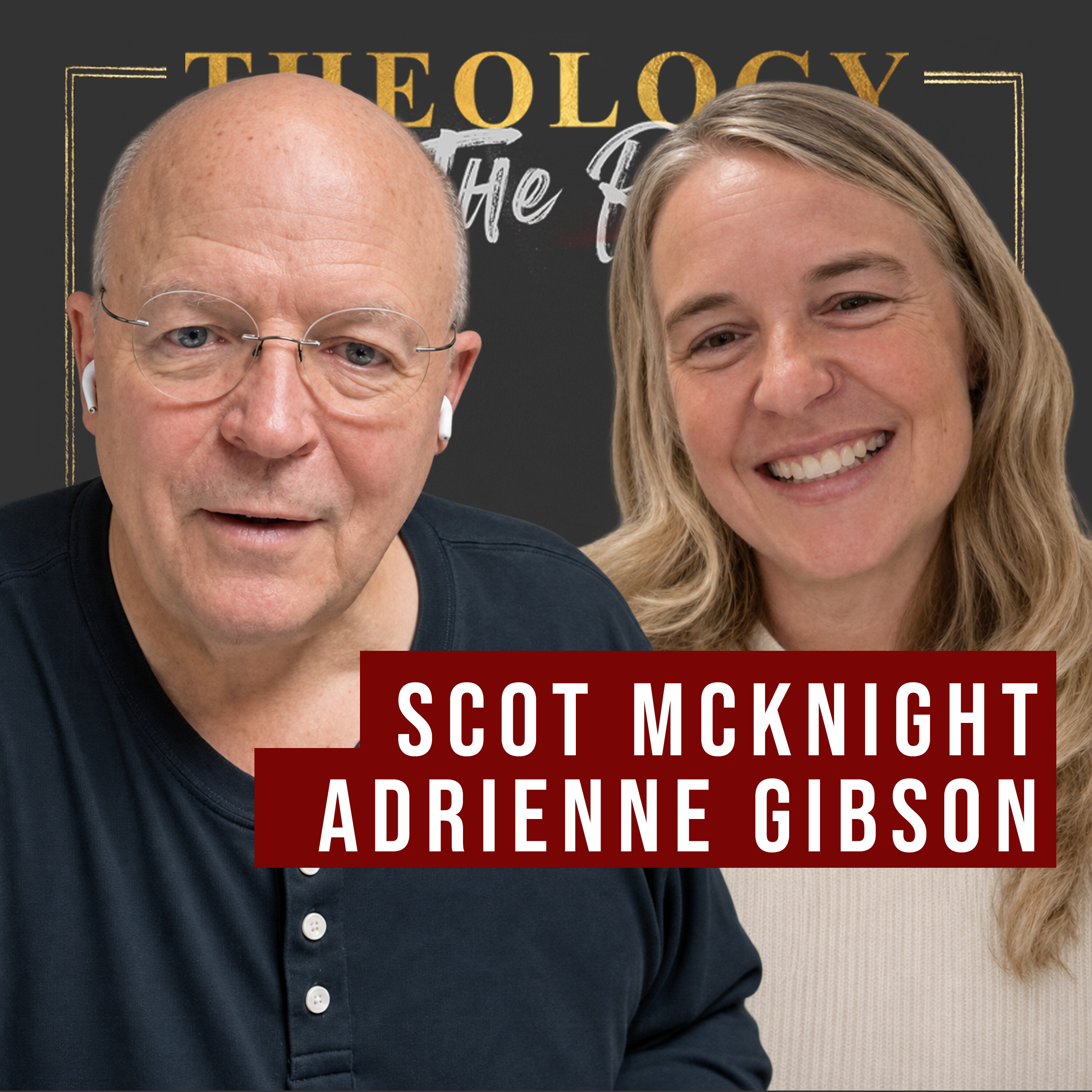
Church Trauma, Wounded Pastors, and the Apostle Paul: Scot McKnight & Adrienne Gibson

64 min

Was the Apostle Paul traumatized by the church he helped establish? New Testament scholar Scot McKnight and licensed professional counselor Adrienne Gibson join me to explore church trauma, pastoral burnout, and what Paul’s relationship with the Corinthians reveals about wounded ministry leaders. We’ve rightly become more aware of spiritual abuse and the harm caused by church leaders. But what happens when pastors, ministry leaders, and volunteers are hurt by the people they serve? Drawing on their book, Traumatized Church: What Paul’s Relationship with the Corinthian Church Teaches Us about Helping Those Who Are Hurting, Scot and Adrienne bring biblical scholarship and counseling experience into this often overlooked conversation. We discuss what trauma actually means, how it differs from discomfort, why the same experience affects people differently, and how biblical teaching can reopen wounds when Scripture has previously been used to justify abuse. Adrienne also explains why pastor

Discuss this episode

Theology in the Raw

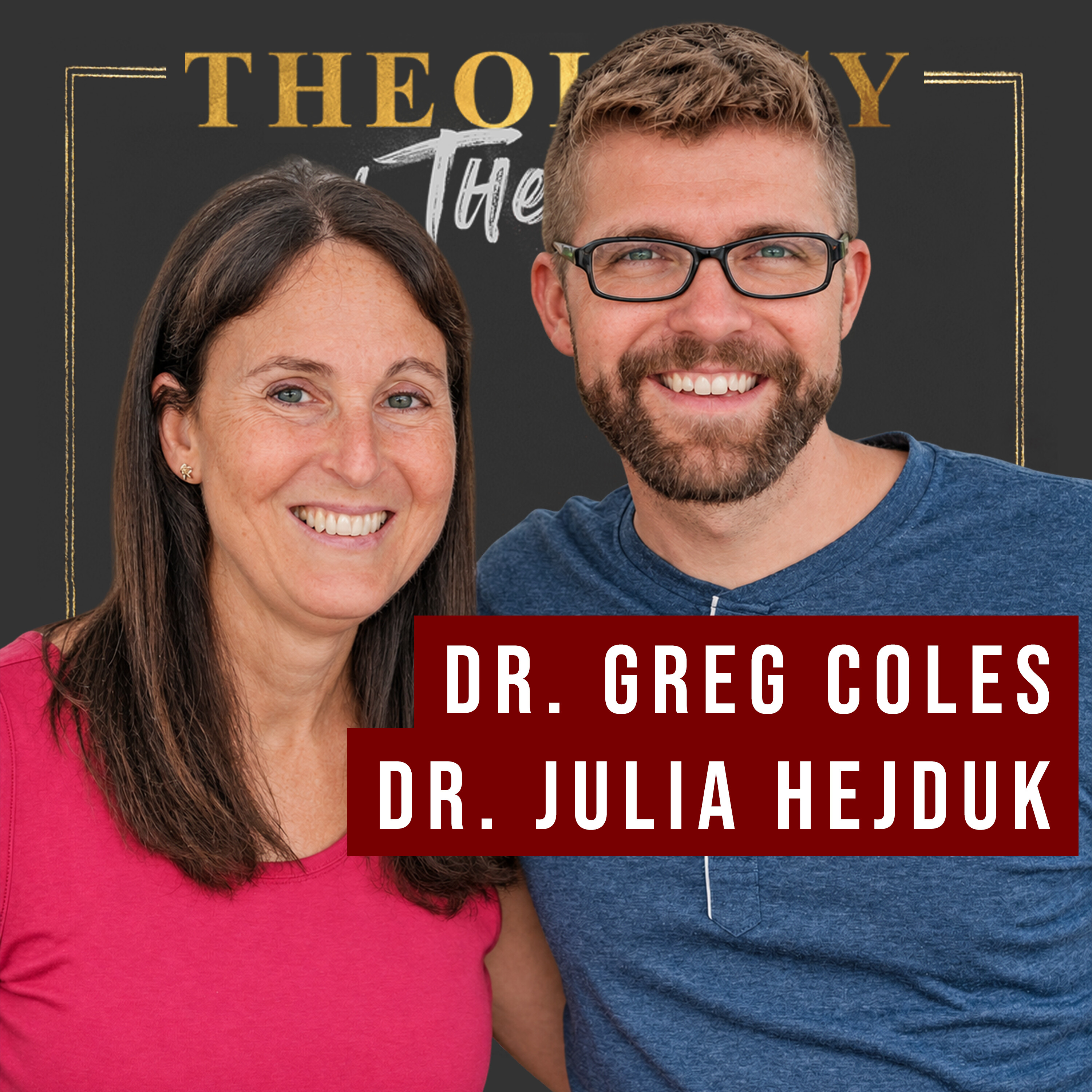
Sexual Desire, Unmet Longing, and Union with God | Greg Coles & Julia Hejduk

65 min

Why would God give us sexual desires we can’t always fulfill? Can unmet sexual longing actually draw us closer to Jesus? Greg Coles and Julia Hejduk join me to explore what our desires reveal about being human—and about the God who longs for us. Their book, Sexuality Beyond Sex: An Unexpected Conversation on Embodiment, Identity, and Desire, is one of the most theologically invigorating books I’ve read all year. Bringing Protestant and Catholic perspectives into conversation, Greg and Julia challenge the assumption that marriage and sexual activity are the ultimate fulfillment of our sexuality. What if our deepest longings point toward something even greater? We discuss singleness, marriage, celibacy, suffering, and how unmet desire can cultivate humility and dependence on God. We also explore the surprising connection between sexuality and the Lord’s Supper, work through Catholic and Protestant disagreements about Communion, and consider what Mary’s story reveals about offering our bo

Discuss this episode

Theology in the Raw

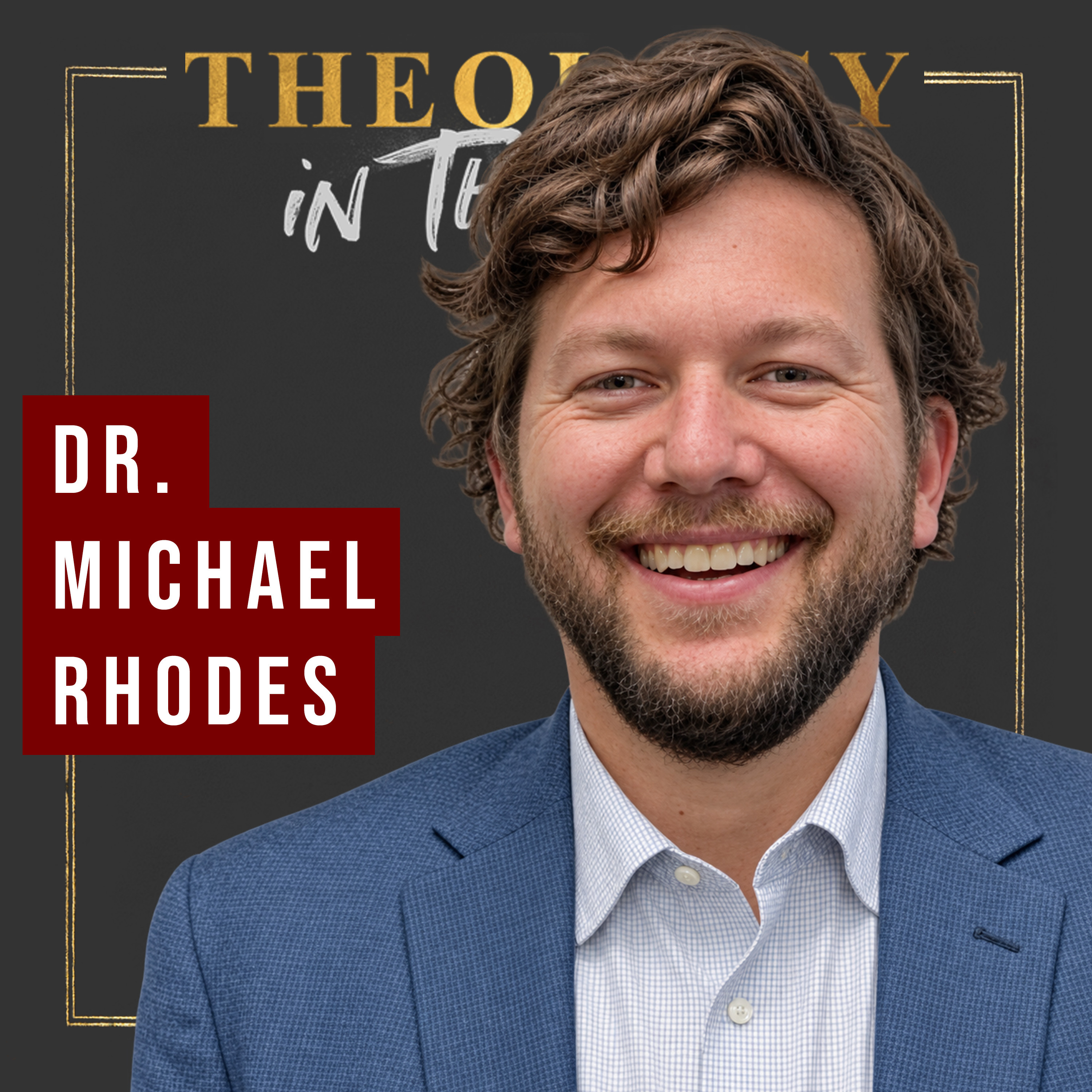
What Does the Bible Say About Wealth, Poverty, and Economics? with Dr. Michael Rhodes

64 min

Does the Bible support capitalism or socialism—or challenge both? What do Jesus’ teachings about wealth, the early church’s shared possessions, and the Old Testament’s economic laws mean for Christians today? Dr. Michael Rhodes joins Preston to explore what Scripture says about money, work, poverty, generosity, and economic justice. From Jubilee and debt forgiveness to the difference between earning a profit and maximizing it, Michael challenges us to consider how following Jesus should shape our entire economic life. We also wrestle with the role of government in helping the poor, minimum wage debates, the dangers of concentrated wealth and power, Michael’s critique of Elon Musk and the USAID cuts, and a question raised by When Helping Hurts: Can our generosity actually harm the people we want to help? Michael Rhodes holds a PhD from the University of Aberdeen and lectures in Old Testament at Carey Baptist College in New Zealand. His books include Just Discipleship, Practicing the Kin

Discuss this episode

Community Poll

Long-term public borrowing should account for the burden placed on future generations.

Share your view, then see how readers voted. No sign-in required. This poll is shared across stories.

Do you agree or disagree?

Choose one answer

Common Quandary

A Common Quandary to discuss

Another conversation to explore, separate from this news story.

Your anonymous gift could inspire millions more if you reveal your name. Do you?

A donor wants to make a transformative gift without recognition. The charity believes announcing the gift and the donor's identity would encourage matching contributions and help far more people.

Can the opportunity to create more good outweigh a preference for privacy?

Explore this quandary