Listen through the publisher, then discuss the episode here or arrange an in-person Roundtable. Your city determines where to meet.
Roundtables are designed for groups of four, with a shared subject and room for everyone to speak. Come for discussion, with no dating expectation.
For decades, America’s Hot 100 pop chart has been regularly invaded by Canadian artists like Paul Anka, the Guess Who, Bryan Adams, Céline Dion, Justin Bieber, and Drake. Yet in Canada, some of these Canucks’ biggest hits aren’t considered fully “Canadian.” Join Chris Molanphy for a look at how the country’s requirements for Canadian content, or CanCon, on radio, television, and other cultural outlets has influenced the music industry and entire careers on both sides of the border. From Kon Kan’s “I Beg Your Pardon” to Tate McRae’s recent “Housewife,” Chris explores how much credit, or blame, Canada’s radio rules deserve for what Americans hear on the pop charts. For more chart history for the Great White North, check out Hit Parade’s recent episode on Celine Dion (https://slate.com/podcasts/hit-parade/2026/08/celine-dions-voice-helped-define-the-90s-and-shaped-the-sound-of-the-decades-top-movie). Get more Hit Parade with Slate Plus! Join for bonus episodes of "The Bridge" and ad-free listening across all your favorite Slate podcasts. Or, visit slate.com/hitparadeplus (https://slate.com/podcast-plus) to get access wherever you listen. Need to set up your Slate Plus feed? If you subscribed through Slate.com, check out our FAQ (https://slate.com/podcastfaqs) at slate.com/podcastfaqs for easy instructions. Members subscribed via Apple Podcasts get automatic access—no setup required. Hosted on Acast. See acast.com/privacy (https://acast.com/privacy) for more information.
Episode information is provided by the publisher. Listening takes place on the publisher’s service.
Owen Ramsingh first came to the U.S. from the Netherlands when he was a kid and was a legal green-card holder for decades. But in February of 2026, a felony drug-dealing offense on Owen’s record from when he was 16 flashed up when he was reentering the country from a trip abroad. He was arrested, detained for months, and eventually deported. This week on the show, Owen talks about the life he’d built in the States, the poor conditions he endured in immigration detention, and having to live apart from his American kids while his wife moves back and forth. He also talks about how he eventually landed in Mexico and is piecing together a new life there with the support of his family and community in Columbia, Missouri. We first heard about Owen from reporter Addison Zanger, from a story she reported for NPR (https://www.npr.org/2026/05/05/nx-s1-5805229/detained-and-deported-a-missouri-man-must-make-a-new-life-in-the-netherlands) last summer. We also hear from Elora Mukherjee (https://www.l
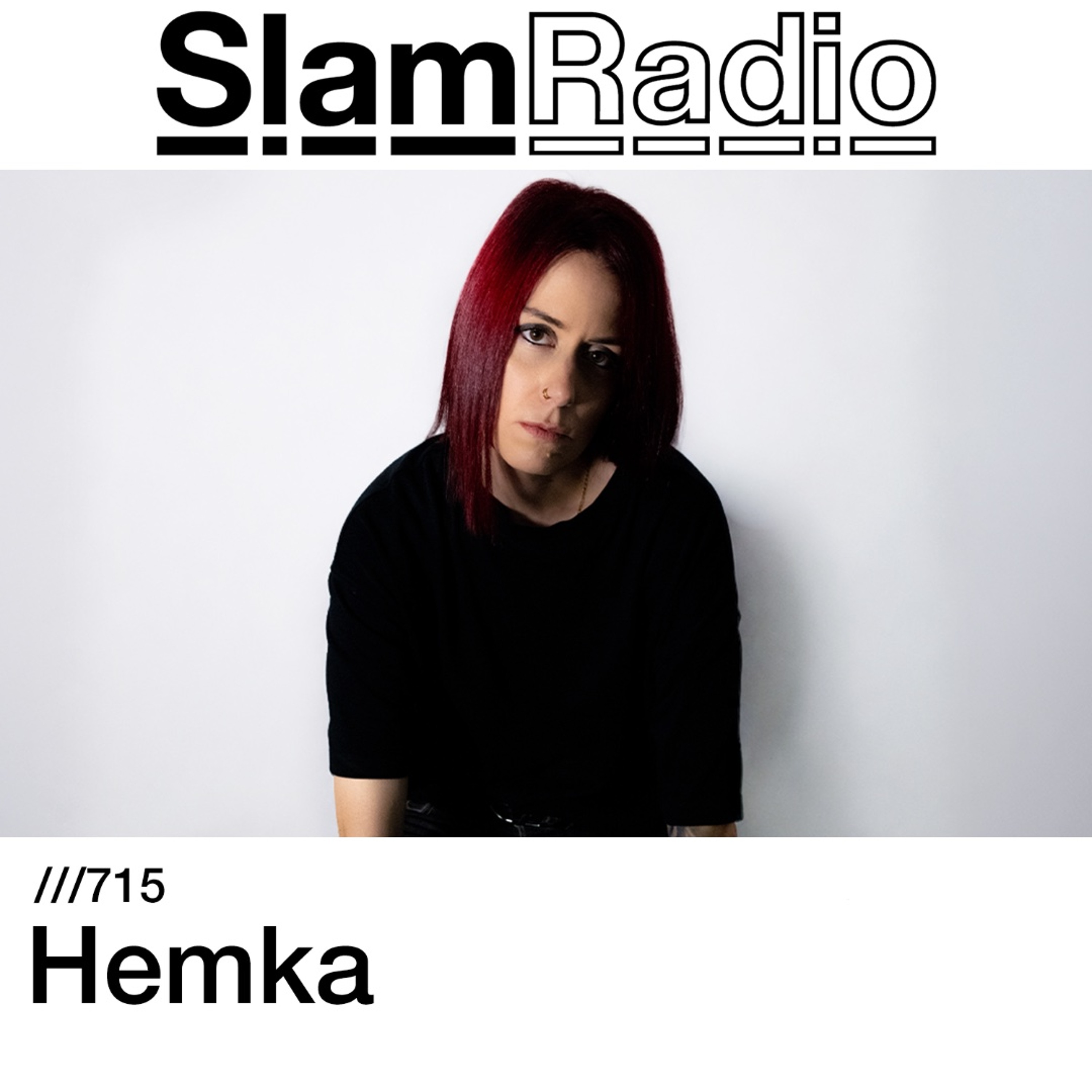
Paris-based French DJ and producer Hemka has been a distinctive force in the international techno scene for over a decade, developing a sound that blends raw 90s energy, hardgroove, hypnotic rhythms and psychedelic textures. Her strong focus on vocals has become a defining element of her productions, with heavily processed, layered vocals transformed into hypnotic, textured and instantly recognisable sonic elements. Her productions have been released on some of techno’s most respected labels, including Token, Rekids, BPitch, Float Records, Clergy and Symbolism. In recent years, Mutual Rytm has become a key part of her musical journey, with releases including Fragrance on Federation Of Rytm III, her acclaimed Introspection EP, and the Versus 002 split EP with Klint. Behind the decks, Hemka is known for her intense, physical and dynamic sets. She has played at iconic institutions including Berghain, Tresor and Rex Club, as well as major events and platforms such as Awakenings, Boiler Roo
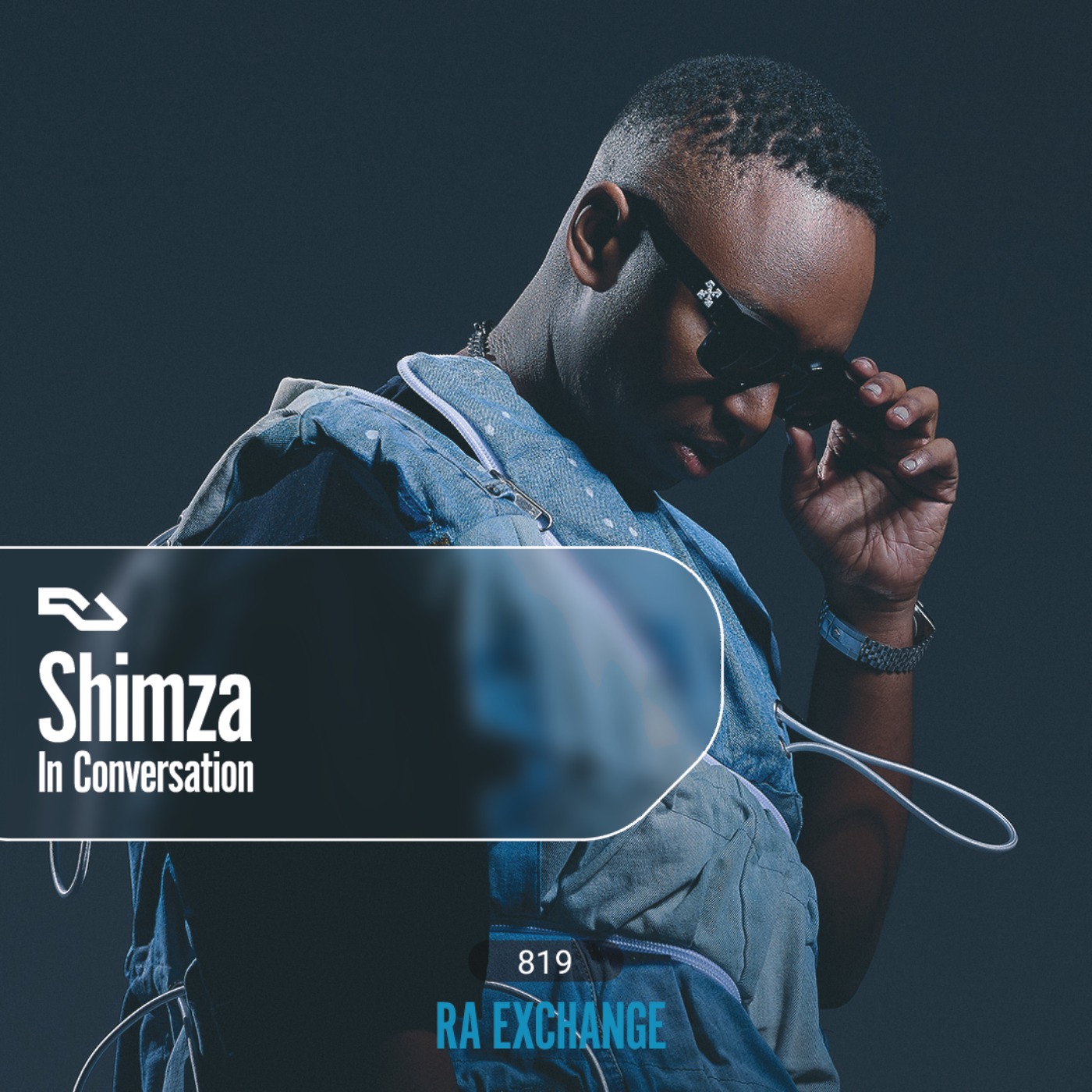
The South African DJ on Afro house's global rise, the townships that incubated it and why the sound should stay open to all. Shimza grew up in Tembisa, a township east of Johannesburg, where as a kid he followed the DJs who played the area's stokvel parties. Members of these community savings clubs took turns hosting and competed to book the best DJs. Those DJs became local tastemakers, and some went on to play national radio and run the record shops that shaped grassroots South African house. He eventually broke out of that circuit to become one of Afro house's biggest exports. This year he brought his Shimza & Co residency back to Pacha for a second Ibiza season, and he now sells out shows for thousands from Amsterdam to Mexico City. Along the way he built Kunye, which started as a lockdown livestream and grew into a label and party platform for the next generation of African artists. In this Exchange with RA's content production lead Antonia Odunlami, Shimza weighs in on the growing
What happens when aging Hollywood celebrities discover that people will pay to follow them online? Chris Akin and Neeley tackle Morgan Fairchild’s OnlyFans announcement and the growing trend of established television personalities moving onto subscription platforms. Donna Mills, Britney Spears, celebrity nostalgia, and the strange business of selling access all become part of the discussion. The guys ask whether these celebrity accounts can build sustainable audiences or whether curiosity will disappear after the first month. This is the commercial-supported audio edition of THE CLASSIC METAL SHOW. Want the complete uncensored, commercial-free video? Join CMS VIP at https://classicmetalshow.locals.com (https://classicmetalshow.locals.com/). SUPPORT INDEPENDENT METAL MEDIA Metallica — Death Magnetic metallic silver vinyl: https://link.amazon/B06nDBlbk McQueen Street — Self-Titled CD: https://link.amazon/B064v4uDL As an Amazon Associate, we earn from qualifying purchases. #TheClassicMeta
Join our Facebook Group: https://bit.ly/3sivr9T Become a member on Patreon: https://bit.ly/3slWZvc Sign up for our newsletter: https://bit.ly/4frcVZo Make a donation via PayPal: https://bit.ly/3dmt9lU Featured Songs: Westside Cowboy, "Pin Up Boys," It Goes On, Island, 2026 The Beatles, "With A Little Help From My Friends," Sgt. Pepper's Lonely Hearts Club Band, Parlophone, 1967 Untitled (halo), "aimee lou wood freestyle," Untitled (halo), Dirty Hit, 2026 Untitled (halo), "sex," Untitled (halo), Dirty Hit, 2026 Untitled (halo), "easy rider," Untitled (halo), Dirty Hit, 2026 Television, "Elevation," Marquee Moon, Elektra, 1977 Television, "Marquee Moon," Marquee Moon, Elektra, 1977 Velvet Underground , "What Goes On," 1969 Velvet Underground Live With Lou Reed, Mercury, 1974 Westside Cowboy, "The Boys (Live)," NA, unreleased, 2025 Westside Cowboy, "Kick Stones (The Boys)," It Goes On, Island, 2026 Westside Cowboy, "Alright Alright Alright," This Better Be Something Great, Heist or Hit an
Forty years ago this fall, Steve Spears and Brad Williams were college sophomores, occasionally attending classes but spending considerably more time (and money) listening to music. And what a fall it was for new albums! This week on Stuck in the ’80s, we're celebrating six albums released in the fall of 1986. Some were massive hits. Others were commercial disappointments. And a few deserve a lot more love than they've received over the past four decades. Here's what's on the turntable: Boston – Third Stage: After eight long years, Tom Scholz and company finally returned with an album featuring "Amanda," "We're Ready" and the nostalgic "Hollyann." Was it worth the wait? Talking Heads – True Stories: David Byrne and company blurred the lines between music and movies with "Wild Wild Life," "Love for Sale" and the mesmerizing "Dream Operator." Ric Ocasek – This Side of Paradise: The Cars frontman ventured out on his own with "Emotion in Motion" and an album packed with familiar collaborat
Products should disclose expected service life and repairability before purchase.
Share your view, then see how readers voted. No sign-in required. This poll is shared across stories.
Do you agree or disagree?
Common Quandary
A Common Quandary to discuss
Another conversation to explore, separate from this news story.
The stadium can ban violent fans by scanning every face at the gate. Would you walk in?
A stadium can use facial recognition to identify people banned for violence and shorten security lines. Every visitor would be scanned, error rates are not zero, and the resulting biometric data could become useful to police or advertisers.
How much privacy may a crowd be asked to trade for collective safety?