CONTENTS JOHN BATCHELOR SHOW 11-25-26
Listen through the publisher, then discuss the episode here or arrange an in-person Roundtable. Your city determines where to meet.
Roundtables are designed for groups of four, with a shared subject and room for everyone to speak. Come for discussion, with no dating expectation.
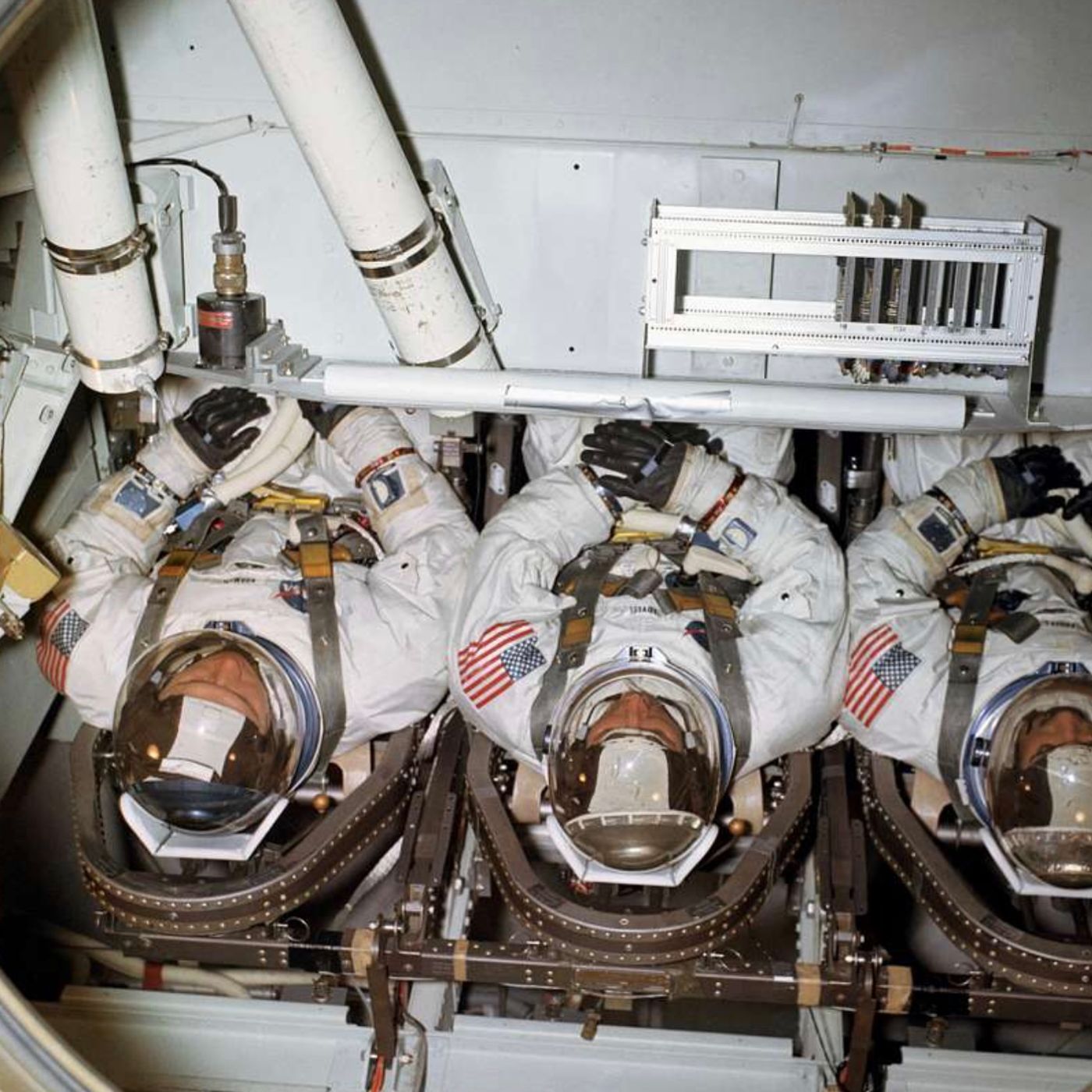
1968 APOLLO 8 CONTENTS JOHN BATCHELOR SHOW 11-25-26 Analyzing North Korean Regime Survival Strategies David Maxwell argues that North Korea operates like a criminal cult bent on dominating the Korean Peninsula. The Kim regime wages political warfare to weaken the South Korea–United States alliance and sees South Korea's prosperity as the main threat to the long-term survival of Kim dynasty rule. With Gordon Chang. (1 )Chinese Cognitive Warfare Campaign in Okinawa Charles Burton explains how China runs a cognitive warfare campaign in Okinawa to shape local opinion, turn residents against Japanese sovereignty and undermine American military bases. Chinese coast guard vessels keep up constant pressure on the Ryukyu island chain, which creates serious problems for Japanese security forces. With Gordon Chang. (2) Legal Convictions and Huawei Industrial Espionage Victoria Coates details Huawei's conviction in an American court for industrial espionage against companies such as Cisco. China systematically targets Western technology sectors to steal intellectual property, and international partners worried about compromised hardware and network security may move to blacklist the company worldwide. With Gordon Chang. Part One. (3) Economic Vulnerabilities and Strategic Defense Priorities Victoria Coates points to China's severe internal economic pressures, including real estate failures and demographic decline. Looking ahead to the G20 summit in Miami, she argues that American military strength, nuclear triad modernization and strategic tariff policy are the essential leverage for deterring Chinese aggression. With Gordon Chang. Part Two. (4) Geopolitical Instability and Historical Appeasement Parallels Gordon Chang warns that recent diplomatic summits echo the appeasement of the 1930s and could lead to wider conflict if territorial concessions are made in Ukraine. He notes that China keeps a durable strategic partnership with Russia, and that domestic policy failures on exports of advanced Nvidia technology raise serious national security concerns. (5)Tripolar Nuclear Deterrence and Arms Control John Bolton discusses how China's rapid nuclear buildup is turning global security into a complex tripolar deterrence model. With the old Cold War arms treaties expired, American strategists must keep nuclear deterrence credible against Russia and China at the same time, with no agreements in place. (6)Soviet Propaganda Roots of Anti-Zionist Rhetoric Masha Merkulova traces modern anti-Zionist tropes back to Soviet KGB propaganda campaigns, including those in the magazine Krokodil. She explains how antisemitic rhetoric gets rebranded as political anti-Zionism, and stresses that strategic cooperation with Israel gives the United States major intelligence and security benefits. (7)Hezbollah Influence in Lebanese State Infrastructure Ahmad Sharawi describes how Hezbollah keeps deep influence inside Lebanon's political, legal and military institutions. Despite American sanctions on senior officials, government inaction and token court penalties let Hezbollahkeep smuggling weapons. This undermines national sovereignty and drags out instability across the villages of southern Lebanon. (8)Chinese Nuclear Arsenal Expansion and Proliferation Peter Huessy and Brad Thayer trace China's record of nuclear proliferation back to decisions made in 1982 under Deng Xiaoping. They describe the remarkable speed of China's nuclear expansion across all three legs of the triad, and warn that Beijing means to use nuclear superiority to checkmate any American military intervention. Part One. (9)Strengthening American Nuclear Triad Deterrence Capabilities Peter Huessy and Brad Thayer lay out the critical steps for restoring American nuclear deterrence as adversaries expand their arsenals. Their recommendations include deploying theater nuclear weapons, modernizing command systems, refurbishing aging warheads and quickly expanding production capacity to counter China's advantage in mass production. Part Two. (10)Hotel Mars: The Secret Soviet Lunar Landing Program Anatoly Zak describes the secret Soviet program to land a man on the Moon. He covers the orbital vehicle derived from Soyuz and the giant N1 rocket that was built to carry the mission. Part One. (11)Hotel Mars: Engineering Failures That Ended the Soviet Moon Bid Anatoly Zak explains the severe engineering problems the program faced, such as synchronizing 30 first-stage engines and building reliable fuel cells. These failures led to catastrophic launch explosions, and Moscow eventually gave up on sending crews to the Moon. Part Two. (12)Ukrainian Drone Attacks Impacting Russian Refineries Michael Bernstam analyzes Ukrainian drone strikes on Russian energy infrastructure and explains the difference between oil refineries and distribution hubs. Repeated strikes have cut refining capacity and crippled Russian fuel exports. Moscow has been forced into domestic export bans, and gasoline and jet fuel shortages have spread across several time zones. (13)Unconventional Warfare and the Iranian Threat Cliff May argues that Iran avoids direct conventional naval warfare and relies instead on asymmetric tactics, proxy networks and terrorism against American interests. He urges Washington to recognize that Iran's jihadists remain aligned with China and Russia, which calls for sustained military spending and decisive strategic pressure. (14)Commercial Space Innovations and Rocket Development Bob Zimmerman reviews developments in commercial space, including talks on a launch site in the Philippines and contracts for Stoke Space's reusable rockets. He covers the private consortiums building commercial space stations to replace the International Space Station, and Japan's handover of H3 rocket operations to Mitsubishi Heavy Industries. Part One. (15)Global Spaceport Initiatives and Planetary Exploration Bob Zimmerman looks at new spaceport projects in Europe and Canada, next-generation high-altitude dirigible communication networks and crew capsule designs. He also discusses the BepiColombo mission's arrival at Mercury, and lunar farming research showing that potatoes need organic fertilizer to grow properly in lunar regolith. Part Two. (16)
Episode information is provided by the publisher. Listening takes place on the publisher’s service.
Listen at the source ↗