Listen through the publisher, then discuss the episode here or arrange an in-person Roundtable. Your city determines where to meet.
Roundtables are designed for groups of four, with a shared subject and room for everyone to speak. Come for discussion, with no dating expectation.
This episode of the Wisdom Podcast (https://wisdomexperience.org/wisdom-article/wisdom-podcast/), recorded live as a Wisdom Dharma Chat (https://wisdomexperience.org/dharma-chat-cortland-dahl-oct-2026/), features special guest Cortland Dahl. In this episode, Cortland and host Daniel Aitken invite the audience to a new series of unscripted Dharma conversations they are working on. They share personal stories with His Holiness the Dalai Lama, Yongey Mingyur Rinpoche, and H. E. Zurmang Garwang Rinpoche, illustrating how humor, love, and trust can cut through conceptual grasping. They also discuss their favorite verses from the Mahamudra Aspiration Prayer by the Third Gyalwang Karmapa, Rangjung Dorje. Together, they reflect on the scaffolding in the prayer’s structure, self-liberation, and connections to other Buddhist traditions. In this episode, Cortland and Daniel also discuss: debate and social dharma; devotion and aspiration; direct seeing vs inference; and so much more! Links from this episode: Join the Dharma Brothers Substack at dharmabrothers.substack.com (https://dharmabrothers.substack.com/) Aspiration of Mahāmudrā (https://www.lotsawahouse.org/tibetan-masters/third-karmapa-rangjung-dorje/mahamudra-aspiration)courtesy of Lotsawa House The views and opinions expressed on this program are those of the speakers and do not necessarily reflect the views or positions of Wisdom Publications or any entities they represent. The post Cortland Dahl: Dharma Brothers (#246) (https://wisdomexperience.org/wisdom-podcast/cortland-dahl-dharma-brothers-246/) appeared first on The Wisdom Experience (https://wisdomexperience.org/).
Episode information is provided by the publisher. Listening takes place on the publisher’s service.
Read Online (https://catholic-daily-reflections.com/2026/11/20/questioning-god/) Questioning God Some Sadducees, those who deny that there is a resurrection, came forward and put this question to Jesus, saying, “Teacher, Moses wrote for us, If someone’s brother dies leaving a wife but no child, his brother must take the wife and raise up descendants for his brother. Now there were seven brothers…” Luke 20:27–29 After entering Jerusalem for the Passover and cleansing the Temple, Jesus returned each day to teach within its courts. The people warmly received Him, hanging on His every word. Yet the religious leaders, fearful of His influence, deliberately and methodically sought to trap Him, discredit Him, and destroy Him. First, the chief priests, scribes, and elders challenged His authority, questioning His right to drive out the moneychangers and those selling animals for sacrifice. He declared they had turned His Father’s house into a den of thieves. When that ploy failed, the leaders
Why does Allah allow good people to suffer? When hardship enters your life, does it mean Allah is displeased with you, or could your struggles be bringing you closer to Him? Every believer experiences moments of pain, loss, uncertainty, and heartbreak. But in Islam, suffering is not necessarily a sign of Allah's anger, and experiencing sadness does not mean your faith is weak. In this powerful and comforting Islamic lecture, Ustadh Reece explores the deeper wisdom behind life's difficulties, the true meaning of Sabr, and how Muslims can remain connected to Allah ﷻ during their hardest moments. Through lessons from the Qur'an, authentic Hadith, and the lives of the Prophets, this reminder explores: - Why Allah tests those who believe in Him - How hardship can become a means of spiritual growth - What Prophet Muhammad ﷺ taught us about grief and sadness - The patience and beautiful du'a of Prophet Ayyub (AS) - How the story of Prophet Yusuf (AS) reveals Allah's wisdom - Why both blessing
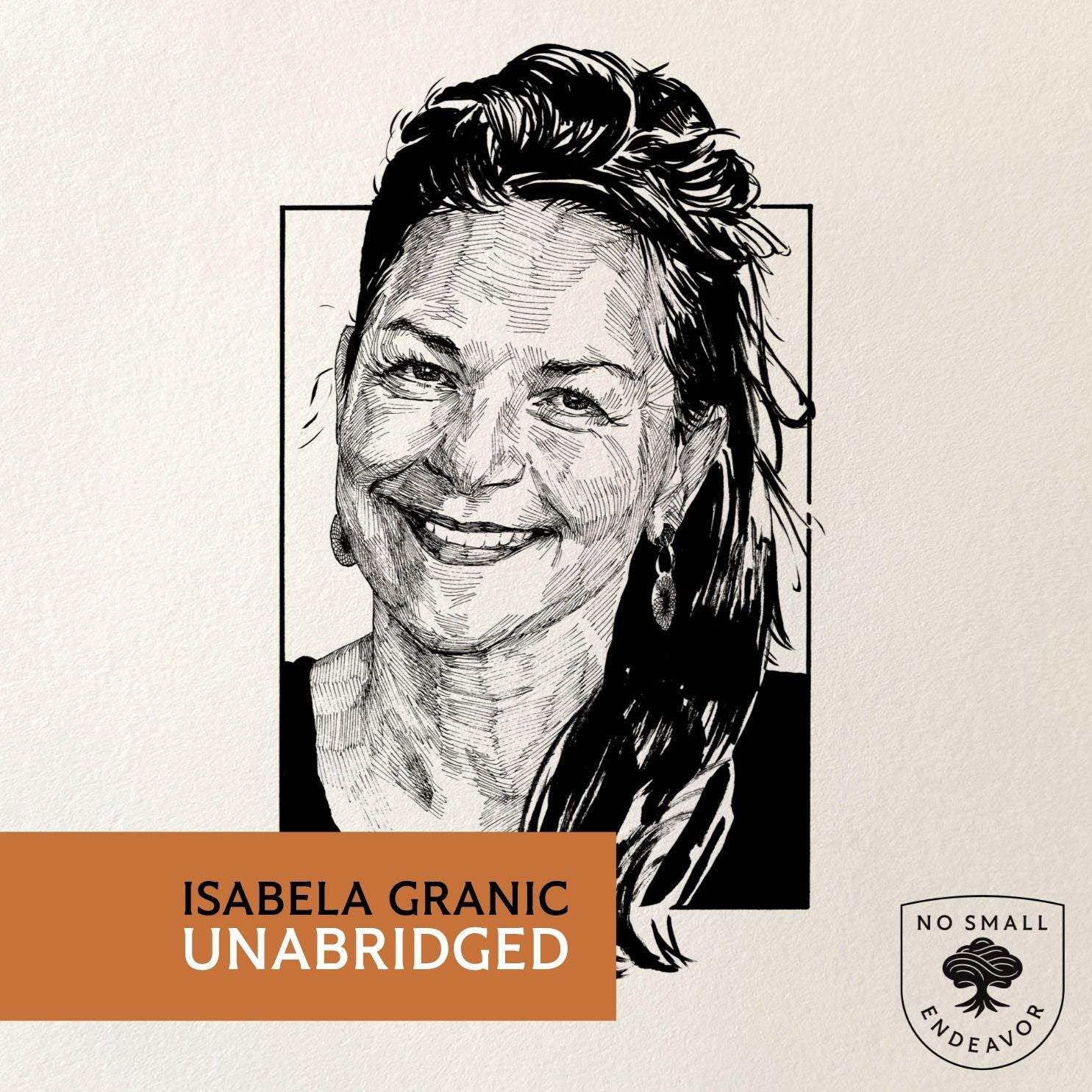
This is our unabridged interview with Isabela Granic. Developmental psychologist Isabela Granic is no technophobe. In the middle of a moral panic over kids and video games, she helped pioneer MindLight (https://playmindlight.com/), a biofeedback video game shown in clinical trials to significantly reduce anxiety symptoms in children ages 8 to 12. But as technology continues to evolve, and AI moves into every corner of childhood development, she’s worried. Isabela joins Lee C. Camp to explore what children need to grow into resilient, flourishing adults, and why a “frictionless” future may take away the very struggles that form us. This is part 2 of our 2-part series: The Cost of Outsourcing Your Humanity to Tech. This project was made possible through the support of a grant from Templeton World Charity Foundation, Inc funder DOI 501100011730) through grant https://doi.org/10.54224/35684https://doi.org/10.54224/35684. (https://doi.org/10.54224/35684%E2%81%A0%E2%81%A0%E2%81%A0.) The opin
2027 KICKSTARTER https://nla.to/KS (http://nla.to/KS) In this episode of Rooted in the Stars, I explore the trine between Uranus in Gemini and Pluto in Aquarius through the possibilities and pressures of our increasingly connected world. These air-sign themes invite questions about innovation, technology, and collective change, alongside the everyday work of caring for ourselves within it. Our companion is Ananse, the clever spider of West African Akan storytelling traditions. Through his pursuit of stories and his attempt to gather all the world's wisdom into a single vessel, we explore the difference between collecting information and learning how to live with it. SHARE THIS PODCAST EPISODE WITH A FRIEND ️: https://youtu.be/2TEhTamw-Y4 Together, we consider: • How we gather knowledge, honor its sources, and take responsibility for what we share. • The weight of constant information intake and the importance of noticing our own capacity. • A guided breath and body-awareness practice f
The debate over Christian nationalism raises some uncomfortable questions about faith, politics, and the role of government. Al, Zach, John Luke, and Christian examine how Christianity transformed the Roman Empire and why the early church flourished despite intense persecution. The guys also revisit the Garden of Eden, questioning whether Adam's failure to protect Eve was the first sin and what his actions reveal about responsibility and obedience. They consider what history teaches us about the dangers of unchecked power and why Christians must put their allegiance to God's kingdom above any earthly government. In this episode: Genesis 2, verses 15–17; Genesis 3, verses 1–7; Daniel 2; John 1, verses 4–5; Matthew 5, verses 27–30; Matthew 28, verses 18–20; John 11, verses 49–52; Luke 23, verses 6–12; Galatians 3, verse 28; 1 Timothy 2, verses 11–14; Romans 13, verses 1–7 Today’s conversation is about Lesson 6 of Western Heritage: From the Book of Genesis to John Locke taught by various
Does your relationship feel like home, or does it feel like standing on the edge of something you might lose? In Part 3 of our Relationship Anxiety series, clinical hypnotherapist and former paramedic Martin Hewlett guides you through the process of teaching your nervous system that love doesn't have to hurt to be real. We explore the physical manifestations of anxiety—the tight chest, the 2:00 AM racing mind, and the "stomach drop" when a text takes too long—and provide the tools to "turn down the alarm" of your internal survival response. If you are ready to stop "cherry-picking" evidence of disaster and start building a foundation of trust, this session is for you. In This Episode, We Cover: The Science of Safety: Understanding how your nervous system confuses love with danger. Guided Visualization: A journey into your own "safe room" where you are already enough. Rewiring the Brain: Moving from worst-case disaster reels to the reality of small, daily kindnesses. Breaking the Cycle:
In this Wisdom Podcast (https://wisdomexperience.org/wisdom-article/wisdom-podcast/) episode, join Melvin McLeod and host Daniel Aitken as they journey the path of mindfulness and celebrate the release of Melvin’s new book, With a Single Breath: The Complete Path of Mindfulness (https://www.amazon.com/dp/1645474712?channelId=500&lv=shuf&plpRedirect=mhFallback). Listen as Melvin shares his experiences, which challenged his fixed notions of reality and shaped his commitment to mainstream mindfulness as a universal, science-based movement. He recounts his travels to India and meetings with the Karmapa and Chögyam Trungpa Rinpoche while searching for a guru, which eventually led to a year-long shamatha-vipashyana retreat. Together, Melvin and Daniel explore mindfulness as a complete path integrating focus, insight, compassion, ethics, and community, and examine the essential elements of happiness. In this episode, Melvin and Daniel also discuss: Defining mindfulness practice; Walter Evans-
An institutional apology should include a concrete plan to prevent repetition.
Share your view, then see how readers voted. No sign-in required. This poll is shared across stories.
Do you agree or disagree?
Common Quandary
A Common Quandary to discuss
Another conversation to explore, separate from this news story.
Someone you love asks, “Do you think I’ll be okay?” What if you do not?
A relative with a poor prognosis asks whether you think they will recover. They seem to need reassurance, but you believe the odds are very low and do not want to spend the remaining time pretending.
Can preserving hope justify saying more than you believe?