Listen through the publisher, then discuss the episode here or arrange an in-person Roundtable. Your city determines where to meet.
Roundtables are designed for groups of four, with a shared subject and room for everyone to speak. Come for discussion, with no dating expectation.
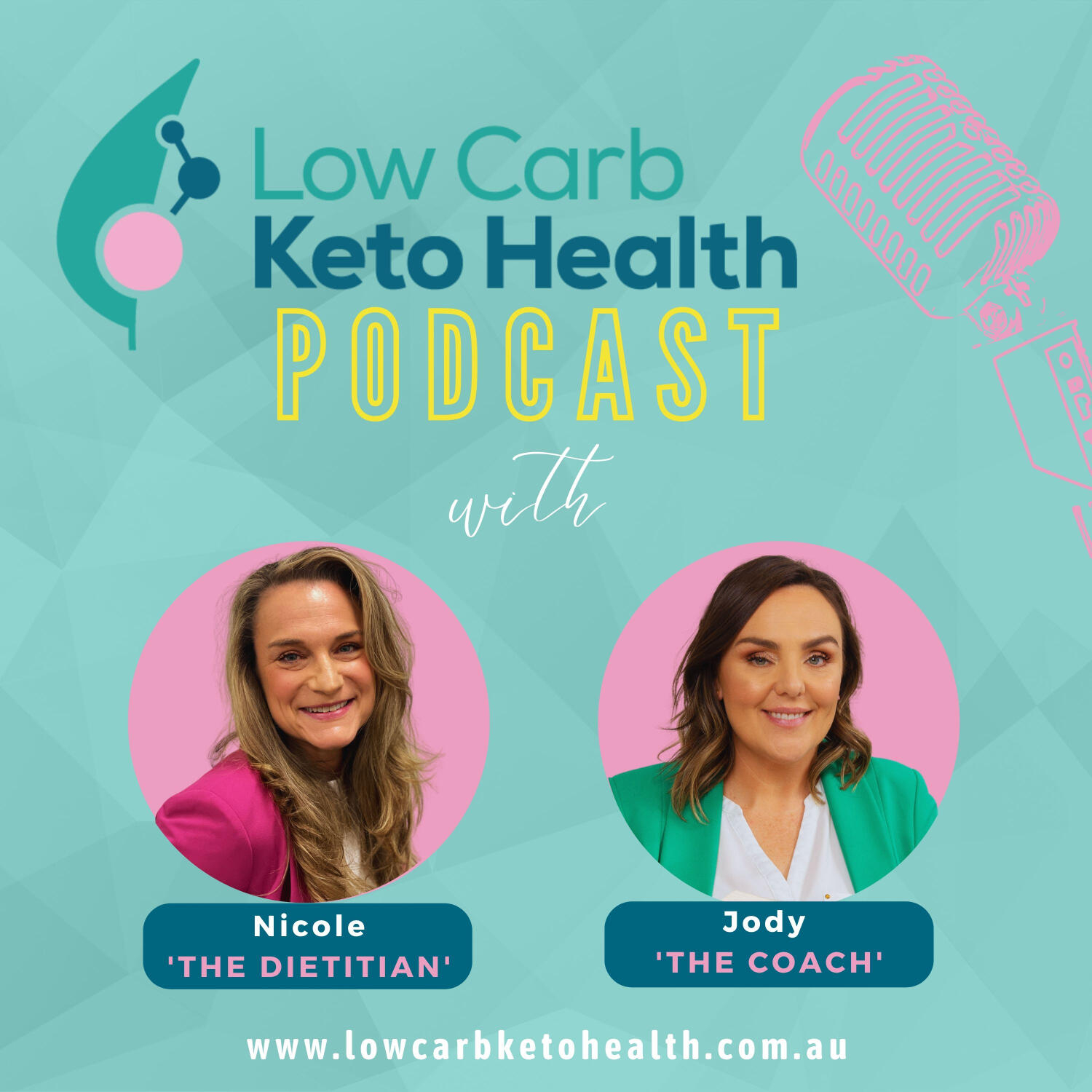
Have you ever finished dinner feeling completely satisfied, only to suddenly crave chocolate? You're certainly not alone. In this episode of the Low Carb Keto Podcast, Nicole Moore explores the important difference between genuine physical hunger and food cravings, explaining why recognising your body's signals can be a valuable step towards improving your relationship with food and managing your health. Nicole explains how physical hunger generally develops gradually, whereas cravings can appear suddenly and often centre around a particular food. She discusses the roles of hunger hormones, the brain's reward system and learned eating behaviours, helping listeners understand why they sometimes want to eat even when their bodies have already received enough food. For women navigating perimenopause, menopause or ongoing challenges with weight management, Nicole also explores how blood sugar fluctuations, insufficient protein, poor sleep, chronic stress and hormonal changes may influence appetite and food choices. She highlights the importance of building satisfying meals around protein, healthy fats and fibre-rich vegetables while recognising emotional and environmental triggers. The episode also introduces the practical idea of riding the craving wave — giving yourself around 15 minutes to identify what you're feeling, change your environment and decide how to respond. Nicole discusses food-based strategies, hydration and several supplements, while emphasising the importance of professional advice before introducing supplements. Above all, her message is reassuring: cravings are not a character flaw, and learning to understand them is a skill that can support long-term health and wellbeing. And remember to like, share and subscribe to the Low Carb Keto Podcast. Contact: Web: lowcarbketohealth.com.au (https://lowcarbketohealth.com.au/) Email: [email protected] Phone: 08 8463 0608 (https://studio.podcast.co/podcast-city/happy-business-radio/08%208463%200608)
Episode information is provided by the publisher. Listening takes place on the publisher’s service.
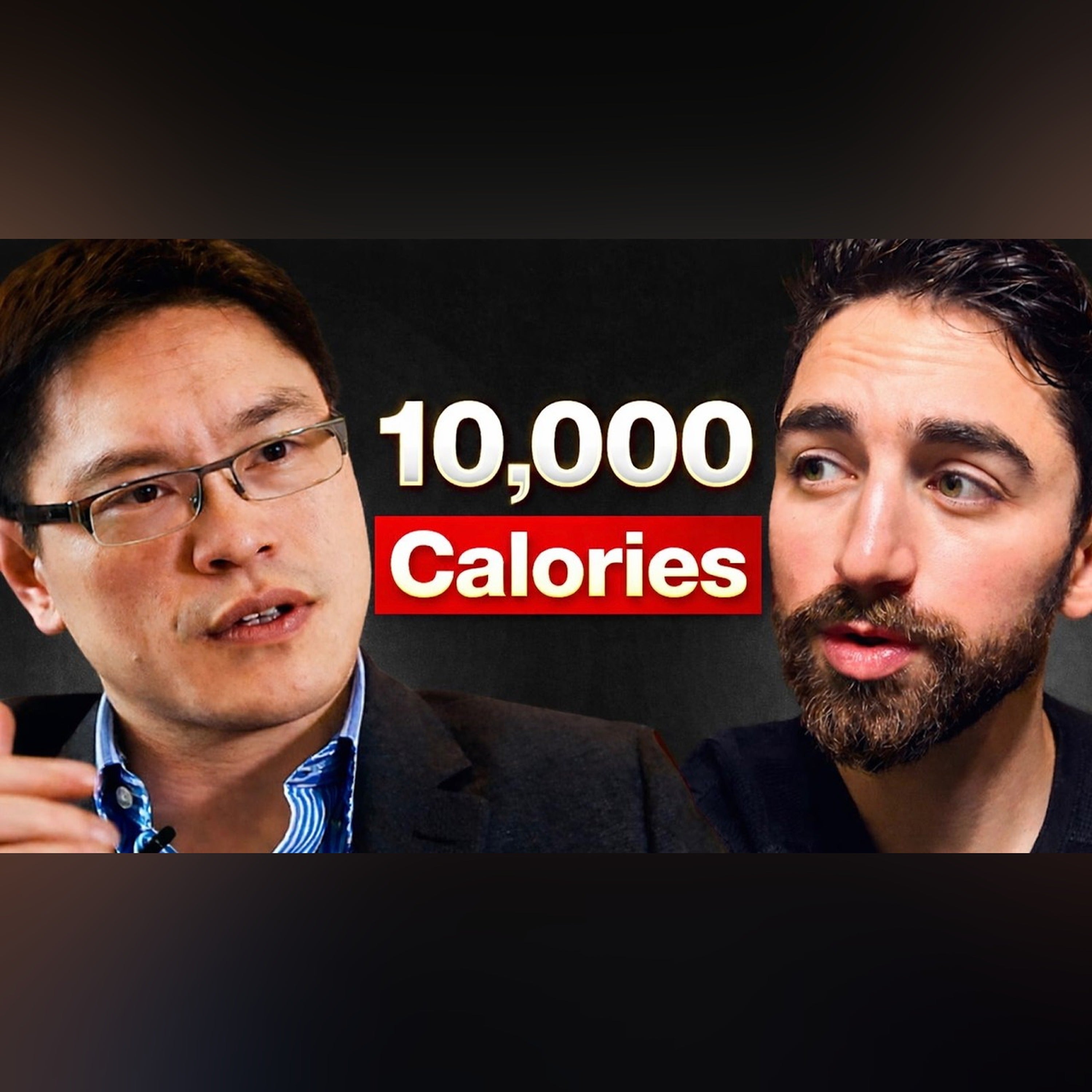
The Hunger Code Book: https://www.amazon.com/Hunger-Code-Resetting-Thermostat-Ultra-Processed/dp/1778401562 Weighted Vest Letter: https://staycuriousmetabolism.substack.com/p/how-weighted-vests-trick-your-body?r=40ekz2 Brain Insulin Resistance Letter: https://staycuriousmetabolism.substack.com/p/this-study-changed-how-i-see-junk?r=40ekz2 “Calories don’t cause obesity” is a provocative phrase—but it’s biologically accurate. It challenges a deeply entrenched misconception: that overeating causes obesity, rather than obesity driving overeating. If that sounds confusing, you’re not alone. Most people have been taught to think about it the other way around. In this discussion, Dr. Jason Fung and I work to untangle that misunderstanding. We explore how energy imbalance—so-called “overeating” and "excess calories"—is more often a consequence of obesity, not its root cause. What truly drives obesity is a complex interplay of social and hormonal factors that increase hunger and/or reduce energy
Is your body weight stable, but you're still not eating enough to properly fuel your training, recovery, and overall health? Introducing Why Stable Weight Doesn't Always Mean You're Eating Enough from Jeff Hoehn of the Mind Muscle Connection Podcast (https://www.buzzsprout.com/1508401). Just because your weight isn't changing doesn't necessarily mean you're adequately fueled. In this episode, Jeff breaks down why maintaining a stable body weight doesn't always mean you're meeting your body's energy needs, especially if you're training hard, staying lean, or spending long periods dieting. You'll learn: Why stable body weight doesn't automatically mean adequate energy availability Who is most at risk of underfueling, even when their weight isn't changing How high training output, staying too lean, and chronic dieting can contribute to low energy availability The potential signs of underfueling, including changes in performance, recovery, hormones, and menstrual health Why spending too lo
A kiss can be wonderful. It can create an instant connection, spark romance, or make you feel closer to someone. But a kiss can also have the opposite effect — and sometimes ruin everything. So what makes kissing so powerful, and why can one kiss make such a difference? There's some fascinating science behind it. https://www.scientificamerican.com/article/why-we-kiss/ We spend an enormous amount of time worrying about what's going to change. What's next? What's coming? How do we prepare? But what if we're paying attention to the wrong things? Some of the most important forces shaping our lives never change, and understanding them may be far more valuable than trying to predict the future — something humans are notoriously bad at. Morgan Housel, partner at The Collaborative Fund and author of Same as Ever: A Guide to What Never Changes (https://amzn.to/3SwWn6u) (https://amzn.to/3SwWn6u)), joins me to explain why the things that stay the same may be the most important things to understan
Today, I’m honored to connect with Dr. Troy Badger. He is a board-certified cardiologist and interventionalist and the founder of Cardiostrong, a concierge preventive cardiology clinic in Provo, Utah, focused on reducing cardiovascular risk, optimizing metabolic health, and improving strength and cardiorespiratory fitness for executives and athletes. In today’s conversation, we discuss Dr. Badger’s gender- and age-specific approach to heart health, including treatment differences for men and women, and diagnoses such as INOCA, SCAD, vasospastic disease, and Takotsubo. We examine emotions and their influence on heart health, coronary ischemia and cardiomyopathies, labs and diagnostics, how Dr. Badger assesses risk in his patients, and the differences between a CAC and a CCTA. Dr. Badger also shares the labs he finds essential for all patients and discusses the role of VO2 Max, cardiovascular training, and lifestyle—specifically nutrition, the use of GLP-1 drugs, and a multidisciplinary
If you're training hard but feeling wiped, eating a restricted diet for your gut, or just never hungry after a tough workout, you might not be getting the protein you need. This episode breaks down how much you really need and how to get it without upsetting your gut. YOU'LL TAKEAWAY: Macronutrients and calories 101, and how restrictive diets throw off your balance How your body digests protein, and why it matters before workouts The many roles of protein, from enzymes and iron storage to post-workout appetite How much protein you need, plus 3 easy low FODMAP ways to boost it — RESOURCES & LINKS MENTIONED: ⤵️ Want high touch coaching support for IBS & fuelling performance? Apply for coaching. (http://gutfitnutrition.com/apply) Free Training: How to Control IBS So You Can Fuel Your Training Without a Lifelong Low FODMAP Diet (https://gutfitnutrition.com/heal-ibs-training-live) Supporting your immune system when you're sick (Ep. 70) (https://open.spotify.com/episode/5bCto0jWLcbC5hQW4hrH6
Today, Mel is doing something she's never done before on The Mel Robbins Podcast. She's bringing members of her team into the studio for live coaching with world-renowned communications expert Vinh Giang. Vinh is known for teaching millions of people online how to stop sounding insecure, speak more clearly, and get people to listen when you talk. And when you hear him coaching today, it will be like he’s coaching you. One person freezes when they're put on the spot. Another can't stop interrupting people. Someone else has great ideas but stays quiet because they're afraid of being judged. Does any of that sound familiar? And Vinh isn't just giving advice. He's coaching real people through practical exercises, right there in the studio, so you can hear the difference and start making those same changes in your own life. As Mel says, put yourself in their shoes. As Vinh works with each person, you'll recognize things you struggle with, too. You'll learn: -What to do when your mind goes b
We often know what we should be doing to improve our health, yet putting that knowledge into practice can feel surprisingly difficult. Between work commitments, family responsibilities, changing routines and everyday pressures, our best intentions can quickly fall to the bottom of the priority list. In this episode, Jody Bund explores why planning isn't about adding more work to your life. Instead, it's about creating a little structure that makes healthier choices easier and more achievable. Drawing on her experience supporting clients through Low Carb Keto Health's Whole Body Lifestyle Program, alongside her background in business leadership and health coaching, Jody explains the difference between wanting to make a change and creating the conditions that help that change happen. She discusses research into exercise planning, goal achievement, food tracking and structured lifestyle interventions, highlighting the valuable role of practical planning and accountability. Jody also explo
Schools should restrict personal phone use during lessons.
Share your view, then see how readers voted. No sign-in required. This poll is shared across stories.
Do you agree or disagree?
Common Quandary
A Common Quandary to discuss
Another conversation to explore, separate from this news story.
A DNA test reveals a family time bomb. Do you tell relatives who would rather not know?
A genetic test reveals that you carry a serious inherited condition. Your siblings and adult cousins may carry it too, but one has previously said they would rather live without predictions about illnesses that cannot yet be prevented.
Can someone's wish not to know outweigh your responsibility to warn them?