Crop Insurance Is Changing: Protecting Your Farm's Bottom Line
Listen through the publisher, then discuss the episode here or arrange an in-person Roundtable. Your city determines where to meet.
Roundtables are designed for groups of four, with a shared subject and room for everyone to speak. Come for discussion, with no dating expectation.
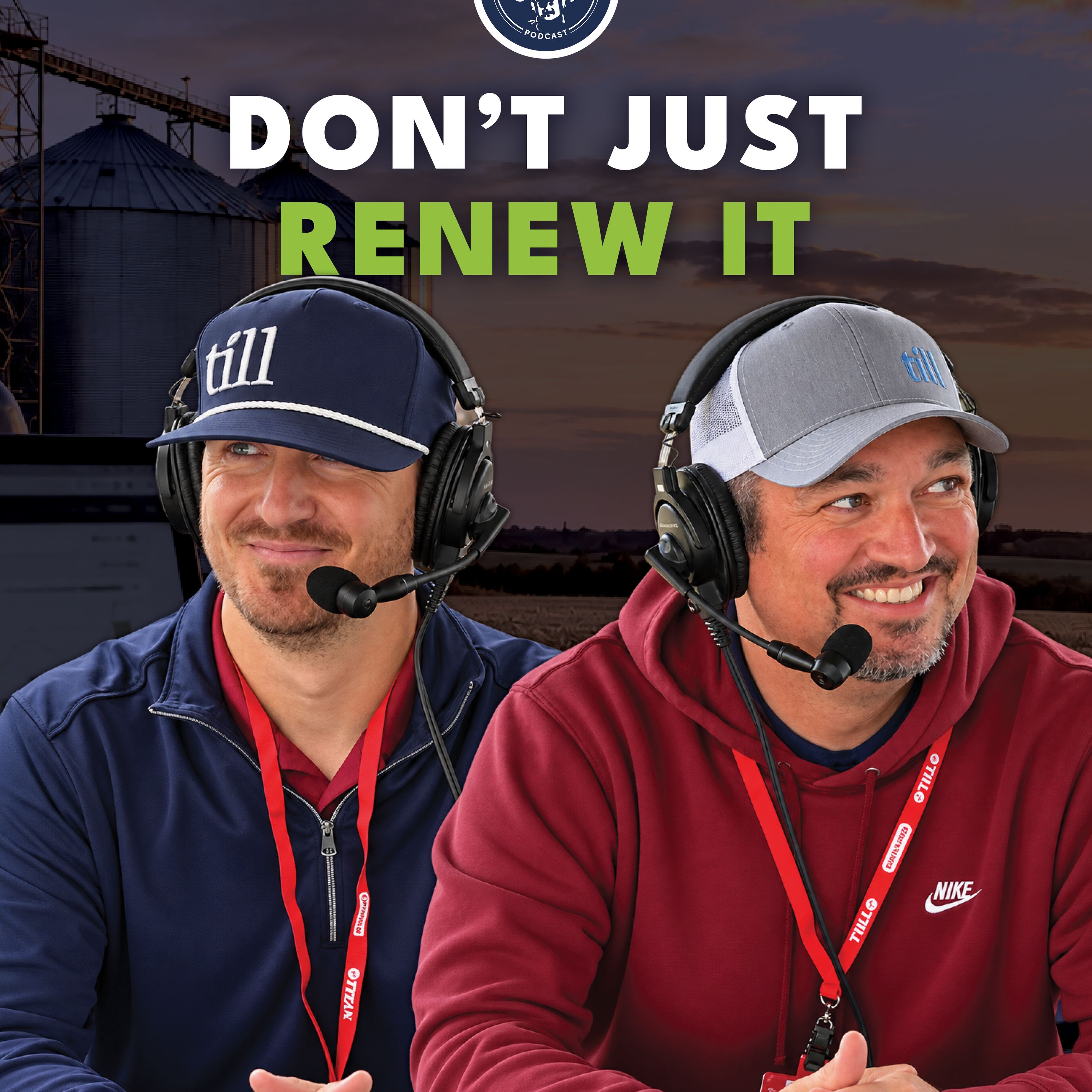
Recorded at the Maya Corn Heads booth during Husker Harvest Days in Grand Island, Nebraska, Tanner, Corey, and David welcome Caleb Wilson and Lucas Connery from Till Insurance for a timely conversation about protecting farm profitability heading into the 2027 growing season. Caleb, originally from Seneca, Kansas, leads innovation initiatives at Till after working with Farmers Business Network and Farm Credit. Lucas, based near Madison, Wisconsin, brings approximately 14 years of crop insurance experience. Together, they explain Till's approach to supporting independent agents by reducing administrative work, improving access to information, and allowing agents to spend more time serving farmers. Since federally regulated crop insurance rates are standardized, they argue that the real difference often comes down to the quality of the agent, the advice provided, and the tools available. The conversation tackles some of agriculture's most confusing insurance acronyms, including Revenue Protection (RP), Supplemental Coverage Option (SCO), and Enhanced Coverage Option (ECO). Caleb explains how SCO and ECO provide additional county-based coverage above a farmer's underlying policy and why those products aren't necessarily the right investment in every county. He introduces Till's ECO Optimizer, a tool that evaluates historical county performance, insurance triggers, and expected value using USDA Risk Management Agency data. The goal is to help agents and farmers understand whether a policy makes financial sense rather than purchasing coverage simply because it's available. The group also discusses the importance of understanding Actual Production History (APH), comparing coverage levels, and evaluating how closely an individual farm's yields track county averages. Livestock producers get plenty of attention as the discussion shifts to Pasture, Rangeland, and Forage (PRF) insurance and Livestock Risk Protection (LRP). Lucas and Caleb explain how PRF uses rainfall measurements to provide protection for grazing and forage operations, while LRP can help cattle producers establish a price floor against declining livestock markets. They also discuss livestock insurance for hogs, dairy revenue protection, and why cattle producers have historically participated in insurance programs at much lower rates than row-crop farmers. Caleb previews a livestock risk management platform Till is developing to track cattle inventories, break-even prices, market movements, and potential insurance opportunities. The conversation emphasizes that LRP protects against market price changes, not livestock death, and that knowing your true production costs is essential before deciding which risks to protect. The crew also explores the growing market for private crop insurance products, including wind, hail, supplemental revenue, and individual yield protection. Unlike federally subsidized policies, these private products can carry different rules, costs, and coverage limitations depending on the insurance provider. Lucas explains why farmers should carefully compare options rather than assuming every additional policy provides the same protection. The group debates whether self-insuring makes sense, using an example of a farmer holding $200,000 in reserve compared with purchasing approximately $5,000 in annual coverage. They also discuss the role of crop insurance subsidies in maintaining a stable agricultural economy and why insurance decisions should reflect each farm's financial position, debt obligations, production history, and tolerance for risk. With deadlines approaching, the guests remind listeners that crop insurance planning should be a year-round conversation, not a last-minute meeting before sales close. They identify December 1 as an important PRF deadline and March 15 as the major spring sales closing date for corn and soybeans in much of the country, while noting that deadlines vary by crop and location. Their biggest recommendation for 2027 is simple: ask your agent to explain why your current coverage still makes sense, how your operation compares with county performance, and whether new private products or coverage combinations could better protect your cost of production. The episode wraps up with plenty of Farm4Profit humor, including interruptions from the windy farm show, a crop insurance drinking game, and the ongoing debate about whether farmers should pay their insurance premiums earlier in the season. Learn more about Till Insurance at tillinsurance.com. Want Farm4Profit Merch? Custom order your favorite items today! Website: www.Farm4Profit.com (http://www.farm4profit.com/) Email address: [email protected] Call/Text: 515.207.9640 Farm4Profit Media is not a financial, legal, or tax advisor. Hosted by Simplecast, an AdsWizz company.
Episode information is provided by the publisher. Listening takes place on the publisher’s service.
Listen at the source ↗