Listen through the publisher, then discuss the episode here or arrange an in-person Roundtable. Your city determines where to meet.
Roundtables are designed for groups of four, with a shared subject and room for everyone to speak. Come for discussion, with no dating expectation.
It’s time to answer your questions about Wallace Stegner’s novel. In doing so, we consider whether it matters if the novel hints at a connection between the raw chicken and Sally’s illness. Plus we answer questions about Charity’s relationship to suffering, Sid’s grief, Larry’s storytelling, and the novel’s moral and religious ideas. Conversation also considers the book’s title, recommends other Stegner works, and more. Happy listening! This is a public episode.
Episode information is provided by the publisher. Listening takes place on the publisher’s service.
Jimmy and Americans' Comedian Kurt Metzger investigate the U.S. Army's detonation of nearly 10,000 pounds of deteriorating lead azide explosives in Middletown, Iowa, arguing that a safer chemical-neutralization plan had been recommended and contracted for before the Army rejected it in favor of an explosion. They question why the hazardous material was stored in one community for decades, criticize the Army's handling of the disposal decision, and highlight concerns about lead dust spreading across farmland and potentially affecting livestock, food, water, and nearby residents. They also challenge official reassurances that the detonation was safe, pointing to EPA monitoring reports, a malfunctioning emergency hotline, and past cases such as the post-9/11 World Trade Center cleanup and the East Palestine train derailment, where officials' safety assurances later faced scrutiny. The discussion argues that the incident reflects government negligence and the unequal treatment of small com
RHLSTP Book Club #203 - Goodnight Sweetheart - Many Happy Returns - Rich chats to the men behind some of the country’s best loved sitcoms, Marks and Gran, about their new novelisation of Goodnight Sweetheart. They talk about how the book came about, why the BBC might not have gone ahead with a new series when they had the chance and how they kickstarted this book, the challenge of getting all the backers’ names into the story (including Richard’s) and the serendipity of Gary having to travel from the early 60s to 2016 and back in this incarnation. They also chat about the differences between writing a sitcom and a novel, why this lets us delve further into the brain of Gary Sparrow, whether Gary is a baddie or we forgive him because we’re all lying our way through our lives, will there will be more novels in the future and if so how will they get out of the substantial cliffhanger and some lovely writerly griping about the state of the industry from all participants. Watch our TWITCH C
The time has come! We're so psyched to get deep into spoilers for Becca's new novel, Back Where We Started (https://www.penguinrandomhouse.com/books/736181/back-where-we-started-by-becca-freeman/). But first! Olivia asks Becca about the origins of the book, from the first kernel of the story, how she powered through tough periods of writing, how she wanted to subvert a famous/not famous person romance, how the theme of ambition carries through the novel, and so! Much! More! No December Book Club, we'll report back once we have a January pick! Obsessions Olivia - Pho Becca - Nobody Wants this Season 3 (https://www.netflix.com/title/81591296?fromWatch=true&source=35) What we've read this week Olivia - Yes, Yes by AJ Jacono (https://bookshop.org/a/86846/9798892428811), Sunlight Finds You by Laura Moriarty (https://bookshop.org/a/86846/9781594487170) Becca - A Parade of Horribles by Matt Dinniman (https://bookshop.org/a/86846/9798217190065), Mother in Law Book Club by Kate Hash (https://bo
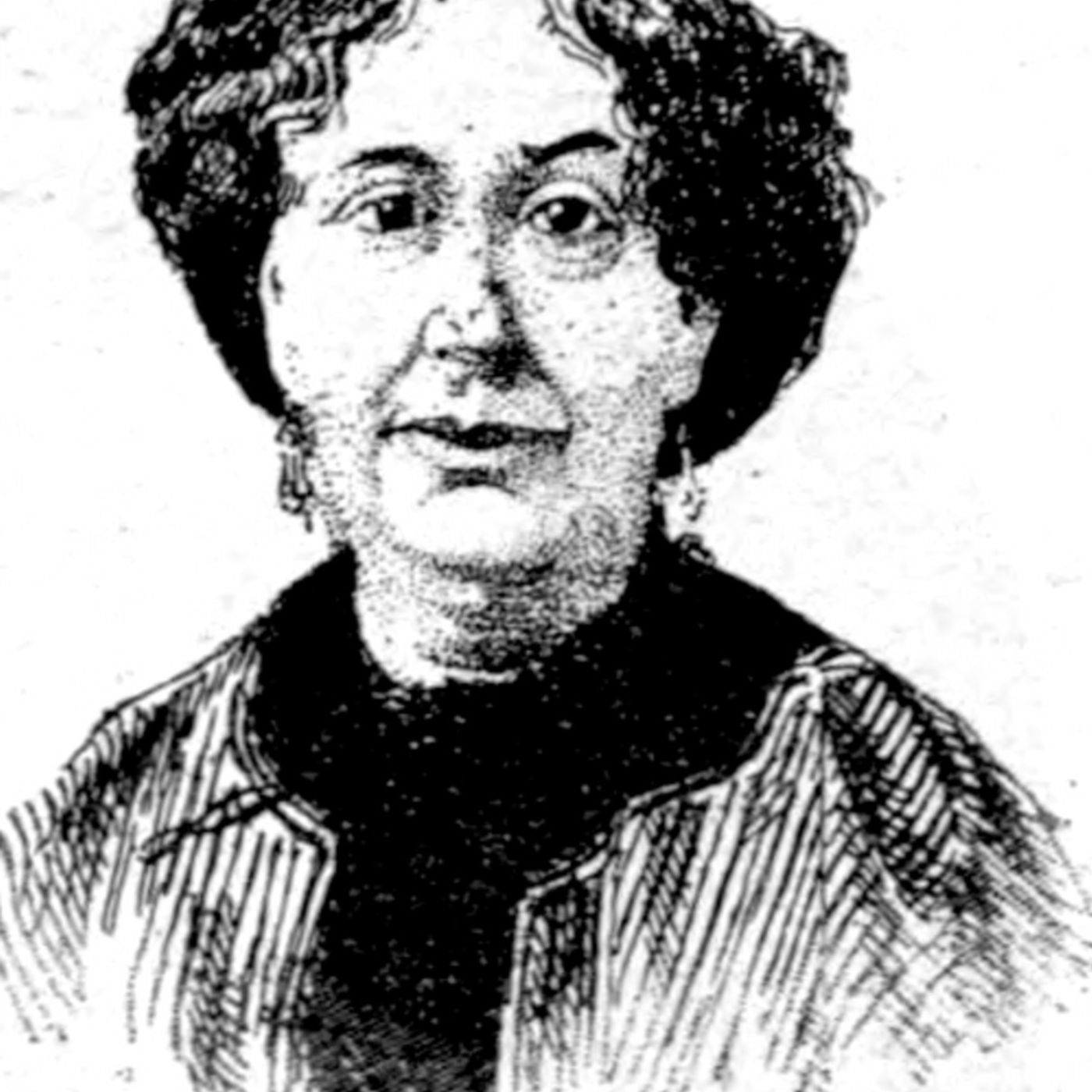
1869 (AT 65) Nurturing the Genius of Chopin Fiona Sampson, author of Becoming George Sand, describes to John Batchelor Sand's nine-year relationship with the composer Frédéric Chopin, to whom she gave financial security and emotional stability at Nohant. Her near-maternal care allowed Chopin to compose his greatest works despite chronic illness. Family conflicts eventually ended their relationship, but her support remains central to his artistic legacy. Part Seven. (7)
A frustrated Ed tries to get disorganised and resistant Keira off to school. He reminds her that he’s meeting her head of year at lunchtime. After the meeting, Ed drives Keira home. A little lost for words, he gently explains that she’s not in trouble. School think she’s wonderful and one of their brightest. But she’s behind where she should be. It’s thought that Keira gets overwhelmed and so struggles to process questions. They’ve suggested that for exams she should have extra time and a separate room. She’ll also get a laptop. Keira is relieved to hear about the support. Ed apologises that he and Emma haven’t listened. Keira hasn’t been difficult or lazy, things are genuinely harder for her to cope with. When Jazzer and Josh meet in the shop, Jazzer can’t believe he’s given up on Patagonia, especially in cold November. Perhaps Josh can enter Lynda’s art exhibition now he’s back? Anna tells Susan that she’s in communication with the Archdeacon. Alan’s chaperone situation should be sor
Robert meets artist Lola Stong-Brett to explore her work ahead of Art Basel week in Miami where she is exhibiting at Untitled and Art Basel. Stong-Brett’s paintings draw deeply from her immediate surroundings, memory, and nostalgia, functioning as intimate diary entries that contemplate the ebb and flow of everyday existence. Her work delves into the inherent contradictions of human nature, exploring the fluid boundaries between joy and despair, and drawing on both her personal mindset and the universal concepts of ascent and fall—heaven and hell—within her relationships and inner world. The figures in Stong-Brett’s work, initially reminiscent of animated characters like Popeye and Bimbo, evolve from playful familiarity into unsettling, often violent portrayals of ordinary life. Shaped in her upbringing within a community deeply invested in hard work and resilience, she was drawn to these characters for their depiction of working-class life, resonating with the authenticity of her own
We’re back, a few days early, with the first episode of our new series about Louisa May Alcott’s beloved children’s novel—just in time for your Thanksgiving prep. We dig into what has made this book so beloved for so many generations, whether its unsubtle moralism is a flaw or a strength, Alcott’s delightful capacity for creating unique characters, and much more! Happy listening and happy Thanksgiving! This is a public episode.
Welcome to part three and the ending of Wallace Stegner’s Crossing to Safety. In this episode we examine how Larry’s first-person narration shapes our judgments of Charity, whether Larry and Charity share a controlling instinct, and how Sally’s loyalty and vulnerability complicate the novel’s moral picture. Plus, weighing Charity’s choices and the book’s unresolved ending. And we discuss whether Sid’s final return signals survival, submission, or the beginning of change. Happy listening! This is a public episode.
Welcome back. This week we’re on to part two of Wallace Stegner's Crossing to Safety, focusing on Charity's fear of suffering and how that drives her instant to control, Sally's courage and compassion even in the face of suffering, and the characters’ competing interpretations of Piero della Francesca's Resurrection. Plus: A poem by Wendell Berry and Stegner’s humanist project and the characters who embody it. Happy listening! This is a public episode.
Vocational training should receive the same respect as university education.
Share your view, then see how readers voted. No sign-in required. This poll is shared across stories.
Do you agree or disagree?
Common Quandary
A Common Quandary to discuss
Another conversation to explore, separate from this news story.
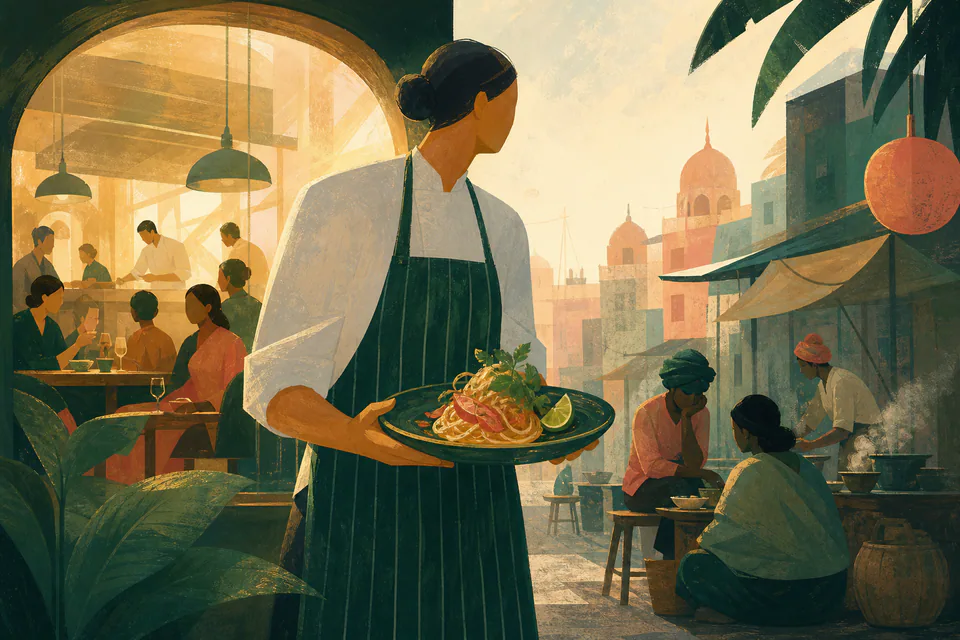
An outsider becomes famous cooking another culture's food. Appreciation or taking over?
A chef becomes known for food from a culture outside their own after years of study with respected cooks. The restaurant is successful, while small businesses run by people from that culture struggle for attention.
When does appreciation become taking opportunity from the people who created a tradition?