Listen through the publisher, then discuss the episode here or arrange an in-person Roundtable. Your city determines where to meet.
Roundtables are designed for groups of four, with a shared subject and room for everyone to speak. Come for discussion, with no dating expectation.
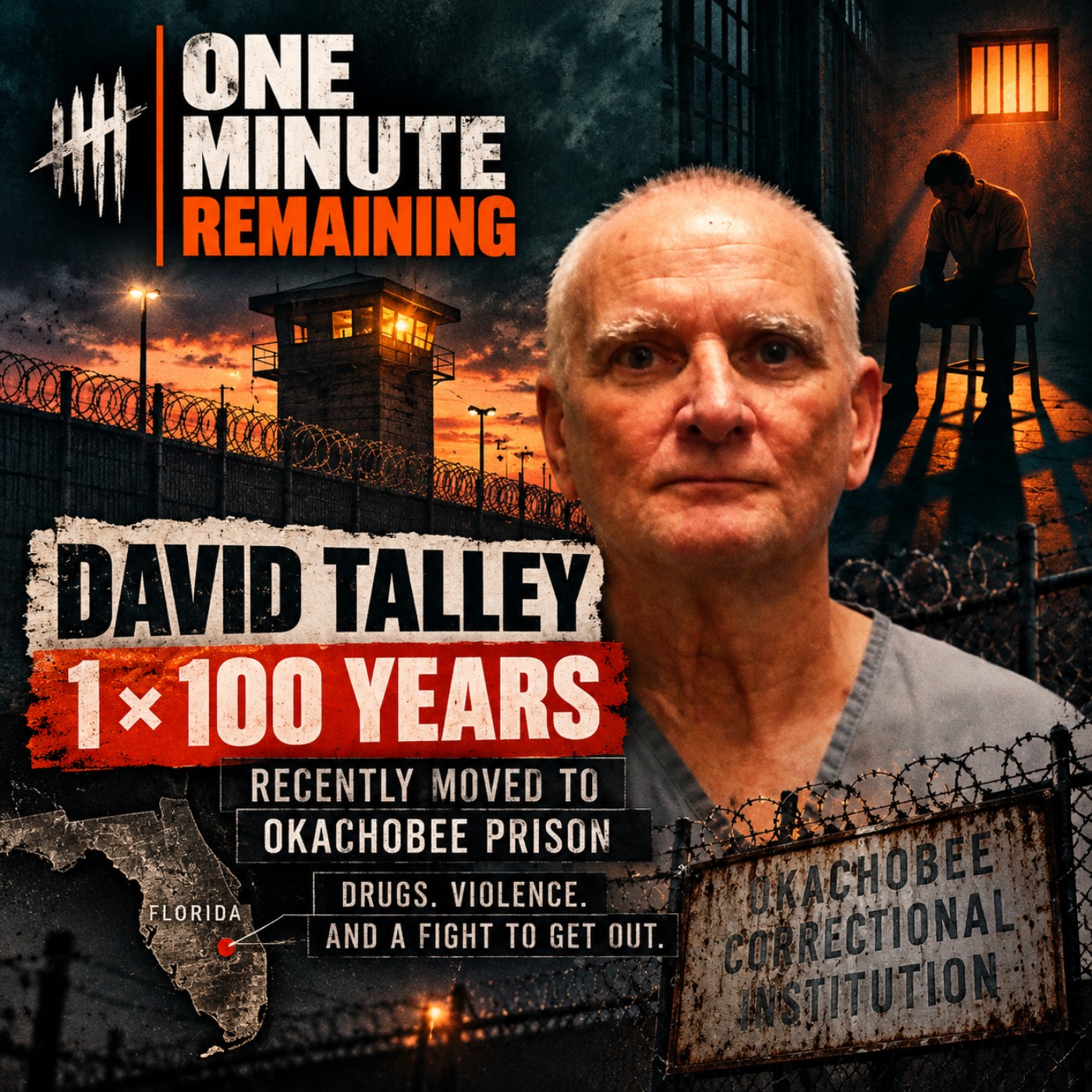
David Talley is serving 100 years in a Florida prison. In this episode of One Minute Remaining, he tells Jack how things have taken a turn for the worse. David alleges that a staff member at his prison made false accusations against him. Those accusations landed him in solitary confinement, and then on a transfer to Okeechobee Correctional Institution, a facility he describes as far more dangerous than the one he left. Now he's sharing a cell with the leader of one of the prison's gangs. And according to David, there are more drugs inside Okeechobee than you would find out on the streets. What happens when one person's word can decide where you live and who you live with? And how do you keep your head down in a place like this? David Talley tells his story, in his own words. EARLY AND AD FREE ACCESS: for as little as $1.69 a week! Apple + HERE (http://apple.co/oneminuteremaining) Hosted on Acast.
Episode information is provided by the publisher. Listening takes place on the publisher’s service.
JP Miller faces federal charges after prosecutors alleged an extended pattern of harassment toward Mica Miller. But the indictment’s wording also raises a separate question: when a person allegedly causes others to place trackers, conduct surveillance, or interfere with someone’s daily life, what happens to the people who carried out those acts? On Hidden Killers, Tony Brueski speaks with defense attorney and former prosecutor Eric Faddis about the possible legal exposure of alleged helpers. Faddis explains how investigators might use records, messages, and cooperating witnesses to determine who knew what, who acted, and whether the conduct meets the elements of a criminal offense. No particular church member is established by the indictment as guilty of helping Miller. The federal filing alleges that Miller contacted Mica more than fifty times in a single day, caused tracking devices to be placed on vehicles she used, interfered with her finances, and was involved in damage to her tir
What’s up, Flog Nation, and welcome to Flaps, Cracks & Beeswax! What the F@#k opens with a Thanksgiving agenda organised down to the minute, a bit of Viennetta nostalgia, and a weight-loss ad whose side effects sound worse than the sales pitch. The boys also ask whether Gus would be ready to defend the Flogs if a fight broke out next year. We bring back a special snag review in memory of our late little Bray Park Butcher mate. Kirb gets hustled by a herd of walkers, Gibbo shares the words that help him manage anxiety, and a Flog tells us what it’s like living with synaesthesia. Plus, a last-dollar lotto ticket comes painfully close. Kirb’s Evening News brings a nasty cat, a car that can’t park itself, turkeys fighting back, and a Survivor contestant bidding for his own stuff. What Caught Our Eye has a defrosted “Bigfoot”, an eyeball plant, an insect in Gibbo’s eye, and things stuck where they really shouldn’t be. Enjoy, legends! [email protected] If you’re going to bet, bet w
History is littered with stories of people who had ideas whose time had not come for one reason or another. Many were too challenging to the prevailing order, and were actively quashed or quietly pushed aside. Still more were dismissed because of their gender, class, or race. Some ideas were fêted and then fell out of fashion. Author David Byrne has always been an ideas man. His band Talking Heads was a genre-defying blend of punk energy, art-rock, deep funk, and polyrhythmic Afrobeat. In the 1970s and 80s they implored people to Stop Making Sense! Now, in his new book, Byrne is trying to make sense of why some ideas take hold and some don’t, only to be revived decades or even centuries later. Guest: David Byrne, author of Sleeping Beauties - why good ideas go dormant and how they wake up (https://www.allenandunwin.com/browse/book/David-Byrne-Sleeping-Beauties-9781805300540), published by Allen & Unwin Producer: Catherine Zengerer Get in touch: Email us at [email protected]
Master the skills that change lives — enroll in your free human behavior course today: https://nci.university/learn Uploaded 15-01-26 EXECUTIVE SUMMARY: Video: What It Feels Like to See Into People Purpose: Reframe how human behavior is actually driven and perceived Outcome: Permanent shift in how you experience people and conversations CORE IDEA: Human behavior is not driven by beliefs, opinions, or logic. Those are after-action reports. Behavior is driven by the nervous system’s constant assessment of: • safety • approval • power • avoidance of shame Decisions are made before conscious thought. Beliefs are constructed afterward to justify what already happened. WHY THIS MATTERS: Most people spend their lives interacting with: • beliefs • arguments • explanations • surface narratives As a result, they miss the layer where real decisions are made. This video focuses on that lower layer — the one that actually governs: • conflict • influence • attraction • resistance • leadership • trus
Is GTA VI calming down gamer bros? It’s been thirteen years in the making, and it’s had the biggest launch for any piece of entertainment in history. Not bad for a game first developed in Dundee in 1995. Joel brought his console in, and wanted Raven - whose last real experience of gaming was with Sonic - to give it a go. Luckily for you, we caught the whole thing on camera and microphone. Hear the pair of them careen around Vice City, and discuss whether GTA VI is actually trying to make gamer bros into better men. After Monday’s bonus episode about You Can See Everything, you’ve been in touch with your theories about the crazy ride into Elizabeth Holmes’ last 34 days of freedom before prison. Raven and Joel have your emails, including some hot takes from Helena, and a very articulate argument from Rufus. Elsewhere; listener Amy has been in touch to ask how the boys keep on top of everything in culture, and wants your advice too; was the sex noise prank on Strictly funny, or can we do
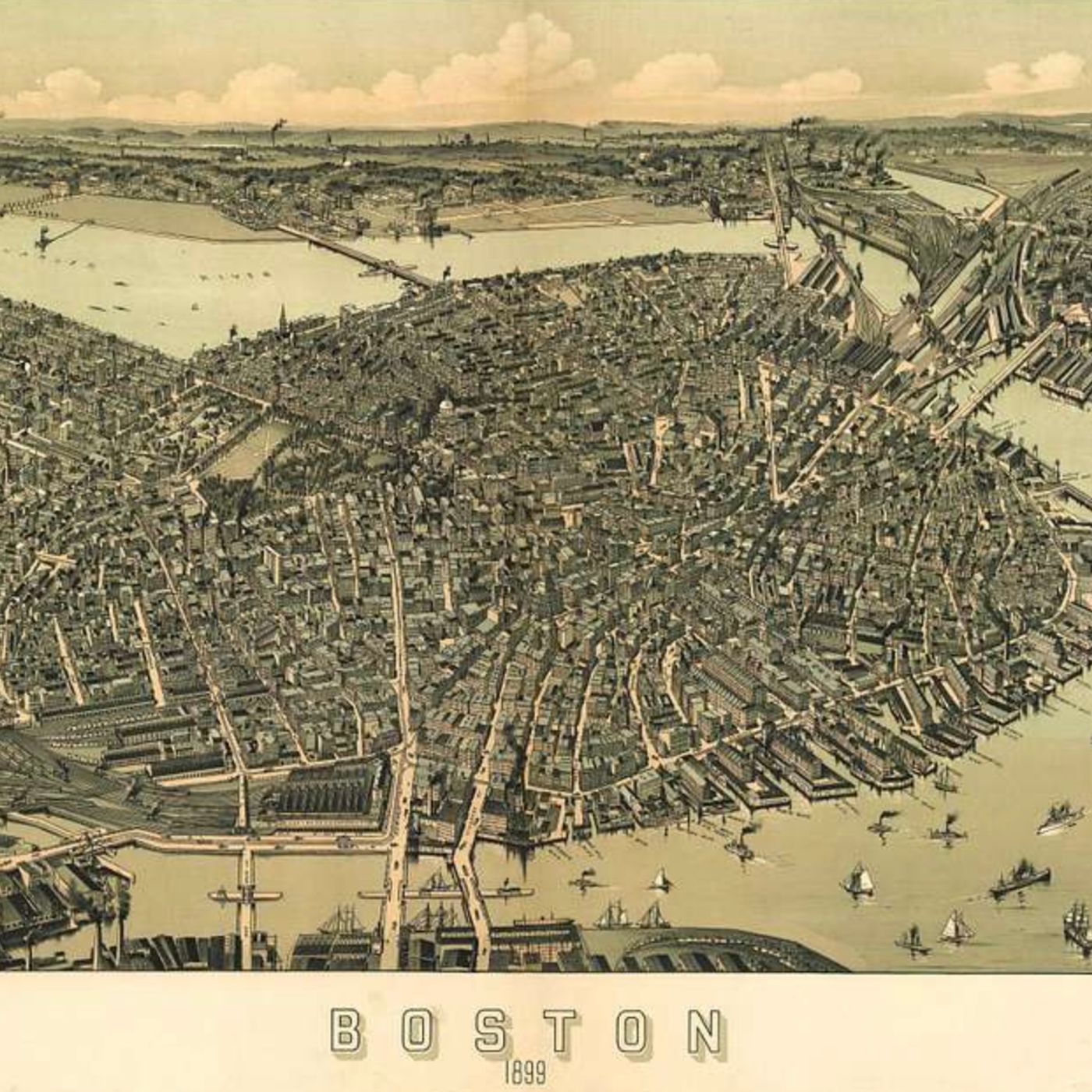
1899 BOSTON Early Abolitionist Voices and Cavalier Decline David S. Reynolds, author of Two Ships, describes early Northern anti-slavery feeling to John Batchelor. Former Salem witch trial judge Samuel Sewall published an anti-slavery tract, The Selling of Joseph, in defense of an enslaved man named Adam, and Cotton Mather learned smallpox inoculation from Onesimus. Meanwhile, Southern Cavalierdynasties such as that of Landon Carter fell into economic decline, in contrast to Enlightenment figures like Thomas Jefferson and George Washington. Part Four. (4)
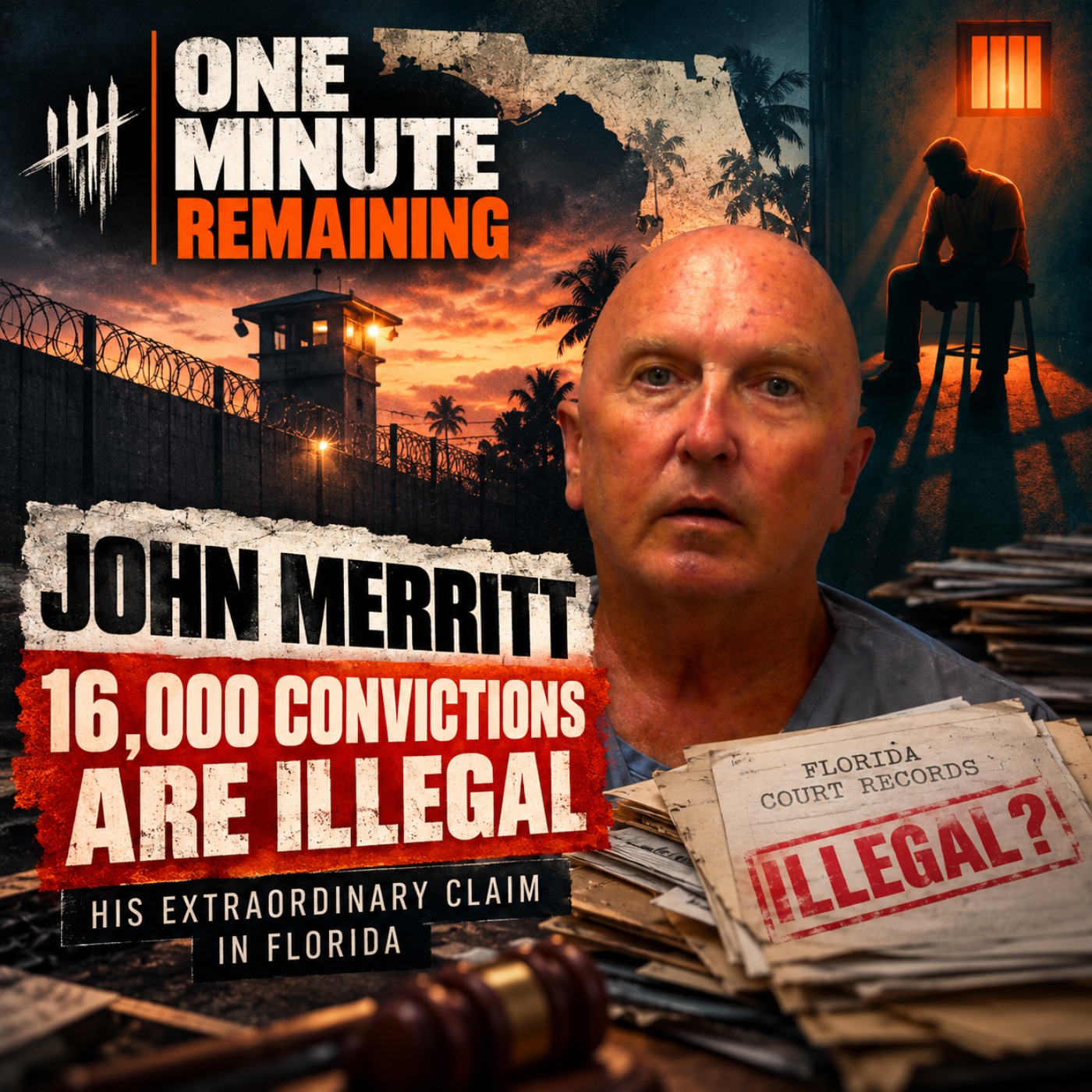
Every Monday morning, John Merritt waits for his legal mail. John Merritt was sent to Florida's death row in 1986 for a murder he has always said he didn't commit. Three years later he was resentenced to life, and he has now spent around four decades in prison. In this One Minute Remaining update, John tells us about the legal argument he has spent years building and has now taken all the way to the US Supreme Court. John believes that when Florida's lawmakers passed the state's murder law in 1972, they didn't follow the rules set out in the state constitution. If he's right, he says, the law was invalid from the very beginning, and so is every murder conviction that followed. By John's count, that's around 16,000 people, including those on Florida's death row. It's a huge claim, and we've heard claims like it before. So we walk through exactly what John is arguing, test it against the law, and ask why a man in John's position would put everything he has left into one petition. John Me
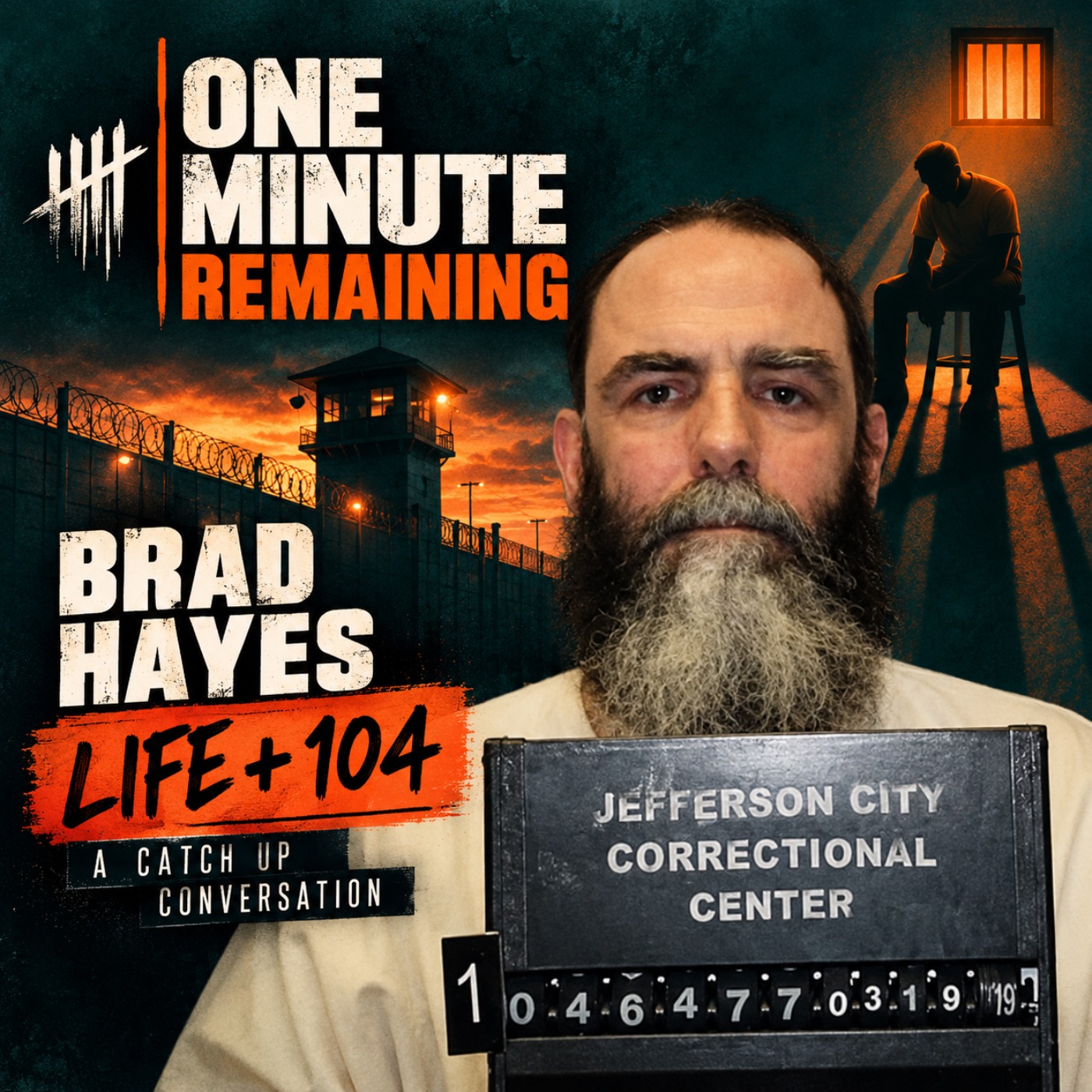
Brad Hays is serving life plus 104 years. In this episode of One Minute Remaining, Jack catches up with Brad to see how he's been doing since they last spoke, and Brad has news that hits harder than you might expect. The company that runs the prison's tablet system is being changed. When it goes, so does everything on it. Music and movies that prisoners have paid hundreds of dollars for will disappear. So will something far harder to replace: years of personal emails and photos sent by their families. For some men, that's more than a decade of messages from home, gone. For people serving decades or life, those tablets aren't a luxury. They hold the closest thing to a family album many of them have. So what happens when it's all switched off? And who decides that it can simply be wiped? Brad Hays on what it means to lose it all, in his own words. check out the spotify playlist here (https://open.spotify.com/playlist/5JRuNdsBh3hkDlpnDhXPdd?si=ba6FHIgLQtq9DPyXcMfp7Q) EARLY AND AD FREE ACC
22-year-old law student Jack O'Sullivan disappeared in Bristol on 2 March 2024 after leaving a house party in Hotwells. Last seen on CCTV at 3:39 AM walking up Bennett Way, his phone disconnected at 6:44 AM. Despite 200+ hours of dive searches, helicopters, and a £100,000 reward, no trace has been found. This is an active missing persons case, if you have any information that could help find him please use the contact infomration below and help bring Jack home. Physical Description: Age: 22 years old Height: Approximately 5 feet 10 inches (5'10") Build: Slim Hair: Short brown hair Eyes: Blue Race: White Last Seen Wearing: Green Barbour quilted jacket (khaki green) Cream lambswool jumper Navy blue chinos Brown leather Ralph Lauren trainers with white soles Items Jack Had With Him: Black iPhone 11 in a red silicone case Black card holder containing driving licence and Monzo debit card Keys: house key, Peugeot 108 key fob, Apple AirTag in brown case Emporio Armani watch Contact Informatio
Regulators should challenge excessive market power even when a company's products are popular.
Share your view, then see how readers voted. No sign-in required. This poll is shared across stories.
Do you agree or disagree?
Common Quandary
A Common Quandary to discuss
Another conversation to explore, separate from this news story.
Your coworker bends a dumb rule to help people. Do you report it?
An underpaid coworker quietly bends a company rule to help colleagues receive benefits they were technically denied. No customer is harmed, but the records are inaccurate and you are asked to certify them.
Where should loyalty end when a rule seems unjust?