Listen through the publisher, then discuss the episode here or arrange an in-person Roundtable. Your city determines where to meet.
Roundtables are designed for groups of four, with a shared subject and room for everyone to speak. Come for discussion, with no dating expectation.
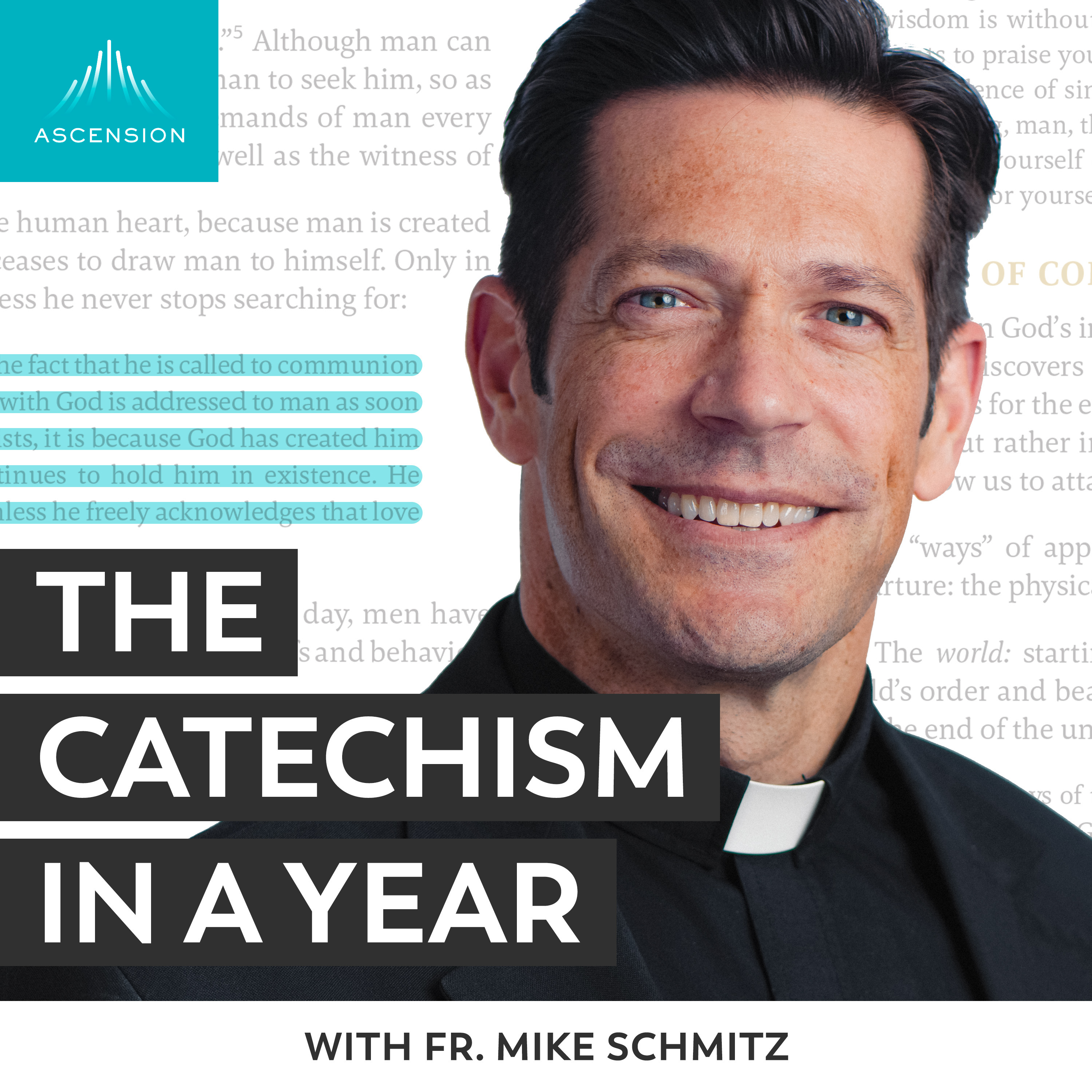
Do we know how to pray? The Catechism depicts Moses learning how to pray and uses this as an example of prayer and relationship with God. The Catechism goes on to talk about David and his experiences with prayer and the Psalms. As Fr. Mike points out, “humility is the foundation of prayer,” and we need honesty, trust, and a willingness to engage in order to pray and approach God as he is. Today’s readings are Catechism paragraphs 2574-2580. For the complete reading plan, visit ascensionpress.com/ciy
Episode information is provided by the publisher. Listening takes place on the publisher’s service.
The world tells us to build confidence by believing in ourselves. But Scripture points to a better way: humble yourself before God and trust Him completely. In this powerful message, Dr. Michael Youssef explains how our identity in Christ should lead to humility, not pride. Jesus is the Chief Shepherd who leads His Church, cares for His people, and calls believers to live in obedience to His Word. Dr. Youssef challenges Christian leaders to shepherd God's people through Biblical Truth rather than worldly advice. He also reminds every believer that spiritual strength comes through humility, submission, and dependence on Christ. This episode calls you to: Reject pride and envy that weaken your walk with God, Trust Christ as your Chief Shepherd and follow His Word, Humble yourself before God and serve others, Cast your worries on Jesus because He cares for you, Grow in faith and confidence through daily surrender, Pray for the Church to stand firm in Biblical Truth. True confidence doesn'
TODAY'S SCRIPTURE: James 1:2–4 - Count it all joy, my brothers, when you meet trials of various kinds, [3] for you know that the testing of your faith produces steadfastness. [4] And let steadfastness have its full effect, that you may be perfect and complete, lacking in nothing. (ESV) CONTACT: [email protected] (NOT a Morning Mindset resource)
Are you wrestling with a major life decision that has you losing sleep? Discover why the first step to finding God's will is a complete willingness to do His will, no matter the cost. Unpack the background of Colossians 1 and learn how to ask God for true spiritual wisdom and practical understanding. Resources Message Notes (https://message-notes.s3.us-east-1.amazonaws.com/Hearts-On-Fire-10-Pray-This-When-You-Need-Gods-Direction.pdf?referral=PODCAST&source=WEBPODDON) Connect 888-333-6003 Website (https://livingontheedge.org/) Chip Ingram App (https://livingontheedge.org/chip-ingram-app) Facebook (https://www.facebook.com/LOTEcommunity) Partner With Us 888-333-6003
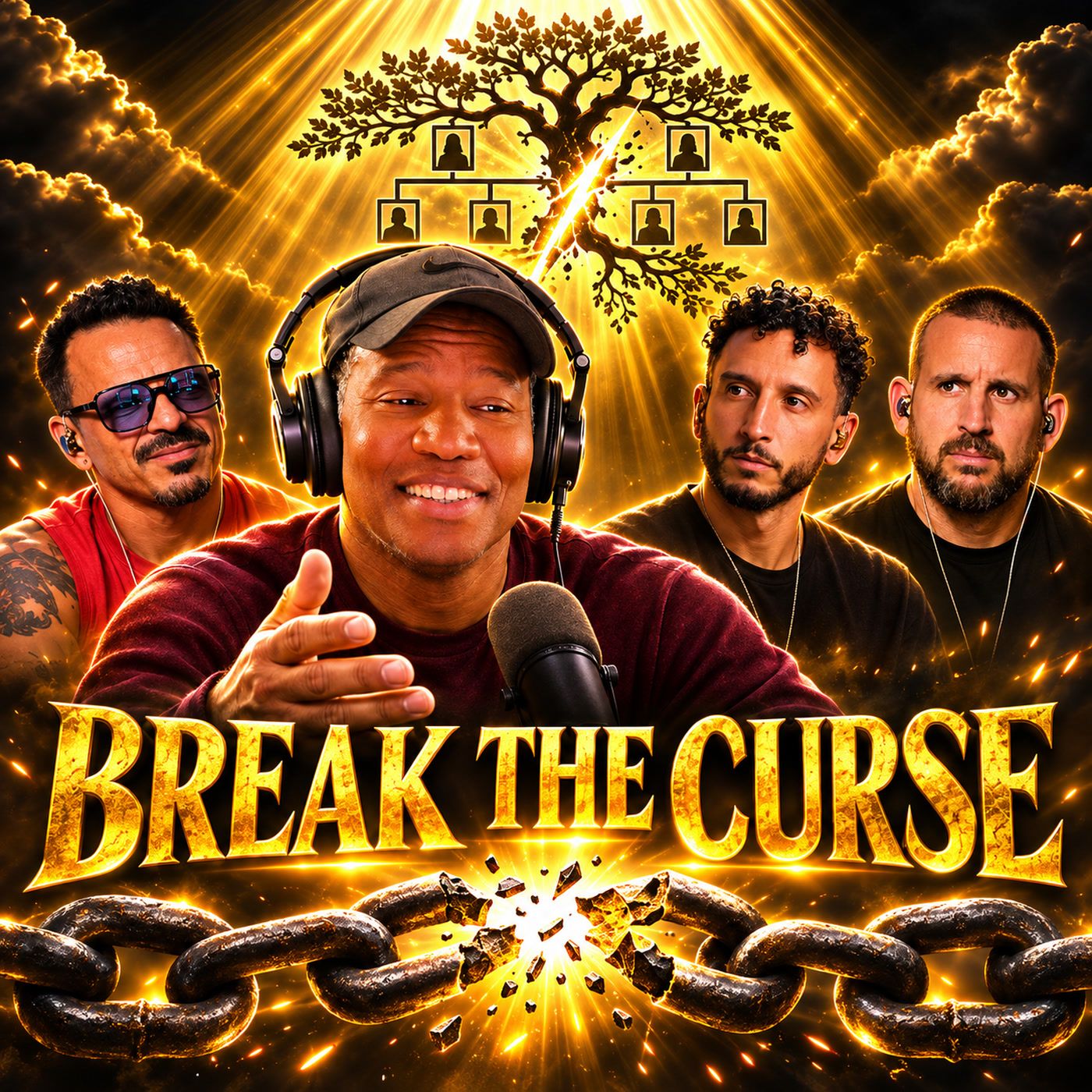
Ed Mabrie of Faith By Reason joins TopLobsta, David Lee Corbo "The Raven," and Matttttt Hepner for this Friday live. After the usual plugs, the first hour is a loose, unfiltered recap of TrutherCon and BroHemian Grove: meeting Nancy in person, what the event actually felt like from the floor, panels versus audience engagement, Cult of Conspiracy, Ed's book table and a flat-earth argument, a tense Q&A, prayer and laying on of hands, and a warning about who you let pray for you. Then Ed gets to the Friday teaching. A generational curse, he argues, is a covenant: words you speak or that are spoken over you that you come into agreement with. He walks through involuntary versus voluntary curses, the father's blessing in the story of Jacob and Esau, and how to break a curse in the courtroom of God — confess the agreement, confess the sins of your ancestors, and speak life over your children instead. He also takes on the "10-generation curse" on illicit unions and why, in his reading, that wa
One of my favorite stories is the parable of the Pharisee and Tax Collector. Through this story, Jesus makes it abundantly clear how we’re to come before God. May we today begin a fresh revival of humility in the church as we humble ourselves before God today in prayer and honest worship. I want to encourage you to be open and vulnerable as you approach the Lord today. More from First15 Download the First15 app (https://www.first15.org/download/) Share a testimony or feedback at [email protected]
As the Catechism reveals, we are made for worship and called to a relationship with the Lord through prayer. God is the initiator and wants us to walk with him as he “tirelessly calls each person to the mysterious encounter known as prayer.” Fr. Mike reminds us that just like Abraham in the Old Testament, the more we get to know the Lord through prayer, the more we become like him. Today’s readings are Catechism paragraphs 2566-2573. For the complete reading plan, visit ascensionpress.com/ciy
St. Thérèse said that “prayer is a surge of the heart.” Do we pray from our pride or from a place of humility? The Catechism tells us that “humility is the foundation of prayer.” In humility we can feel God’s thirst for us, accept his gift of prayer, and pray to him from our heart. Today’s readings are Catechism paragraphs 2558-2565. For the complete reading plan, visit ascensionpress.com/ciy
In this fourth and final pillar of the Catechism of the Catholic Church, we learn how to take everything we’ve absorbed this year and apply it to our relationship with God through prayer. Sr. Miriam James Heidland, SOLT joins Fr. Mike Schmitz to talk about how to pray, some common obstacles to prayer, and some of the incredible fruits of prayer that await us if we put the next thirty-seven days of guidance into action. For the complete reading plan, visit ascensionpress.com/ciy
Basic household water needs should come before less essential uses during shortages.
Share your view, then see how readers voted. No sign-in required. This poll is shared across stories.
Do you agree or disagree?
Common Quandary
A Common Quandary to discuss
Another conversation to explore, separate from this news story.
Would you want a doctor to give you a fake pill if the lie might make you feel better?
A patient has persistent symptoms that have not responded to standard treatments. A harmless placebo may help, but its effect could weaken if the clinician fully explains that it contains no active medicine.
Can a beneficial deception respect the person it helps?