Listen through the publisher, then discuss the episode here or arrange an in-person Roundtable. Your city determines where to meet.
Roundtables are designed for groups of four, with a shared subject and room for everyone to speak. Come for discussion, with no dating expectation.
As the Catechism reveals, we are made for worship and called to a relationship with the Lord through prayer. God is the initiator and wants us to walk with him as he “tirelessly calls each person to the mysterious encounter known as prayer.” Fr. Mike reminds us that just like Abraham in the Old Testament, the more we get to know the Lord through prayer, the more we become like him. Today’s readings are Catechism paragraphs 2566-2573. For the complete reading plan, visit ascensionpress.com/ciy
Episode information is provided by the publisher. Listening takes place on the publisher’s service.
Zach is joined by Christian music artists Shane & Shane and Pastor David Platt to talk about their ministries, including the musician’s retreat Zach’s kids attended where they made a big impression in an unexpected way. Platt challenges parents to consider whether the future they’re praying for their kids looks more like the American dream than the life Jesus called them to live. Zach revisits the moment Jesus flipped the tables and the detail that’s easy to miss about who lost their place in the temple. A missionary’s encounter with fishermen on the Amazon shows how far people will go to hear about Jesus. In this episode: Exodus 32, verses 11–14; 1 Kings 8, verses 27, 41–43; Ezekiel 47, verses 1–12; Matthew 6, verse 21; Matthew 28, verses 19–20; Mark 11, verses 15–17; John 2, verses 19–21; Acts 7, verses 48–50, 58–60; Acts 8, verses 1–4; Acts 11, verses 19–21; Acts 13, verses 1–3; Romans 10, verses 13–15; 1 Corinthians 3, verse 16; 1 Corinthians 6, verse 19; 1 Peter 2, verses 4–6; Rev
In this meditation, I invite you to continue our journey through the Peace Prayer of St. Francis as we enter the second half of this beautiful prayer. We reflect on the words, “O Divine Master, grant that I may not so much seek to be consoled as to console.” These words invite us to move beyond simply seeking peace for ourselves and towards becoming instruments of peace in the lives of others. Through meditation, we explore what it means to offer consolation, to accompany those who are struggling and to become a presence of compassion and understanding in the world. We also acknowledge our own need for comfort and support, entrusting those needs to divine compassion while making the deliberate choice to bring peace to others. As we breathe in and breathe out, we make the intention to become peacemakers, allowing divine love to guide our actions throughout the day. Chapters: 00:00 – Introduction: The second half of the Peace Prayer 00:50 – Entering meditation with intention 01:25 – Rela
In the New Testament, Romans 12:1 takes this principle further by calling believers to present their bodies as living sacrifices, holy and pleasing to God. Worship is therefore not limited to what happens in a church building or during a song. It involves surrendering our everyday decisions, desires, ambitions, habits, and priorities to God. In Leviticus 1, the burnt offering is described in greater detail. The animal was brought before God, slaughtered, and placed on the altar, where it was burned as an offering. Unlike sacrifices where portions were shared or eaten, the burnt offering was presented entirely to God. It represented complete dedication and surrender. Every contribution counts. Thank you for being part of our journey!
TODAY'S SCRIPTURE: James 1:2–4 - Count it all joy, my brothers, when you meet trials of various kinds, [3] for you know that the testing of your faith produces steadfastness. [4] And let steadfastness have its full effect, that you may be perfect and complete, lacking in nothing. (ESV) CONTACT: [email protected] (NOT a Morning Mindset resource)
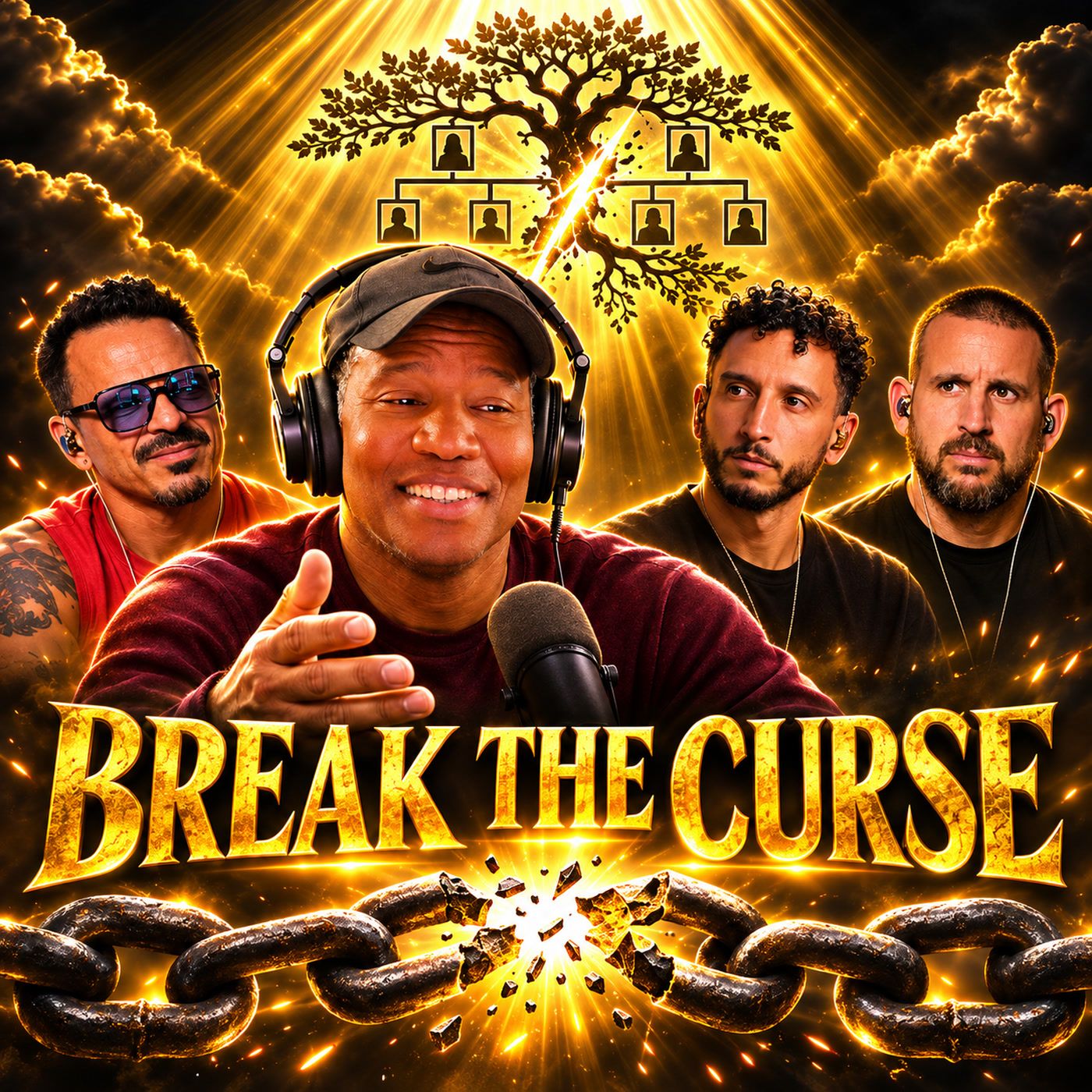
Ed Mabrie of Faith By Reason joins TopLobsta, David Lee Corbo "The Raven," and Matttttt Hepner for this Friday live. After the usual plugs, the first hour is a loose, unfiltered recap of TrutherCon and BroHemian Grove: meeting Nancy in person, what the event actually felt like from the floor, panels versus audience engagement, Cult of Conspiracy, Ed's book table and a flat-earth argument, a tense Q&A, prayer and laying on of hands, and a warning about who you let pray for you. Then Ed gets to the Friday teaching. A generational curse, he argues, is a covenant: words you speak or that are spoken over you that you come into agreement with. He walks through involuntary versus voluntary curses, the father's blessing in the story of Jacob and Esau, and how to break a curse in the courtroom of God — confess the agreement, confess the sins of your ancestors, and speak life over your children instead. He also takes on the "10-generation curse" on illicit unions and why, in his reading, that wa
St. Thérèse said that “prayer is a surge of the heart.” Do we pray from our pride or from a place of humility? The Catechism tells us that “humility is the foundation of prayer.” In humility we can feel God’s thirst for us, accept his gift of prayer, and pray to him from our heart. Today’s readings are Catechism paragraphs 2558-2565. For the complete reading plan, visit ascensionpress.com/ciy
In this fourth and final pillar of the Catechism of the Catholic Church, we learn how to take everything we’ve absorbed this year and apply it to our relationship with God through prayer. Sr. Miriam James Heidland, SOLT joins Fr. Mike Schmitz to talk about how to pray, some common obstacles to prayer, and some of the incredible fruits of prayer that await us if we put the next thirty-seven days of guidance into action. For the complete reading plan, visit ascensionpress.com/ciy
Where should we find consolation? It's essential to remember that our ultimate goal and true source of happiness is God. With this in mind, Fr. Mike emphasizes the need to detach ourselves from worldly possessions and strive to be channels of God's grace. By doing so, when we receive blessings, we can in turn become a blessing to others. Today’s readings are Catechism paragraphs 2544-2557. For the complete reading plan, visit ascensionpress.com/ciy
Public spaces should welcome people without requiring them to buy anything.
Share your view, then see how readers voted. No sign-in required. This poll is shared across stories.
Do you agree or disagree?
Common Quandary
A Common Quandary to discuss
Another conversation to explore, separate from this news story.
A pricey AI tutor can turn B students into A students. Should schools let them use it?
An effective AI tutor adapts to each student and dramatically improves performance, but its subscription is expensive. A public school cannot provide it to everyone and worries that allowing its use will deepen existing inequality.
Should access be limited when a beneficial tool cannot yet be shared fairly?