EARTH-MOON SYSTEM Commercial Space Operations and Federal Regulatory Developments — Part One BOB ZIMMERMAN 1 111326
14 min
Listen through the publisher, then discuss the episode here or arrange an in-person Roundtable. Your city determines where to meet.
Roundtables are designed for groups of four, with a shared subject and room for everyone to speak. Come for discussion, with no dating expectation.
FEBRUARY 1955 Commercial Space Operations and Federal Regulatory Developments — Part One Bob Zimmerman reports that Texas political disputes threaten SpaceX’s Starship launch access, while Starlinkenforces operational restrictions in Ukraine. Synspective secures launch contracts with Firefly, Blue Origin resolves New Glenn valve issues, Axiom files intellectual property litigation against Vast, and Pentagon loans support private space infrastructure companies. (15)
Episode information is provided by the publisher. Listening takes place on the publisher’s service.
Merriam-Webster's Word of the Day for November 22, 2026 is: copacetic • \koh-puh-SET-ik\ • adjective Copacetic (less commonly spelled copasetic or copesetic) describes things that are very satisfactory. // Worry not: I assure you that everything’s copacetic. See the entry > (https://www.merriam-webster.com/dictionary/copacetic) Examples: “We will be blessed with a second lunar eclipse on this night, but it won’t quite be total: at maximum, a little more than 90 percent of the moon will fall into Earth’s shadow. The event will start at 10:35 P.M. EDT, and the maximum eclipse will occur just after midnight. It won’t be as cool as the March eclipse, but the timing will be a lot more copacetic.” — Phil Plait, Scientific American, 9 Jan. 2026 Did you know? Copacetic (with many variant spellings) is probably better known for competing theories of its origin than for any record of unconscious everyday use in American English. The first written occurrence of the word thus far detected (as copa
This week, Voyager 1 reached one light day away from earth - the farthest any man-made object has ever been. For fifty years, it as well as its sister probe Voyager 2, have been sending information back to earth. Now, they’re off to interstellar space, carrying two golden records designed to introduce humanity to whatever life form may be out there. So what’s on those discs? And what does the project tell us about what it means to be human? Guests: Rhys Blakely, science editor, The Times Tim Ferris, author and producer of the Voyager Golden Record Host: Manveen Rana Producer: Olivia Case We want to hear from you - email: [email protected] Read more: Voyager - humanity’s most distant message (https://www.thetimes.com/uk/science/article/nasa-golden-record-sounds-voyager-humanity-bksl2n0ck?eafs_enabled=false) Further listening: Has space become the final frontier for war? (https://pod.link/1501716010/episode/NmFhYzMzNzM4ZGUzYjQzYjZhOTk4ZGJj) Clips: NASA Voyager Golden Record / Carl Sa
For review: 1. Iraq has reached a compromise with the powerful Iran-backed militia Kataeb Hezbollah, three senior security officials said, after Prime Minister Ali al-Zaidi readied security forces to move against the group. Reflecting the gravity of the situation, Iraqi Shiite political sources said Esmail Qaani, commander of Iran’s elite Revolutionary Guards’ Quds Force, arrived in Baghdad late on Monday to help defuse tensions with Kataeb Hezbollah, Tehran’s most powerful militia ally in Iraq. 2. Lebanese President Joseph Aoun launched a lengthy rebuke of Iran in an Independence Day address, arguing that the Islamic Republic does not have the right to interfere in Lebanon’s internal affairs, as it long has via support for its local terror proxy, Hezbollah. 3. Yemen’s Houthis launched strikes on the Saudi capital Riyadh on Saturday, after vowing reprisals for a “special operation” by the Saudi-led coalition fighting them. The coalition later said it had “intercepted and destroyed” thr
Master the skills that change lives — enroll in your free human behavior course today: https://nci.university/learn Uploaded 15-01-26 EXECUTIVE SUMMARY: Video: What It Feels Like to See Into People Purpose: Reframe how human behavior is actually driven and perceived Outcome: Permanent shift in how you experience people and conversations CORE IDEA: Human behavior is not driven by beliefs, opinions, or logic. Those are after-action reports. Behavior is driven by the nervous system’s constant assessment of: • safety • approval • power • avoidance of shame Decisions are made before conscious thought. Beliefs are constructed afterward to justify what already happened. WHY THIS MATTERS: Most people spend their lives interacting with: • beliefs • arguments • explanations • surface narratives As a result, they miss the layer where real decisions are made. This video focuses on that lower layer — the one that actually governs: • conflict • influence • attraction • resistance • leadership • trus
Countries are leaving the UN's annual climate summit without reaching an agreement after the European Union and others rejected the final deal. As Candice Cole reports, the biggest sticking points were around fossil fuels. Washington's governor has called the video of two people being arrested by ICE at an airport in Seattle "chilling." Heidi Petracek reports on the cancellation of a federal government program that helped community groups sponsor and support refugees coming to Canada. David Murdock on the election of the new Liberal leader in Nova Scotia. Melissa Ridgen reports on warnings from the trucking industry that bridge and overpass strikes in Western Canada are only going to get worse. Heather Yourex-West takes us through the new Airbnb rules and what they mean for hosts and guests. Plus, Felicia Parrillo introduces us to three Montreal students who won an international NASA competition.
A wave of major technology outages is raising troubling questions about America's cybersecurity, aging infrastructure, and readiness for a new era of artificial intelligence. Are these isolated technical failures, or warning signs of a much larger national security problem? John Solomon and Amanda Head welcome Ohio Congressman and former Army Ranger Warren Davidson, who discusses recent disruptions involving the FAA, Microsoft, and other critical systems. Davidson calls for greater transparency from government agencies and technology companies, questions whether America's infrastructure is adequately protected against emerging cyber threats, and examines how artificial intelligence could be used both to strengthen defenses and exploit vulnerabilities. The conversation also turns to immigration and national security, with Davidson raising concerns about individuals who entered the country illegally, potential gaps in government screening systems, and the surveillance powers used to moni
Sandpaper Scandal Resurfaces Again Jeremy Zakis reviews the 2018 cricket scandal in which Australian players secretly used sandpaper to alter the ball. The controversy has resurfaced after a former teammate published a book accusing current captain Pat Cummins of involvement, sparking intense debate despite official support for Cummins. (3)
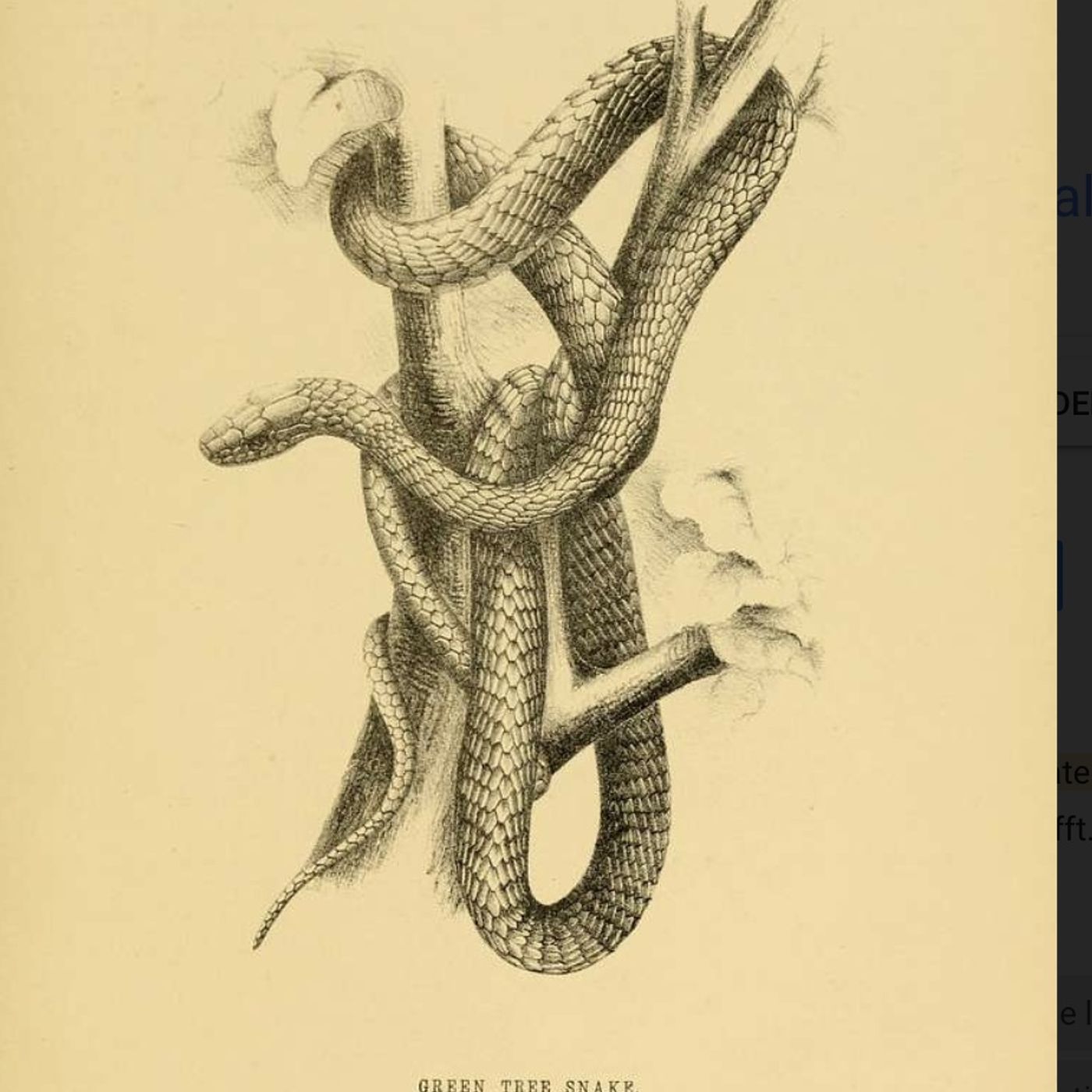
Floods Wash Snakes Downtown Jeremy Zakis explains the official warnings issued in Melbourne after floodwaters washed venomous snakes into the central business district. Snake catchers face surging demand and charge costly call-out fees, while unseasonable storms have disrupted local wildlife, leaving kangaroos hyperactive and erratic on the roads. (2)
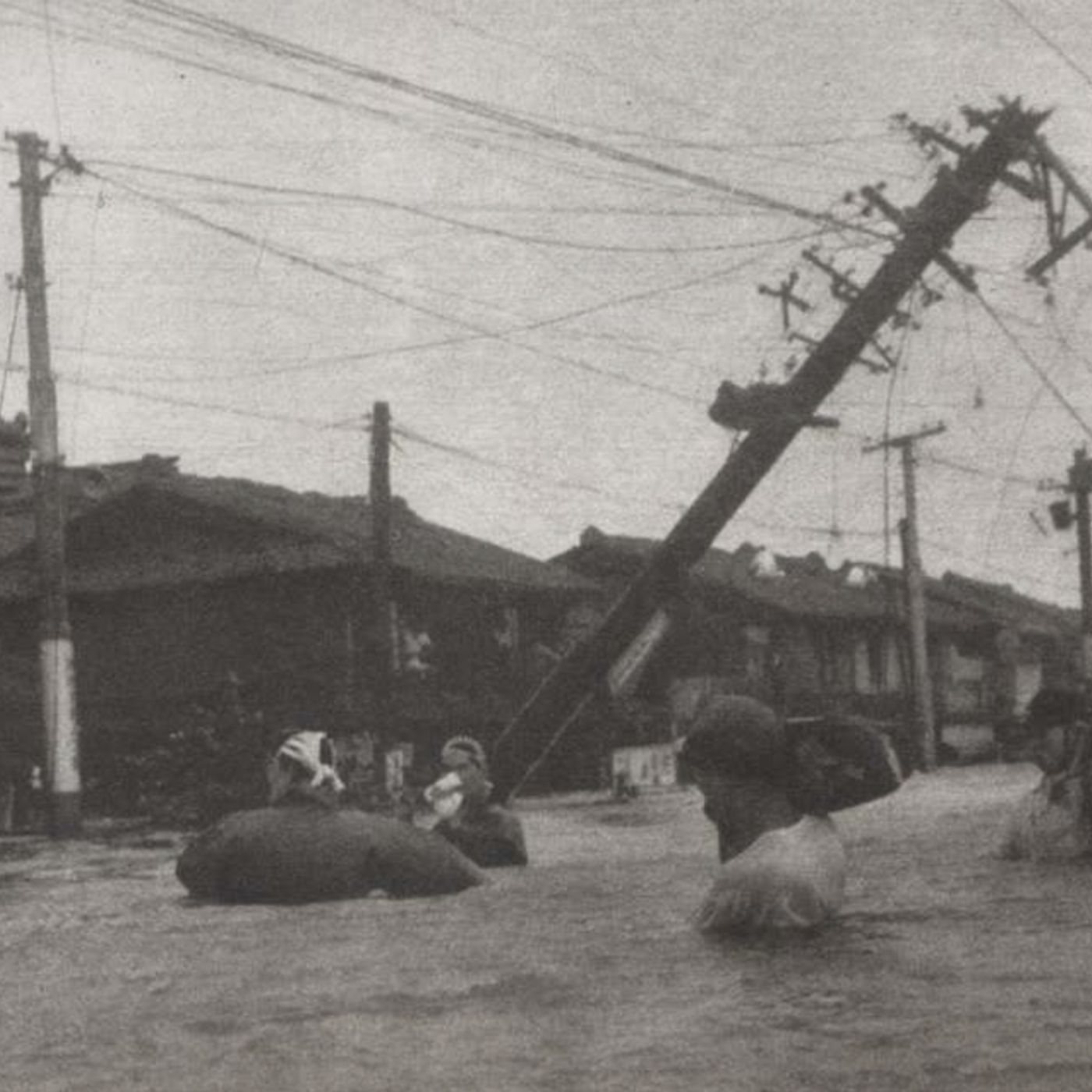
1950 Super El Niño Spring Storms Jeremy Zakis discusses extreme spring weather across Australia, driven by a super El Niño and elevated ocean temperatures. Heavy rain, microbursts, and severe winds in South Australia toppled massive power lines and spawned funnel clouds, while Sydney faces hot, chaotic, (1)
Governments should provide plain-language explanations of major policies.
Share your view, then see how readers voted. No sign-in required. This poll is shared across stories.
Do you agree or disagree?
Common Quandary
A Common Quandary to discuss
Another conversation to explore, separate from this news story.
An outsider becomes famous cooking another culture's food. Appreciation or taking over?
A chef becomes known for food from a culture outside their own after years of study with respected cooks. The restaurant is successful, while small businesses run by people from that culture struggle for attention.
When does appreciation become taking opportunity from the people who created a tradition?