EBB 418 - Evidence on Natural Labor Induction: Castor Oil and Eating Dates
49 min
Listen through the publisher, then discuss the episode here or arrange an in-person Roundtable. Your city determines where to meet.
Roundtables are designed for groups of four, with a shared subject and room for everyone to speak. Come for discussion, with no dating expectation.
Does castor oil or eating dates actually help labor begin? In this episode, Dr. Rebecca Dekker explores the research on these two approaches, including their potential effects on cervical ripening, the onset of labor, and the need for medical induction or augmentation. She examines randomized trials, systematic reviews, and recent hospital studies while explaining what the evidence can—and cannot—tell us about benefits and safety. Dr. Dekker also discusses why castor oil may work differently for people who have given birth before, the limitations of safety data after a prior Cesarean, and research on consuming dates during late pregnancy and labor. Plus, what to discuss with your care provider when considering whether these approaches fit your individual circumstances. (03:06) Understanding the Bishop score and cervical ripening (04:11) How castor oil might stimulate labor (06:41) Reviewing the research on castor oil for labor induction (09:26) Prior vaginal birth and findings from randomized trials (14:27) Hospital use of castor oil in Germany and recent observational research (21:41) Potential side effects and the importance of clinical guidance (23:26) Safety questions after a prior Cesarean or uterine surgery (25:27) A community midwife's experience and castor oil protocol (28:10) Rebecca's personal experience and how castor oil is prepared (29:52) The bottom line on castor oil evidence (31:06) Date fruit's traditional uses and nutritional properties (33:41) Limitations of date fruit research and considerations for people with diabetes (35:06) Meta-analysis findings on cervical readiness and labor length (39:10) Research quality concerns and a closer look at individual trials (41:49) Research on date syrup and labor pain (43:19) Trial findings on spontaneous labor and cervical dilation (44:38) Amounts and timing of date consumption studied in pregnancy (47:04) Final takeaways, evidence limitations, and discussing options with your care provider For a full list of references, visit ebbirth.com/418 (https://ebbirth.com/418).
Episode information is provided by the publisher. Listening takes place on the publisher’s service.
Text me what you thought of the show (https://www.buzzsprout.com/1959372/fan_mail/new) Can working night shifts affect your fertility, ovulation or IVF success? After speaking with numerous women trying to fall pregnant while working shifts, including those undergoing expensive IVF treatment, I wanted to explore what the research actually tells us. In this episode of A Healthy Shift, we discuss how night shifts, disrupted sleep and circadian misalignment may affect reproductive health. We cover: Why the fertile window is so short. Shift work, reproductive hormones and menstrual irregularities. What research says about night shifts, fertility and IVF outcomes. The roles of sleep, stress, nutrition, weight and exercise. Practical steps for women trying to conceive while working shifts. Research links shift work with menstrual irregularities, but evidence that night shifts directly cause infertility or reduce IVF success remains uncertain. If you're trying to get pregnant while working ni
In this in-depth conversation with Dr. Nic Verhoeven, PhD. creator of Physionic, we explore the controversial world of seed oils and their impact on health. Together, we – “the Nicks” –delves into the science behind seed oils, separating fat from fiction. Importantly, we try to approach this topic with the nuance and humility we both feel is deserves. This isn’t about what we know for certain as much as it is about what the biomedical and scientific community should admit we don’t know but need to study further. Get ready for a thought-provoking discussion on nutrition science, the impact of seed oils on metabolic health, and practical insights to make more informed dietary choices. To Learn More about Seed Oils see my prior video on topic, as well as a recent Newsletter covering a key paper that Nic and I briefly discuss in this interview. Hint: It’s all about “Perspective.” Prior Seed Oil video https://youtu.be/3rwbL5HrRUc Newsletter on Omega-6/3 Ratio and “Perspectives” https://open
Is your body weight stable, but you're still not eating enough to properly fuel your training, recovery, and overall health? Introducing Why Stable Weight Doesn't Always Mean You're Eating Enough from Jeff Hoehn of the Mind Muscle Connection Podcast (https://www.buzzsprout.com/1508401). Just because your weight isn't changing doesn't necessarily mean you're adequately fueled. In this episode, Jeff breaks down why maintaining a stable body weight doesn't always mean you're meeting your body's energy needs, especially if you're training hard, staying lean, or spending long periods dieting. You'll learn: Why stable body weight doesn't automatically mean adequate energy availability Who is most at risk of underfueling, even when their weight isn't changing How high training output, staying too lean, and chronic dieting can contribute to low energy availability The potential signs of underfueling, including changes in performance, recovery, hormones, and menstrual health Why spending too lo
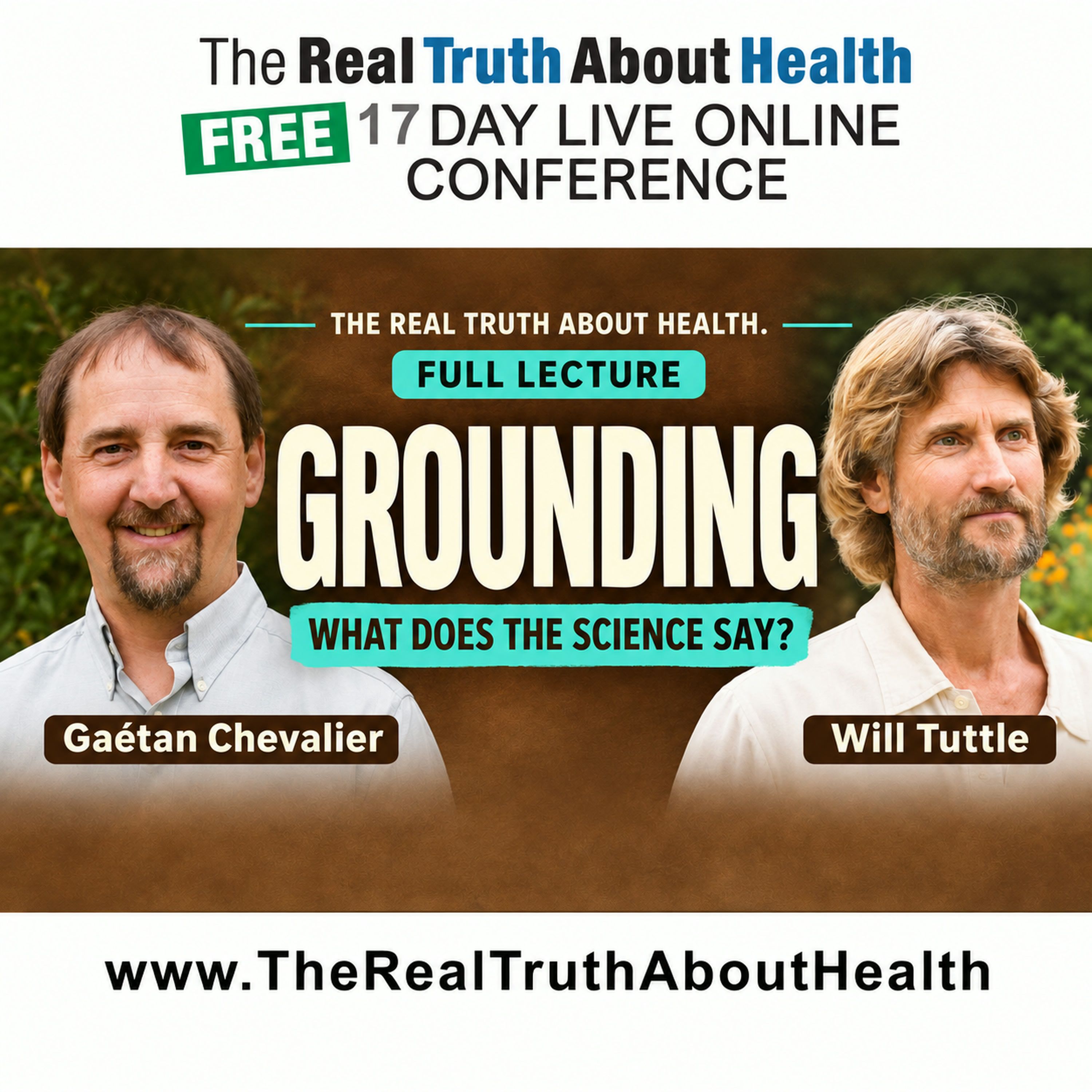
Grounding: What Does the Science Say About Potential Health Benefits? Gaétan Chevalier Ph.D. and Will Tuttle, Ph.D., explore the science and philosophy of grounding, including its potential effects on inflammation, stress, sleep, and overall wellbeing. Learn what current evidence suggests and how reconnecting with the earth may support health. #Grounding #Wellness #NaturalHealth
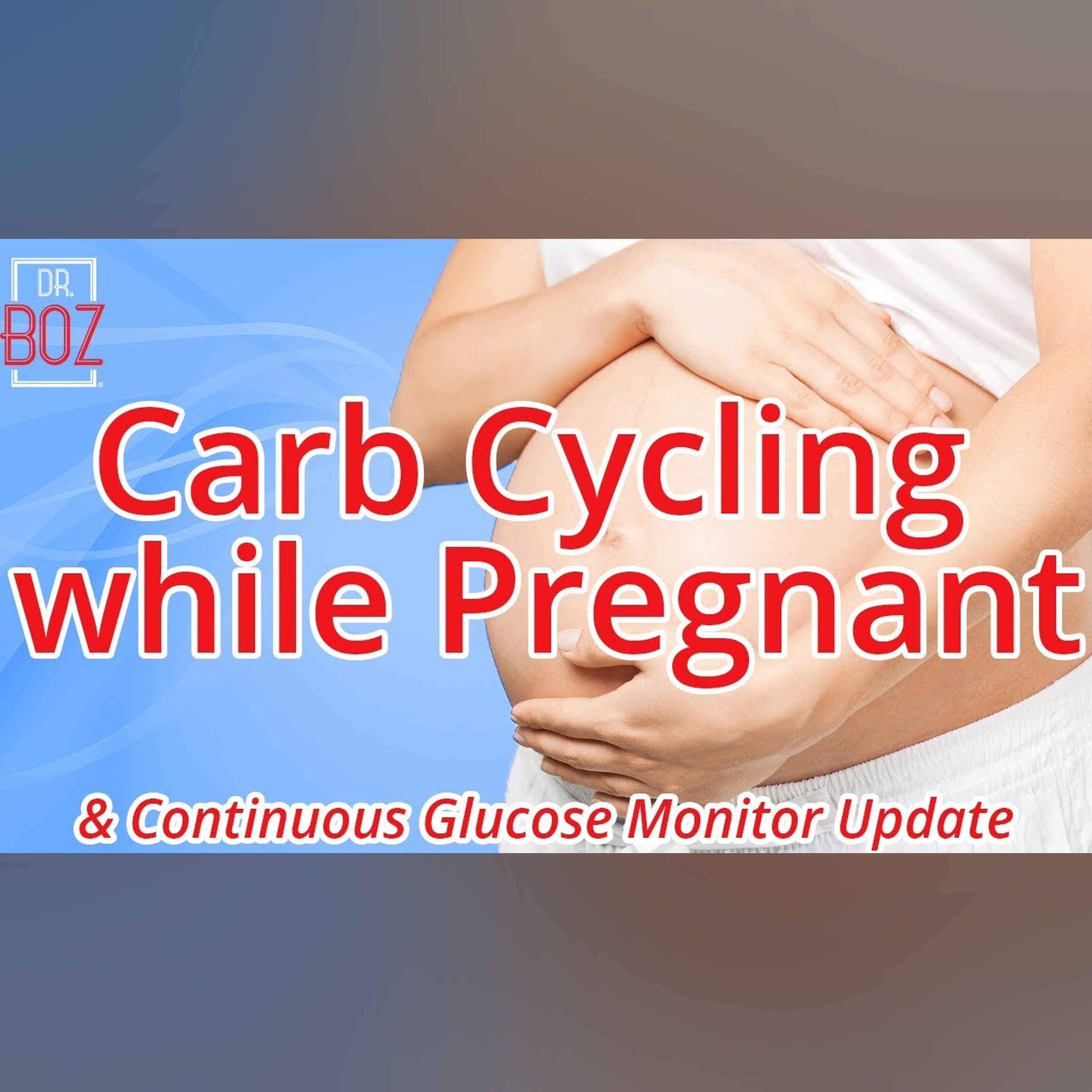
This week Kiley and I discuss Carb Cycling while Pregnant. Is it safe to Carb Cycle and break Ketosis during Pregnancy? I also talk about my experience at a conferences were I learned about Carb Cycling and explain the interesting research done on Carb Cycling. I also talk about Ketones for Brain development and more specifically, Ketones for Brain development as an Infant. It’s incredible to know how much significance Ketones for Brain development has as an Infant. Thanks for tuning into my channel. Find more stories and information at my website: www.BozMD.com BOOK-LINK - ANYWAY YOU CAN. AUDIBLE: https://adbl.co/2SLLfS1 PAPERBACK= (Affilate link) https://amzn.to/2Cq1IVC The two most common questions I get ... 1) "Doc, what BLOOD METER do you recommend?" ANSWER: FORACARE: http://bit.ly/2QKGmKG For years my diabetics told me this system was great. I tried several others before I bought this one. I can't count the number of times I have tested my blood only to get an ERROR message from
Today, Mel is taking 58 years of hard-earned life lessons and is packing them into under an hour, to save you some of the time, frustration, and worry it took her to learn them the hard way. In this episode, Mel is fielding real questions from listeners around the world. From making friends and bouncing back from rejection to feeling stuck in life and wondering if it's all going to work out, Mel is sharing the advice she wishes she'd known sooner. And she's not holding back. You'll hear Mel get personal about her own setbacks, and what she's learned about starting over, going after what you want, and trusting yourself when life doesn't go according to plan. You'll learn: -How to stop worrying about the future when nothing feels certain -How to make big life decisions, including whether or not to have kids -How to make new friends as an adult -What to do when you get rejected from your dream job -What to do when a friend ghosts you -How to stop procrastinating and finally follow through
What is a doula, and what does a doula actually do? What are the benefits and risks of having a doula, if any? And if the evidence shows that doulas improve health outcomes, why are some hospitals around the world still unsupportive of labor companions? In this replay episode, Dr. Rebecca Dekker and Dr. Sara Ailshire explore the research from our peer-reviewed Evidence Based Birth® Signature Article: The Evidence on Doulas. They examine randomized trials and Cochrane reviews showing how continuous labor support affects Cesarean rates, pain medication use, length of labor, and newborn Apgar scores. Dr. Dekker and Dr. Ailshire also discuss how a doula's support differs from that of a partner or labor nurse, how doulas are viewed in different parts of the world, and newer research on doula care for birthing people of color and LGBTQIA+ families. Plus, what to consider when choosing the right doula for you and your family. Download the free one-page handout, and view all the research refer
Birth and death are two of life's most profound transitions, and both deserve compassionate, person-centered care. In honor of National Caregivers Month, doula and founder of the Global Doula Project Anne Kathryn Rice joins Dr. Rebecca Dekker to explore the similarities between supporting families at the beginning and end of life. Drawing from their personal experiences with loss, they discuss the role of death doulas, how families can prepare for the dying process, and why emotional, physical, and informational support matters during life's biggest transitions. Anne Kathryn also shares how the Global Doula Project is working to make doula care more accessible to families around the world. Content Note: This episode includes discussions of death, dying, grief, and the loss of loved ones, including personal experiences with difficult and traumatic end-of-life care. Please take care while listening. (02:55) Anne Kathryn's journey into doula work (09:48) The spiritual and emotional simila
People should be able to challenge automated decisions that affect their opportunities.
Share your view, then see how readers voted. No sign-in required. This poll is shared across stories.
Do you agree or disagree?
Common Quandary
A Common Quandary to discuss
Another conversation to explore, separate from this news story.
You inherit a fortune made in ways you despise. Can you keep it?
You inherit a substantial sum from a relative who accumulated it through practices you consider exploitative. Keeping it would improve your family's security; donating it could support people harmed by similar practices.
Can ownership be morally clean when its history is not?