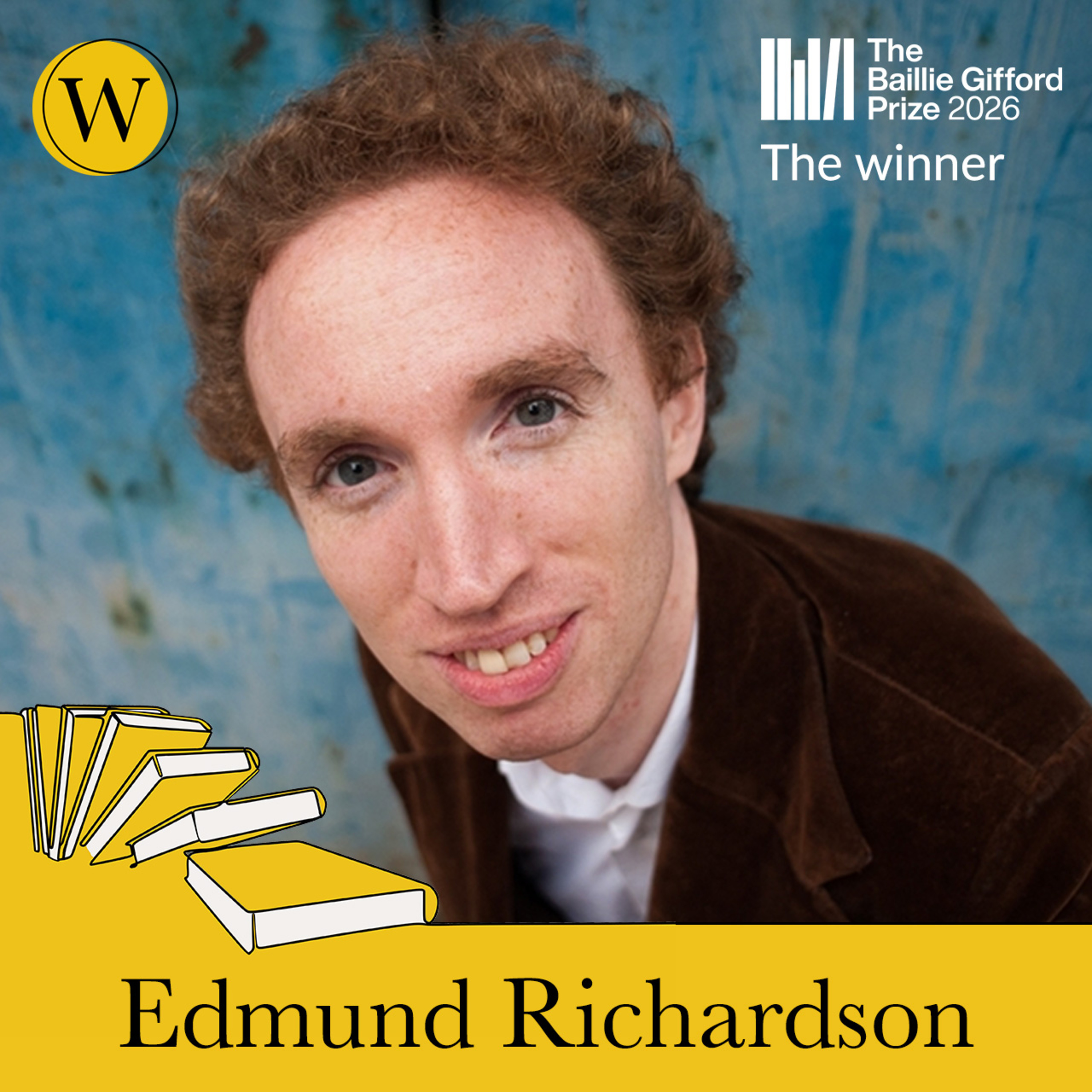
Edmund Richardson - Baillie Gifford Prize-winner 2026
27 min
Listen through the publisher, then discuss the episode here or arrange an in-person Roundtable. Your city determines where to meet.
Roundtables are designed for groups of four, with a shared subject and room for everyone to speak. Come for discussion, with no dating expectation.
Winner of the Baillie Gifford Prize for Non-fiction 2026, Edmund Richardson came in to speak with us about his quest to better understand one of the most elusive figures from ancient history: Alexander the Great. From his childhood obsession with Homer to a military campaign that would touch three continents and create the largest empire Europe had ever known, we spoke about the driving forces behind his epic journey into the East, the words that help us to understand him and the legacy left after his death at just 32.
Episode information is provided by the publisher. Listening takes place on the publisher’s service.
What happens when E.T. finally shows up and asks to speak to someone in charge? Renowned astrophysicist, bestselling author, and master cosmic storyteller Neil deGrasse Tyson joins us for a lively exploration of one of humanity's oldest and most irresistible questions: are we alone in the universe? "Ever since childhood," writes Neil deGrasse Tyson, "I've wanted to be abducted by Aliens." His new book, Take Me to Your Leader: Perspectives on Your First Alien Encounter, is the culmination of a lifetime of obsession, speculation, and the amassing of scientific data about the possibility of aliens visiting Earth. Fusing science, history, pop culture, and a healthy dose of cosmic humor, Tyson takes us on a whirlwind tour of our culture's fascination with life beyond Earth, from flying saucer lore and alien abductions to UFO culture, UAP sightings, and our enduring fantasies about visitors from other worlds. What does science tell us about the possibility of intelligent extraterrestrial lif
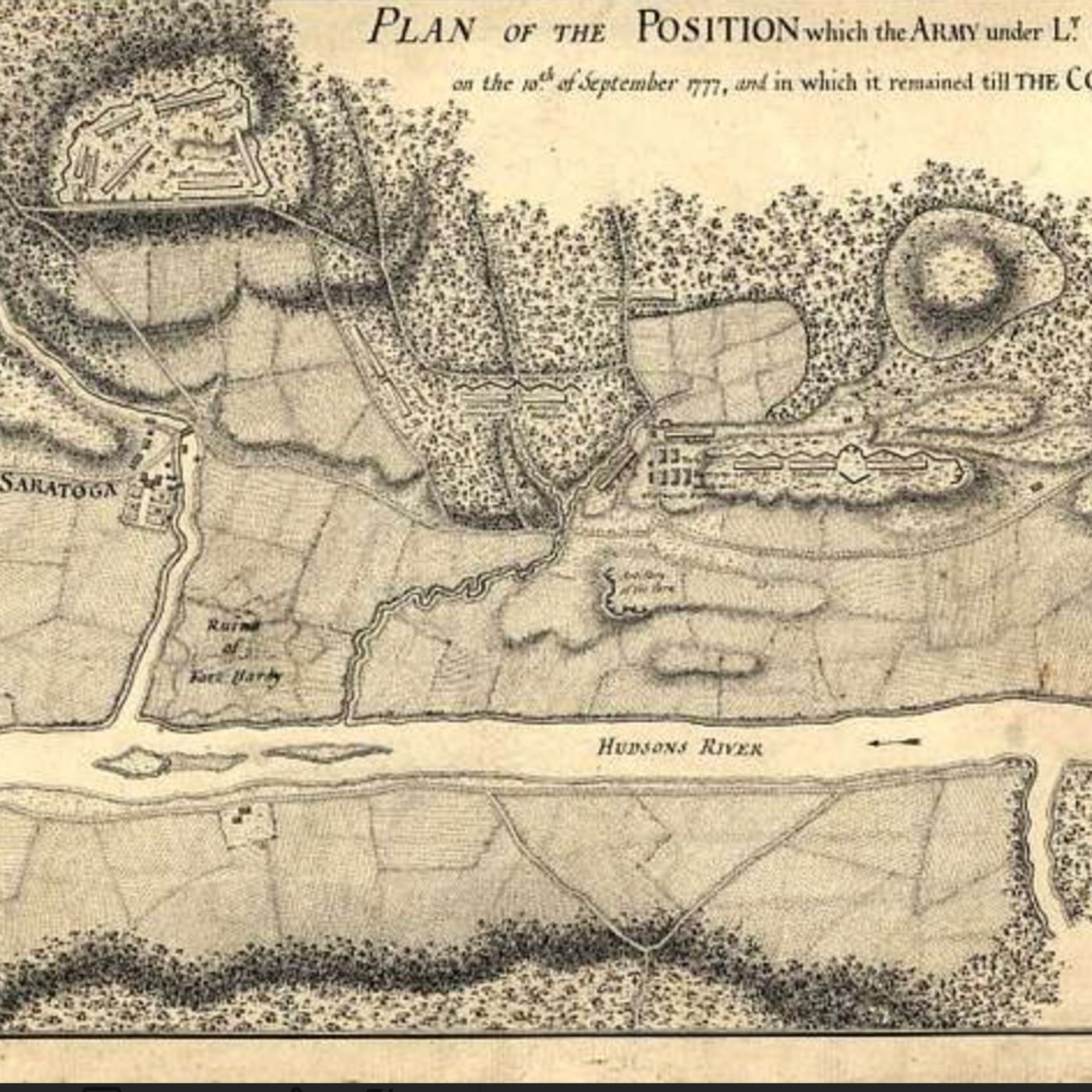
1777 SARATOGA Arnold Redoubt Assault Battlefield Fraser Funeral — Part Three Patrick K. O’Donnell, author of Revolutionary Snipers: Washington’s Frontier Commandos Whose Marksmanship Forged a New Way of War and Helped Win the Revolution, describes Benedict Arnold charging on horseback into the Canadian cabins and key British redoubts despite a severe leg wound. Meanwhile, Burgoyne held a solemn funeral for Simon Fraser under American artillery fire as British forces became trapped along the Hudson. (11)
Today’s guest is Carla Hall, the beloved chef, cookbook author, and TV personality. Carla is known for her appearances on “Top Chef,” “The Chew,” “Next Level Baker,” and so many more of your favorite culinary shows. She’s also written several books, including her latest cookbook, “Carla Bakes: Sweet, Savory & From the Heart,” her first baking book, featuring more than 80 recipes. Carla joins host Jessie Sheehan to talk about her childhood baking memories, including her grandmother Freddie Mae’s peach cobbler and her mother’s oatmeal cream sandwich cookies. She also shares how her catering business unexpectedly turned into a tiny cookie empire, why she believes baking is an art form, and how her one-woman show, “Please Underestimate Me,” came together. Carla also walks Jessie through her Sweet Po-Punkin Pie recipe from “Carla Bakes.” This recipe combines sweet potato pie and pumpkin pie, fully embracing Carla’s ethos of “why say or when you can say and.” She explains why the two filling
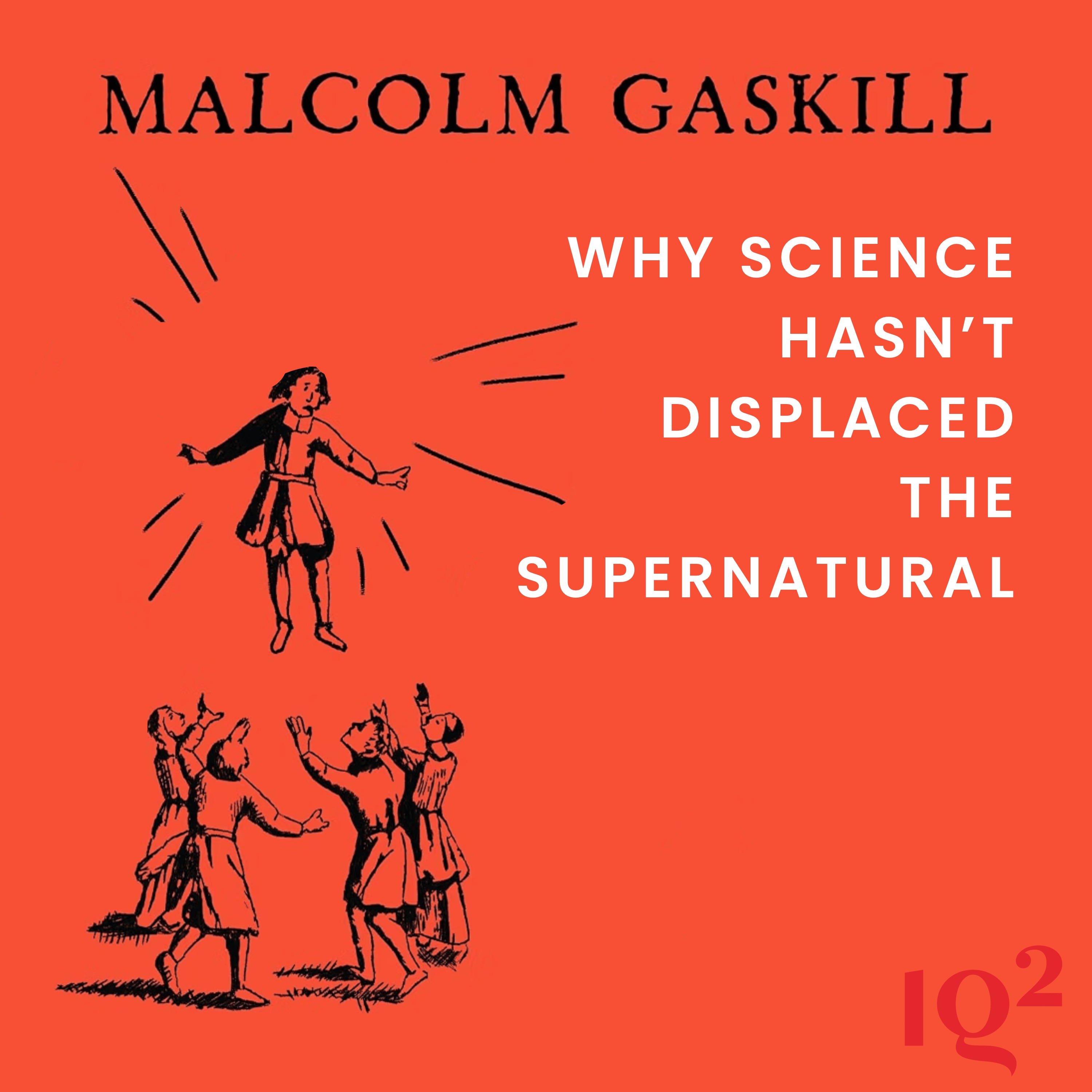
How do we make sense of the unseen? For centuries, the supernatural has offered ways to understand misfortune, find comfort and live with uncertainty. But its history is not simply a story of superstition giving way to reason. Why did people seek evidence in witchcraft trials? Can science and supernatural belief exist alongside one another? And what might today’s encounters with frontier technologies reveal to us about the persistence of the uncanny? In this episode, Margherita Volpato speaks with Malcolm Gaskill about his new book, Worlds of Fear and Wonder: Living with the Supernatural, Past and Present. Together, they explore the emotions behind supernatural beliefs that have shaped culture. They discuss Puritans searching for signs from God, the persistence of enchantment in the modern world and the uneasy relationship between technology and the uncanny. Malcolm Gaskill is Emeritus Professor of Early Modern History at the University of East Anglia and the author of seven books, inc
On a crisp mid-November morning, Anthony Boyle arrived to the podcast studio wearing a leather jacket, or as Chloe called it “Jensen’s jacket”—a reference to the signature leather jacket donned by Nvidia founder Jensen Huang. There has been much chatter in Vogue offices about the correspondence between his leather jacket uniform and the fact that he was having an affair. “He’s a top shagger,” Boyle joked, “it’s an homage to him.” This coincidence felt topical given the big tech moment we are in as a culture, as well as the fact that Boyle came on the podcast to speak with Chloe and Taylor about starring as Sam Bankman-Fried in the new series The Altruists (https://www.vogue.com/article/anthony-boyle-the-altruists), which is out today on Netflix. Boyle stars alongside Julia Garner, who plays Bankman-Fried’s on-again off-again girlfriend and business partner Caroline Ellison. The two of them portray the nerdy genius couple that made it big during the cryptocurrency boom and then met thei
Merriam-Webster's Word of the Day for November 19, 2026 is: upbraid • \up-BRAYD\ • verb To upbraid someone is to speak to them in an angry or critical way in response to something they have done wrong—in other words, to scold them. // The teacher upbraided the class after discovering the chalkboard erasers had been clapped all over the walls. See the entry > (https://www.merriam-webster.com/dictionary/upbraid) Examples: “An industrious ant spends all summer gathering food for the cold months, while a lazy grasshopper dances and sings. Once winter hits, the grasshopper is cold and hungry, and goes begging for food from the ant, who refuses to share any of its bounty, upbraiding the grasshopper for failing to plan.” — David A. Graham, The Atlantic, 17 Apr. 2026 Did you know? First things first: do not confuse upbraid with topknot lest you be upbraided for it. Topknot is a noun referring to a hairstyle, while upbraid is a verb (and an ancient one at that) meaning “to criticize or scold se
Public cultural institutions should present contested works with context instead of simply removing them.
Share your view, then see how readers voted. No sign-in required. This poll is shared across stories.
Do you agree or disagree?
Common Quandary
A Common Quandary to discuss
Another conversation to explore, separate from this news story.
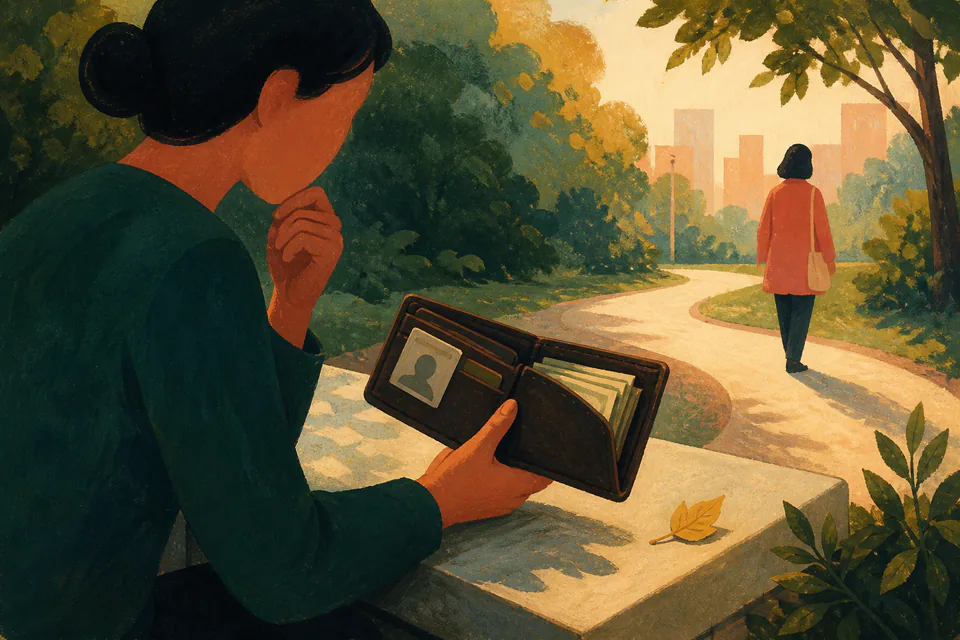
You find a wallet full of cash. Can you take a finder’s fee before returning it?
You find a wallet containing identification and several hundred dollars. Returning it will require a detour and some effort. The owner would probably never know if a small amount were missing.
Can an unrequested good deed entitle someone to compensation?