Eliot Pence on his newfound "fame" at Dominion Dynamics
14 min
Listen through the publisher, then discuss the episode here or arrange an in-person Roundtable. Your city determines where to meet.
Roundtables are designed for groups of four, with a shared subject and room for everyone to speak. Come for discussion, with no dating expectation.
In a world where defence innovation is crucial, Eliot Pence reveals how his company, Dominion Dynamics, is poised to redefine Canada’s military landscape. Discover the untold stories behind rapid partnerships and technological advancements that are shaping the future of defense at an unprecedented pace. If you’re passionate about defence, technology, or national security, this episode is a must-listen. Eliot shares his unexpected journey to becoming a prominent figure in the defence sector, highlighting his role in transforming Canada’s defence capabilities. He discusses the intricacies of building a responsive defence industry amid geopolitical challenges, emphasizing the importance of agility and innovation in a fast-paced environment. You'll discover: The significance of the recent partnership with Ukrainian defence firms and what it means for Canada’s military support efforts. The essential strategies for developing autonomous defence technologies that can adapt to real-time threats. Insights into the operational challenges of deploying new technologies in rugged terrains like the Arctic and Eastern Europe. Why controlling the narrative around defence capabilities is as crucial as the technology itself. Eliot stresses the stakes involved: failing to adapt means risking national security and losing technological prowess to global competitors. His call to action is clear — Canada must not just participate in defence innovation but lead it. Join us for an engaging conversation that blends urgency with inspiration, offering a glimpse into a future where Canada’s defence industry thrives under homegrown leadership. Perfect for anyone interested in the intersection of technology, defence, and national identity.
Episode information is provided by the publisher. Listening takes place on the publisher’s service.
Hey everybody, Tom Bilyeu here. On today’s episode of Impact Theory, we’re taking on a topic that’s got the whole world holding its breath: the escalating crisis between the United States and Iran. As tensions ratchet up, we’re asking the tough questions—how did we get stuck in this “escalation trap,” and what does it mean for America’s global leverage, our economy, and our very sense of security? The conversation focused on why the traditional idea of “strategy” might be failing policymakers, using powerful analogies—like chess versus roulette—to show how doubling down in conflict can spiral out of control. We’ll break down the risks of tactical “wins” that create even bigger crises, the real leverage Iran holds with control of the Strait of Hormuz, and the mounting pressure on President Trump as political support erodes and legacy hangs in the balance. A key theme that emerged is what happens when military might runs into decentralized opposition, and why high-stakes gambles—like the
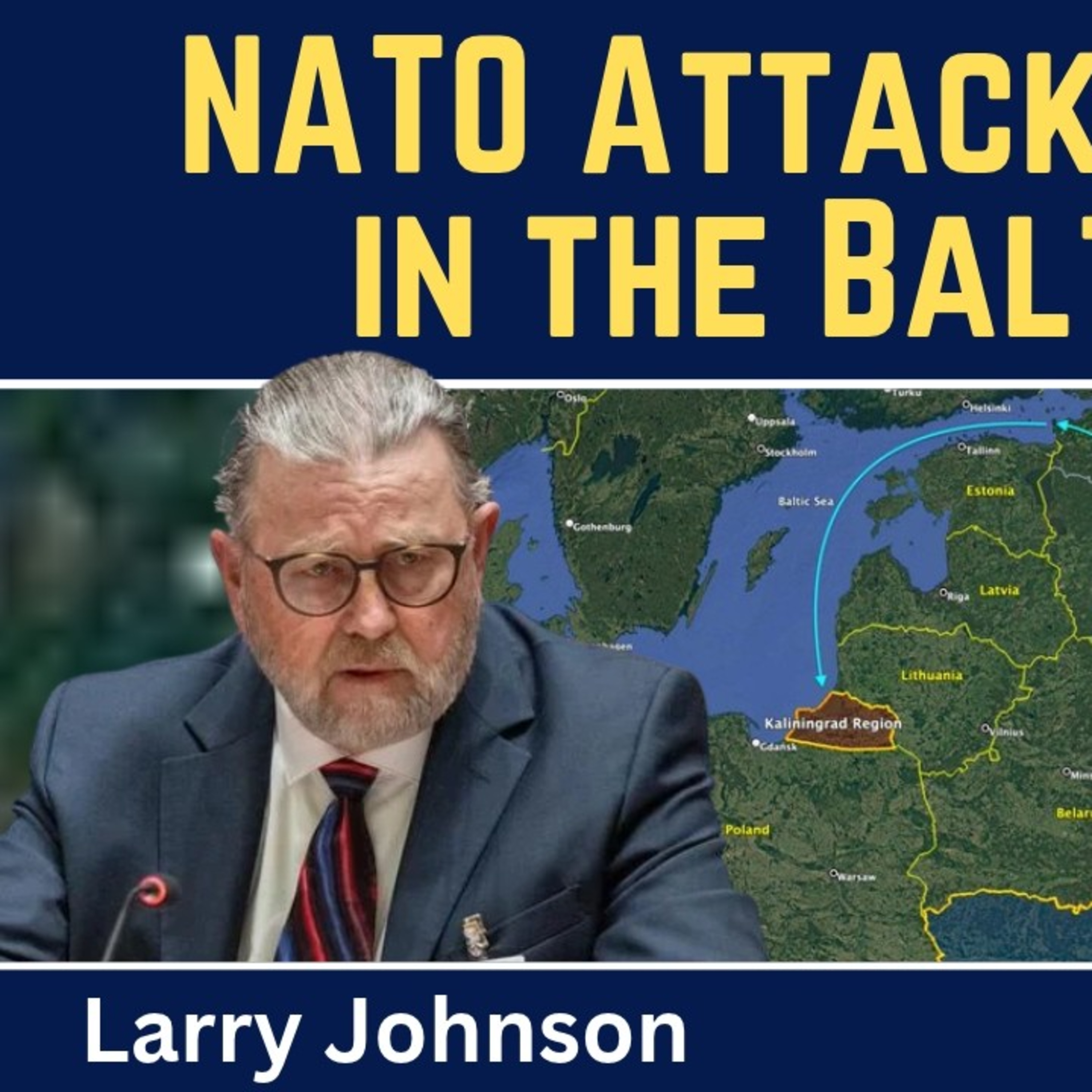
Larry Johnson is a former CIA intelligence analyst who also worked at the U.S. State Department's Office of Counterterrorism. Johnson discusses the attack on a Russian cargo ship in the Baltic Sea, and the air alarms going off in Kaliningrad. Read Larry Johnson's Sonar21: https://sonar21.com/Follow Prof. Glenn Diesen: PayPal: https://www.paypal.com/paypalme/glenndiesenBuy me a Coffee: buymeacoffee.com/gdiesengGo Fund Me: https://gofund.me/09ea012fBuy Diesen merchandise: https://diesen-shop.fourthwall.com/en-nokBooks by Prof. Glenn Diesen: https://www.amazon.com/stores/author/B09FPQ4MDL 00:00 Escalating Tensions in the Baltic Sea02:45 NATO's Role and Russia's Response05:52 The Shift in European Attitudes Towards Russia09:11 Cultural Influences on Perceptions of Russia11:44 The Consequences of Military Escalation15:06 The Irrelevance of Europe in Global Politics25:49 Reassessing Global Power Dynamics32:44 The Role of Europe in a Changing World39:19 The Impact of Economic Interests on Pol
Newsround Part 1. Lewis Aspinall returns with another edition of Newsround on Anfield Index, discussing Virgil van Dijk's uncertain Liverpool future, positive developments in Trey Nyoni's contract talks and Ronald Araújo's potential permanent move to Anfield. With Virgil van Dijk approaching the end of his current Liverpool contract, Lewis admits he is becoming increasingly concerned that the Reds could lose their captain this summer. Despite Van Dijk insisting he still has several years of top-level football ahead of him, Liverpool face a difficult decision over the defender's age, wages and the development of their younger centre-backs. Lewis examines Van Dijk's performances and underlying statistics, explaining why the Dutchman remains one of the Premier League's outstanding defenders and why his leadership could be invaluable to Jeremy Jacquet, Giovanni Leoni and Ifeanyi Ndukwe. Could Liverpool offer Van Dijk another two-year contract, or will the club's long-term planning lead to
Some strange things are happening out in space and down here on Earth. Earlier this week, astrophysicist Neil deGrasse Tyson joined Aishah Hasnie (https://www.youtube.com/watch?v=yor7TRWw67k) to unpack a fast-moving object known as 1998 KY26 orbiting the Sun, UAP discussions, and the physics behind what a first alien encounter might actually look like. Tyson broke down why its trajectory doesn't follow standard gravity alone, weighed theories ranging from space junk to the Yarkovsky effect, and shared insights from his book Take Me to Your Leader: Perspectives on Your First Alien Encounter. They also dove into growing concerns around artificial intelligence, tech vulnerabilities, and why Tyson says global guardrails are essential—plus why he’d choose the future if he had a time machine. The conversation was full of laughs and interesting perspectives on space and the potential for extraterrestrial life, but it was too long for our regular midweek Rundown. So, on today's FOX News Rundow
Project Synapse: Markets in Freefall, Fragile Infrastructure, and AI's Perfect Storm The hosts banter through the show's intro before focusing on a sense that "things are out of control," citing a WallStreetBets suicide-hotline post amid a market crash and discussing cascading system failures involving Microsoft, the FAA, and a reported NSA internal communications outage. They argue politicians and leadership lack technical competence and clear messaging, increasing panic, while emphasizing that many problems stem from aging, underfunded infrastructure and complex, brittle software (PHP, NGINX, Java), not proven AI attacks—more a "perfect storm" of crises. They debate whether AI should help fix complexity, stressing critical thinking, accountability, and using multiple AIs to verify each other. In a lightning round they cover Anthropic's IPO performance, mixed reactions and token limits with ChatGPT 6.2 (favoring "Sol" over "Astra"), Google's cheaper Neon model and confusing UX, Loblaw
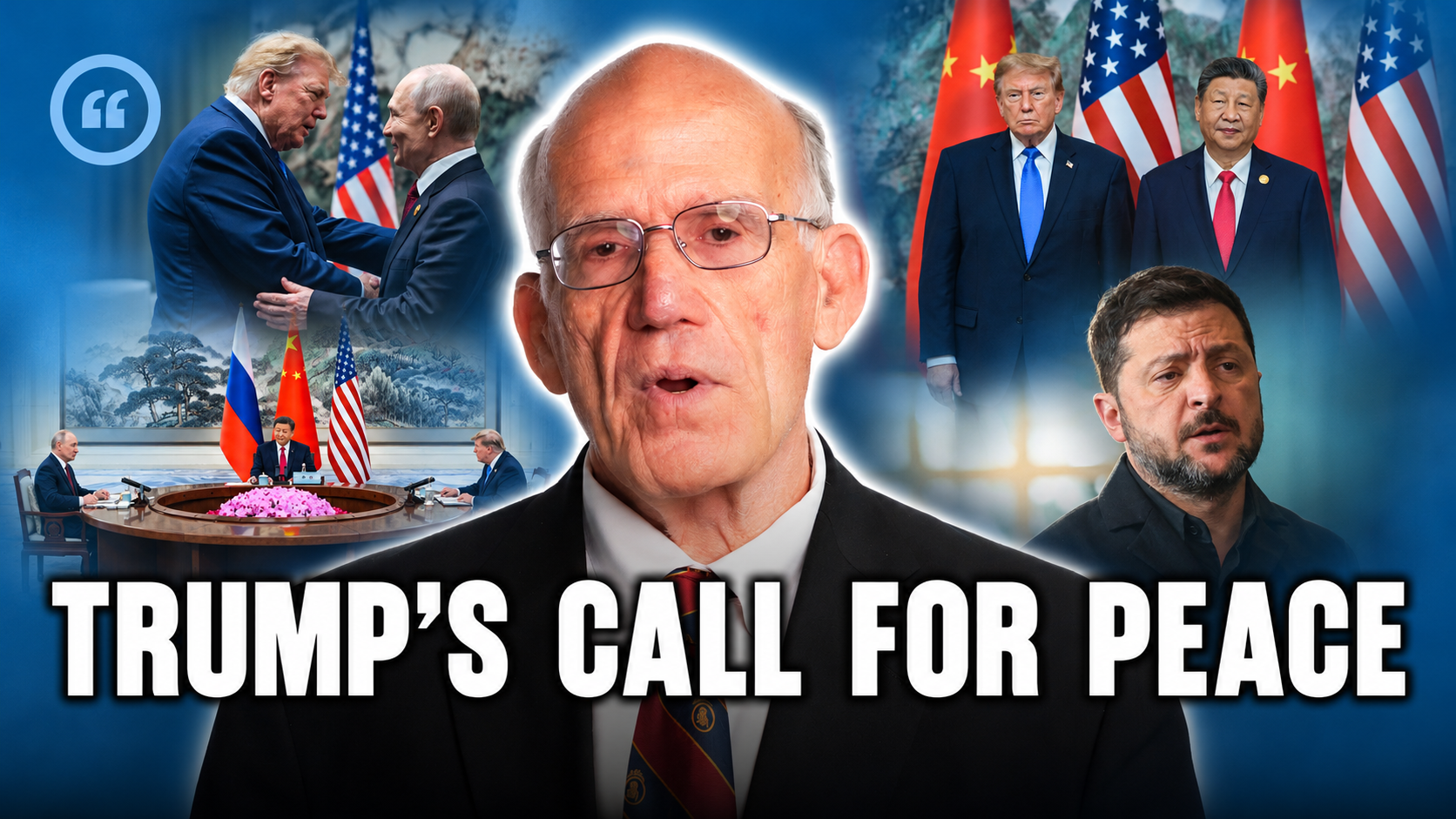
President Donald Trump's first ever trilateral summit with Vladimir Putin and Xi Jinping raises questions about the future of the war in Ukraine and whether a peace agreement could finally be within reach. Victor Davis Hanson and Sami Winc examine the summit on today’s edition of “Victor Davis Hanson: In His Own Words,” discussing Russia's declining influence, potential territorial concessions in Ukraine, and Europe's frustration over Trump's peace negotiations. Hanson criticizes Hillary Clinton's attacks on Trump's diplomacy; he also argues that European leaders have weakened their influence by neglecting defense spending and relying on American military protection. They discuss Elon Musk's shifting political allegiances, and Hanson warns that distancing himself from MAGA may not protect him from Democrat investigations. They also discuss the potential economic benefits of artificial intelligence and the challenges facing Hakeem Jeffries as Democrats prepare to take control of the Hou
Ready to revolutionize military training? In this episode, Hugh from Bloomsco reveals how AI is transforming the way the military prepares for rapidly evolving battlefields. Discover why traditional training methods are falling behind and how a new framework can empower military personnel to adapt in real-time. Hugh, a veteran in ed tech, shares his insights on the urgent need to shift from rote learning to a hands-on, competency-based approach, mirroring the military's mission-driven ethos. He discusses how his collaboration with military training development officers is reshaping training protocols, turning months of preparation into mere days. You’ll discover: The pivotal role of AI in building a semantically searchable knowledge base for training materials. How Bloomsco accelerates the development of training packages to meet modern military demands. The process of translating complex manuals into actionable training modules, including simulations and VR scenarios. Specific case st
Essential community services should not depend mainly on unpaid volunteers.
Share your view, then see how readers voted. No sign-in required. This poll is shared across stories.
Do you agree or disagree?
Common Quandary
A Common Quandary to discuss
Another conversation to explore, separate from this news story.
A disgraced billionaire's name is on the beloved campus library. Does it come down?
A major donor funded a beloved public building decades ago. New evidence shows they also caused serious harm that was legal and accepted by many peers at the time. Removing the name may jeopardize future donations.
What does an institution owe the truth when its history funded the present?