Ep. 3615 - Q&A: “What are the main things to know when starting a podcast?”
5 min
Listen through the publisher, then discuss the episode here or arrange an in-person Roundtable. Your city determines where to meet.
Roundtables are designed for groups of four, with a shared subject and room for everyone to speak. Come for discussion, with no dating expectation.
A listener is taking the plunge and starting his own podcast! What are the top three things I wish I’d known when I began Side Hustle School? Show notes:SideHustleSchool.com (http://sidehustleschool.com/) Email: [email protected] Be on the show: SideHustleSchool.com/questions Connect on Instagram: @193countries Visit Chris's main site: ChrisGuillebeau.com Read A Year of Mental Health: yearofmentalhealth.com If you're enjoying the show, please pass it along! Hosted on Acast.
Episode information is provided by the publisher. Listening takes place on the publisher’s service.
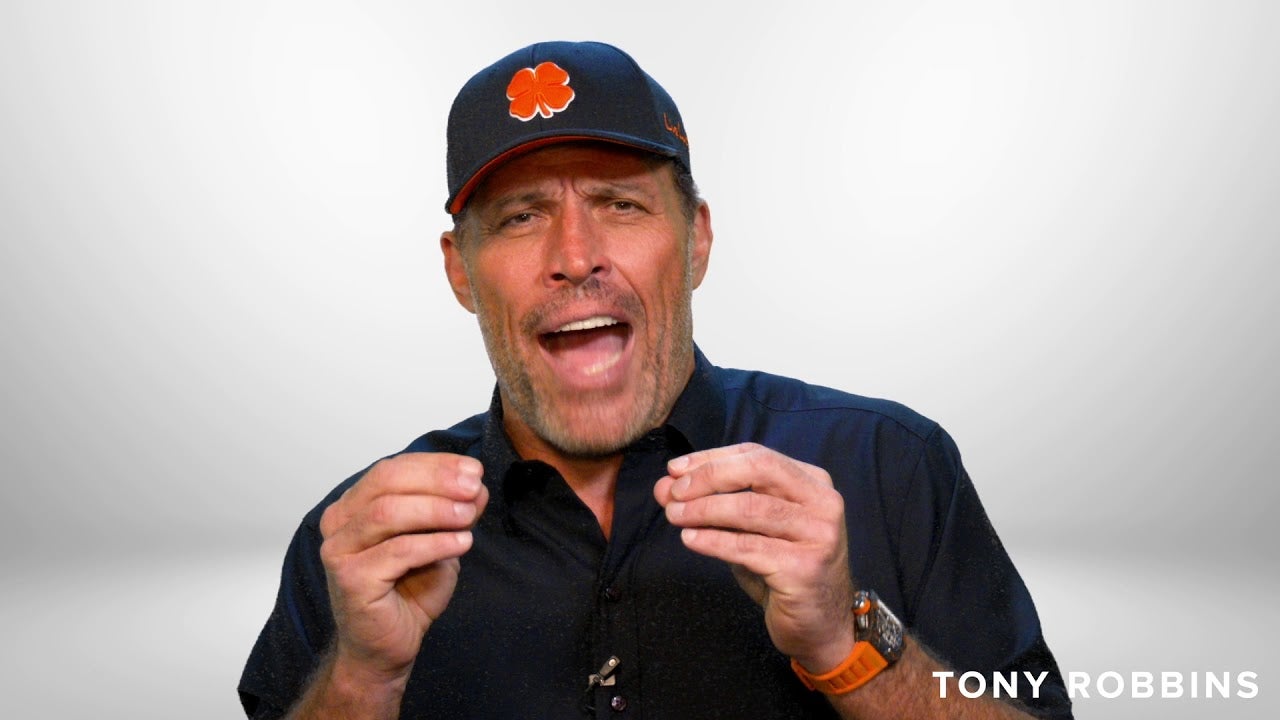
Every year in January, millions of people write their New Year’s resolutions, committing to what they are going to change in the coming year. For nearly half, these resolutions are related to health, such as weight loss and fitness. Yet 80% of New Year’s resolutions will fail by February. Uploaded 08-01-20 To be successful, your resolution needs three things: a desired outcome, smart strategy and focused action. So many of us fail because we are missing the middle piece – smart strategy – and we opt for blindly taking action, like starting a crash diet or blasting out your resume. The good news? You can avoid this trap and beat the odds this year – just use Tony’s strategy for success: Get clear on your desired outcome, know your purpose, take massive action, notice your results, and change your approach. Your 2020 vision starts here: https://core.tonyrobbins.com/new-years Learn how to create a Massive Action Plan with Tony's innovative and easy-to-use life vision and productivity plan
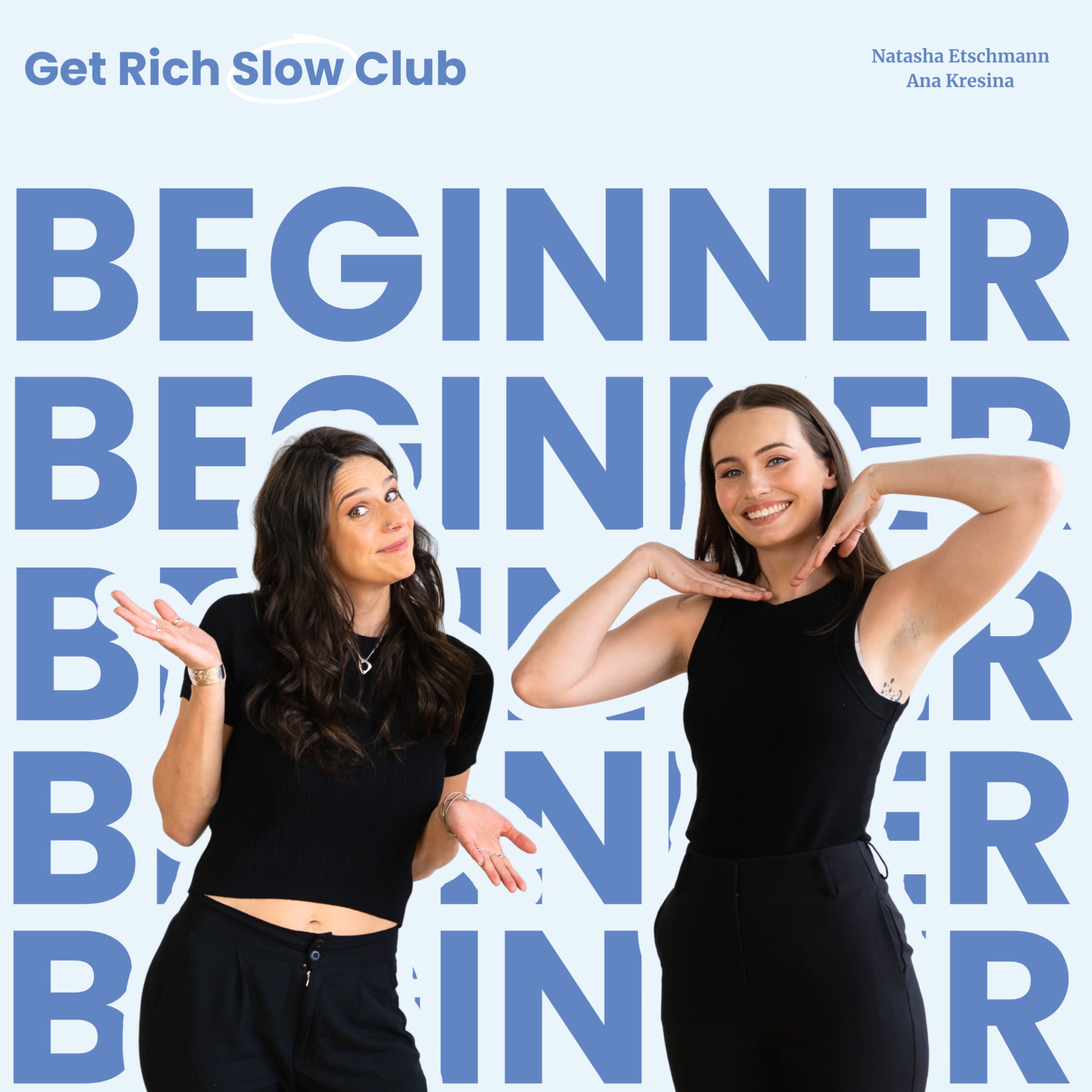
Ever put off investing because you feel like you need to know everything first? Same. Elliott thought investing meant picking individual companies and understanding the whole share market. Ana bought ten ETFs (bundles of investments you buy in one go) because choosing just one felt too risky. Both were trying not to get it wrong, and playing it safe made things messier for both of them. So how much do you actually need to know before you start? In this episode, Ana Kresina and Elliott O'Callaghan look back at their first investments and what confused them along the way. From a $10 crypto gift to ten ETFs that held a lot of the same companies, they talk about the gap between reading about investing and actually doing it. In this episode we'll chat about: Why Ana bought ten ETFs to feel safer, then found out she owned a lot of the same companies several times over. What a $10 Ethereum gift taught Elliott about watching his money go up and down. How Elliott went from thinking investing wa
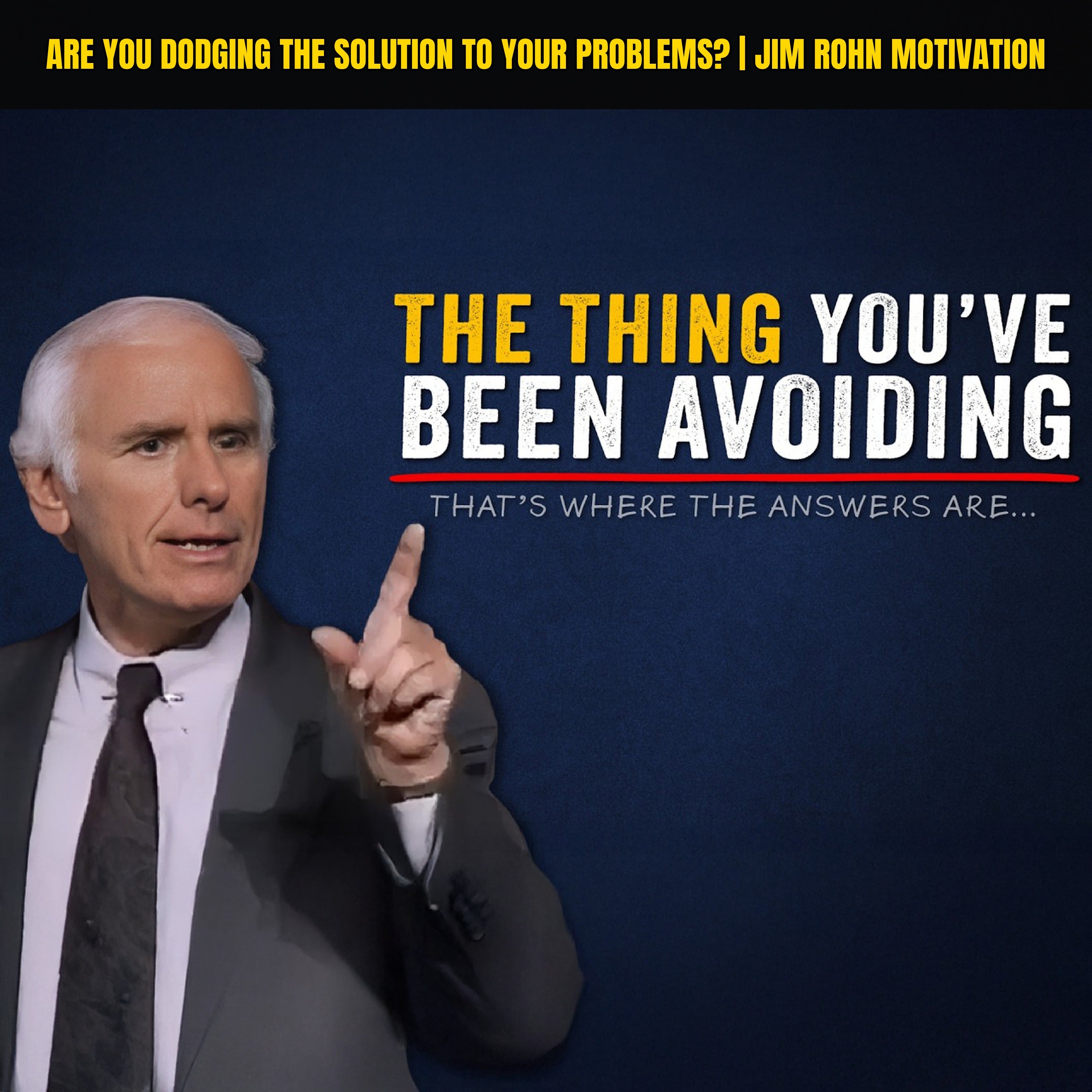
In this Jim Rohn Motivation speech, we uncover the hidden force that silently steals dreams: avoidance. Jim explains why people already know what to do—they're just not doing it. This powerful message will challenge you to stop postponing and finally step into action. Key Topics From This Motivational speech: Why avoidance—not ignorance—is the real obstacle The Mirror Principle: How resistance reveals the path How fear disguises itself as busyness and delay Daily discipline as the cure for fear and procrastination How responsibility unlocks momentum and freedom Jim Rohn teaches that what you resist most often holds the answer you need. From unopened bills to avoided conversations, the very things we run from are the keys to growth. Avoidance doesn’t protect—it postpones pain and multiplies it. But by taking full ownership of your life, your health, your finances, and your relationships, you regain control. Face the uncomfortable. That’s where the breakthrough lives. This Jim Rohn Motiv
AI has dominated the headlines, but the bigger story might be happening in hardware. Bryce and Ren sat down in New York with Andrew Kang, CEO of RoboStrategy, who argues robot intelligence is now where AI was in 2022. With physical work making up roughly half the world's labour, they unpack why specialised robots will arrive before humanoids in your home, how the US and China really compare, and what it means to invest in a theme that is still mostly privately held. In this episode: 00:00:00 Are Robots The Next Trillion-Dollar Investment Opportunity? 00:02:48 Inside The Robotics Revolution At Figure AI 00:04:19 Why Robotics Is Where AI Was In 2022 00:07:51 How Big Could The Robotics Industry Become? 00:09:42 Where Robots Are Already Being Used Today 00:11:37 Why Specialised Robots Could Win First 00:14:22 Who Is Winning The Robotics Race: US Or China? 00:16:54 Why Robots Could Cost Just $2 An Hour 00:19:31 How Andrew Picks The Next Robotics Winners 00:24:33 The Company Powering America
Episode 319: Today, Jensen Huang is back… John and Emily unpack Nvidia’s decision to reinstate Huang as CEO and why nearly $1 trillion in market value came back with him. Then we discuss how the move sent AI stocks soaring and what questions lawmakers still have about Nvidia’s ties to China. We also unpack CrowdStrike’s nearly $44 billion deal to buy Zscaler and why AI is changing what companies need from their cybersecurity providers. Finally, we round up the market headlines, including the Hunger Games’s blockbuster opening, the Super Bowl coming to IMAX, two states suing SpaceX over Grok, and why Tesla’s latest driving software is drawing comparisons to Grand Theft Auto VI. Visit alphaspace.finance.yahoo.com (http://alphaspace.finance.yahoo.com/) www.brewmarkets.com (http://www.brewmarkets.com/) Follow Brew Markets on social: Instagram: instagram.com/brewmarkets TikTok: tiktok.com/@brewmarkets X: x.com/brewmarkets This podcast may include paid endorsements or sponsorships
Sign up for The Real Eisman Playbook Premium at http://www.steveeisman.com/ On episode 85 of The Real Eisman Playbook, Steve Eisman welcomes back Wells Fargo industrials analyst Steve Tusa to explain how industrials, with about half of his 16 companies now deep in AI data center construction, have grown rapidly. Tusa walks through the scale of the build-out, argues that delays are more likely to come from how long construction takes than from political pushback in Texas, and says a real pullback in capex would almost certainly bring a recession. 00:00 - Intro 01:08 - What's Happening in This Group? 04:05 - Vertiv, Eaton, nVent, Forgent, & HVAC Companies 12:25 - AI: Nothing Else Matters 13:30 - Otis & Lennox 16:09 - The Sensitivity of the Economy 19:16 - Factories Being Onshored? 22:40 - What's Happening with Data Centers? 30:47 - Johnson Controls & Vertiv 32:14 - Meeting with Analysts 35:45 - Outro Subscribe https://www.youtube.com/@RealEismanPlaybook?sub_confirmation=1 Connect with St
In this week’s First $1,000 segment, we hear from a virtual assistant who does one thing only: manage the inboxes of busy startup founders. Show notes:SideHustleSchool.com (http://sidehustleschool.com/) Email: [email protected] Be on the show: SideHustleSchool.com/questions Connect on Instagram: @193countries Visit Chris's main site: ChrisGuillebeau.com Read A Year of Mental Health: yearofmentalhealth.com If you're enjoying the show, please pass it along! Hosted on Acast.
A mechanical engineer invents her own “fatty skincare line” after not finding what she wanted on store shelves. Show notes:SideHustleSchool.com (http://sidehustleschool.com/) Email: [email protected] Be on the show: SideHustleSchool.com/questions Connect on Instagram: @193countries Visit Chris's main site: ChrisGuillebeau.com Read A Year of Mental Health: yearofmentalhealth.com If you're enjoying the show, please pass it along! Hosted on Acast.
A listener has written a viral Facebook post that went on to get millions of views—which is great, but can they make money from it somehow? Show notes:SideHustleSchool.com (http://sidehustleschool.com/) Email: [email protected] Be on the show: SideHustleSchool.com/questions Connect on Instagram: @193countries Visit Chris's main site: ChrisGuillebeau.com Read A Year of Mental Health: yearofmentalhealth.com If you're enjoying the show, please pass it along! Hosted on Acast.
The public should normally know who owns businesses that affect community life.
Share your view, then see how readers voted. No sign-in required. This poll is shared across stories.
Do you agree or disagree?
Common Quandary
A Common Quandary to discuss
Another conversation to explore, separate from this news story.
You inherit a fortune made in ways you despise. Can you keep it?
You inherit a substantial sum from a relative who accumulated it through practices you consider exploitative. Keeping it would improve your family's security; donating it could support people harmed by similar practices.
Can ownership be morally clean when its history is not?