What we wish we'd known before we started investing
53 min
Listen through the publisher, then discuss the episode here or arrange an in-person Roundtable. Your city determines where to meet.
Roundtables are designed for groups of four, with a shared subject and room for everyone to speak. Come for discussion, with no dating expectation.
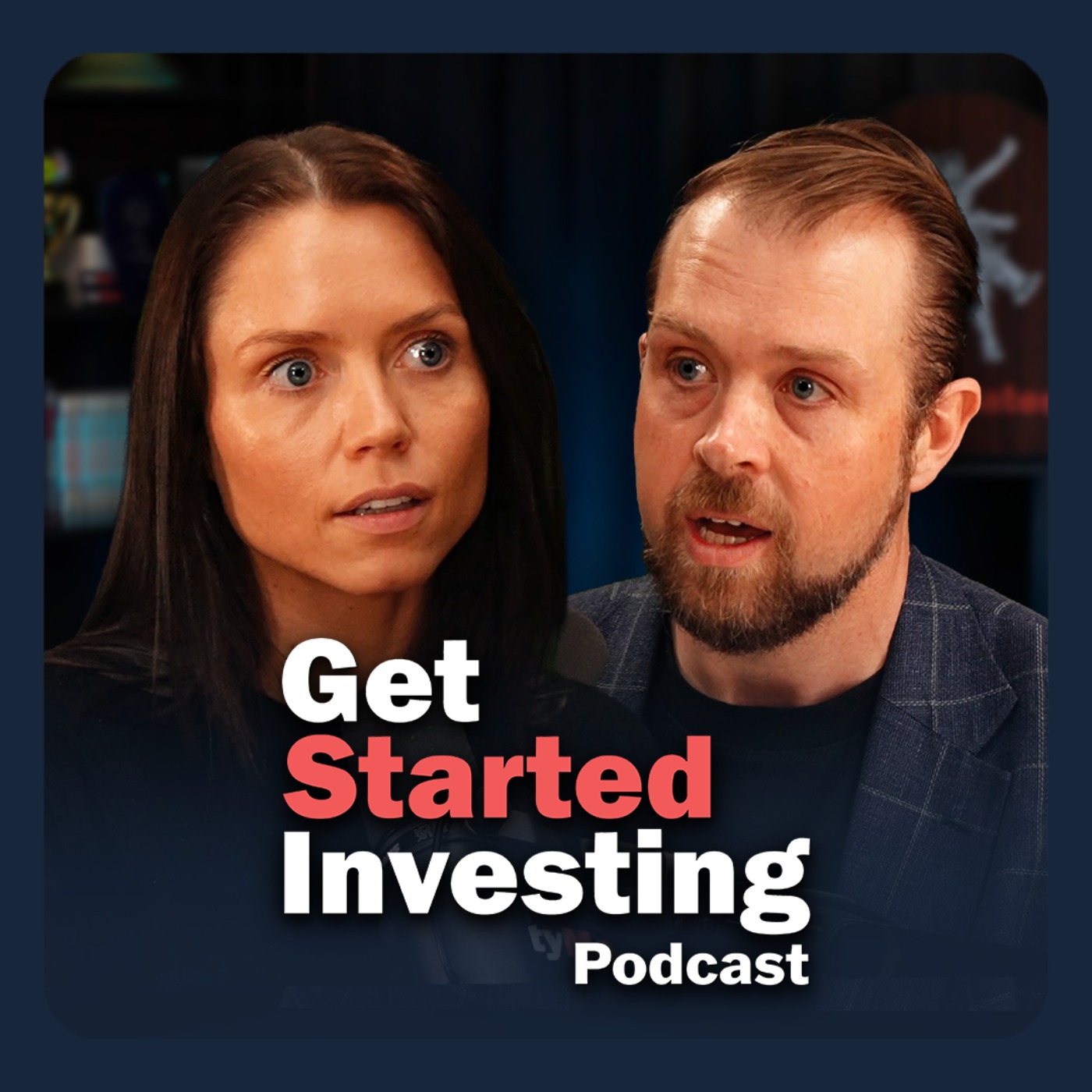
Ever put off investing because you feel like you need to know everything first? Same. Elliott thought investing meant picking individual companies and understanding the whole share market. Ana bought ten ETFs (bundles of investments you buy in one go) because choosing just one felt too risky. Both were trying not to get it wrong, and playing it safe made things messier for both of them. So how much do you actually need to know before you start? In this episode, Ana Kresina and Elliott O'Callaghan look back at their first investments and what confused them along the way. From a $10 crypto gift to ten ETFs that held a lot of the same companies, they talk about the gap between reading about investing and actually doing it. In this episode we'll chat about: Why Ana bought ten ETFs to feel safer, then found out she owned a lot of the same companies several times over. What a $10 Ethereum gift taught Elliott about watching his money go up and down. How Elliott went from thinking investing was pure luck to understanding ETFs that spread your money across a big chunk of the market. Why 2% in fees sounded small to Ana when she first started. The bit no book or podcast can prepare you for: watching $1,000 turn into $900. Why Elliott saved more than a year of living costs before he invested anything. Why comparing investing platforms felt like homework, including whether your shares are in your own name (CHESS sponsorship) or held by the platform for you (custodial). Why Elliott invests about five times a year, and how fees and the interest on his savings shaped that routine. Got $10,000? You could put it all in at once or spread it out. They talk about the gap between what the numbers say and what feels comfortable. If there's one thing to take away, it's this: reading about investing and finding out how you feel when it's your own money are two different things. Ana and Elliott's first investments weren't perfect, and how they invest still changes. Neither of them had it all figured out on day one. They worked it out as they went. What's the one thing you'd want to understand before you start, or have you already jumped in? Tell us via the Case Study Form below. @tashinvests (https://www.instagram.com/tashinvests/) @anakresina (https://www.instagram.com/anakresina/) @getrichslowclub (https://www.instagram.com/getrichslowclub/) @pearlerhq (https://www.instagram.com/pearlerhq/) Get Rich Slow Club (https://pearler.com/getrichslowclub) Pearler (https://pearler.com/) YouTube (https://www.youtube.com/@getrichslowclub) Disclaimer: Read the FSG available fromhttps://pearler.com/financial-services-guidehttps://pearler.com/financial-services-guide Hosted on Acast.
Episode information is provided by the publisher. Listening takes place on the publisher’s service.
Jess knows that she’s a bit behind when it comes to super. Her current balance is on the small side for her age- and the type of retirement she wants. She knows she needs to do something about it, and has had a handful of conversations about it with experts on the show already. But she was yet to take action. This conversation finally changed that. In this episode, she spoke with Ashton Jones Director of Strategy and Innovation at MLC, who explained how to work out what balance she needs and bridge the gap from where it is now. Jess entered this chat struggling to take action, thinking she needed to add large sums to catch up. But Ashton walked her through simple (and small) actions she can use; including a 1% change that could make up to $200,000 difference to her super by retirement. By the end she finally understood how little it can take to make a huge impact on the life she gets to live in the future- and it can do the same for you. Chapters: 00:00 Why Super Matters 04:49 When to
Today, a look at the market trying to post a comeback today after Friday's epic meltdown in risk sentiment. What could be behind the comeback attempt besides measures across Asia to shore up stocks? Also, an in-depth chat with Saxo Head of Commodity Strategy Ole Hansen on the huge sell-off in precious metals and the outlook for energy markets. This and much more on today's pod, which is hosted by Saxo Global Head of Macro Strategy John J. Hardy. Links Ben Hunt's provocative take on how we should be reading the Jensen Huang takedown at Nvidia (https://x.com/EpsilonTheory/status/2124787379118440807), together with a clip from US Treasury Secretary Bessent as many note his about-face on Nvidia comments. Very interesting conversation on the Odd Lots podcast on whether the rising GPU rental prices are a positive signal on AI demand (https://www.youtube.com/watch?v=j6lvUm1hn40) and for the outlook for the AI trade, or merely a reflection of the challenges of data center financing in a viciou
What if it's not working out forward in tomorrow because God's trying to give you a different gift? In this mindset shift from The Positive Mindset Podcast, Henry Lawrence talks to anyone who feels stuck, where every step forward seems to hit another dead end. When something is missing, we tend to look to the future for the fix: next week, a new job, a solution. Henry shares two paths in that moment: the way he has always done it, reacting and trying to fill the gaps yourself, or going up instead of forward and pursuing the creator right where you are. He uses a simple food analogy to show the difference between forcing change through discipline and a relationship that changes what you actually desire, and he asks what you're going to fill the hurt with right now. The red light, the stop sign and things not working out are not a punishment. They are a gift and a chance to get clear on what you really want. It opens with a centering deep breath and closes with another deep breath, the r
You know the work is useful. Then it is time to name the price, and you start apologizing. What would change if you treated the conversation as a fair exchange? In this episode of The Level Up Podcast, Paul Alex breaks down how to present a useful offer clearly while respecting both your work and the customer’s decision. Paul draws on the communication and sales skills he began developing at Ecolab. Explaining value is something you can learn, even if being outgoing does not come naturally to you. Begin with the person’s needs, what you provide, and what it costs. Give them room to consider the offer and say no. Feeling uncomfortable does not require pressure or an apology. It gives you a specific part of the conversation to practice. In this episode, you’ll learn: • How to connect an offer to the need the other person actually has. • Why stating a price clearly supports an informed decision. • How to respect a customer’s choice without minimizing your work. • What to practice before a
HOW EMOTIONS INFLUENCE PURCHASING DECISIONS What kind of car do you own? What kind of purse do you carry? What is your favorite brand of clothing? Why? While product quality and seller reputation matter, the reason we make a purchase goes far beyond the fundamentals. It goes far beyond rational thought. It goes into the subconscious. In fact, research by the Nielsen Company shows that roughly 90% of purchasing decisions are made subconsciously. And further studies have revealed that while our brains process 11 million bits of sensory information every second, our conscious minds can only handle less than 100 per second. So how does our subconscious determine our decisions? It comes down to our needs and emotions. Each and every one of us is unique, but we also share six fundamental needs — certainty, significance, variety, love and connection, growth, contribution — that determine how we feel about ourselves, how we feel about others, and how we experience life. And all behavior, inclu
Cathie Wood is one of the most influential investors of our time. She is the founder, CEO, and chief investment officer of ARK Invest, where she runs 14 ETFs and a venture fund with stakes in SpaceX, OpenAI and Anthropic. Cathie doesn’t just pick stocks. She picks the future, then bets billions on it. Today, she joins Money Rehab to tell us: Whether a crash is coming Why she sold $85 million of Nvidia the day before earnings Whether she’s in for the Anthropic IPO And If AI is a bubble In partnership with Equitybee Terms apply. Bitcoin services by Block, Inc. See the Bitcoin disclosures at cash.app/legal/podcast. Chapters 00:00 Are You Ready for Some Money Rehab? 01:43 Why Cathie Sold Nvidia: The Numbers and the Jensen Risk 04:27 Swapping Nvidia for SpaceX 06:29 The Petition to Bring Jensen Back, and Tesla's Near-Privatization 11:07 Is Colette Ready to Be CEO, and Who Cathie Would Pick Instead 14:03 Why Cathie Thinks the AI Revolution Isn't Derailed 16:44 AI Agents, Cyberattacks, and Cr
Ever wanted something you don't technically need, then spent weeks talking yourself into it and back out again? Tash's 2014 Mazda 2 still runs fine. So why is she seriously thinking about a new Polestar? She's spent months weighing up more space, better safety features and how much nicer it is to drive against what it would cost. It's a bigger version of something we all deal with: knowing when to save, when to wait, and when spending more might actually make sense. So how do you know when something's worth the money? Ana and Tash talk about the small money habits that shape bigger decisions, from investing on autopilot and forgotten subscriptions to planning a big purchase. They also dig into Tash's Polestar dilemma: different ways to buy a car, what a car really costs once you own it, and the difference between what we need and what we want. This episode is sponsored by Polestar. In this episode we'll chat about: How leaving flights to the last minute meant Ana was looking at fares o
⚠️ Important note: This episode discusses the First Home Super Saver (FHSS) scheme. Some information shared may be outdated or subject to change. Please refer to the Australian Taxation Office (ATO) for the most up-to-date and accurate information on eligibility, contribution limits, tax treatment and withdrawal rules before making any financial decisions. ATO: First Home Super Saver scheme (https://www.ato.gov.au/individuals-and-families/super-for-individuals-and-families/super/withdrawing-and-using-your-super/early-access-to-super/first-home-super-saver-scheme) Saving for a first home is complicated enough without putting part of your deposit into super. But could the potential tax benefits make it worthwhile? Elliott is using the First Home Super Saver scheme to prepare for a home purchase in three to five years. Ana has used it too, even salary sacrificing 100% of her pay for a short period. Together, they explore the benefits, limits and mistakes to watch for when saving through s
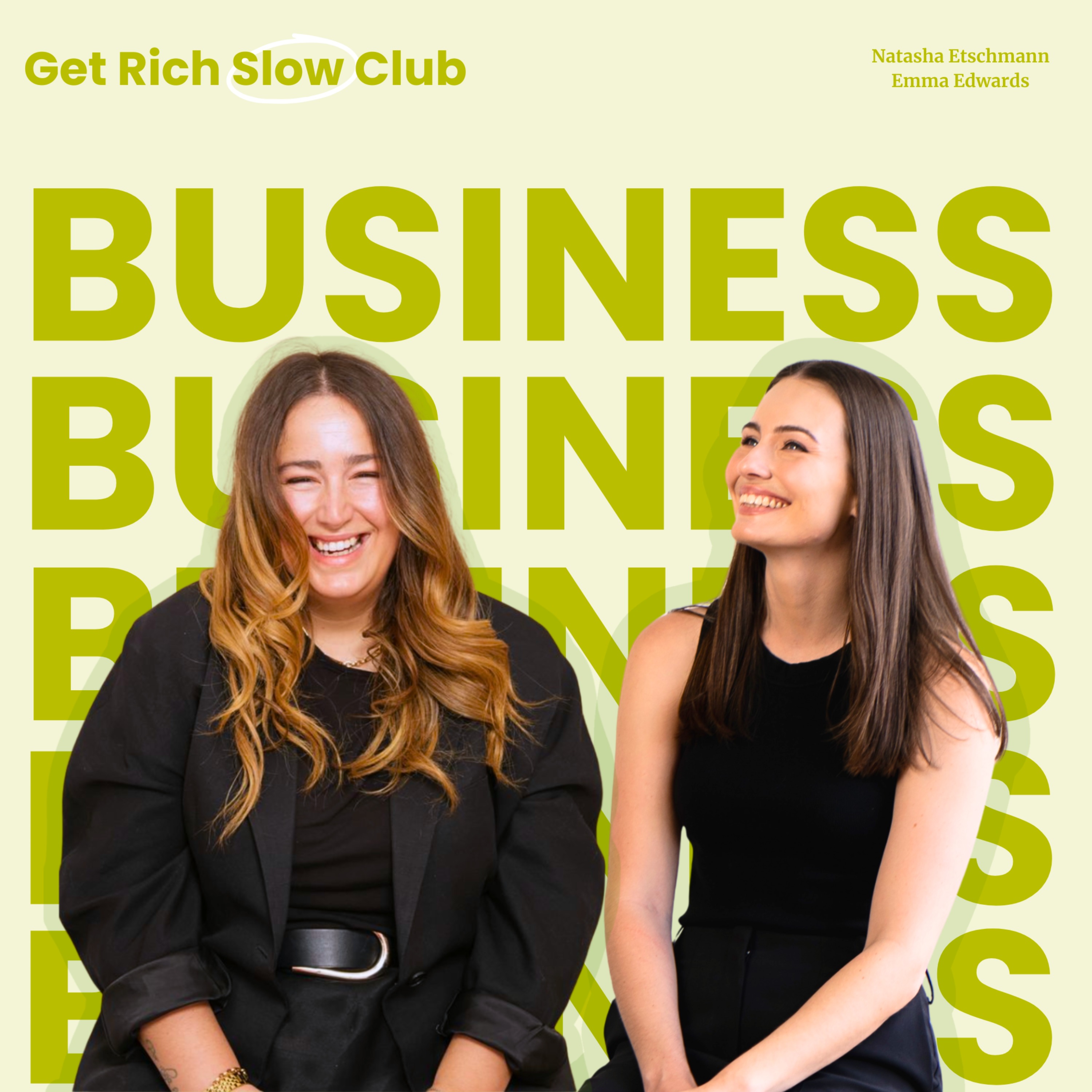
Starting a business alongside your full-time job sounds like a sensible way to test an idea without risking your regular income. But what happens when that side business starts making money and growing it means giving up your salary? Emma was earning nearly $100,000 between her job and business, yet going full-time meant potentially dropping back to just $30,000. So how do you give a side business a real chance without sacrificing your financial security or every spare hour you have? In this episode, Emma and Tash share how they built businesses around their existing jobs, studies and personal lives. From squeezing client work into evenings and weekends to navigating tax, burnout and the decision to become fully self-employed, they explore what it actually takes to turn an idea into a business, and whether going full-time should even be the goal. In this episode we'll discuss: Why starting a business doesn't have to mean quitting your job, and why some people are perfectly happy keepin
Allegations should not be treated as proven until a fair process establishes the facts.
Share your view, then see how readers voted. No sign-in required. This poll is shared across stories.
Do you agree or disagree?
Common Quandary
A Common Quandary to discuss
Another conversation to explore, separate from this news story.
Your grandfather brought home an ancient artifact. A museum wants it back. Do you surrender it?
In your grandfather's attic you discover a beautiful ancient object he brought home while working overseas decades ago. Your family treasures it and his papers suggest the rules were murky. A museum from that country says it belongs to their collection and asks for its return.
Can a family inherit clear ownership of something acquired through unclear power?