Listen through the publisher, then discuss the episode here or arrange an in-person Roundtable. Your city determines where to meet.
Roundtables are designed for groups of four, with a shared subject and room for everyone to speak. Come for discussion, with no dating expectation.
There is a lot of pressure in today’s world to be someone you’re not. We spend time trying to fit in, impress people, meet expectations, and create an image of who we think we should be. In the process, we can lose sight of who we actually are. In Episode 3900 of The Strong Life Project, Shaun O’Gorman explores the power of simply being yourself and why your authenticity might have a greater impact on someone else’s life than you realise. You don’t need to have all the answers. You don’t need to be perfect. You don’t need to pretend that life has always been easy or that you have everything figured out. Sometimes the most powerful thing you can do is be honest about your experiences, your mistakes, your challenges, and the lessons you’ve learned along the way. Your willingness to be genuine can give someone else permission to do the same. Your story might help someone feel less alone. Your honesty might encourage someone who is struggling to keep going. Your ability to show up authentically might change the way someone sees themselves, their circumstances, or their future. Authenticity isn’t about oversharing or seeking validation. It’s about having the courage to live in alignment with who you are, what you believe, and what matters to you. You never know who is watching, listening, or learning from the way you live your life. You never know what someone else might be going through behind closed doors. Stop trying to be someone else. Be yourself. You might just help someone who desperately needs to see that it’s possible. The post EP 3900 Just be yourself, you might help someone (https://www.thestronglifeproject.com/the-strong-life-podcast/ep-3900-just-be-yourself-you-might-help-someone/) appeared first on The Strong Life Project (https://www.thestronglifeproject.com/).
Episode information is provided by the publisher. Listening takes place on the publisher’s service.
In this Jim Rohn Motivation video, we unpack the real meaning of resilience—not as something you're born with, but something you build. It’s not about pretending life is easy. It’s about developing the mindset, discipline, and strength to keep going when everything in you says stop. Key Topics From This Motivational Video: Resilience as a skill, not a trait Taking full ownership of your life and mindset Reframing adversity into growth opportunities Emotional regulation and grounded self-talk Endurance, grit, and the decision to grow daily This Jim Rohn Motivational video reminds us that resilience doesn’t come from waiting for life to calm down—it comes from training your mind to rise in the middle of the chaos. It’s a mindset built on consistent ownership, reframed challenges, and the ability to lead yourself under pressure. Strength isn’t given. It’s earned—through the unseen decisions you make when no one is watching. This Jim Rohn Motivational Video Is Perfect For: Anyone feeling o
What if success isn't something you chase, but something you attract through the person you become? Real success begins with personal growth, self discipline, and the value you bring to the world. Instead of constantly searching for shortcuts or waiting for opportunities, focus on developing the skills, mindset, and character that make meaningful achievements possible. This powerful motivational speech explores timeless principles of success, wealth creation, personal development, and the importance of becoming more valuable to others. Discover why your personal growth influences your results, how daily discipline shapes your future, and why helping others achieve their goals can become one of the most powerful foundations for your own success. In this motivational journey, you'll explore: • The Attraction Principle: Why success is connected to the person you become rather than simply what you pursue. • The Marketplace Rule: How developing valuable skills and contributing to others can
Support Stoicism Philosophy on Ko-fi Do you enjoy our content? Help us keep sharing Stoic wisdom by supporting us on Ko-fi. Click here to support us (https://ko-fi.com/stoicpodcast) Thank you for being a key part of Stoicism Philosophy. Your generosity keeps Stoic philosophy alive! HOW TO GET WHAT YOU WANT does not begin with wanting more, but with learning to master your mind, your impulses, and your actions. In this video, you will discover 8 Stoic secrets for pursuing your goals with discipline, calm, and clarity, without depending on luck or letting yourself be carried away by anxiety. Stoicism teaches that true power lies in controlling what depends on you: your decisions, your character, your focus, and your response to obstacles. Through principles inspired by the wisdom of Marcus Aurelius, Seneca, and Epictetus, you will learn how to turn desire into action, strengthen your self-control, maintain inner peace, and keep moving forward even when circumstances are not perfect. If y
Giouli thought alcohol was the one thing that let her stop being perfect. Hear how a 30-day break she expected to end in January led her to write the first quit lit book in Greece and help change how her country talks about drinking. What happens when a question you ask yourself one January refuses to go away? For Giouli, alcohol started as freedom from perfectionism at university. It followed her through a demanding events career and into motherhood, when wine came home every night and blackouts began to scare her. Rules and moderation only left her feeling guilty. Then, holding a glass of red wine on her balcony, she asked herself who she was without it. That question led her to write two books, become a coach, and help shift the drinking culture in Greece. Why alcohol felt like freedom from perfectionism, not a way to numb The common belief about drinking at home that kept her from questioning alcohol What moderation rules did to her guilt and her sense of control The balcony moment
Master the skills that change lives — enroll in your free human behavior course today: https://nci.university/learn Uploaded 10-04-26 The Cheat Code for Controlling Conflict Every argument, meltdown, or power struggle follows a pattern. Most people miss it—and that’s why they lose control in the moment. This video breaks down the exact psychological system behind conflict escalation, including why people suddenly become defensive, aggressive, manipulative, or unpredictable. Once you see it, you’ll recognize the moment before things spiral—and you’ll know how to respond without escalating, backing down, or losing your frame. This isn’t about winning arguments. It’s about understanding what actually triggers human behavior under pressure. Inside this breakdown: • Why people suddenly “flip” in conversations • The hidden triggers behind anger, defensiveness, and power plays • How ego threat drives conflict escalation • Why logic fails when emotions take over • How to read the exact moment
How can you make your voice heard in a noisy world? The key is public speaking and presentation literacy, and we can help: http://bit.ly/TMCPSApp Uploaded 14-01-21 -- Storytelling is an ancient art; as humans developed language and culture, we learned to share our stories, thoughts, and dreams. And that storytelling evolved into public speaking, and our audience— thanks to the internet— is the whole world, not just a campfire. So how can we make our voices heard in such a busy space? Chris Anderson digs into why presentation literacy is the skill of the future. Lesson by Chris Anderson, directed by Avi Ofer. Support Our Non-Profit Mission ---------------------------------------------- Support us on Patreon: http://bit.ly/TEDEdPatreon Check out our merch: http://bit.ly/TEDEDShop ---------------------------------------------- Connect With Us ---------------------------------------------- Sign up for our newsletter: http://bit.ly/TEDEdNewsletter Find us on Twitter: http://bit.ly/TEDEdTwit
Fear has a way of quietly taking control of your life. It convinces you to stay where you are, avoid difficult conversations, delay decisions, tolerate situations you know aren’t good for you, and settle for a life that is far smaller than the one you are capable of living. In this episode of The Strong Life Project, we explore how fear impacts your thinking, your relationships, your career, your leadership, and ultimately your ability to live a meaningful life. Fear doesn’t always look like panic. Sometimes it looks like procrastination, overthinking, making excuses, people pleasing, avoiding conflict, or constantly waiting for the perfect moment. The problem is that every time you allow fear to make a decision for you, you reinforce the belief that you are incapable of handling what comes next. Over time, this creates a pattern of avoidance that undermines confidence, resilience, emotional strength, and personal growth. Learning to manage fear doesn’t mean becoming fearless. It means
You cannot genuinely love someone while only accepting the parts of them that are convenient, comfortable, or easy to deal with. Real relationships require us to accept that people are complex, imperfect, and sometimes difficult. If we want meaningful relationships, we must learn to love people as whole human beings rather than expecting them to fit neatly into the expectations we have created for them. In this episode of The Strong Life Project, Shaun O’Gorman explores what it means to love people without constantly trying to change, control, fix, or reject the parts of them that make us uncomfortable. Too often, we tell people we love them while simultaneously criticising their personality, dismissing their emotions, or demanding they behave differently to make our own lives easier. This does not mean accepting toxic behaviour, abandoning boundaries, or tolerating disrespect. Loving someone fully and maintaining healthy boundaries can coexist. The challenge is learning the difference
How much of your life are you wasting trying to control things that were never yours to control? One of the biggest sources of stress, frustration and emotional exhaustion in life is our constant desire to control outcomes, circumstances and other people’s behaviour. We want people to think a certain way, behave a certain way and make decisions that align with what we believe is right. When they don’t, we become frustrated, disappointed and sometimes resentful. But here’s the reality. You cannot control what other people think, say or do. You cannot control the past, predict every future outcome or guarantee that life will unfold according to your expectations. The more energy you invest in trying to control these things, the less energy you have available to control the one thing that genuinely matters: yourself. In this episode of The Strong Life Project, we explore the importance of letting go of control and developing the emotional intelligence to recognise the difference between w
Local events should make a deliberate effort to welcome people attending alone.
Share your view, then see how readers voted. No sign-in required. This poll is shared across stories.
Do you agree or disagree?
Common Quandary
A Common Quandary to discuss
Another conversation to explore, separate from this news story.
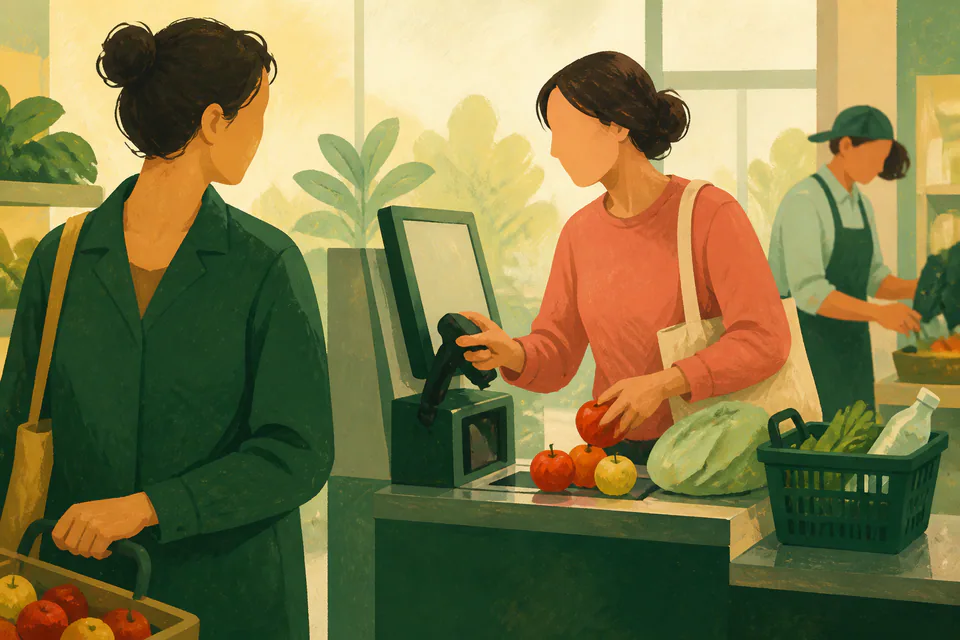
A stranger rings up fancy apples as the cheap kind. Do you mind your own business?
At self-checkout, the shopper beside you labels expensive organic apples as the cheapest variety. An employee is distracted nearby. The difference is only a few dollars, the store is a huge chain, and the shopper notices that you noticed.
When does witnessing a small cheat make it any of your business?