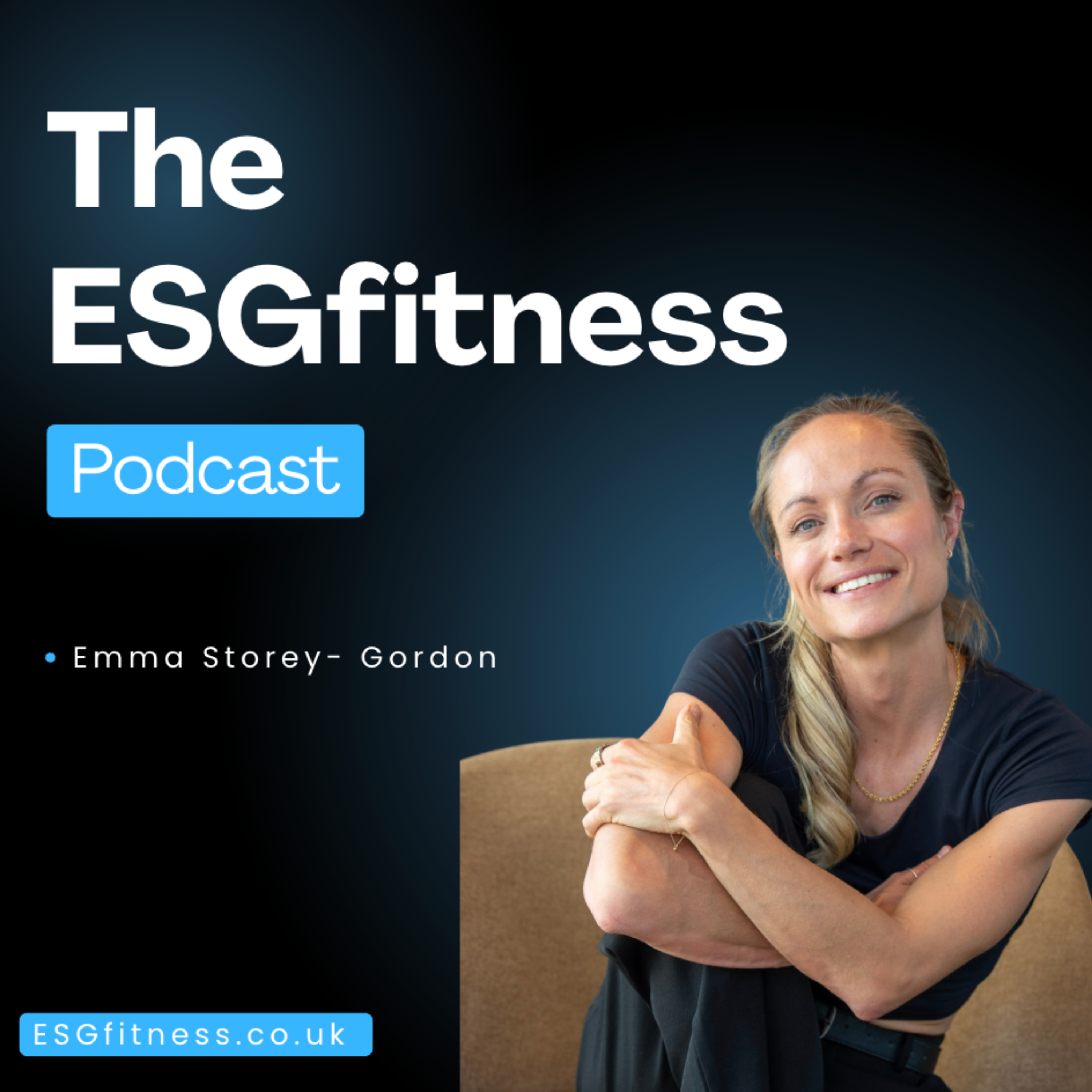
Ep. 928 - Q&A - How to view 'slip ups', adapting to darker days, where to find supplement research
30 min
Listen through the publisher, then discuss the episode here or arrange an in-person Roundtable. Your city determines where to meet.
Roundtables are designed for groups of four, with a shared subject and room for everyone to speak. Come for discussion, with no dating expectation.
Apply for coaching here (https://esgfitness.co.uk/) Emma recommends Examine.com for reviewing supplement research, including study quality and limitations. Creatine has evidence of benefit but is not essential or life-changing; diet alone may not readily saturate creatine stores. Supplement choices should reflect individual needs, such as vitamin D or B12, while improving diet quality where possible. After several days away from routine, focus on what to do today, learn from the experience, and avoid treating food choices as moral failures. Build sustainable results by practicing the lifestyle you want now, rather than waiting for a future dieting phase. Hailey suggests adapting routines to darker, colder months by planning enjoyable meals, movement, and time outdoors. Maddie connects action to personal values and recommends making healthy behaviors more enjoyable and social. The panel advises checking whether environment and practical barriers, such as late work and limited food options, are driving unwanted choices. Emma argues that addressing underlying stressors with a concrete plan can help more than relying only on coping strategies. The coaches encourage flexible green, amber, and red-day expectations and asking how you want to feel by the end of the day.
Episode information is provided by the publisher. Listening takes place on the publisher’s service.
Glycine is an amino acid that helps build collagen and is involved in regulating inflammation, and researchers are exploring its role in healthy aging, yet your body may produce less of it as you get older Modern diets often lack glycine-rich connective tissues, such as bones, tendons and cartilage, making grass fed beef bone broth, gelatin and collagen-rich cuts of meat valuable additions to your meals Animal studies described by biochemist Joel Brind, Ph.D., found that glycine supplementation extended lifespan in rats and mice by approximately 10% to 15%, although researchers have yet to establish whether it produces similar benefits in humans In a small, three-month placebo-controlled trial of 74 adults with Type 2 diabetes, those given glycine had significantly lower HbA1c and reduced inflammatory markers compared with placebo, although larger studies are needed Research suggests glycine may help your body release heat and lower its core temperature before sleep, while collagen-ric
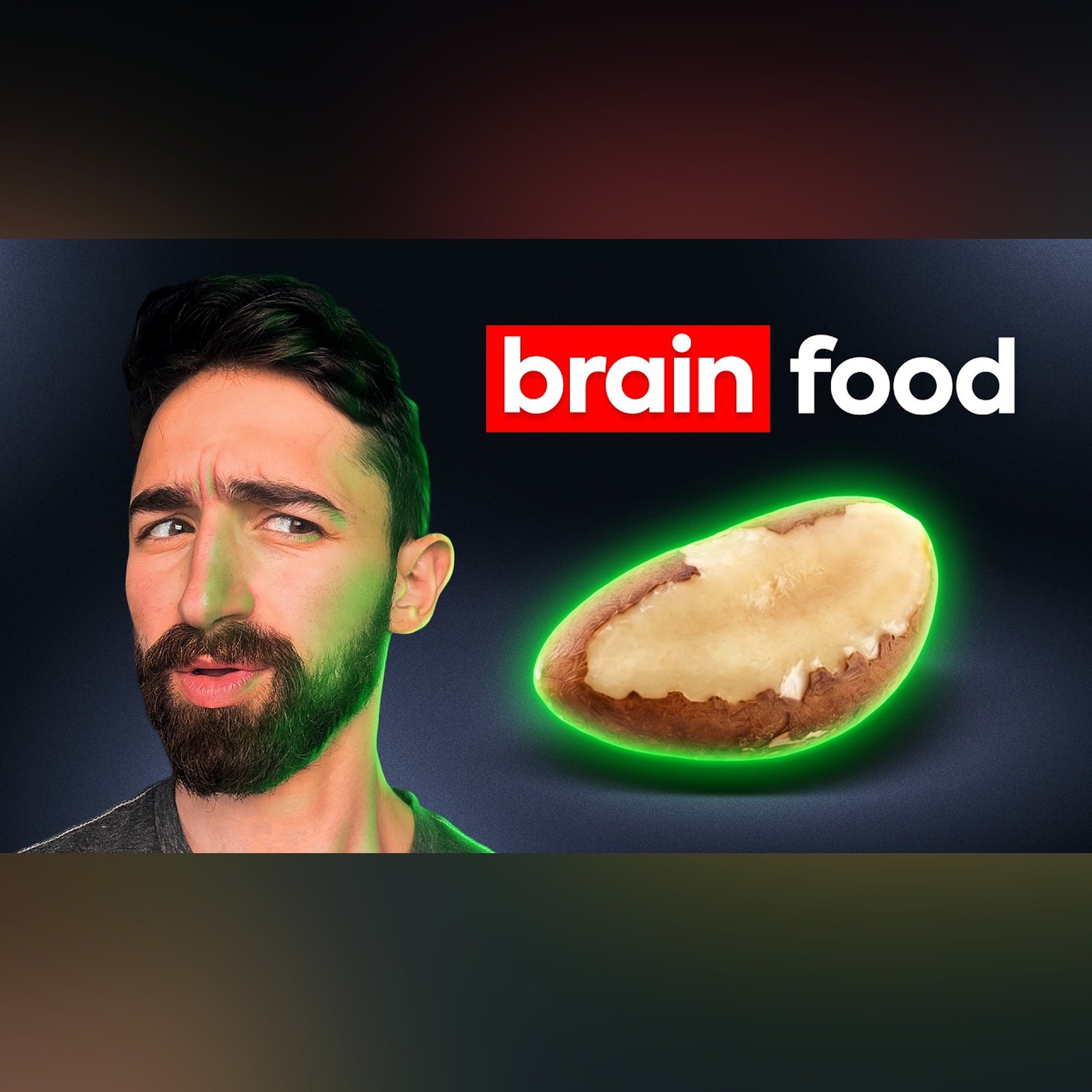
For extra nuances and references see, the associated newsletter: https://open.substack.com/pub/staycuriousmetabolism/p/what-happens-to-your-brain-after?r=40ekz2&utm_campaign=post&utm_medium=web&showWelcomeOnShare=true (https://open.substack.com/pub/staycuriousmetabolism/p/what-happens-to-your-brain-after?r=40ekz2&showWelcomeOnShare=true) Omega-3 Brain Video: https://youtu.be/B-kEn0FukXM If you want to try the Lyso-DHA omega supplement I use, Accentrate Omega Max, here’s the https://www.fenixhealthscience.com/staycurious Lithium Video: https://youtu.be/Hcz0Eyp1LE4 NAD Video: https://youtu.be/-R7sPPQTtco For more, please see the StayCurious Metabolism Brain Health Archive: https://staycuriousmetabolism.substack.com/p/brainhealth What if a single Brazil nut could boost brain health? In this video, we explore the science behind selenium—a element essential for antioxidant defense and neuronal function—and its potential role in supporting neurogenesis and cognitive performance. We break dow
Get the 200+ Page Optimal Living Daily Workbook (PDF) - Free. Want to turn today's episode into an actionable plan? Episode 4233: Kate Galliett explains three reasons we make health, fitness and life harder than they need to be: ignoring how the body works as a connected system, trusting only extreme intensity, and leaking the energy that fuels motivation and discipline. She makes the case that appropriate effort, not maximum effort, is the only sustainable path to lasting results. Read along with the original article(s) here: https://fitforreallife.substack.com/p/why-you-make-everything-harder-than Quotes to ponder: "The better way is to give appropriate effort and get appropriate results. This is the only sustainable way." "If you try and live at the extremes, you will constantly ping-pong back and forth from one extreme to the other." "Just imagine - you might not actually lack discipline after all, you just might be leaking energy that feeds your ability to be disciplined." We spen
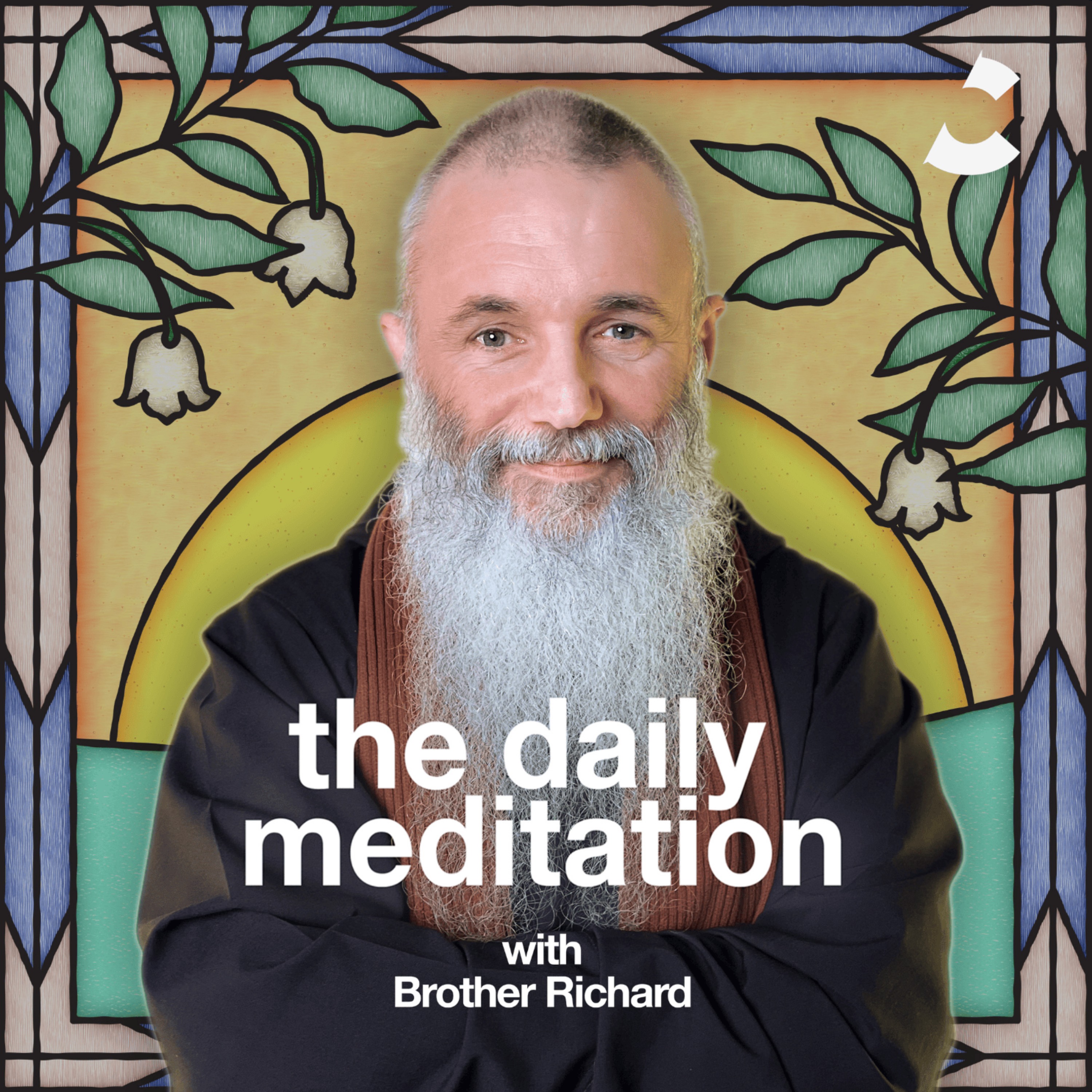
In this meditation, I invite you to reflect on the changing light of autumn as we move towards the darker days of winter. As the daylight hours grow shorter, we can sometimes feel that we are losing something. Yet the contemplative life invites us to receive each season as it is, discovering beauty and sacredness in the present moment. Beginning with the breath, we explore the difference between the changing light around us and the unchanging light of divine presence within. From the gentle light of morning to the lamps that illuminate our evenings, every expression of light becomes an invitation to awareness. As we breathe, we allow ourselves to be filled with divine light, offering compassion, peace and prayer to those in need. Chapters: 00:00 – Introduction: Autumn light 01:10 – Entering meditation with intention 01:58 – Relaxing the body and following the breath 02:48 – Returning to the present moment 03:12 – Becoming aware of the light within 03:40 – The gift of divine light 04:10
Today, I’m honored to connect with Dr. Troy Badger. He is a board-certified cardiologist and interventionalist and the founder of Cardiostrong, a concierge preventive cardiology clinic in Provo, Utah, focused on reducing cardiovascular risk, optimizing metabolic health, and improving strength and cardiorespiratory fitness for executives and athletes. In today’s conversation, we discuss Dr. Badger’s gender- and age-specific approach to heart health, including treatment differences for men and women, and diagnoses such as INOCA, SCAD, vasospastic disease, and Takotsubo. We examine emotions and their influence on heart health, coronary ischemia and cardiomyopathies, labs and diagnostics, how Dr. Badger assesses risk in his patients, and the differences between a CAC and a CCTA. Dr. Badger also shares the labs he finds essential for all patients and discusses the role of VO2 Max, cardiovascular training, and lifestyle—specifically nutrition, the use of GLP-1 drugs, and a multidisciplinary
Is your body weight stable, but you're still not eating enough to properly fuel your training, recovery, and overall health? Introducing Why Stable Weight Doesn't Always Mean You're Eating Enough from Jeff Hoehn of the Mind Muscle Connection Podcast (https://www.buzzsprout.com/1508401). Just because your weight isn't changing doesn't necessarily mean you're adequately fueled. In this episode, Jeff breaks down why maintaining a stable body weight doesn't always mean you're meeting your body's energy needs, especially if you're training hard, staying lean, or spending long periods dieting. You'll learn: Why stable body weight doesn't automatically mean adequate energy availability Who is most at risk of underfueling, even when their weight isn't changing How high training output, staying too lean, and chronic dieting can contribute to low energy availability The potential signs of underfueling, including changes in performance, recovery, hormones, and menstrual health Why spending too lo
If you want to work with a coach who understands metabolism and won’t try and sell you supplements you don’t need and complicated protocols that leave you overwhelmed and confused. Head to esgfitness.co.uk (http://esgfitness.co.uk/) and fill in the application form
Researchers should publish important limitations alongside the main findings.
Share your view, then see how readers voted. No sign-in required. This poll is shared across stories.
Do you agree or disagree?
Common Quandary
A Common Quandary to discuss
Another conversation to explore, separate from this news story.
A pricey AI tutor can turn B students into A students. Should schools let them use it?
An effective AI tutor adapts to each student and dramatically improves performance, but its subscription is expensive. A public school cannot provide it to everyone and worries that allowing its use will deepen existing inequality.
Should access be limited when a beneficial tool cannot yet be shared fairly?