Episode 297: Dr. Carolynn Francavilla | GLP-1s, Food Noise & Sugar Cravings

Listen through the publisher, then discuss the episode here or arrange an in-person Roundtable. Your city determines where to meet.
Roundtables are designed for groups of four, with a shared subject and room for everyone to speak. Come for discussion, with no dating expectation.
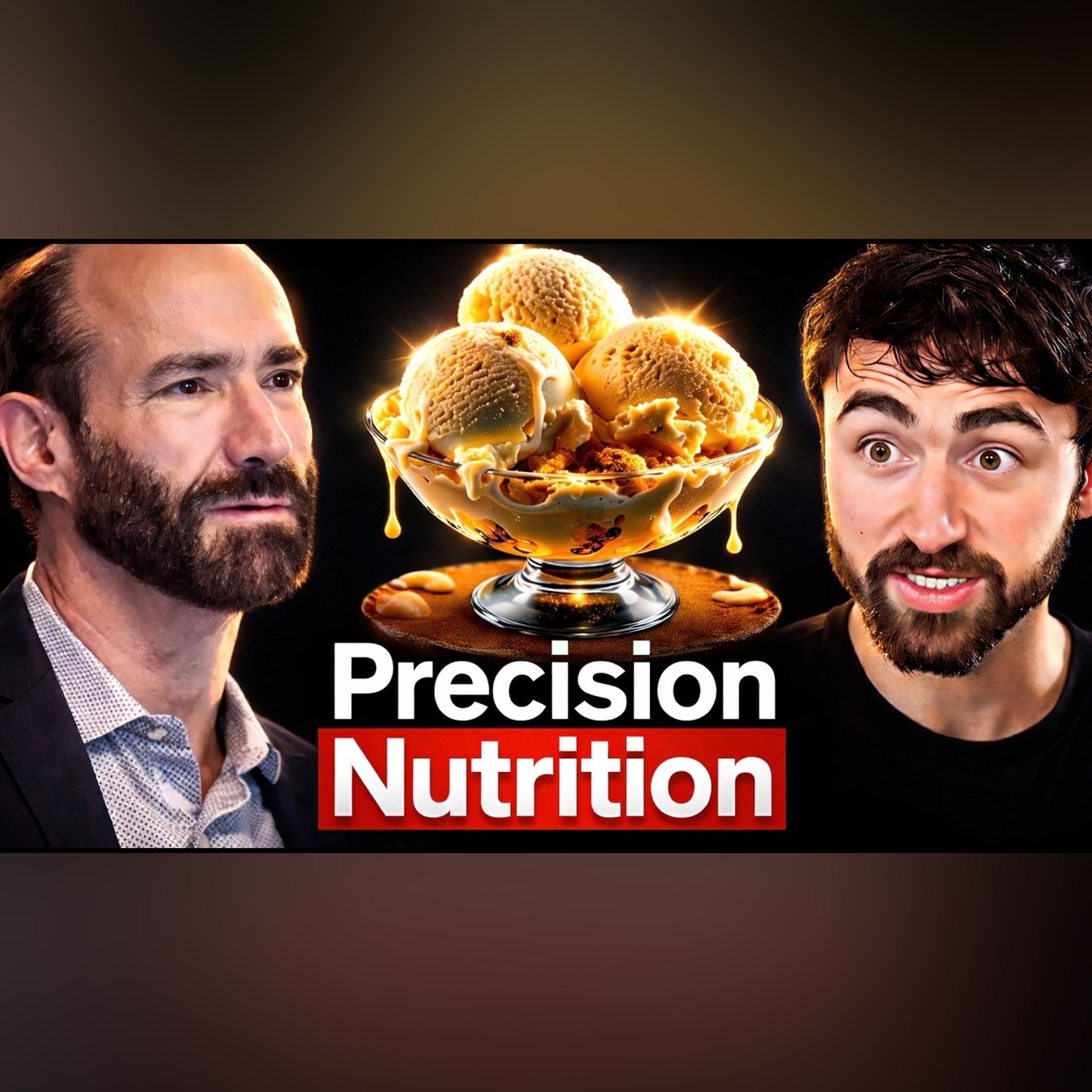
Why do some people on GLP-1 medications lose their cravings for ultra-processed food almost overnight, while others still battle sugar? In Episode 297 of the Food Junkies Podcast, Dr. Vera Tarman talks with obesity medicine specialist Dr. Carolynn Francavilla about what GLP-1s can and can't do for people who struggle with food addiction. Dr. Francavilla is a board-certified family physician, the 2025 Obesity Medicine Association Clinician of the Year, and founder of Green Mountain Partners for Health in Colorado. She trains fellow physicians through her program Help Your Patients Lose Weight, hosts The Dr. Francavilla Show, and created GLP-1 Strong, a home strength-training program designed to help patients preserve muscle while using weight-loss medications. IN THIS EPISODE: • What "food noise" is, why the term came from patients, and how it differs from cravings • Why lifelong dieting and restriction may amplify food noise • Why some people keep reaching for sugar, soda, and snacks on a GLP-1 even when they aren't hungry • Wanting vs. liking: how GLP-1s may interact with the brain's reward pathway • Anhedonia and the "flattening" some patients report • Why people with type 2 diabetes often lose less weight on these medications • Long-term effectiveness: tolerance, durability, and how food noise changes over time • How Wegovy and Zepbound differ in their effect on food noise and appetite • Protecting muscle: protein minimums, walking, and resistance training • Microdosing, tapering, and what happens when people stop a GLP-1 • Dr. Francavilla's view on food and sugar addiction • The one change she'd make to the food industry: getting rid of sweet beverages KEY TAKEAWAYS: • GLP-1s can quiet food noise, but they don't always touch eating that's driven by stress, emotion, or the need for a dopamine boost. • Adequate protein (a minimum of about 60 grams a day) and regular movement are the two main tools for protecting muscle during weight loss. • Most people need to stay on the dose that worked for them to maintain their results. • These medications work best as part of comprehensive care, including nutrition, exercise, and mental health support. They are not "set it and forget it." CONNECT WITH DR. CAROLYNN FRANCAVILLA: Website: drfrancavilla.com (https://www.drfrancavilla.com/) ABOUT THE FOOD JUNKIES PODCAST: Hosted by Dr. Vera Tarman, Clarissa Kennedy, and Molly Painschab, the Food Junkies Podcast explores food addiction, ultra-processed food use disorder, and recovery through conversations with clinicians, researchers, and people with lived experience. CONNECT WITH THE FOOD JUNKIES HOSTS: email: [email protected] Find us on YouTube: https://www.youtube.com/@FoodJunkiesPodcast IFACC 2026: The International Food Addiction Children's Conference Protecting Kids from UPF Addiction Starts Now Ultra-processed food addiction doesn't start in adulthood. Prevention can't wait either. On 14 November 2026 (4 PM UK GMT, online), the International Food Addiction and Children's Conference brings together youth ambassadors, researchers, clinicians, and global experts, featuring UNICEF's Fix My Food youth initiative. What you'll get: Real stories from young people leading change The latest science on UPF addiction and early prevention How global food systems shape children's health Practical steps for families, schools, and professionals Your ticket does double duty: all proceeds support Collaboration for Kids and UNICEF's Fix My Food programme. Parents, educators, clinicians, policymakers, advocates: this one's for you. ️ Get your ticket: https://www.eventbrite.com/e/1991350856016?aff=oddtdtcreator ℹ️ Learn more: https://www.the-chc.org/fas/ifacc-2026 DISCLAIMER: The content of our show is educational only. It does not supplement or supersede your healthcare provider's professional relationship and direction. Always seek the advice of your physician or other qualified mental health providers with any questions you may have regarding a medical condition, substance use disorder, or mental health concern.
Episode information is provided by the publisher. Listening takes place on the publisher’s service.
Listen at the source ↗