Listen through the publisher, then discuss the episode here or arrange an in-person Roundtable. Your city determines where to meet.
Roundtables are designed for groups of four, with a shared subject and room for everyone to speak. Come for discussion, with no dating expectation.
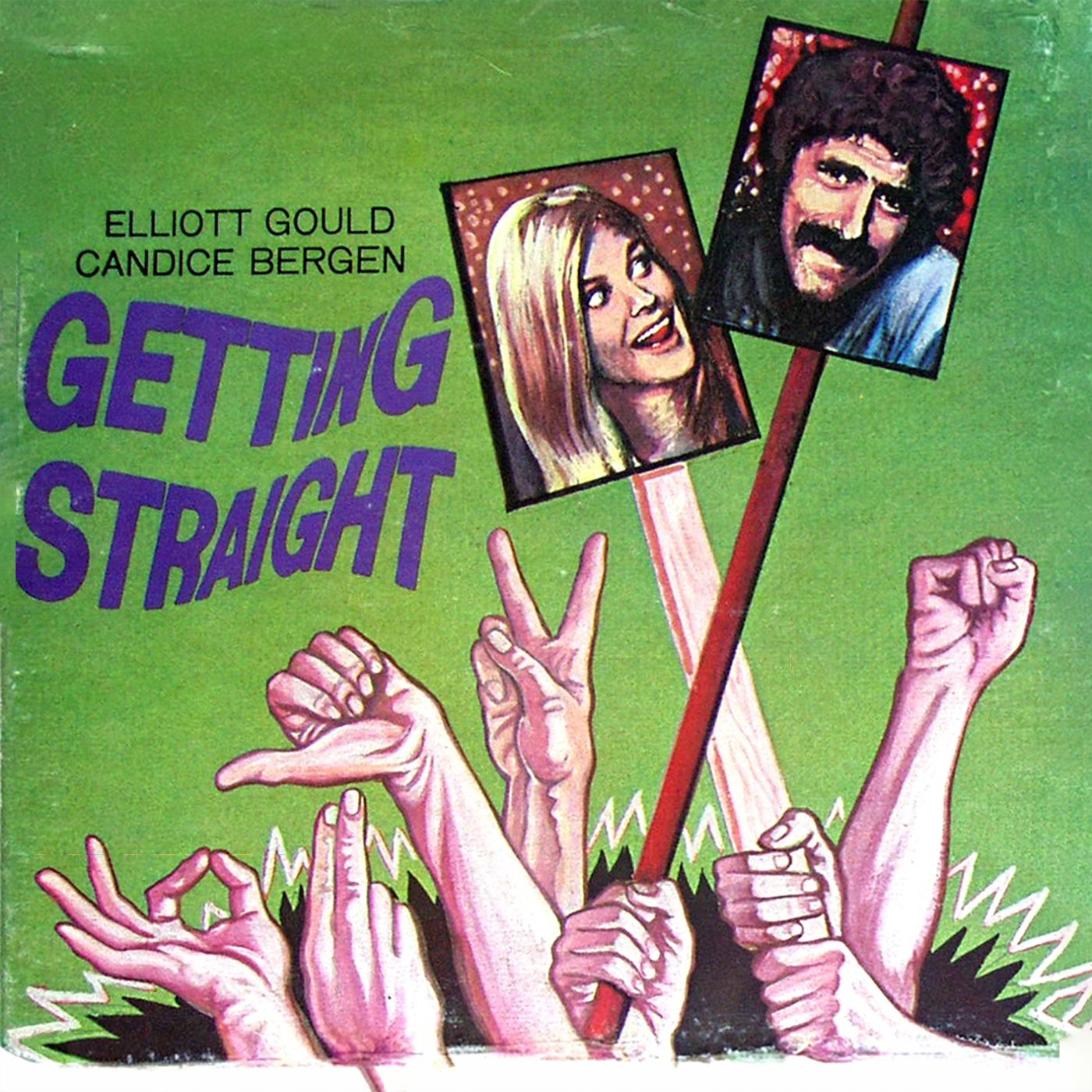
Why did the one campus-protest picture that drew a crowd end up forgotten? Mike White, Andras Jones and Bill Ackerman reopen Getting Straight (1970), Richard Rush's comedy about a Vietnam veteran, played by Elliott Gould, who is trying to finish his teaching degree while the faculty makes it hard and campus unrest makes it harder. Candice Bergen plays his girlfriend, Jan. The panel digs into Gould's all-in performance, Rush's long-lens, rack-focus style on a glass-walled campus, Jeannie Berlin's scenes, and what the film keeps and drops from the novel. They test it against The Graduate (1967) and Five Easy Pieces (1970), and ask whether Hollywood would make political youth films now. Then director Richard Rush joins Mike to talk about winning over Columbia, working with Gould, and shooting in widescreen. Explore more of our shows at http://weirdingwaymedia.com.
Episode information is provided by the publisher. Listening takes place on the publisher’s service.
SEASON 2 - EPISODE 220 Richard Styles - Assistant Director In this episode of the Team Deakins Podcast, we speak with assistant director Richard Styles (28 YEARS LATER, THE CROWN, GOSFORD PARK). Throughout the episode, Richard helps us understand who is responsible for what, within the assistant directing team, from third to first and all the grades in between. Richard also reflects on getting his shot as a third AD on the endless production of ALIEN 3, and we discuss what he learned working as a runner and office PA in England up until then. We later discuss the puzzle of scheduling, and Richard shares his strategies and experiences for not just locking a schedule but also adjusting it as production unfolds. Richard also reflects on how he helps maintain morale on set, and he shares how he adapts to each new director he works with. Richard also shares how he, director Fernando Meirelles (Season 2, Episode 198), and cinematographer César Charlone (Season 2, Episode 174) shot the global
Jared Padalecki joins us to talk about his return to film after 18 years (he’s a TV stalwart!) in Netflix’s action rom-com ‘Guarding Stars,’ starring alongside Leighton Meester and Noah LaLonde. He looks back on his early acting days, from winning a competition to help hand out surfboard trophy at the inaugural Teen Choice Awards to actually winning Teen Choice Awards. Bagging a part on Freaks & Geeks only to be blocked by his parents to getting cast as Dean in ‘Gilmore Girls.’ Of course we have him weigh in on the ultimate question: who was really right for Rory? Plus, he reflects on 15 seasons (and years!) of ‘Supernatural,’ his instant connection with Jensen Ackles, the show's famously meta episodes, and whether the door is ever truly closed on Sam Winchester. He also opens up about the cancellation of ‘Walker,’ his complicated relationship with fame, and how attending Burning Man with Gen Padalecki, his wife and fellow actor-producer-collaborator, changed his perspective on life. (
With his Cannes-winning movie HOLY SPIDER, writer/director Ali Abbasi experienced the complexities and dangers of trying to make movies in repressive Iran… but he also says “the most challenging thing I’ve ever done” was making his Oscar-nominated THE APPRENTICE, about a young Donald J. Trump. Abbasi tells host Rico Gagliano about both, and what it was like to navigate two very different kinds of censorship. The MUBI Podcast returns for its 12th season, “Under Pressure.” At a time when artists worldwide are being threatened or stifled by their governments, host Rico Gagliano tells the stories of filmmakers from across history and around the world who have made movies in spite of incredible state pressure to compromise, give in, or give up. From 1970s Turkey to modern-day America, these are alternately wild, sobering, controversial, and inspiring tales of art by any means necessary. HOLY SPIDER (https://mubi.com/en/gb/films/holy-spider) is now streaming on MUBI in the UK, Ireland, Argen
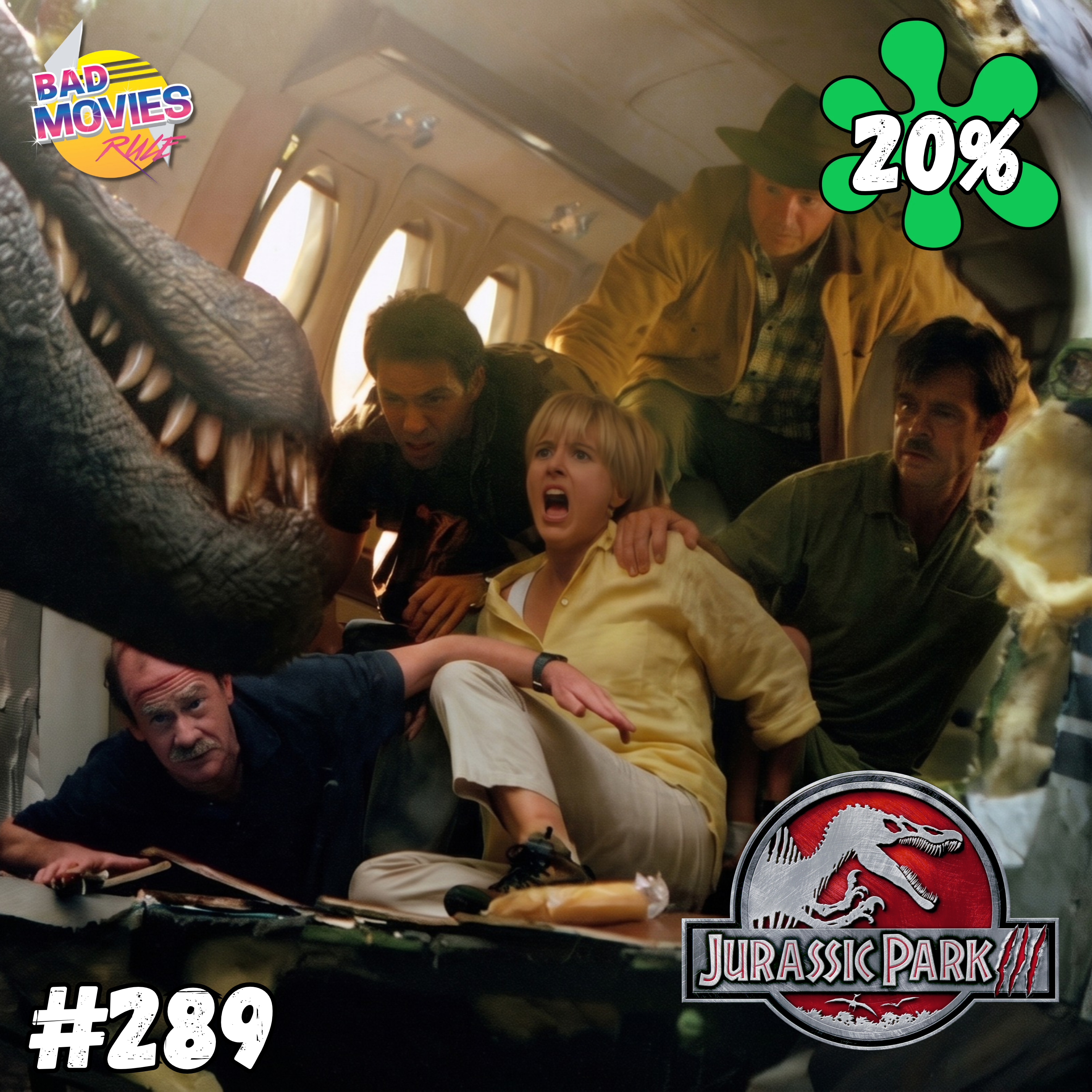
Sam Neill said there was no force on Earth that could get him back on that island. Then William H. Macy and Téa Leoni showed up with a lie and a check. This week Ryan Mattila, Nicole Frier, and Rachel Glassford join James for a full scene-by-scene roast of Jurassic Park III. We cover the parasailing disaster that starts everything, the Spinosaurus introduction, the parents who will do anything, Billy’s very bad idea with the eggs, the aviary, the satellite phone that refuses to die, and every raptor chase in between. Expect the usual BMR chaos: long arguments about whether a blood price should have been paid, multiple people getting personally offended by how quickly the Spinosaurus handled the T-Rex, and deep dives into how a kid ends up with a beaker of dinosaur urine. We also hand out the awards (Will Patton, Trash Can, Bixby Snyder, and the Screaming Eagle) and try to figure out how this one landed a 37% audience score. Support Us: patreon.com/badmoviesrule Email Us: ThisShowIsTras
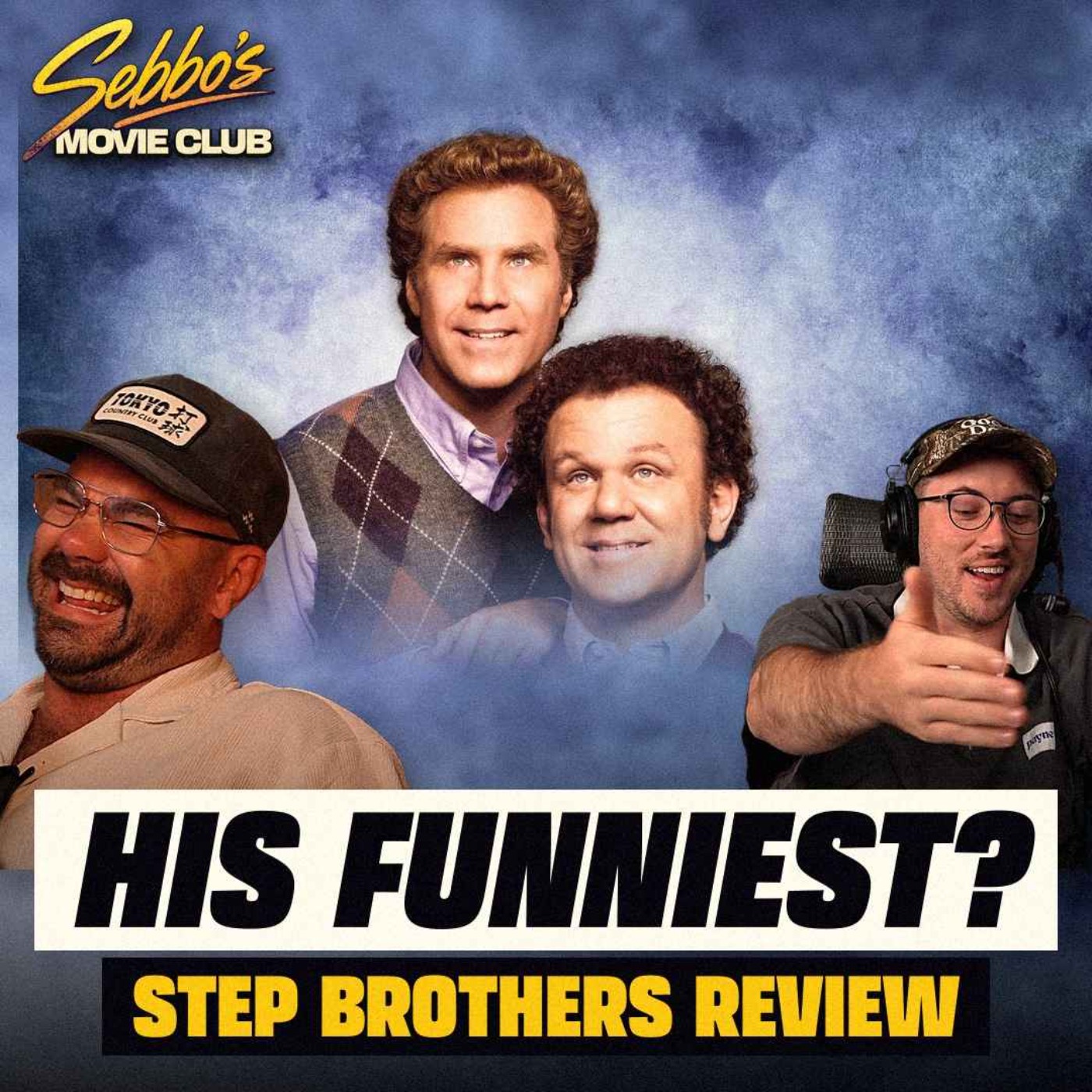
Sebbo and Tobler rewatch Step Brothers and skip the usual scene-by-scene, because there are too many jokes to get through. Instead they lock in their top five scenes and their top ten underrated LOL moments, the throwaway lines and looks you miss the first time. Along the way: why Adam Scott's Derek might be the best thing in it, Kathryn Hahn's full commitment, the laughs-per-minute test, and whether this is the funniest movie of Will Ferrell's seven-year run from Elf to The Other Guys. Next week: the top three shows on every streaming service. 0:00 The line nobody else would pick 1:43 Will Ferrell's funniest movie? 4:39 The opening, the ending and that ska song 6:07 John C. Reilly goes 50/50 6:49 Where Adam Scott came from 9:47 Kathryn Hahn commits 12:36 Laughs per minute 13:58 Quoting it at school 17:42 Derek 20:05 The bonito scene 23:12 Top 5 scenes 26:49 Ten-year-olds in 40-year-old bodies 30:37 The Catalina Wine Mixer 33:59 White dog poo and the couch 35:14 Shark Week 37:12 Top 10
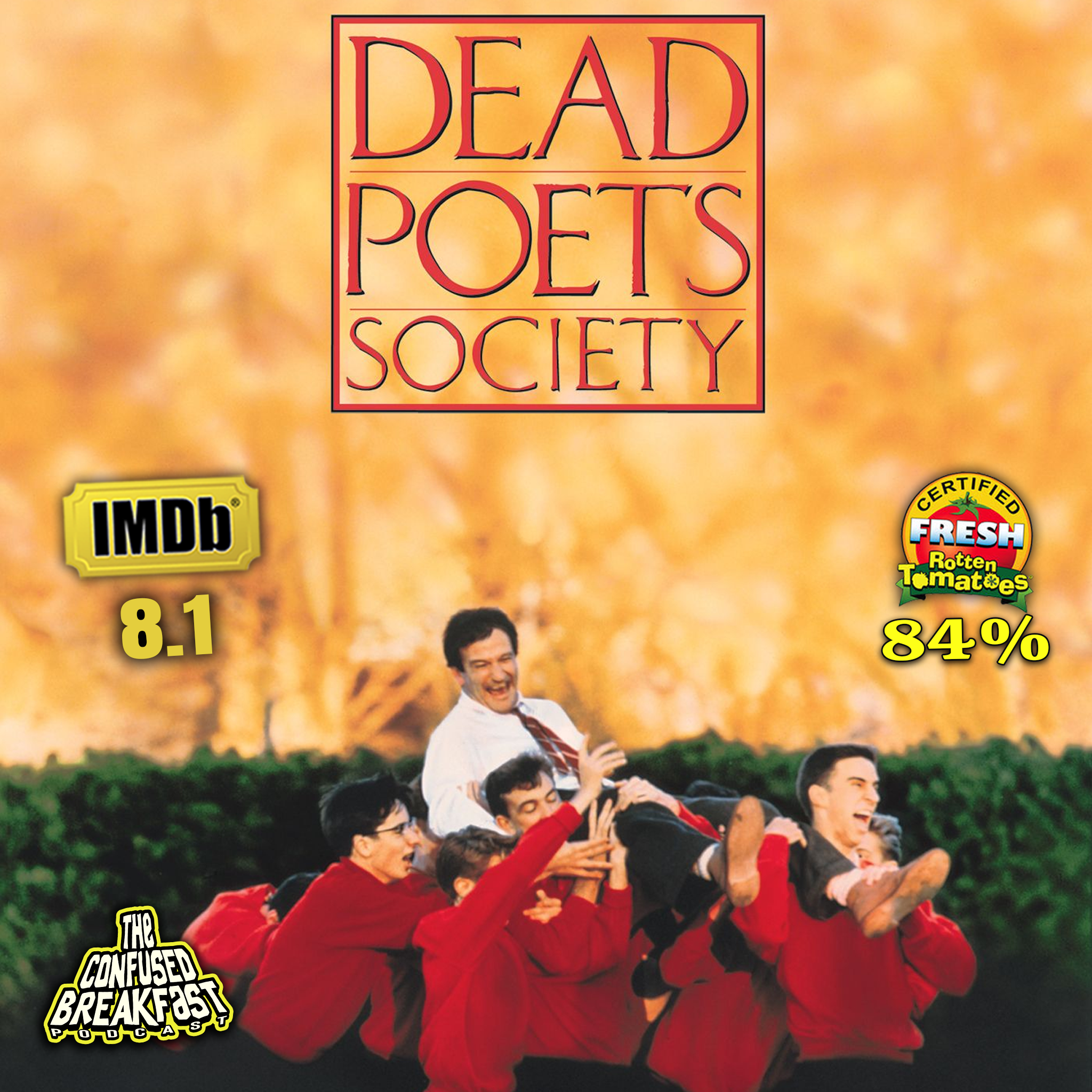
Oh Captain, My Captain! This week we're revisiting 1989's Dead Poets Society, and this heartfelt Robin Williams drama turns into conversations about poetry, questionable parenting, all-boys schools, and an extremely inappropriate discussion about oysters. We break down the unforgettable performances, the power of a great teacher, and why this movie hits a whole lot harder as an adult. We also debate whether John Keating's inspirational teaching methods went too far, why Neil's father might be one of cinema's most frustrating parents, and whether the movie's heartbreaking ending was necessary. Grab your poetry books, climb onto your desks, and prepare to seize the day with us! •0:00:00 - Introductions •0:02:45 - Memories of first viewing •0:06:00 - Pertinent movie details •0:09:15 - Critical and fan reviews •0:14:00- Scene by scene breakdown •1:36:00 - Modern day ratings ———————————————————— SPONSORS- **Ethos- Get your free quote at http://ethos.com/breakfast **PROGRESSIVE- Visit http:/
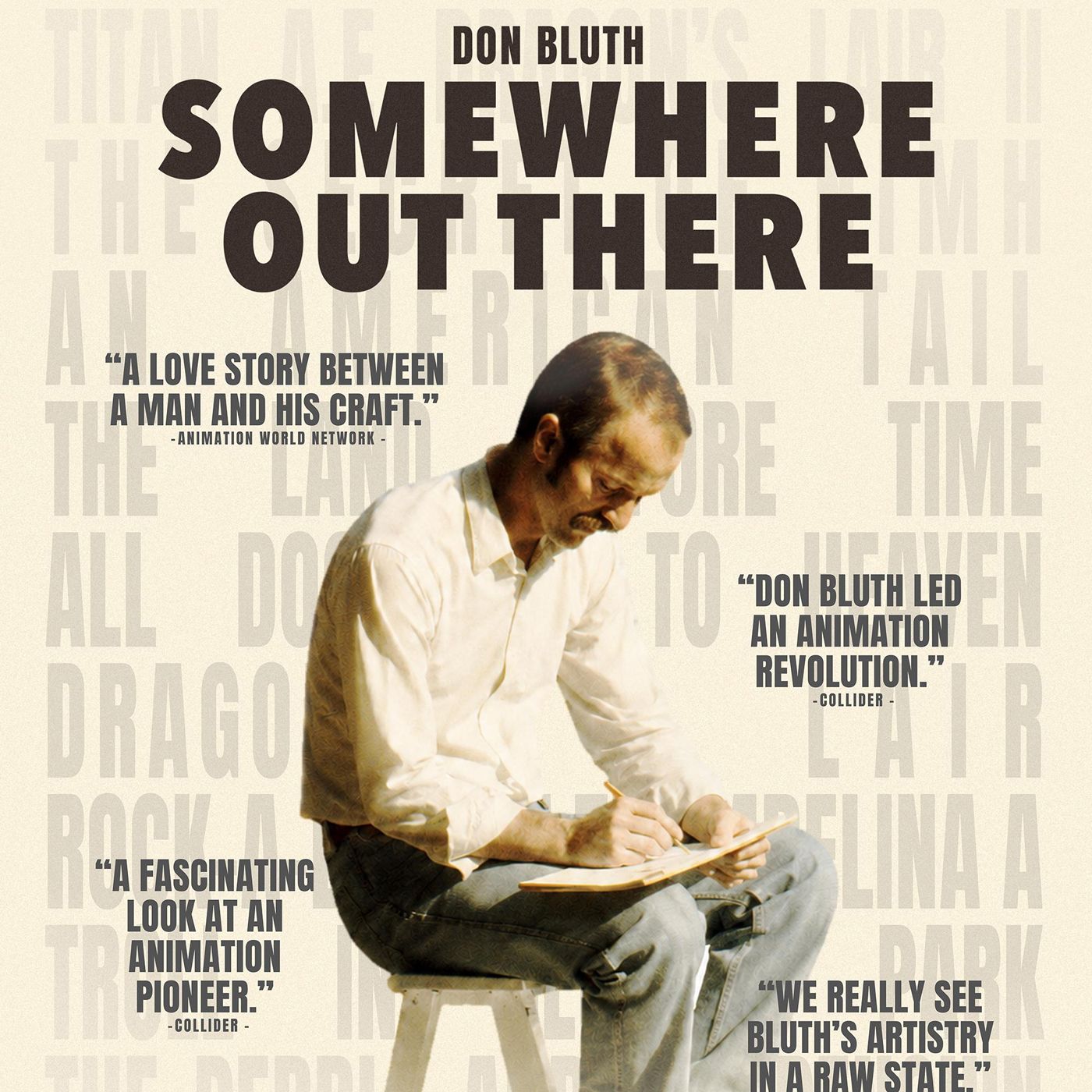
Don Bluth walked out of Disney, his dream job, to save the hand-drawn animation he loved more than anything. Don Bluth: Somewhere Out There (2025), the new documentary from directors Dave LaMattina and Chad N. Walker, lets the animator tell that story himself. Mike talks with both filmmakers ahead of the film's November 20 release on Amazon. LaMattina and Walker met at Blue Sky Studios and made I Am Big Bird: The Caroll Spinney Story (2014) before turning to the man behind The Secret of NIMH (1982), An American Tail (1986), The Land Before Time (1988) and All Dogs Go to Heaven (1989). They recount a first shoot in Arizona where the cameras kept failing, and the Rubbermaid bin in Bluth's house that rescued it: raw film reels of a news piece shot just after Banjo the Woodpile Cat (1979), outtakes and all. That footage set the film's intimate tone and convinced them to drop the talking heads and stay with a single point of view, Bluth's own, as he wrestles with ego and the pull between ar
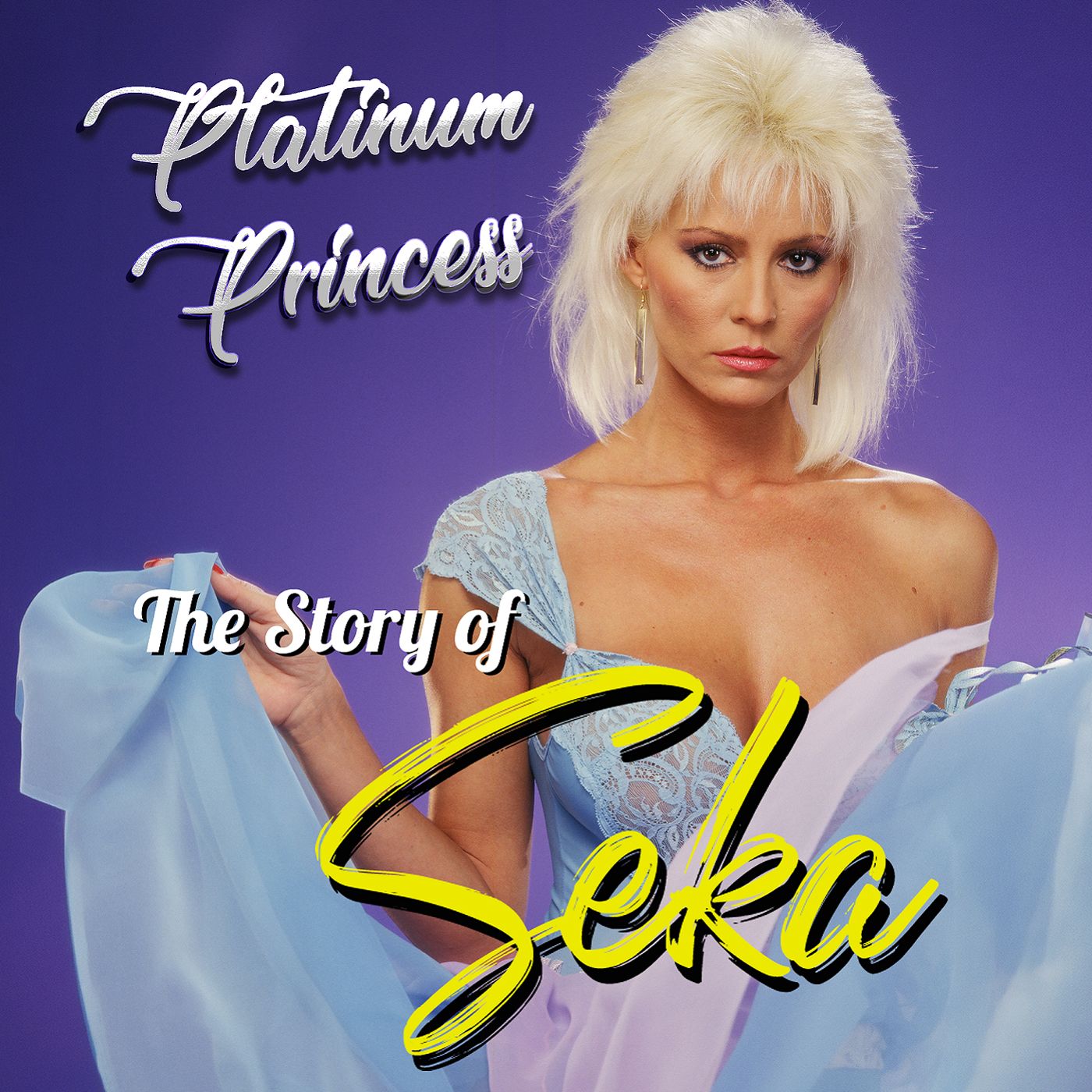
Seka turned blonde by accident in 1971, and the Platinum Princess of Porn has never been precious about the legend since. A Projection Booth Special Report with the woman who made the scarf, the garter belt and the stockings famous, and who admits she hated every one of them. Seka joins Mike White to talk about her autobiography Inside Seka and the documentary Platinum Princess: The Story of Seka (2025), directed by Tony Waters of MindFlex Films, who shot much of it at her Kansas City home. She looks back on her first big feature, Dracula Sucks (1978), and the best advice John Holmes gave her: never work with anybody you don't want to, and never do anything you don't want to. Unfiltered, funny and fiercely unsentimental about her own story. Explore more of our shows at http://weirdingwaymedia.com.
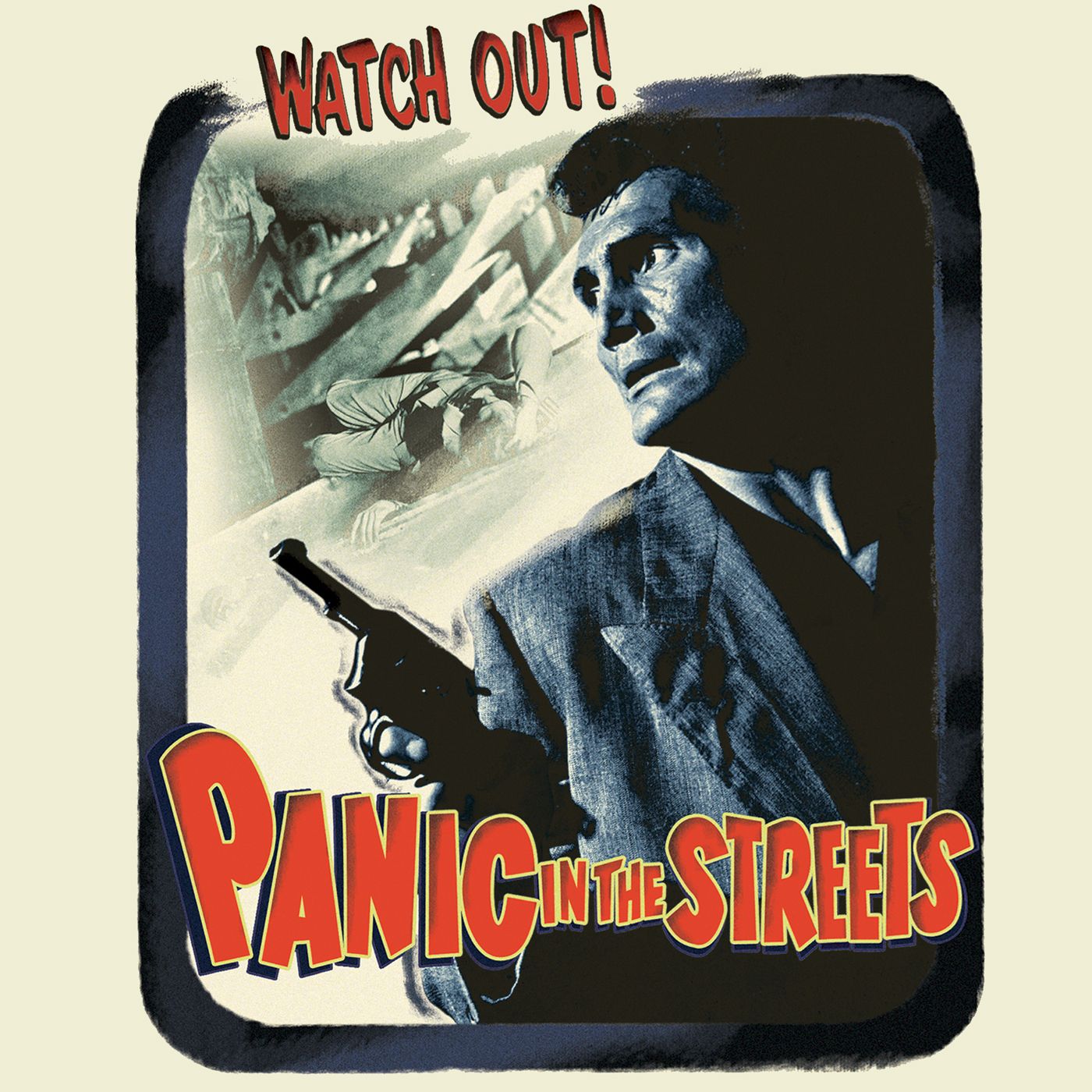
What if the thing loose in a film noir isn't a femme fatale but pneumonic plague? Noirvember 2026 rolls on with Elia Kazan's Panic in the Streets (1950), shot on location in New Orleans. A murdered man turns up in the harbor carrying the disease, and Public Health Service doctor Clinton Road (Richard Widmark) has 48 hours, and one skeptical police captain (Paul Douglas), to find the killers before they spread it. Emily Intravia and Maurice Bursztynski join Mike to argue over whether a daylight procedural with a happy ending counts as noir, and to marvel at Jack Palance, quietly menacing in his first film, alongside Zero Mostel. They dig into Kazan's layered staging, the Oscar-winning story by Edna and Edward Anhalt, the blacklist that soon swallowed Mostel, and Kazan's decision to name names. After six years of pandemic living, the men who balk at the needle, the jailed reporter and the film's uneasy picture of immigrants hit differently. Who decides what the public can handle? Explore
Public spending should prioritize people with the greatest unmet needs.
Share your view, then see how readers voted. No sign-in required. This poll is shared across stories.
Do you agree or disagree?
Common Quandary
A Common Quandary to discuss
Another conversation to explore, separate from this news story.
The touchscreen asks for a 25% tip while the cashier watches. What do you press?
At a counter-service shop, you place your own order, collect it, and clear the table. The payment screen suggests a twenty-five percent tip while an employee watches you choose.
When does a voluntary custom become an unfair social demand?