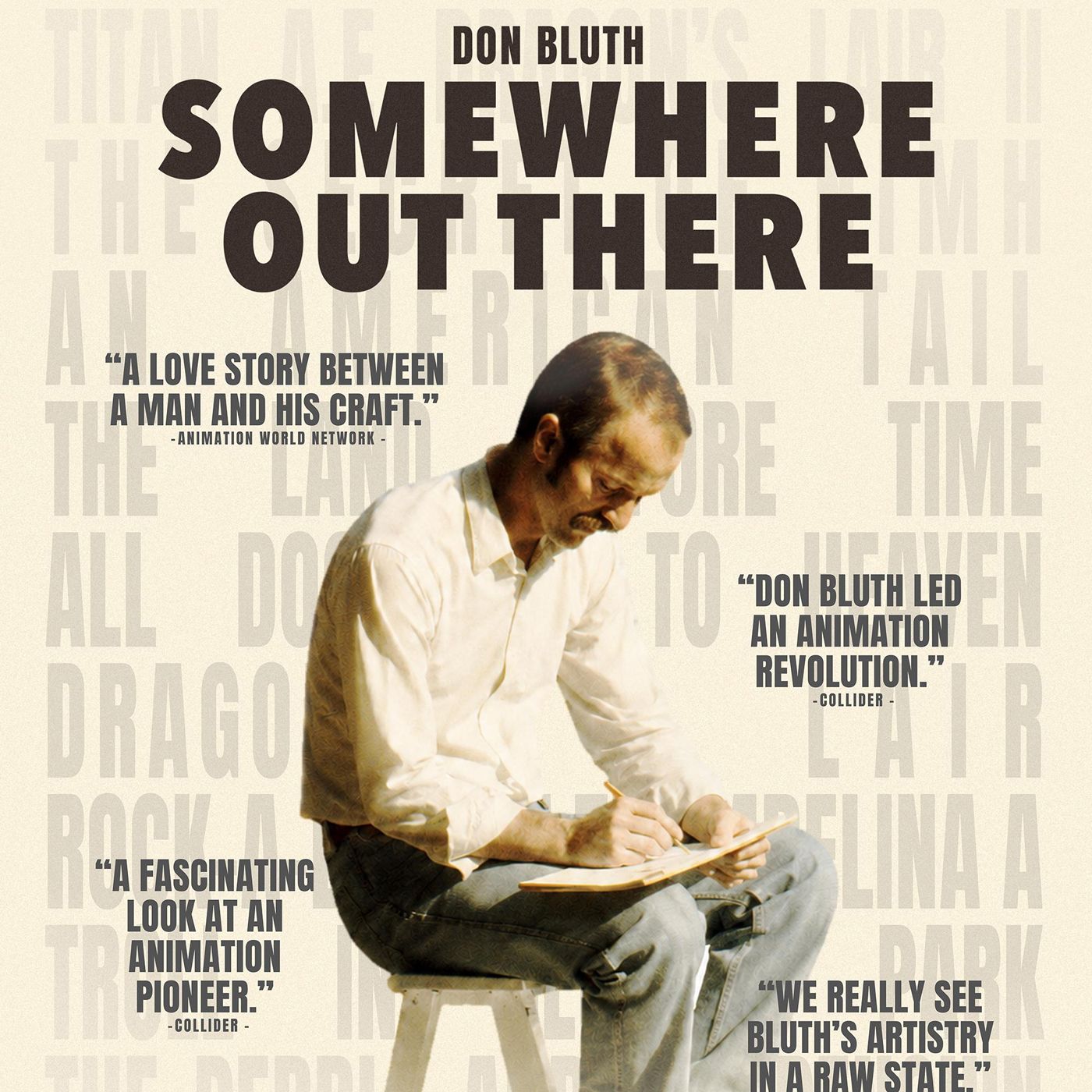
Don Bluth walked out of Disney, his dream job, to save the hand-drawn animation he loved more than anything. Don Bluth: Somewhere Out There (2025), the new documentary from directors Dave LaMattina and Chad N. Walker, lets the animator tell that story himself. Mike talks with both filmmakers ahead of the film's November 20 release on Amazon. LaMattina and Walker met at Blue Sky Studios and made I Am Big Bird: The Caroll Spinney Story (2014) before turning to the man behind The Secret of NIMH (1982), An American Tail (1986), The Land Before Time (1988) and All Dogs Go to Heaven (1989). They recount a first shoot in Arizona where the cameras kept failing, and the Rubbermaid bin in Bluth's house that rescued it: raw film reels of a news piece shot just after Banjo the Woodpile Cat (1979), outtakes and all. That footage set the film's intimate tone and convinced them to drop the talking heads and stay with a single point of view, Bluth's own, as he wrestles with ego and the pull between ar
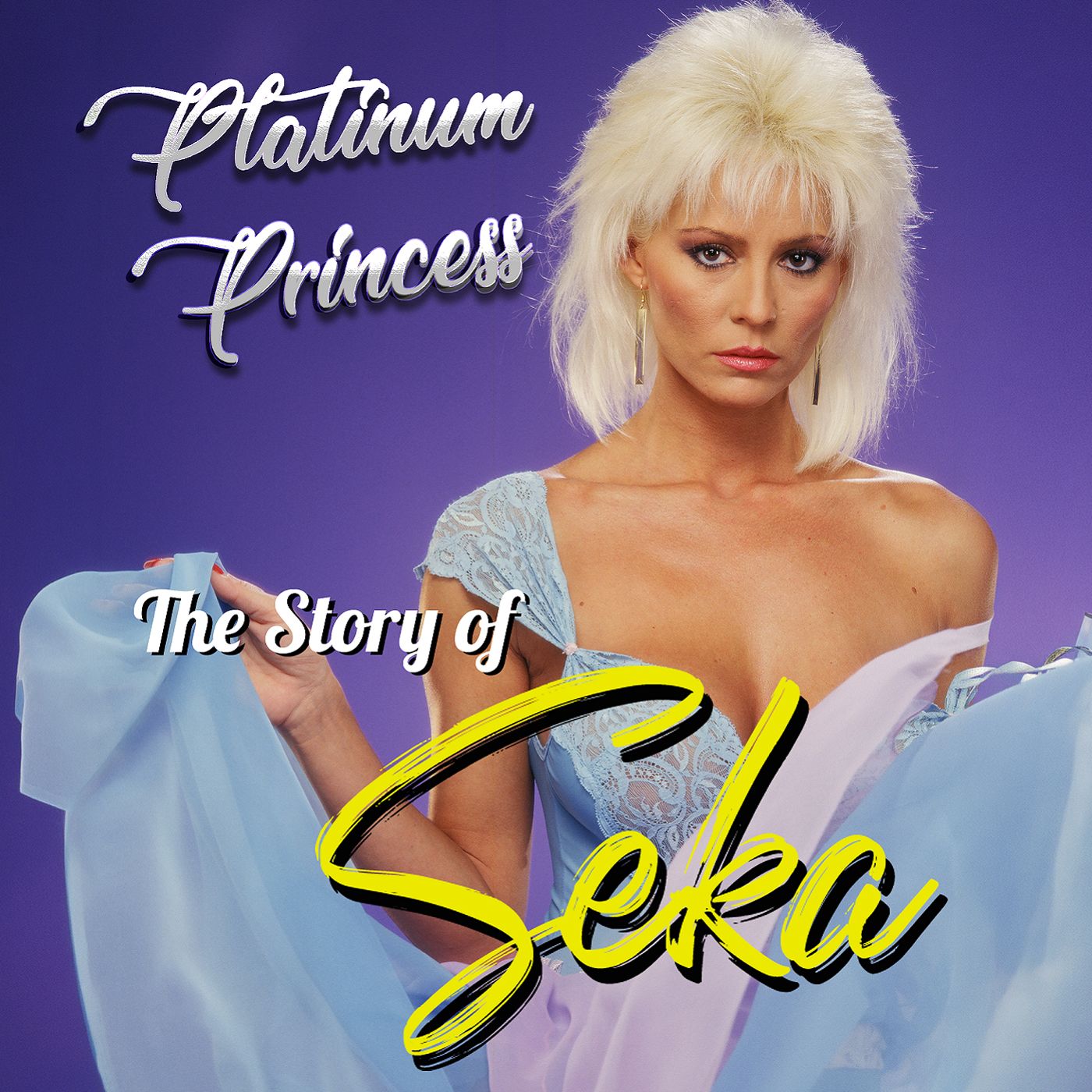
Seka turned blonde by accident in 1971, and the Platinum Princess of Porn has never been precious about the legend since. A Projection Booth Special Report with the woman who made the scarf, the garter belt and the stockings famous, and who admits she hated every one of them. Seka joins Mike White to talk about her autobiography Inside Seka and the documentary Platinum Princess: The Story of Seka (2025), directed by Tony Waters of MindFlex Films, who shot much of it at her Kansas City home. She looks back on her first big feature, Dracula Sucks (1978), and the best advice John Holmes gave her: never work with anybody you don't want to, and never do anything you don't want to. Unfiltered, funny and fiercely unsentimental about her own story. Explore more of our shows at http://weirdingwaymedia.com.
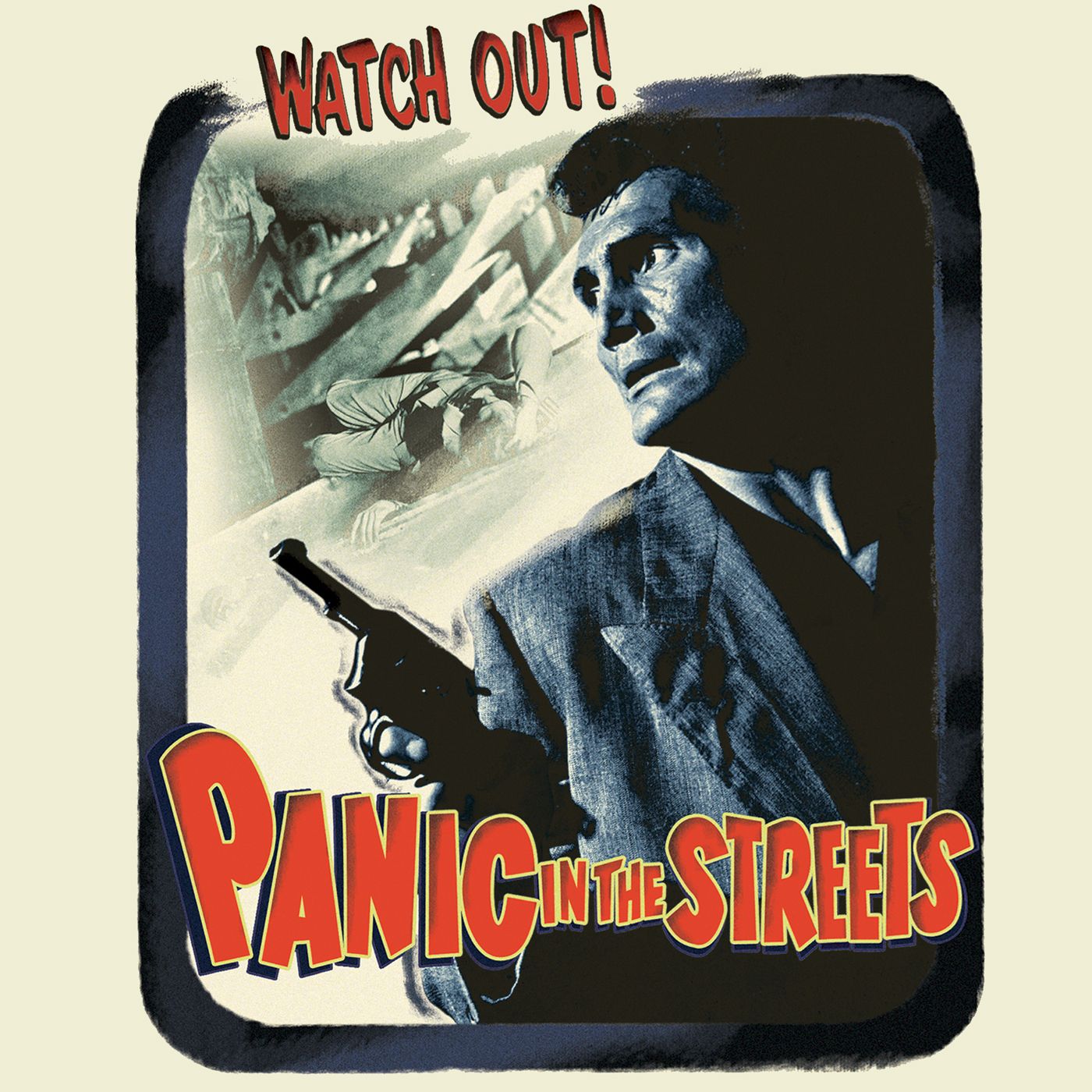
What if the thing loose in a film noir isn't a femme fatale but pneumonic plague? Noirvember 2026 rolls on with Elia Kazan's Panic in the Streets (1950), shot on location in New Orleans. A murdered man turns up in the harbor carrying the disease, and Public Health Service doctor Clinton Road (Richard Widmark) has 48 hours, and one skeptical police captain (Paul Douglas), to find the killers before they spread it. Emily Intravia and Maurice Bursztynski join Mike to argue over whether a daylight procedural with a happy ending counts as noir, and to marvel at Jack Palance, quietly menacing in his first film, alongside Zero Mostel. They dig into Kazan's layered staging, the Oscar-winning story by Edna and Edward Anhalt, the blacklist that soon swallowed Mostel, and Kazan's decision to name names. After six years of pandemic living, the men who balk at the needle, the jailed reporter and the film's uneasy picture of immigrants hit differently. Who decides what the public can handle? Explore
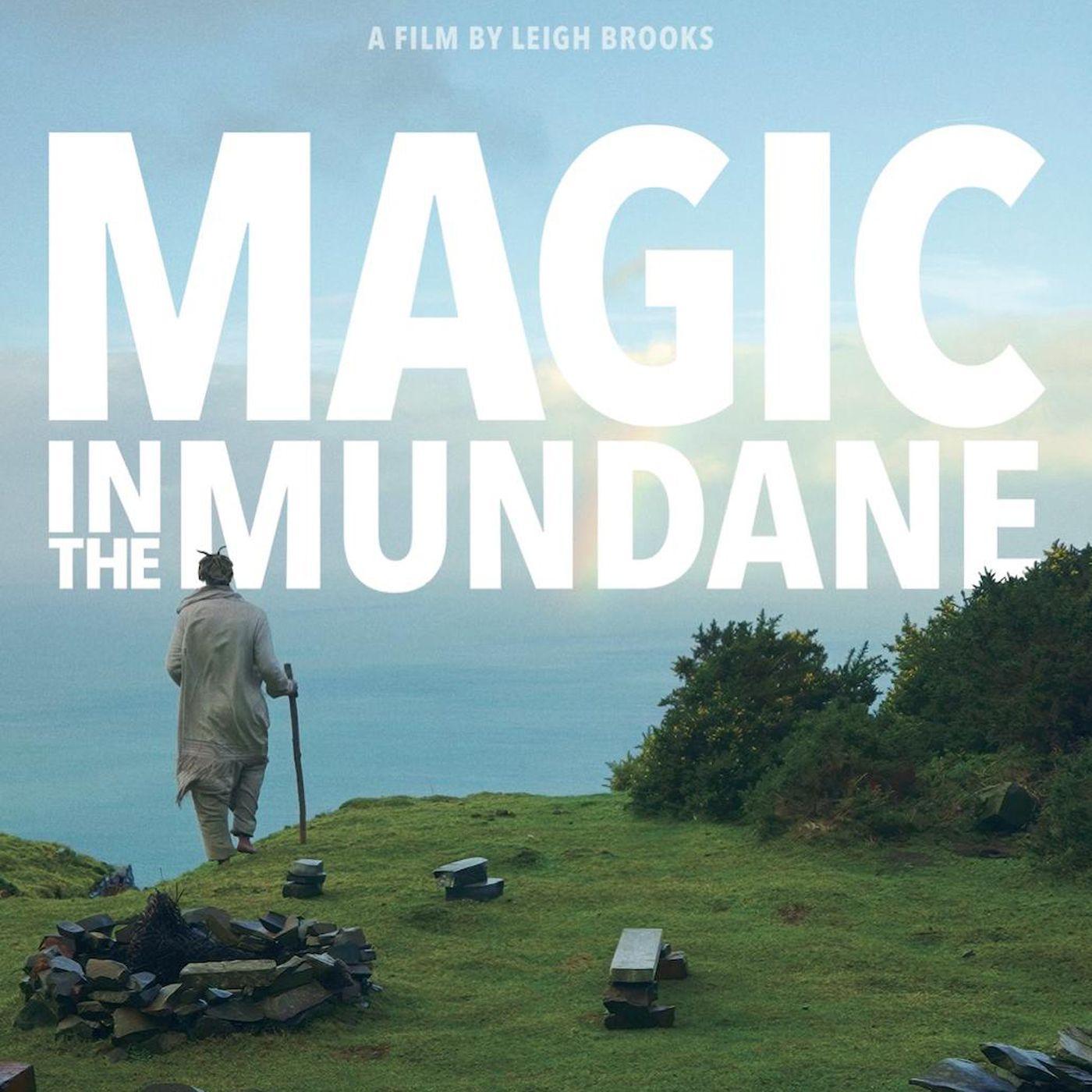
Where does a country keep its magic? After Netflix picked up Hate to Love: Nickelback (2023), British documentarian Leigh Brooks felt done with rock docs and went looking for the answer in England's landscapes, fire festivals and back rooms. The result is Magic in the Mundane (2026), a new independent documentary now on Apple TV. Brooks and his producer and co-writer Adam Carr join Mike to talk about it. Brooks began by following Isla Macleod two days a month through the seasons. Then the coincidences started: mushroom educator Darren Le Baron turned up, and a man whose near-death story Brooks used to fall asleep to was living five streets from Macleod's sister. More than 19 interviews later he had psychedelic guides, death doulas, pagans and a Wellness Punk, and no idea how to structure them. Enter Carr, a former video store owner who printed every transcript and mapped the film's golden threads across a wall of index cards, a method he took from Save the Cat! The two explain why nobo
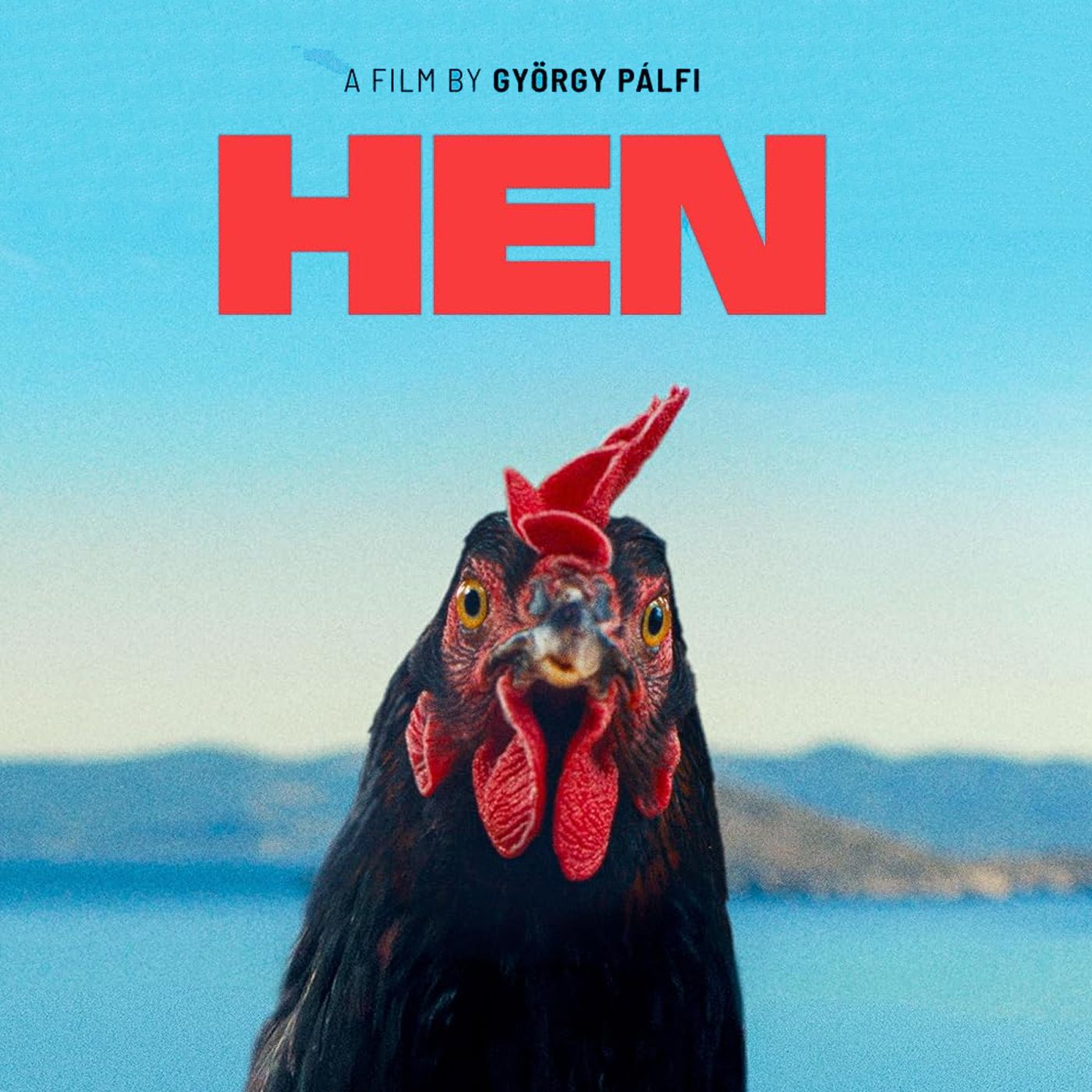
Hungarian filmmaker György Pálfi joins Mike to talk about Hen (2025), his new festival feature, which premiered in the Platform competition at the Toronto International Film Festival. A Leghorn escapes an industrial farm and lands in the coop of a small family-run restaurant tied to a human smuggling operation. Pálfi keeps the camera under her eye line and shoots her like a classical Hollywood star, looking back at what the humans do and why. The conversation runs from the boy in socialist Hungary who saw Star Wars (1977) and had to know how the magic was made, through Taxidermia (2006), Free Fall (2014) and Final Cut: Ladies and Gentlemen (2012), which four out-of-work editors built from 450 classic films over a year and a half. Pálfi also has a script waiting: Monkey, set in India, the second part of a planned trilogy. Will a producer step up? Explore more of our shows at http://weirdingwaymedia.com.
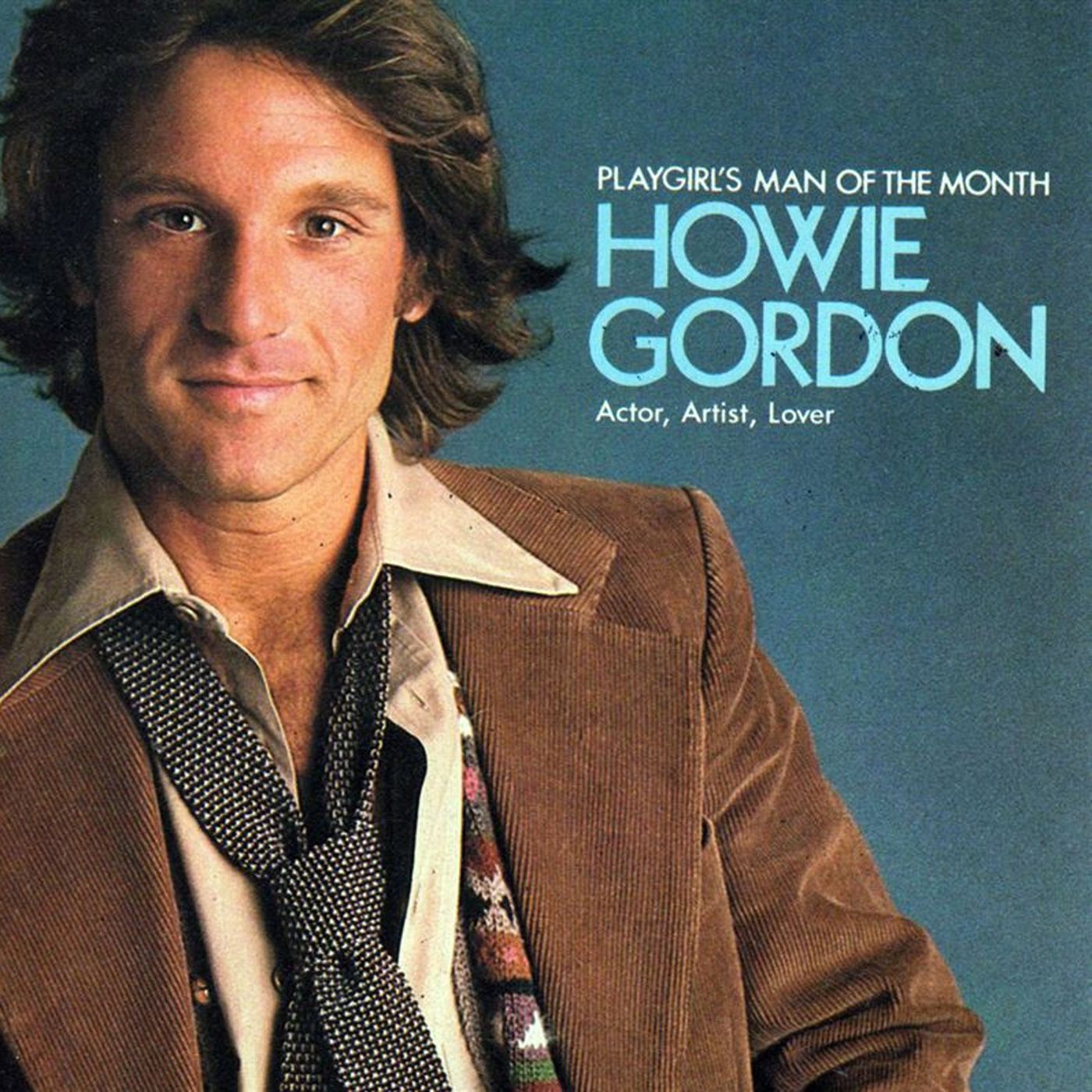
Howie Gordon applied to two seminaries and one porn audition. Neither seminary worked out. Better known as Richard Pacheco, the actor and Playgirl Man of the Year for 1979 talks with Mike about Hindsight: True Love & Mischief in the Golden Age of Porn, the 600-page memoir of a diarist now on volume 220. Gordon starts in Berkeley as a student of the Blake Street Hawkeyes, the experimental troupe Whoopi Goldberg outgrew on her way to Broadway. She wrote the introduction to his book. A casting call meant for his wife put him in Bob Chinn's Candy Stripers (1978). The week before the shoot brought hives and a Valium. The day itself brought several hours of stage fright with the crew waiting. Mack Howard became Dewey Alexander and then Richard Pacheco, a name handed to him on Anthony Spinelli's Talk Dirty to Me (1980). Gordon modeled his character, Lenny, on his uncle Izzy, who died a week before the cameras rolled. He played his crying scene opposite John Leslie's harmonica and the crew app
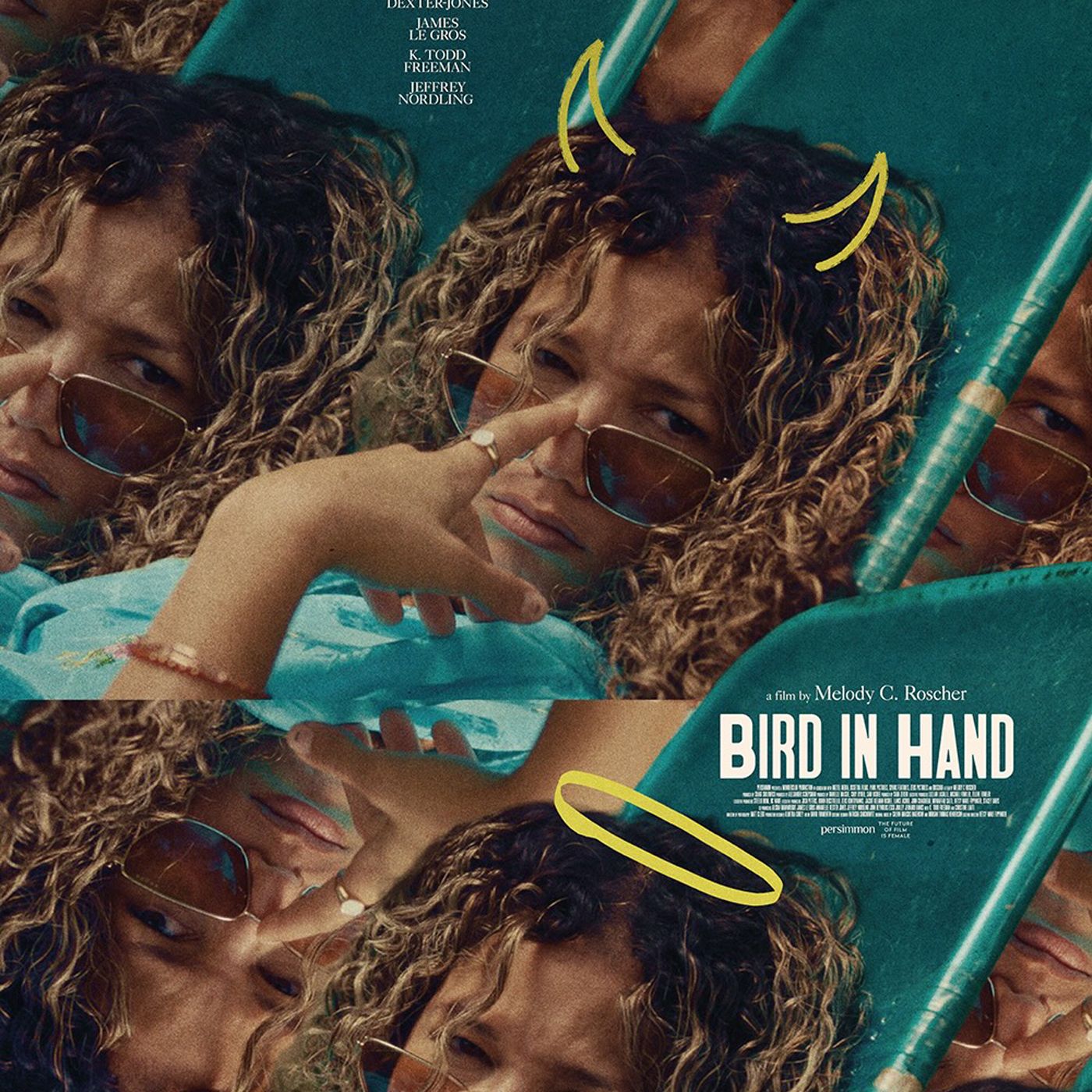
What happens when you hand your worst qualities to a character, turn the volume all the way up and let her take every wrong fork in the road? Writer-director Melody C. Roscher describes Bird Rowe in just those terms, and her feature debut Bird in Hand (2025) follows the fallout. Newly engaged Bird (Alisha Wainwright) heads home to her hippie mother Carlotta (Christine Lahti) to scout wedding venues, but she is really hunting for something else: the father who was never there. Messy, impulsive and usually well-meaning, Bird keeps shooting herself in the foot in a comedy-drama that premiered at the 2025 Tribeca Festival. Roscher tells Mike how years of producing other people's projects, The Jinx (2015) among them, left her jaded enough to shut that door and write a film of her own. She traces the script from a 2018 first draft through White Wedding (2021), the Sundance short built from its original ending, to a full rewrite, and explains how finding a missing cousin on her biological fat
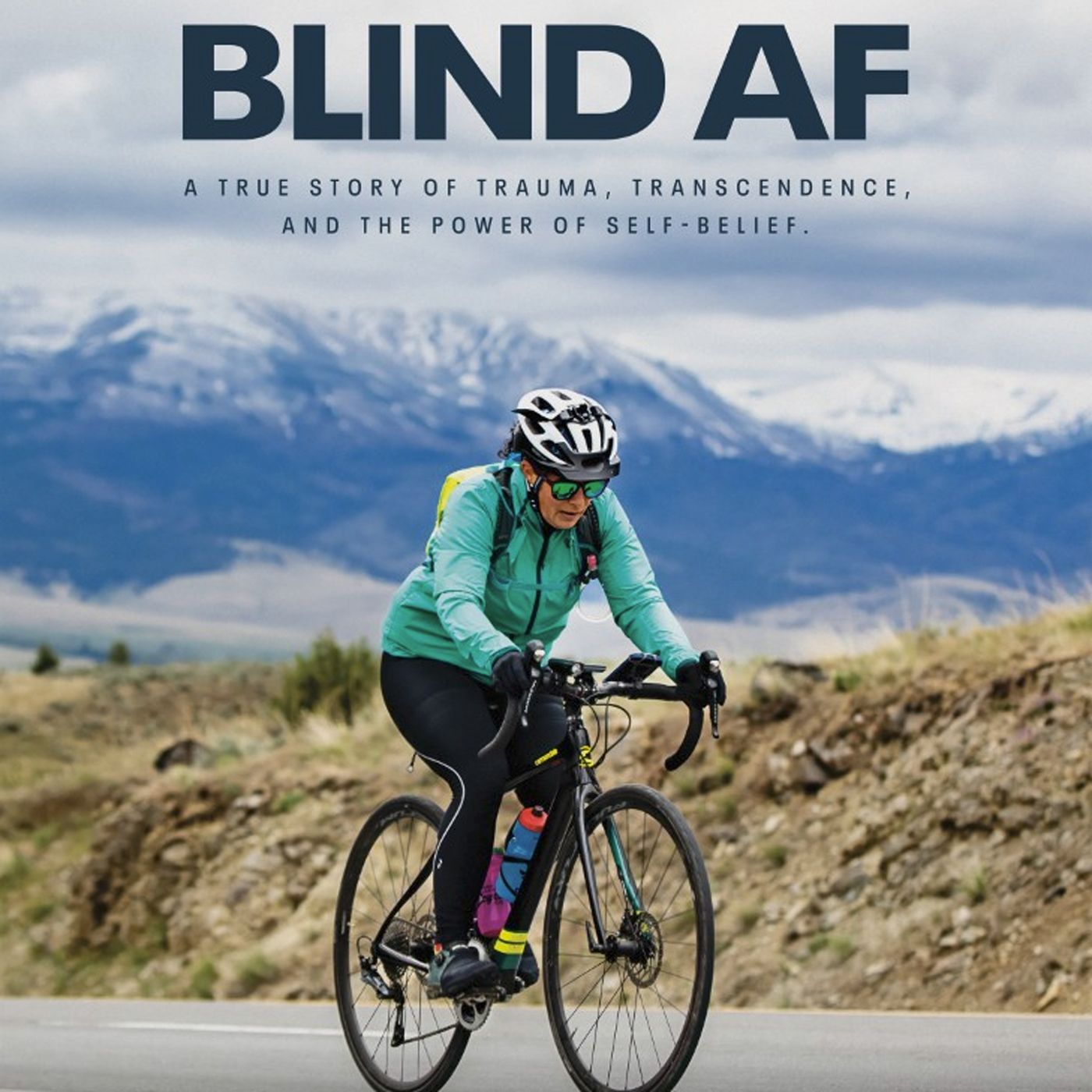
"What are you running from?" People ask Shawn Cheshire that when they see what she takes on. Her answer: nothing. The blind Paralympian and Army veteran faces everything head on, and the punishing miles are where she puts the pain, the sadness and the loss. Photographer Gina LeVay makes her feature debut with Blind AF (2024), which premiered at the Bentonville Film Festival and is now streaming. The documentary follows Cheshire's attempt to become the first blind rider to cross the United States on a single, non-tandem bicycle: 3,600 miles in 60 days, from RV camp to RV camp, ending with a 4 a.m. wake-up for a sunrise shot at Virginia Beach. LeVay and Cheshire join Mike to talk about how a sports story turned into a film about trauma and healing, built on four years of interviews and a trust neither takes lightly. They get into LeVay's refusal to make "inspiration porn," her choice to treat sound as a character, the audio description Cheshire reviewed herself, and the animation that pu
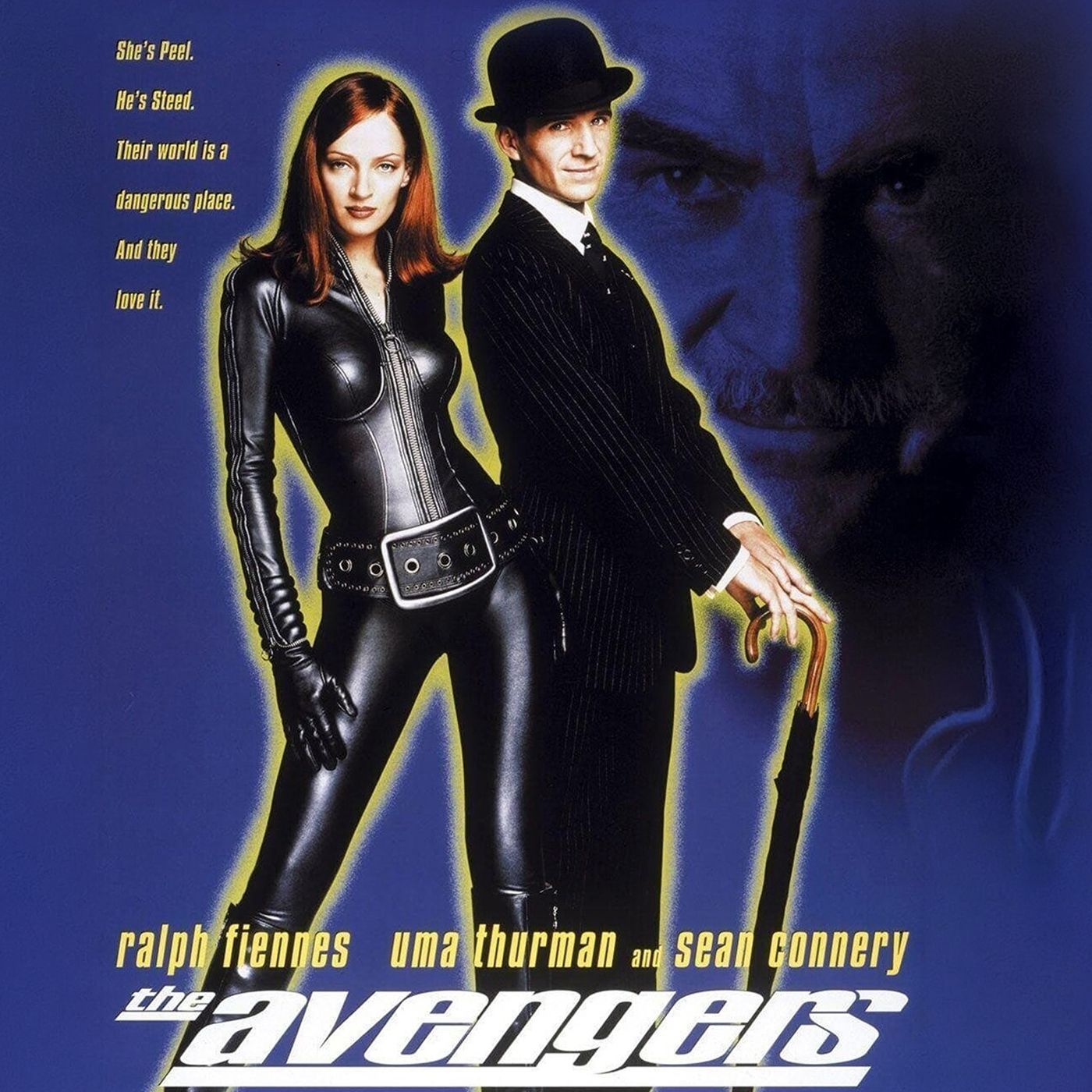
Warner Bros. answered a disastrous test screening by cutting The Avengers (1998) from 115 minutes to 89. The film that survived waits 59 minutes to say what its villain wants. Jeremiah Chechik's adaptation of the 1960s British spy series sends John Steed (Ralph Fiennes) and Emma Peel (Uma Thurman) after Sir August de Wynter (Sean Connery), a weather-controlling aristocrat who conducts business in a bear costume. Chris Stachiw and screenwriter Richard Hatem join Mike to sort out what went wrong: a script that passed from Don Macpherson to Sam Hamm to Nicholas Meyer and back to Macpherson, a discarded plot about Mrs. Peel's husband, and a London with no extras in it. Connery splits the panel. Four people who lived through it disagree about why. Macpherson pitched it as "who killed Mr. Peel?" Meyer was hired to direct and ended up stranded in London. Editor Mick Audsley says "there were no bad guys." Chechik says the studio "cut the heart out of it." Explore more of our shows at http://we
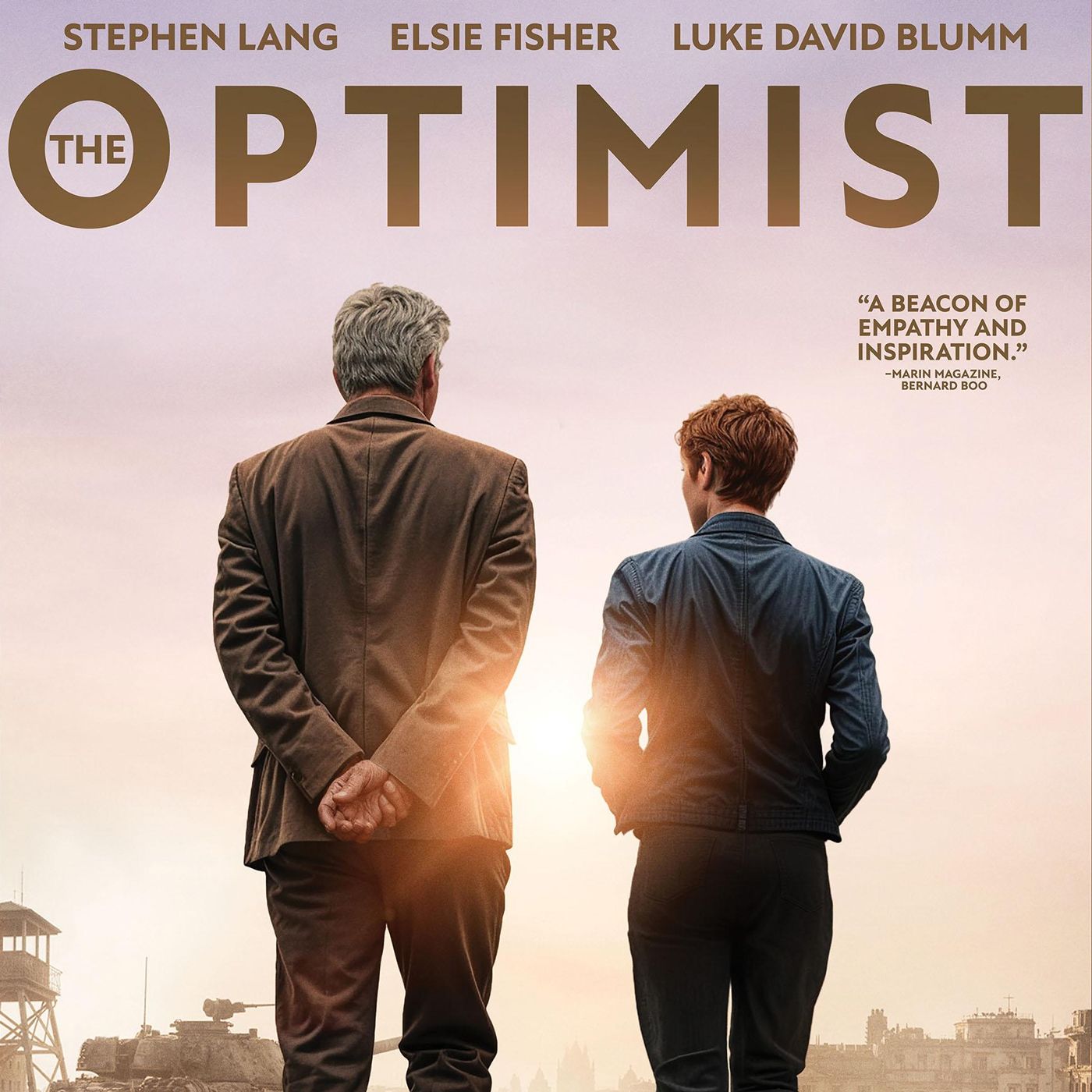
A secret kept for sixty years can weigh as much as the history behind it. The Optimist (2026) tells the true story of Herbert Heller, a Holocaust survivor who stayed silent for six decades about Terezín, Auschwitz and the escape he made as a boy, until a troubled teenager gave him a reason to speak. Mike talks with writer-director Finn Taylor and star Stephen Lang about the new drama, which worked the festival circuit in 2024, played theaters in March and arrives on streaming November 17. Taylor traces the eight or nine years it took: producer Jeanine Thomas, a friend of Heller's, brought him the challenge of holding two stories at once, then flew him to Prague. He visited Auschwitz and Terezín and interviewed Heller and his family for years. The shoot took a crew of hundreds on two continents. Lang, who never met Heller, explains the difference between playing a man he could see and hear in recordings and playing George Pickett, who left none. He set out to absorb Heller, not mimic hi
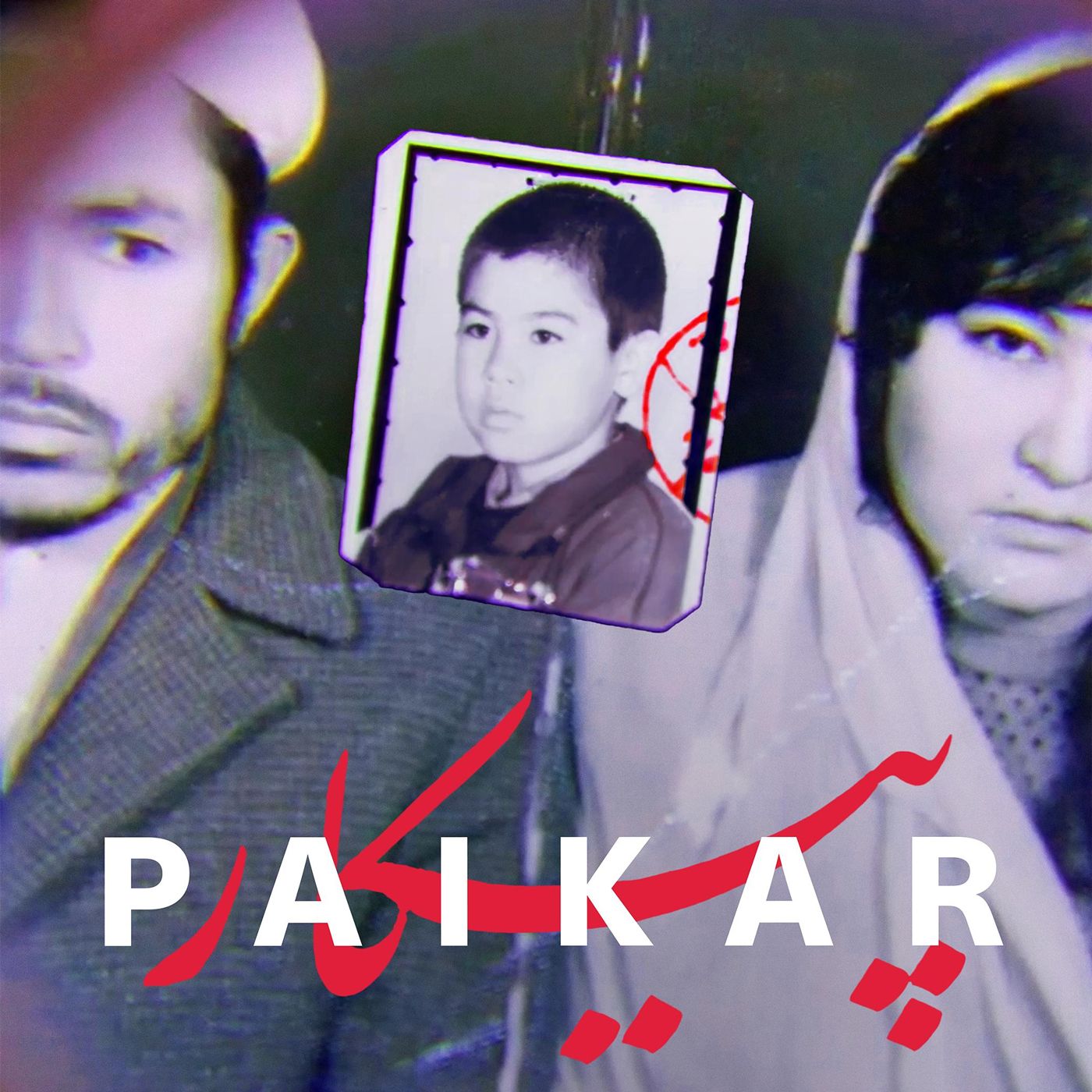
Dawood Hilmandi lives in Amsterdam, a city where an artist can say anything, and still caught himself censoring his own work. Paikar (2026), his first feature, goes looking for the reason: back to Iran and Afghanistan, and to the devout, authoritarian father he was raised never to question. The documentary premiered at IDFA, where it won Best First Feature and the FIPRESCI Award, and it is now the Netherlands' official entry for the International Feature Oscar. Mike talks with Hilmandi about the road from art school and film school in London to Me Montage (2017), the short named for the feeling that someone else had edited his life. He started Paikar in 2018 and shot until 2023 across Iran, Iraq, Afghanistan, Sweden and the Netherlands, dodging quarantines, losing people he had built the film around, and running through sixteen camera operators in Afghanistan alone. A friend told him to stop moving so the world could handle one war at a time. Hilmandi explains why questioning your fami
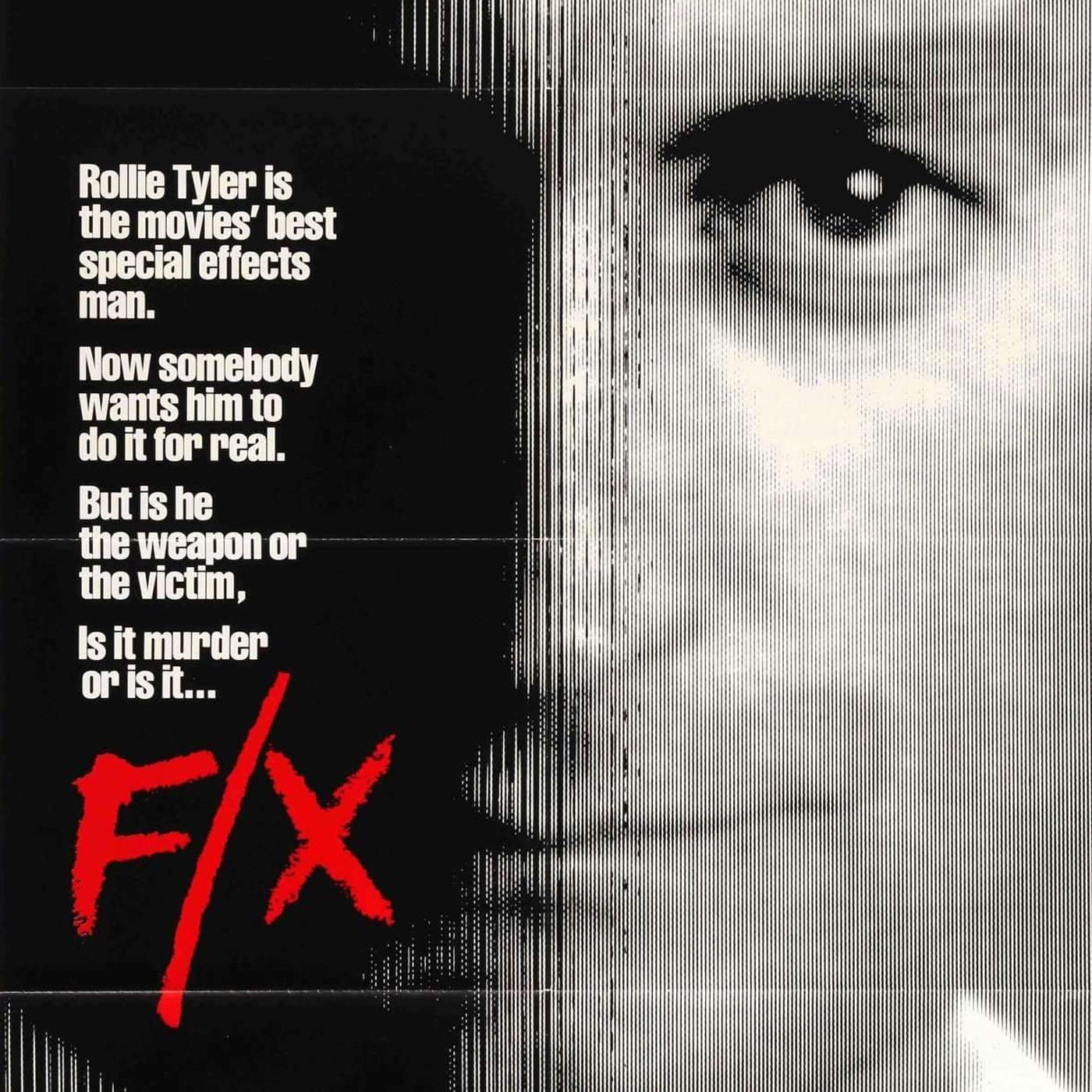
"Cry prettier." That was the note a network sent Diane Venora after a miniseries screen test that left the crew in tears. She said no and went back to her play. Mike talks with Venora about a career built on that nerve. One of six children, she wanted to be a hairdresser, picked a college for its lack of math, got turned down by Juilliard, tended bar in Boston, then putt-putted to a second audition in a friend's VW Bug and landed in a class with Robin Williams and Kelsey Grammer. She won her part in Wolfen (1981) by bringing her four-week-old baby to the audition, and took a lesson from Albert Finney on set: protect your performance. For F/X (1986) she turned a few lines about cats and plants into an actor's frantic pre-audition warm-up, with cinematographer Miroslav Ondříček on her side, then refused to loop over it when test audiences called it overacting. Clint Eastwood, known on his sets for two takes, gave her and Forest Whitaker seven or eight on Bird (1988). Michael Mann kept he
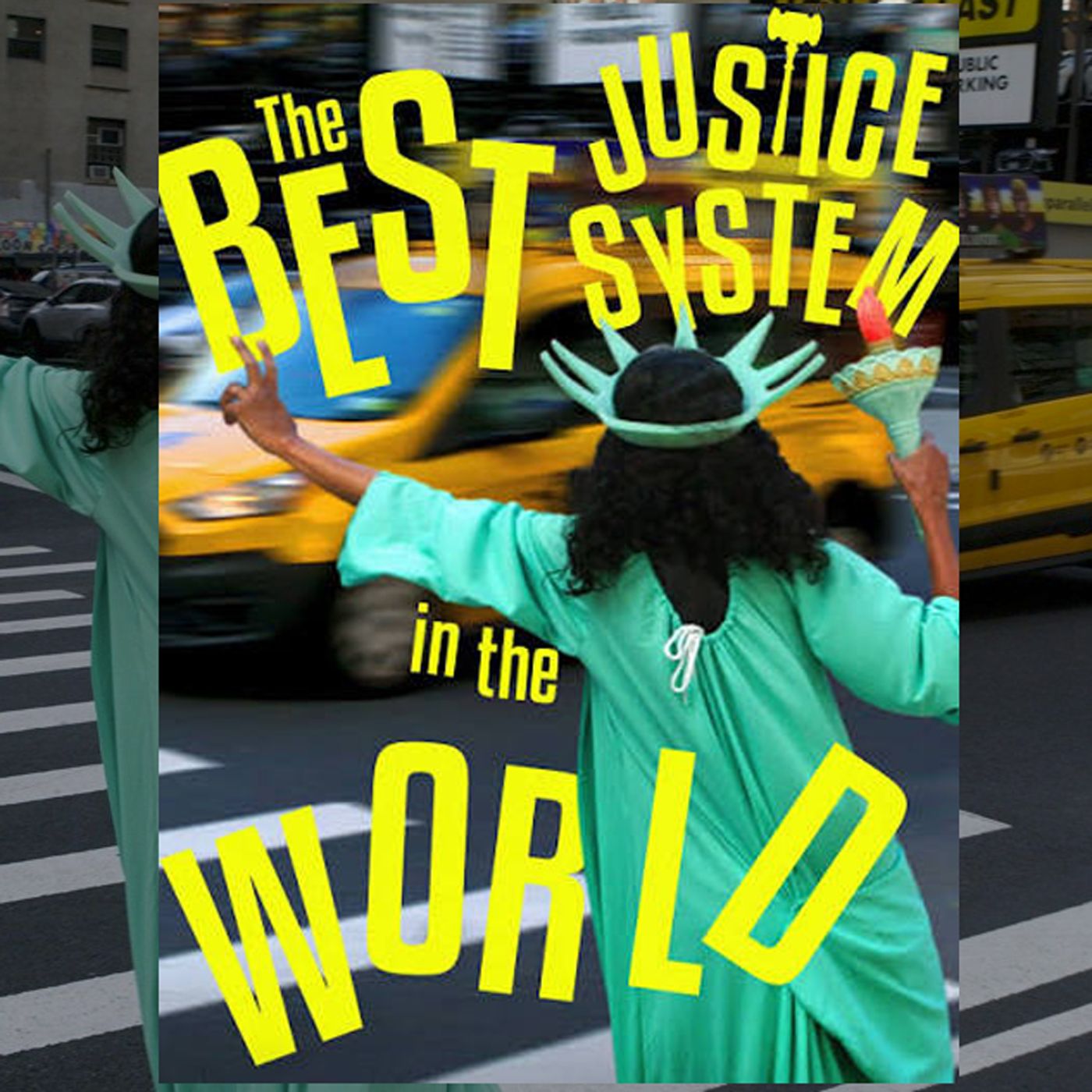
A jury awards $220,000. Then the judge cuts it to $20,000. That verdict, from her days as a New York lawyer, broke Suja A. Thomas's faith in American courts and set her on a ten-year road to The Best Justice System in the World (2026), her first film and a world premiere at DOC NYC. Thomas, a law professor at the University of Illinois and author of The Missing American Jury, tried articles mailed to 500 judges, a book and op-eds before deciding a movie could reach the people she needed. So she put on a Statue of Liberty costume, took a microphone to the street, staged a courtroom song-and-dance number and went to the UK to see how the system ours is based on handles things. Between the laughs sit wrenching stories of people pushed into guilty pleas and forced arbitration who never got near a jury. Mike talks with Thomas and consulting producer Kurt Engfehr, editor and co-producer of Michael Moore's Bowling for Columbine (2002), a film Thomas says she has watched 30 times. They cover h
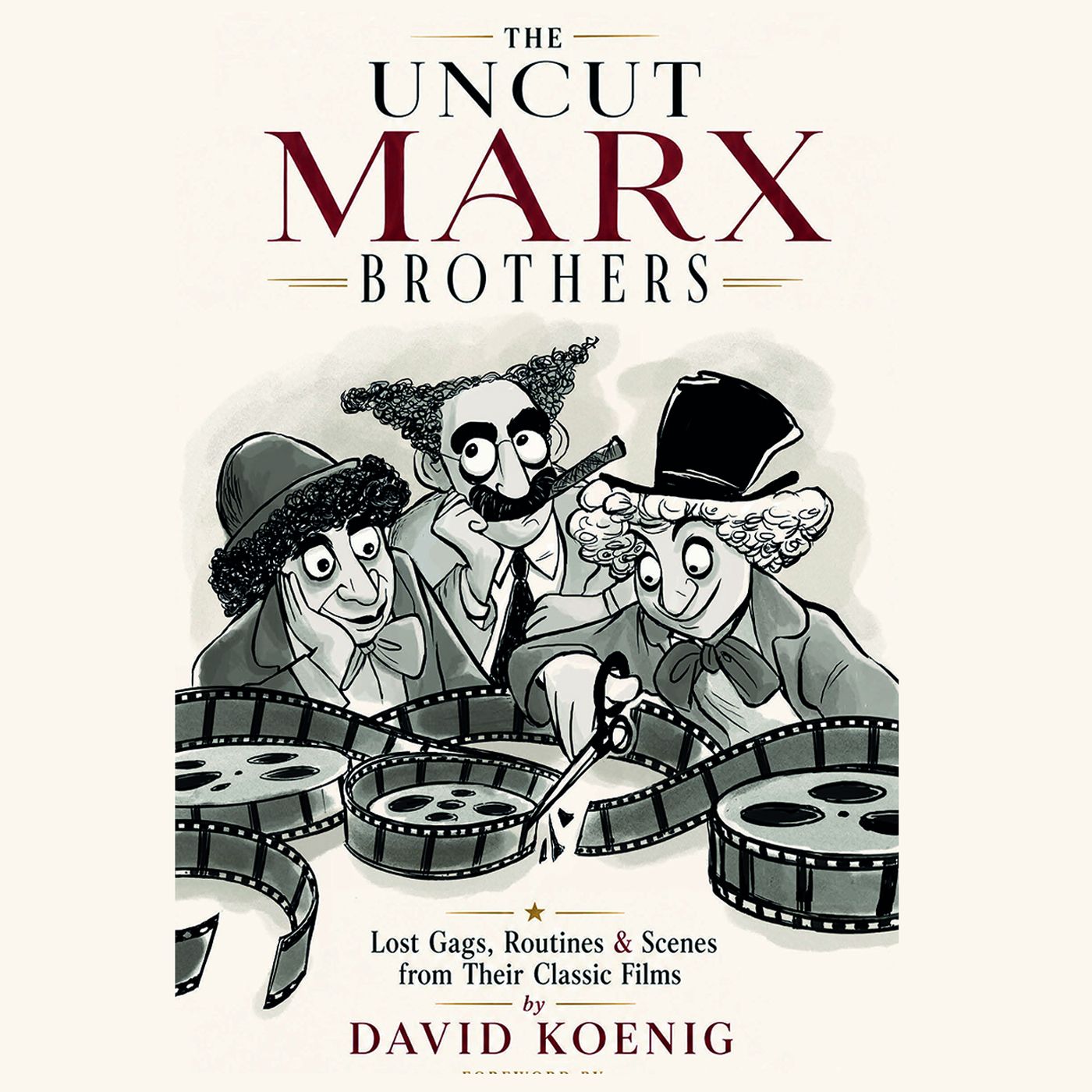
The funniest Marx Brothers scenes may be the ones you have never seen. Author David Koenig spent two years in the archives chasing the scripts, drafts and filmed-then-cut routines behind all 13 of their films, and he joins Mike to talk about his new book, The Uncut Marx Brothers: Lost Gags, Routines & Scenes from Their Classic Films, published October 6, 2026. Koenig traces how the censors chopped up Horse Feathers (1932) and A Night at the Opera (1935), why Duck Soup (1933) lost two Groucho dance numbers, and how director Leo McCarey filmed the famous mirror routine in self-defense. He explains how a complete Animal Crackers (1930) finally resurfaced, and why Irving Thalberg's MGM wanted the brothers "half as funny." The talk also covers Zeppo's exit and the tangled making of their last film, Love Happy (1949), which began as a Harpo solo vehicle. Explore more of our shows at http://weirdingwaymedia.com.
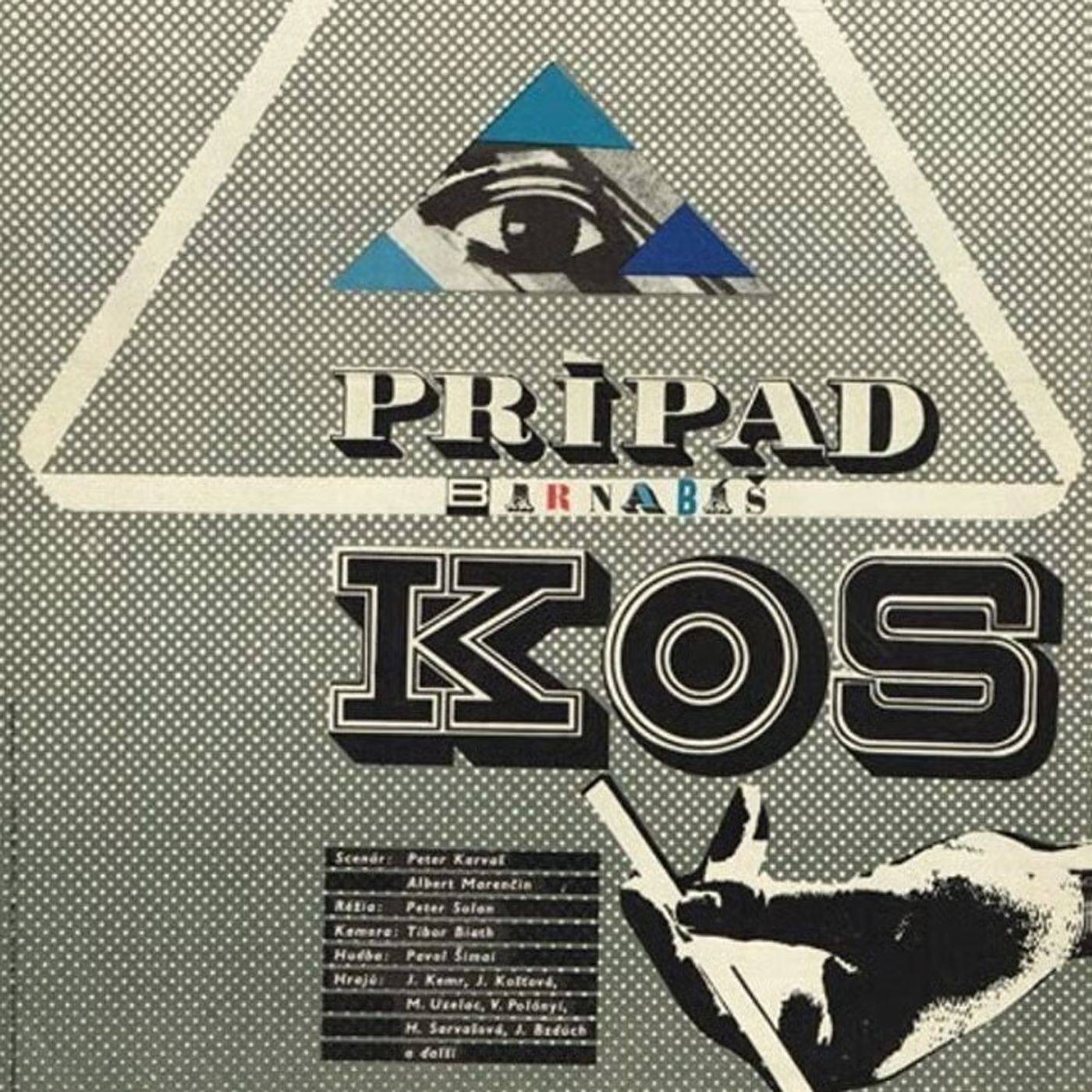
A mild-mannered party man, one triangle and a promotion nobody should have given him: The Barnabas Kos Case (1965) turns an orchestra into a bureaucratic nightmare. Carol Borden and Rahne Alexander join Mike White for Czechtember to take on Peter Solan's Slovak satire, adapted by Peter Karvaš from a short story. The trio trace the film's obsession with shapes, from triangular tables to heads poking through glass boxes, and its line from Kafka to Brazil (1985). They argue over whether the anarchic, rearranged orchestra is liberation or farce, why the musicians shrug when order returns, and what that closing scene means. Explore more of our shows at http://weirdingwaymedia.com.
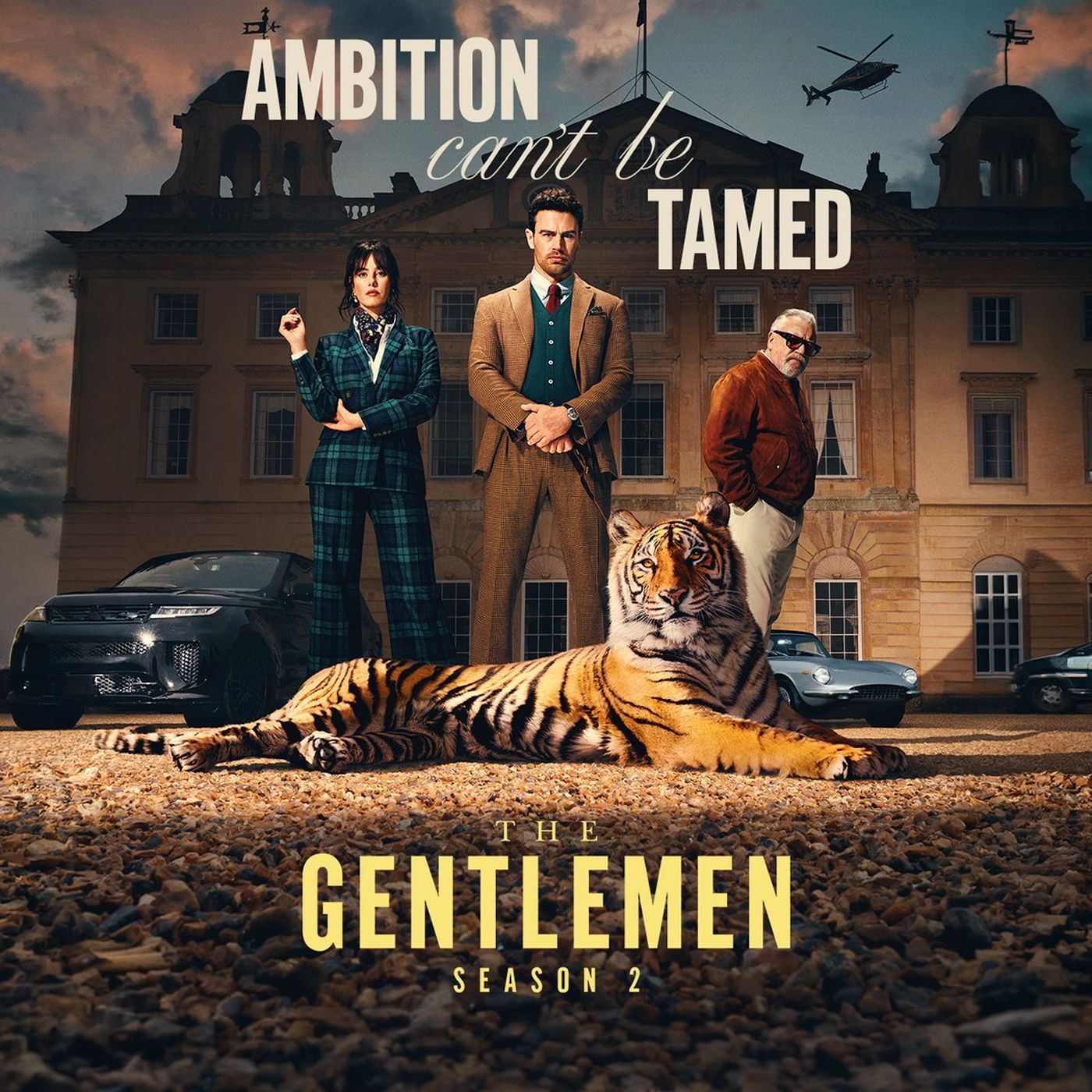
A kid who built models and sculpted monsters now lights one of Netflix's slickest crime series. Cinematographer Stephen Murphy BSC, ISC joins Mike White from Morocco, two days into shooting season three of The Gentlemen, to trace the road from a Marvel UK magazine about Star Wars (1977) to the director of photography chair. Murphy came up through a makeup course, a stint on the miniatures crew of Stuart Gordon's Space Truckers (1996) and a first black-and-white photography class that changed his plans. He worked his way up the old-school camera ladder, and he explains why a practical-effects mindset still shapes how he solves problems on set. Then the work. He describes shooting episodes 3, 4, 5 and 8 of The Gentlemen in blocks with director Eran Creevy, fifteen days an episode, bonded over a shared love of Tony Scott. He recalls a week taking over for Robbie Ryan on Yorgos Lanthimos's The Favourite (2018), and the tricky line between rom-com and slasher on Heart Eyes (2025) with Josh
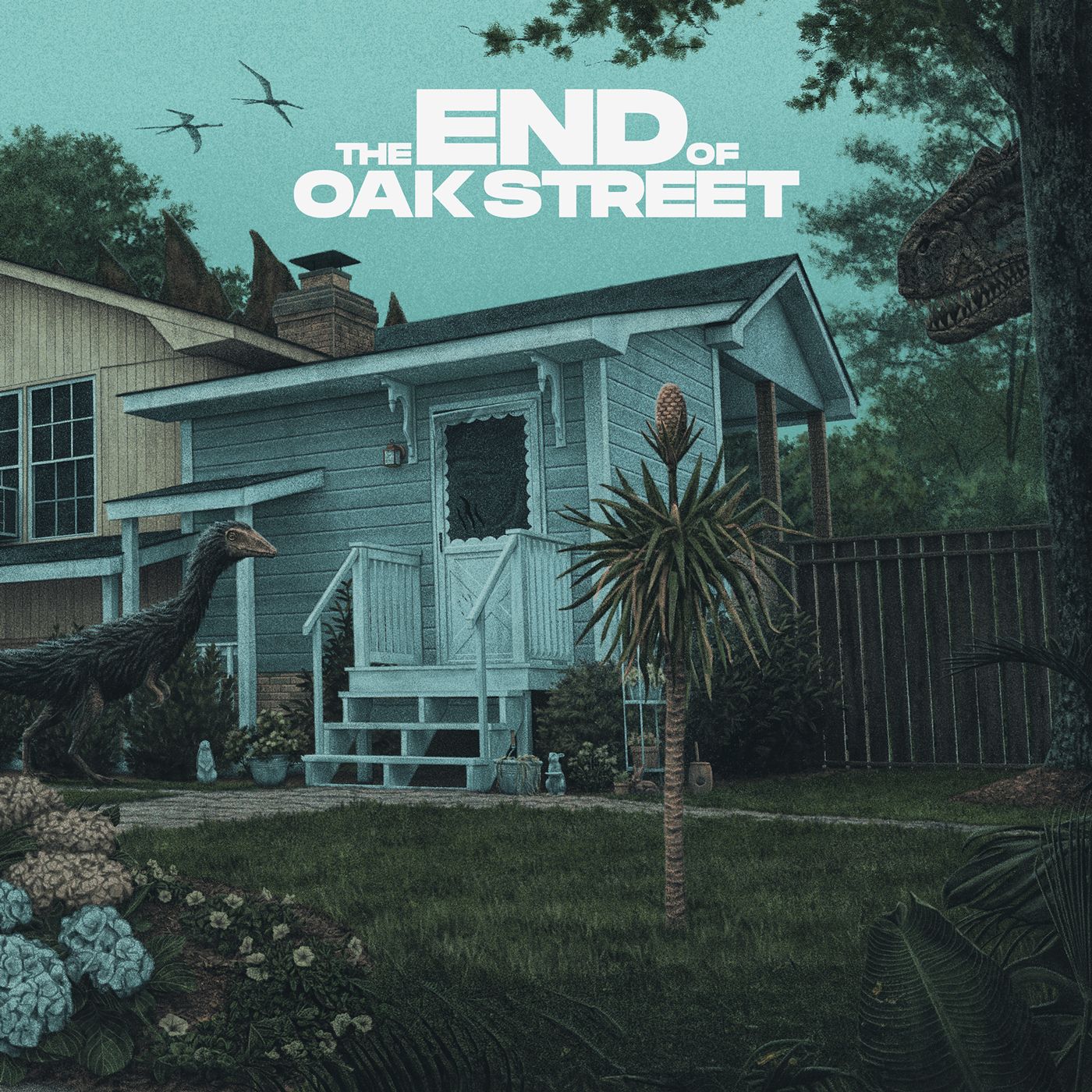
A 1982 cul-de-sac lands among feathered dinosaurs, and the pitch is pure Spielberg. Mike White and Chris Stachiw of The Culture Cast team up for a crossover on The End of Oak Street (2026), David Robert Mitchell's summer sci-fi adventure, produced by J.J. Abrams, with Anne Hathaway and Ewan McGregor as parents on the brink of divorce. They start spoiler-free, then dig in: why this does the Spielberg pastiche better than Super 8 (2011), the echoes of Poltergeist (1982), E.T. and Stephen King, a Michigan that looks suspiciously like Southern California, the original ending, and the leg-biting moment that made both of them yell. They also rank the Jurassic Park (1993) sequels Explore more of our shows at http://weirdingwaymedia.com.
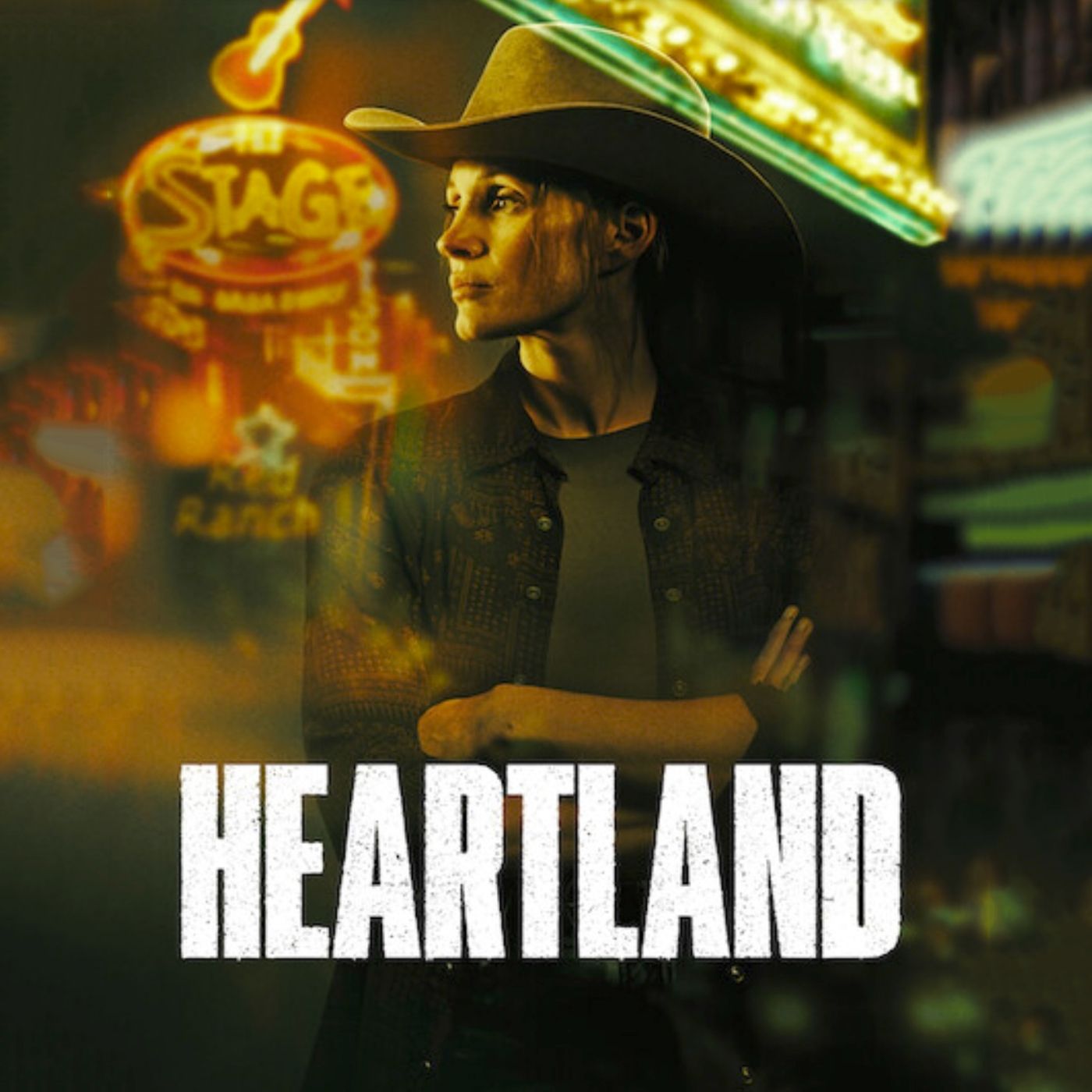
A country star who walked away from the spotlight, a mystery that won't stay buried, and songs that each have a job to do: Heartland (2026) is a Netflix thriller with a country heart. Mike talks with writer-director Shana Feste ahead of the film's November 13 Netflix release. Feste explains why she writes women who don't care whether anyone likes them, and how film noir helped her uncover the part of Misty, played by Jessica Chastain, that she had left behind. The film is available to view on Netflix starting November 13, 2026. Explore more of our shows at http://weirdingwaymedia.com.
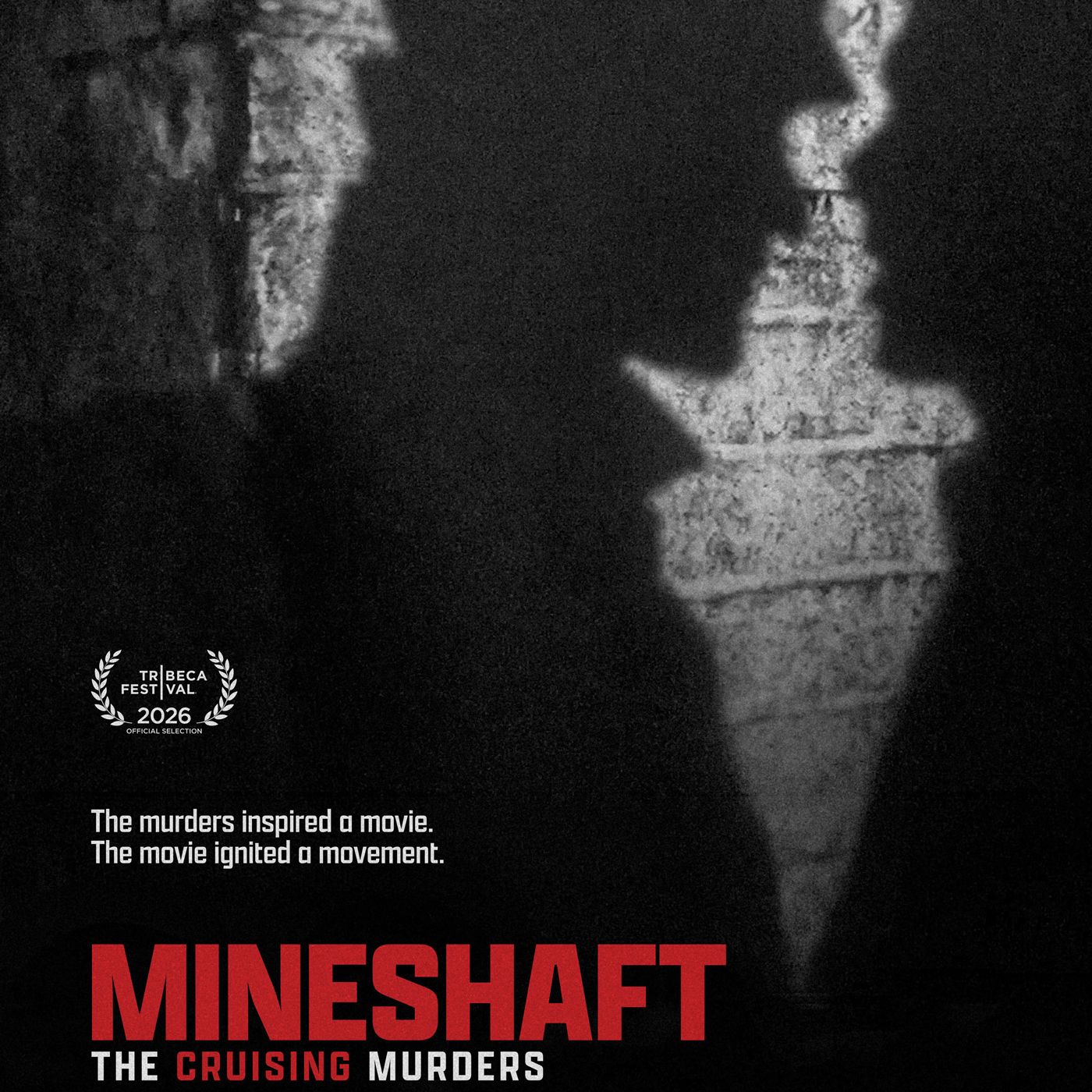
A notorious leather bar, a murdered film critic and a Hollywood shoot that turned Christopher Street into a battleground. Mineshaft (2026) is a new festival documentary about gay New York in the late 1970s and the killing that fed into William Friedkin's Cruising (1980). Director Jeffrey Schwarz, fresh from the Tribeca premiere and a run of festivals including Outfest, joins Mike White to talk it through. The conversation starts with Addison Verrill, the Variety critic murdered at 36, and the one box of district attorney files that survived, autopsy reports and crime scene photos included. Schwarz explains how he earned the trust of Verrill's sister, found his partner Bob Geary, and why he refused to make another exploitative true crime film. From there the trail leads to Paul Bateson, the killer who also appeared in The Exorcist (1973), and to Arthur Bell's Village Voice columns, the leaked script and the street protests that dogged Al Pacino and Friedkin. Also on the table: Friedkin'
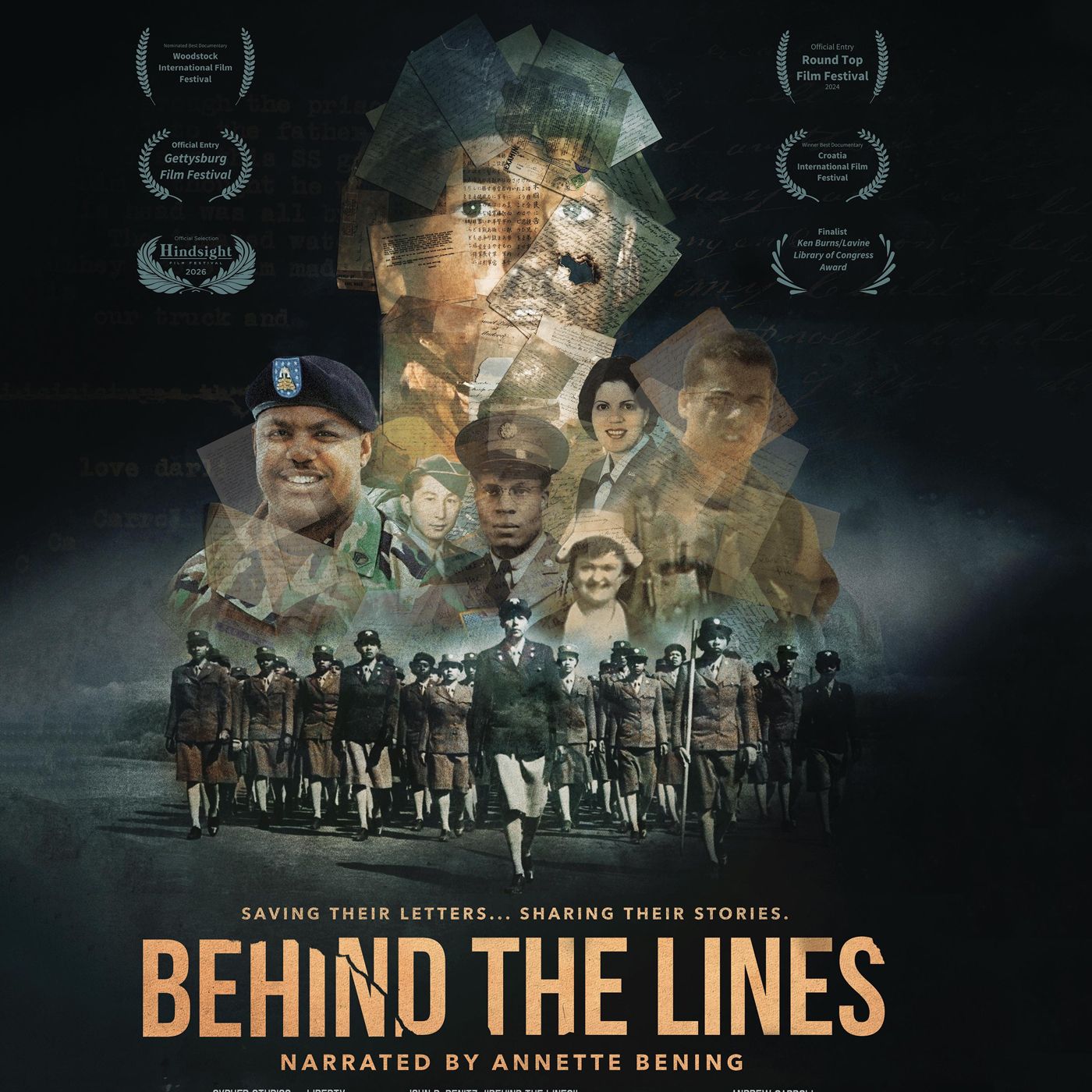
Strip a soldier's letter of its name, date and salutation, and the sentiments barely change: scared kids who want to be home. That idea drives Behind the Lines (2024), a new documentary in which actors, letter in hand, read wartime letters and emails from World War II to Iraq and Afghanistan, set against archival footage. Director John B. Benitz and Andrew Carroll, founder of the War Letters Project, join Mike White to trace how a stage play, If All the Sky Were Paper, became a film. Carroll recalls the house fire, a cousin's Buchenwald letter and the 1998 Dear Abby column that set the project off. Benitz explains why he broke Ken Burns's rule by putting actors on screen, even though Burns's Better Angels Society helped sponsor the film. They also dig into a Pearl Harbor sailor's letter held back for a year by censorship, Laura Dern's laryngitis the night before her studio session, a first cut of over three hours trimmed to ninety minutes, and a Japanese woman's apology, with a thousan
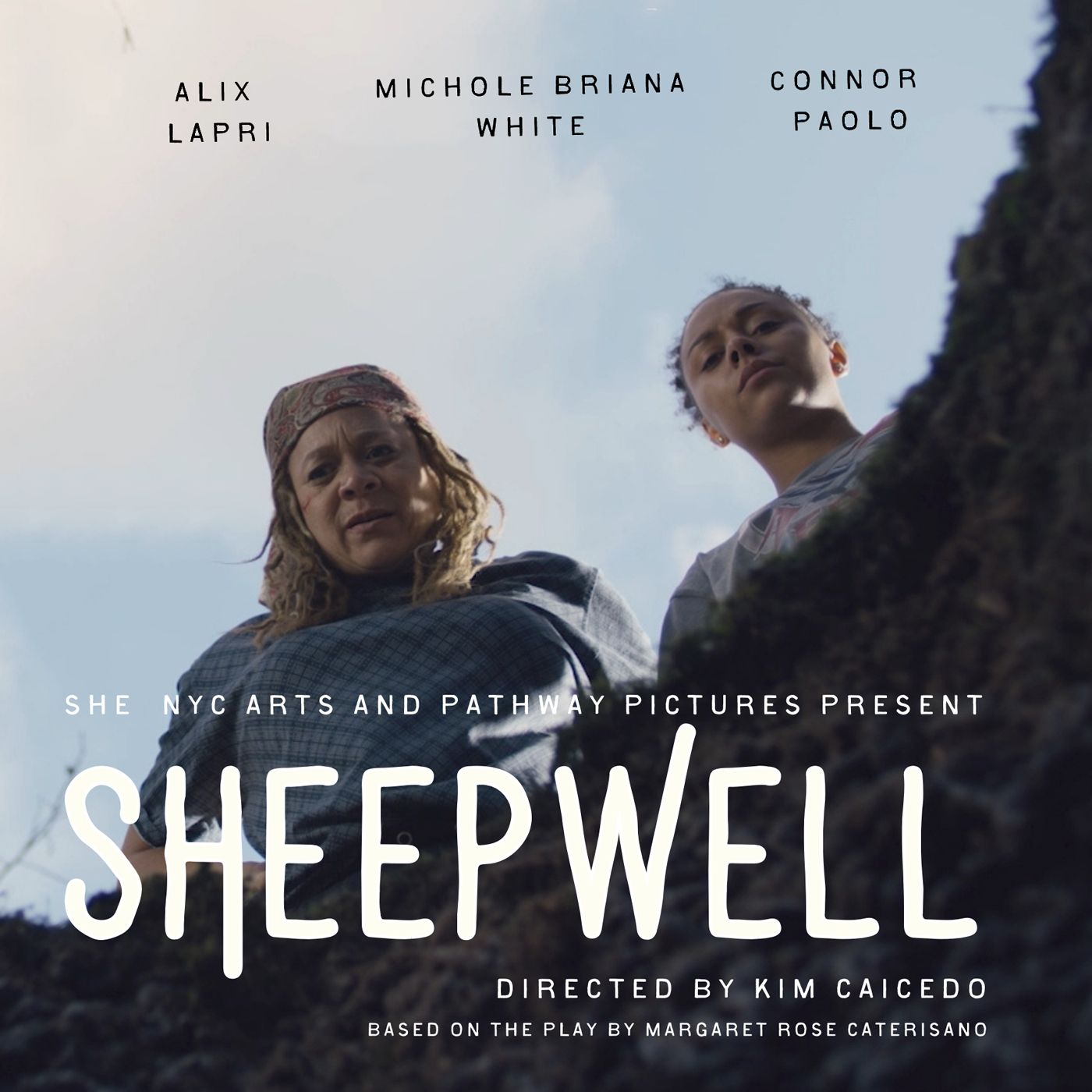
Three people, one conversation, ninety minutes: that was the stage play Sheepwell. Now it's a feature film, and it's heading to the Austin Film Festival as a fresh voice in a very crowded field. This Special Report brings Mike White together with Sheepwell (2026) co-writer and producer Danielle DeMatteo, producer and star Lauren Elizabeth Harris, and actor Mark Ryan Anderson. DeMatteo founded the nonprofit SheNYC Arts, which first staged the play at its Off-Broadway festival. Harris runs Pathway Pictures. They dig into the hard part of adaptation: turning characters who only get talked about into people you can see, and building two roles that never existed in the original play. They trace how a staffer's insistent phone call put the script on DeMatteo's desk, why producing makes Harris a better actor, what Anderson found stepping into a close-knit set late in the shoot, and what Harris hopes women will see in her character. They close with Austin plans and what each guest tackles next
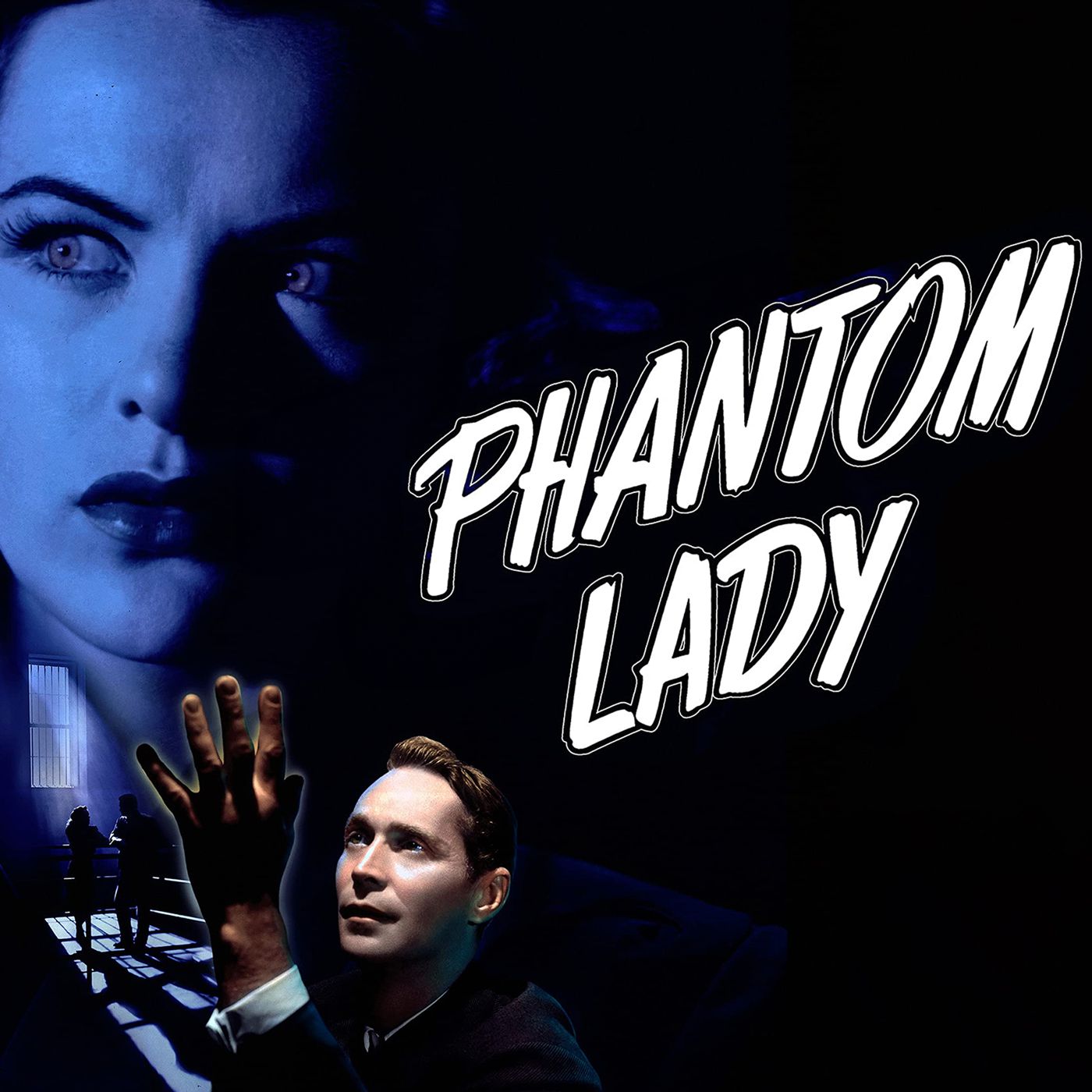
The one woman who can clear an innocent man has vanished, and nobody who saw her will admit it. Noirvember continues with Phantom Lady (1944), Robert Siodmak's adaptation of the Cornell Woolrich novel, published as William Irish, and the first film produced by Hitchcock veteran Joan Harrison. Alan Curtis is the man convicted of strangling his wife; Ella Raines is the secretary who turns detective; Franchot Tone is the friend who joins her search for all the wrong reasons. Rahne Alexander and Earl Jackson join Mike to follow an outrageous hat from a bar to a milliner's shop, and to marvel at Elisha Cook Jr.'s drum solo, the closest thing to a sex scene 1944 allowed. Earl lays out how much darker Woolrich's novel runs and traces Siodmak's style back to his Weimar films. Rahne makes the case for a queer camp remake. Along the way: closed doors, a trial told in shorthand, echoes of The Big Clock (1948) and Black Angel (1946), and a happy ending that sounds like a life sentence. Explore mor
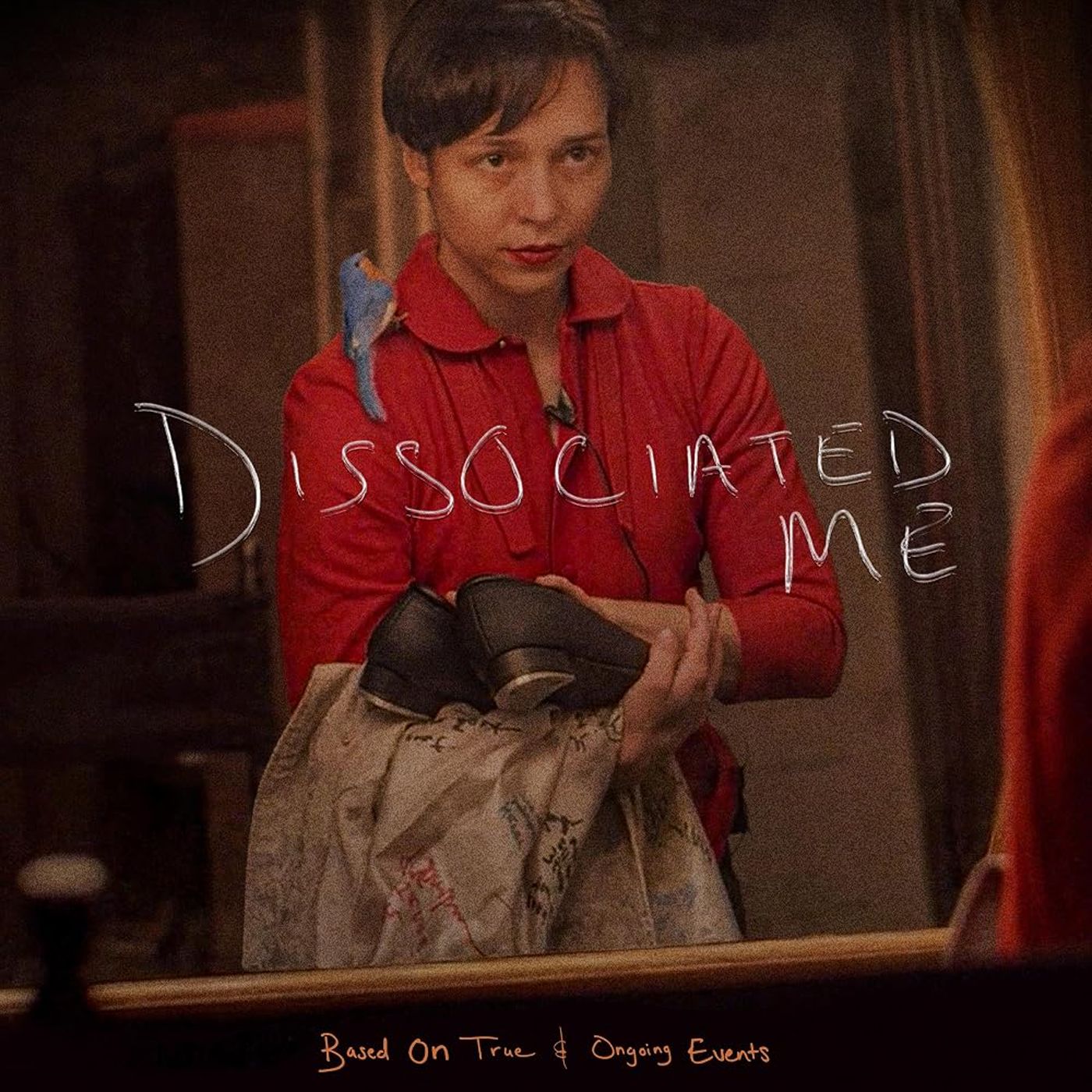
What happens when a filmmaker can't make the movie of her own life? Janaé Rachel Ballot tried to write a biopic about herself, ran into dissociative episodes and flashbacks, and started shooting without a script instead. The result is Dissociated Me (2026), a comedy about trauma that she calls an anti-biopic and an anti-therapy film. Mike White talks with its writer and director right after its world premiere at the Reykjavik International Film Festival. Ballot grew up in a Hollywood family, and the film opens with a song and dance act drawn from her own childhood of dance and pageants. She explains why she rebelled against the family business, how years of feature development taught her she had been producing all along, and why a biopic of Anthony Perkins gave way to her own story. Her pandemic-era short Managed was her first step into directing. Then came the accident: a car hit Ballot the day before a shoot she had been waiting for, and the footage filmed in the trauma unit ended up
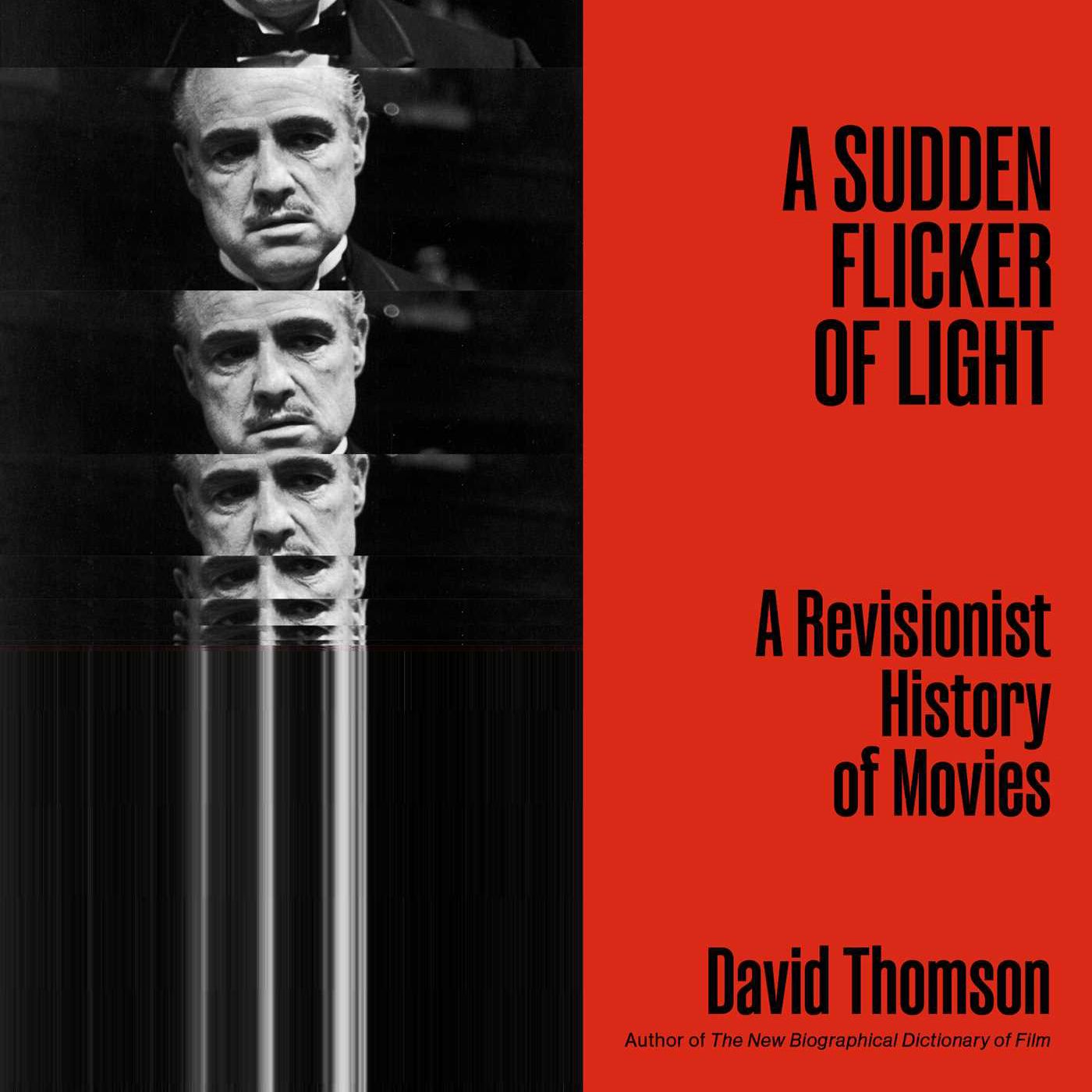
Film history may be heading toward its own ending, and David Thomson wants to look at the whole thing while there is still something to see. The critic and historian behind Rosebud joins Mike White for a Projection Booth Special Report on his new book, A Sudden Flicker of Light, a revisionist history of the movies that took about three years to write. Thomson traces his obsession to a childhood screening of Henry V (1944), where a dissolve from sleeping page boys to flames lodged in his head for good. He explains why he gave up a place at Oxford for film school in 1960, remembers the time Citizen Kane (1941) played to an empty house and Orson Welles had almost no scholarship behind him, and weighs Pauline Kael's attack on the film. Then the talk turns to where the medium is headed: photography giving way to electronic images and AI, editing as film's most decisive tool, and why Thomson calls Christopher Nolan's The Odyssey (2026) a hollow sham that may age like The Sound of Music (1965