Listen through the publisher, then discuss the episode here or arrange an in-person Roundtable. Your city determines where to meet.
Roundtables are designed for groups of four, with a shared subject and room for everyone to speak. Come for discussion, with no dating expectation.
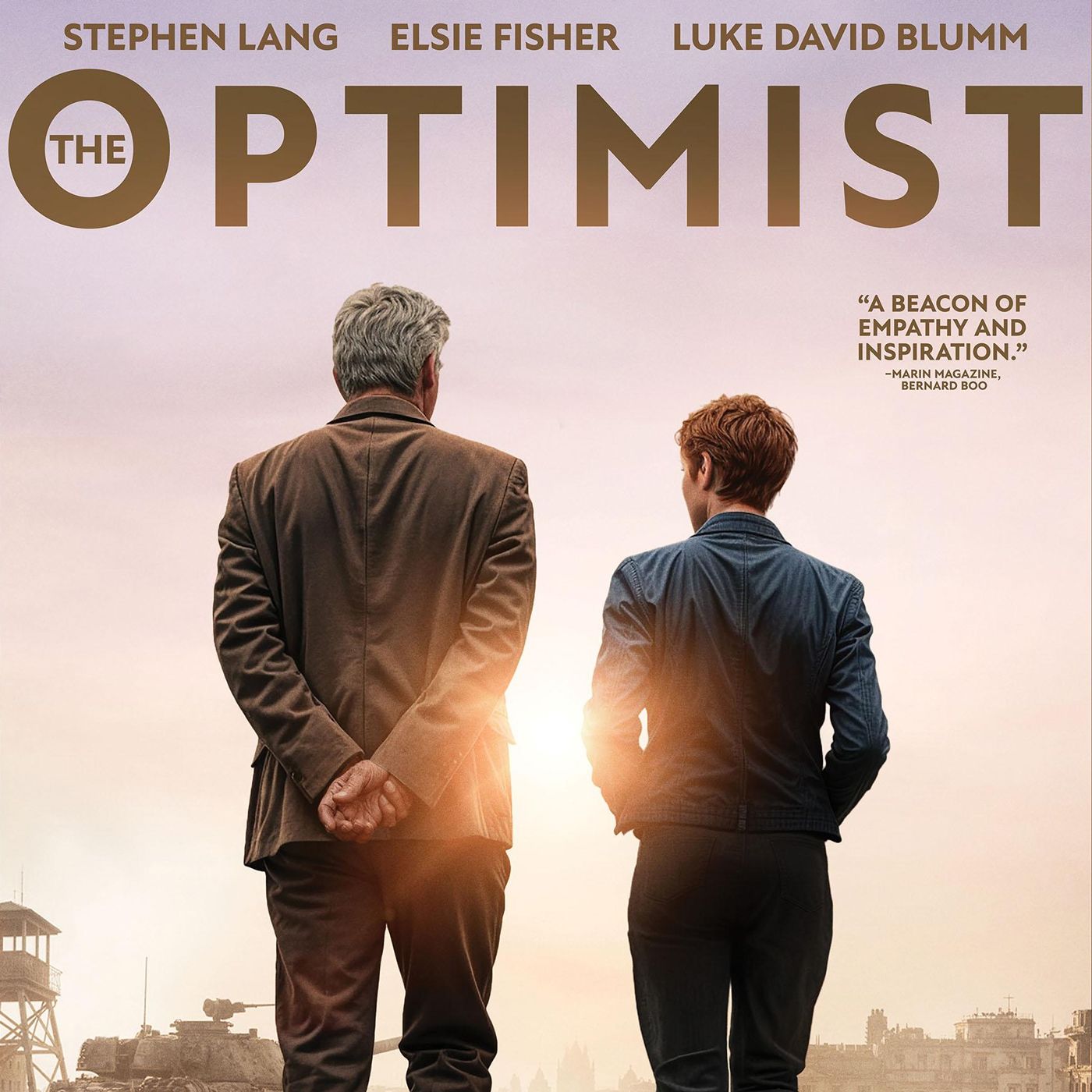
A secret kept for sixty years can weigh as much as the history behind it. The Optimist (2026) tells the true story of Herbert Heller, a Holocaust survivor who stayed silent for six decades about Terezín, Auschwitz and the escape he made as a boy, until a troubled teenager gave him a reason to speak. Mike talks with writer-director Finn Taylor and star Stephen Lang about the new drama, which worked the festival circuit in 2024, played theaters in March and arrives on streaming November 17. Taylor traces the eight or nine years it took: producer Jeanine Thomas, a friend of Heller's, brought him the challenge of holding two stories at once, then flew him to Prague. He visited Auschwitz and Terezín and interviewed Heller and his family for years. The shoot took a crew of hundreds on two continents. Lang, who never met Heller, explains the difference between playing a man he could see and hear in recordings and playing George Pickett, who left none. He set out to absorb Heller, not mimic him, and Taylor says the family was gobsmacked by the result. Lang also praises Elsie Fisher, his partner in a quiet, measured pairing of two careful characters carrying their own traumas, and Robin Weigert. Mike signs off by telling Lang he has been a fan since Manhunter (1986). Follow The Optimist on Instagram (https://www.instagram.com/theoptimistmovie/) and visit the film's official website (https://theoptimistmovie.com/). Explore more of our shows at http://weirdingwaymedia.com.
Episode information is provided by the publisher. Listening takes place on the publisher’s service.
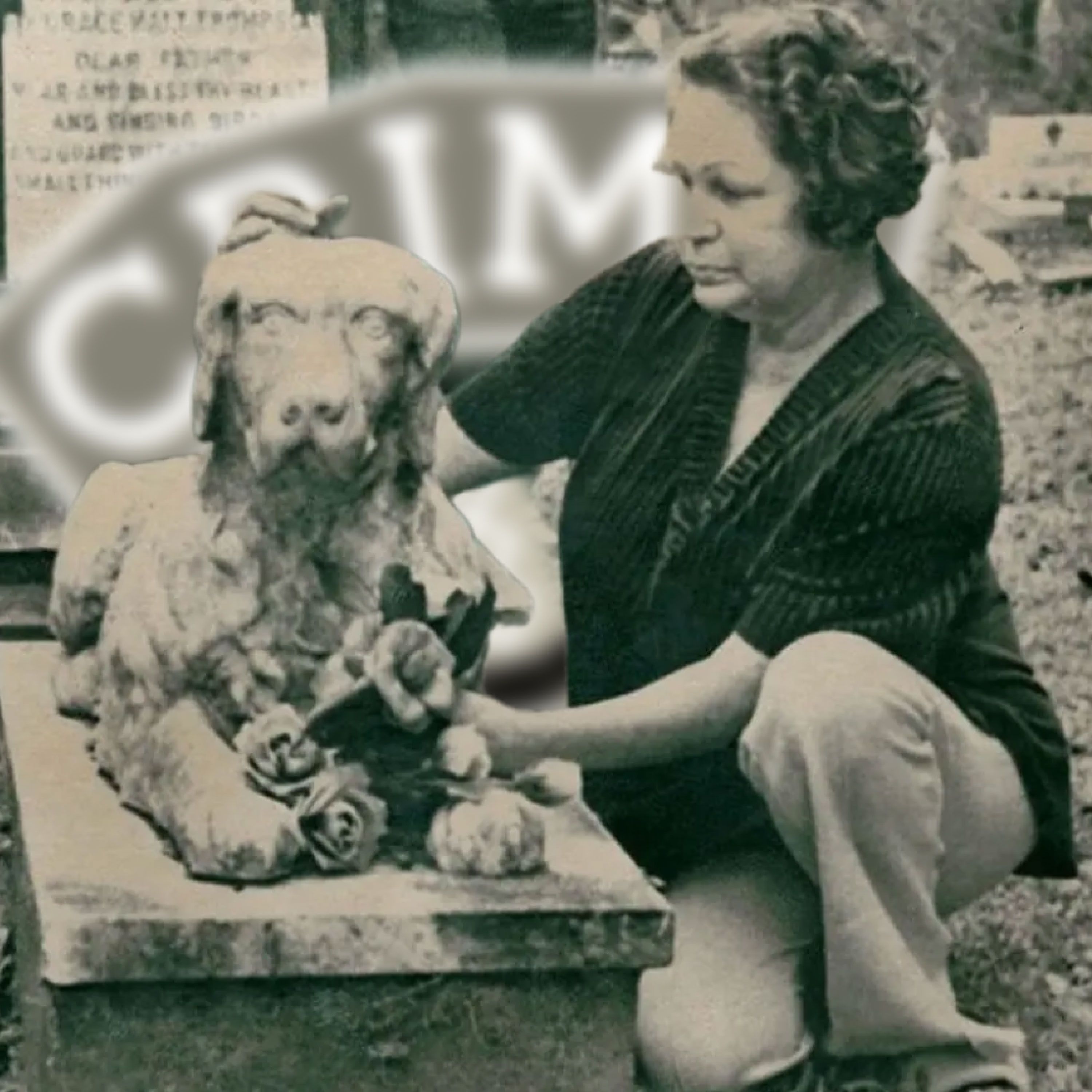
In 1985, when the body of 61-year-old Dorothy Lou Thompson was discovered in the Mississippi River, authorities assumed her murder was somehow connected to her unusual family business. For years her late mother ran a pet cemetery on an abandoned sugar cane plantation, which neighbors found both odd and eerie. While a handful of suspects emerged, the murder case soon went cold. Decades later, witnesses came forward to report what they knew about the homicide. What convinced them to finally tell their stories? They said they were visited by Dorothy’s ghost. The HBO Documentary series “The Pet Cemetery Murders: A Ghost Story” leans into the spooky elements of this Southern Gothic tale. The case goes beyond the homicide and its creepy crime scene, tying historical stories of violence within the family and this community, made for those who like their true crime served with a dash of the supernatural. OUR SPOILER-FREE REVIEWS OF "THE PET CEMETERY MURDERS" BEGIN IN THE FINAL 11 MINUTES OF TH
Deric Henderson, the veteran Northern Ireland journalist and author of Let This Be Our Secret, joins Kate to unpack one of the most chilling murder cases in UK history. In May 1991, the bodies of police officer Trevor Buchanan and nurse Lesley Howell were found in a fume-filled car in a garage in the seaside town of Castlerock, and their deaths were ruled a suicide pact. Nearly 18 years later, Lesley's husband, the respected dentist and lay preacher Colin Howell, confessed that he had murdered them both with the help of his lover, Trevor's wife and Sunday school teacher Hazel Buchanan, later Hazel Stewart. Deric covered the case from the confession through both trials. Reality Life with Kate Casey Instagram: http://www.instagram.com/katecaseyca Tik Tok: https://www.tiktok.com/@itskatecasey?lang=en YouTube: https://www.youtube.com/@realitylifewithkatecasey ShopMy: https://shopmy.us/shop/katecasey?tab=latest Amazon List: https://www.amazon.com/shop/katecasey X: https://twitter.com/kateca
Unwind tonight with a calming sleep story designed to settle your thoughts and ease you gently into deep, restorative rest. This 6-hour sleep experience blends soft autumn rain, the warm crackle of a fire, peaceful narration, and immersive historical storytelling as we follow The Entire Story of the Mayflower Voyage Across the Sea. Let the steady rain, cosy fireside atmosphere, and slower pace of the story create a quiet Thanksgiving-season setting while we travel back to one of the most remembered voyages in early American history. Tonight, we’re following the Mayflower from the beginning of the journey, across the Atlantic, and into the difficult first months that followed. We’ll explore who was aboard, why they left, what daily life at sea was like, how the ship was organized, what passengers ate, how they slept, how the voyage changed once they reached the coast, and how the story of Plymouth began to take shape afterward. Rather than rushing toward the familiar version of the stor
I traded my family's messy farm for mansion doors and elite status just to feel special for once. Escaping my outgoing twin's shadow felt amazing, especially when a wealthy mentor showered me with love and opportunities I never imagined. Love this story? Support us with a ⭐⭐⭐⭐⭐ rating! What do you think about today's diary?
With his Cannes-winning movie HOLY SPIDER, writer/director Ali Abbasi experienced the complexities and dangers of trying to make movies in repressive Iran… but he also says “the most challenging thing I’ve ever done” was making his Oscar-nominated THE APPRENTICE, about a young Donald J. Trump. Abbasi tells host Rico Gagliano about both, and what it was like to navigate two very different kinds of censorship. The MUBI Podcast returns for its 12th season, “Under Pressure.” At a time when artists worldwide are being threatened or stifled by their governments, host Rico Gagliano tells the stories of filmmakers from across history and around the world who have made movies in spite of incredible state pressure to compromise, give in, or give up. From 1970s Turkey to modern-day America, these are alternately wild, sobering, controversial, and inspiring tales of art by any means necessary. HOLY SPIDER (https://mubi.com/en/gb/films/holy-spider) is now streaming on MUBI in the UK, Ireland, Argen
Survivor 51 Ep 9 Exit Interview Also available on YouTube (https://youtu.be/jogmEqoHkww). Rob Cesternino sits down with Lewis, the latest castaway to exit the island, for an honest and entertaining dive into the strategic chaos of Survivor. In this special exit interview following a pivotal episode, Rob and Lewis dissect the coin flip twist that sealed Lewis’s fate, the ever-shifting alliances, and the real reasons behind this week’s dramatic vote-out. The conversation focuses on Lewis’s internal struggle as he debated whether or not to flip the crucial coin, highlighting how suspicion toward Mike and a well-timed conversation tipped the scales. One concept discussed was the art of social navigation — from Lewis’s “number one rule” not to trust Mike, to Sharonda’s surprising deception at camp, to the failed grassroots attempt to pivot votes onto Maggie. A key theme that emerged was adaptability versus alliance lock-ins, as Lewis recounts efforts to flip the game and the resistance he e
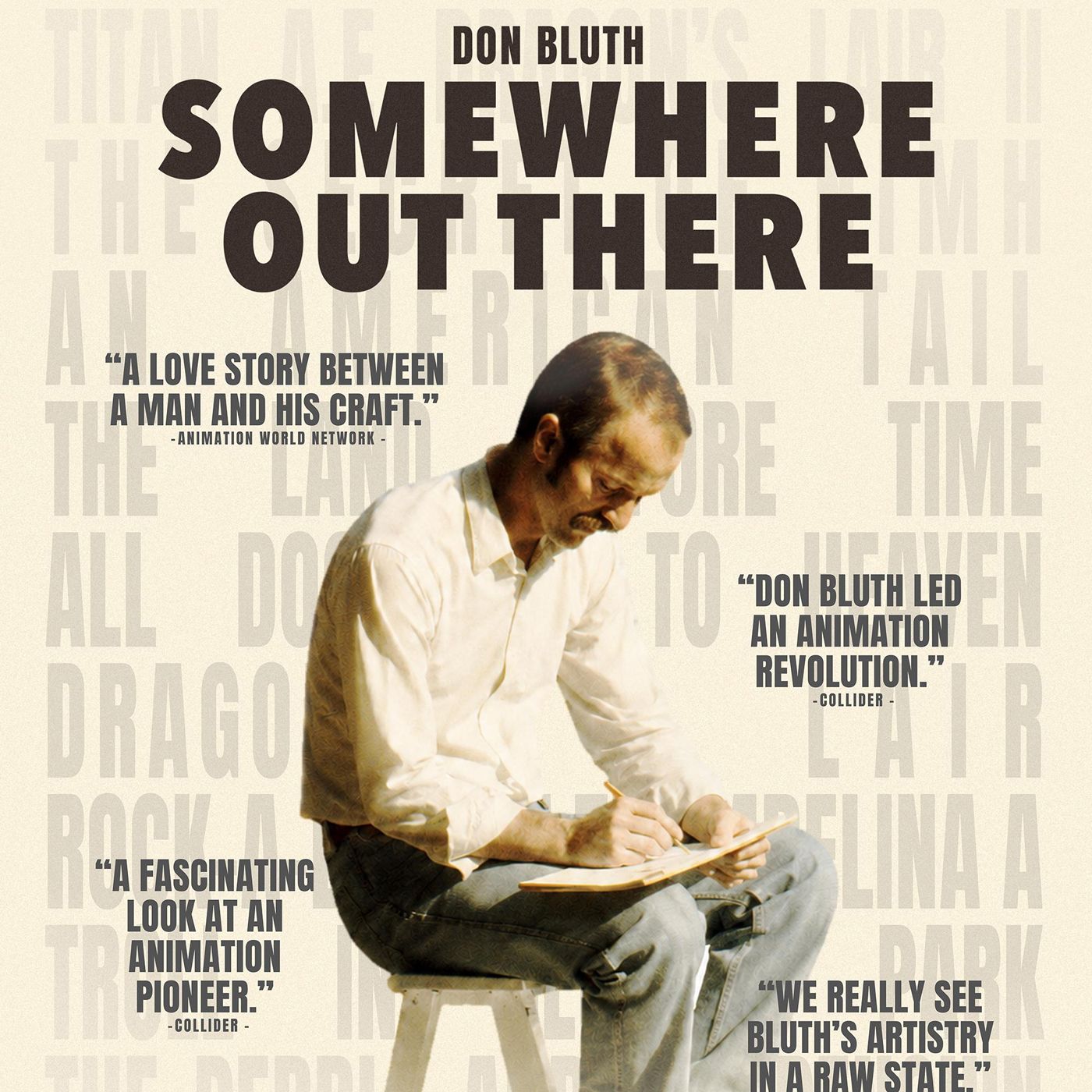
Don Bluth walked out of Disney, his dream job, to save the hand-drawn animation he loved more than anything. Don Bluth: Somewhere Out There (2025), the new documentary from directors Dave LaMattina and Chad N. Walker, lets the animator tell that story himself. Mike talks with both filmmakers ahead of the film's November 20 release on Amazon. LaMattina and Walker met at Blue Sky Studios and made I Am Big Bird: The Caroll Spinney Story (2014) before turning to the man behind The Secret of NIMH (1982), An American Tail (1986), The Land Before Time (1988) and All Dogs Go to Heaven (1989). They recount a first shoot in Arizona where the cameras kept failing, and the Rubbermaid bin in Bluth's house that rescued it: raw film reels of a news piece shot just after Banjo the Woodpile Cat (1979), outtakes and all. That footage set the film's intimate tone and convinced them to drop the talking heads and stay with a single point of view, Bluth's own, as he wrestles with ego and the pull between ar
Seka turned blonde by accident in 1971, and the Platinum Princess of Porn has never been precious about the legend since. A Projection Booth Special Report with the woman who made the scarf, the garter belt and the stockings famous, and who admits she hated every one of them. Seka joins Mike White to talk about her autobiography Inside Seka and the documentary Platinum Princess: The Story of Seka (2025), directed by Tony Waters of MindFlex Films, who shot much of it at her Kansas City home. She looks back on her first big feature, Dracula Sucks (1978), and the best advice John Holmes gave her: never work with anybody you don't want to, and never do anything you don't want to. Unfiltered, funny and fiercely unsentimental about her own story. Explore more of our shows at http://weirdingwaymedia.com.
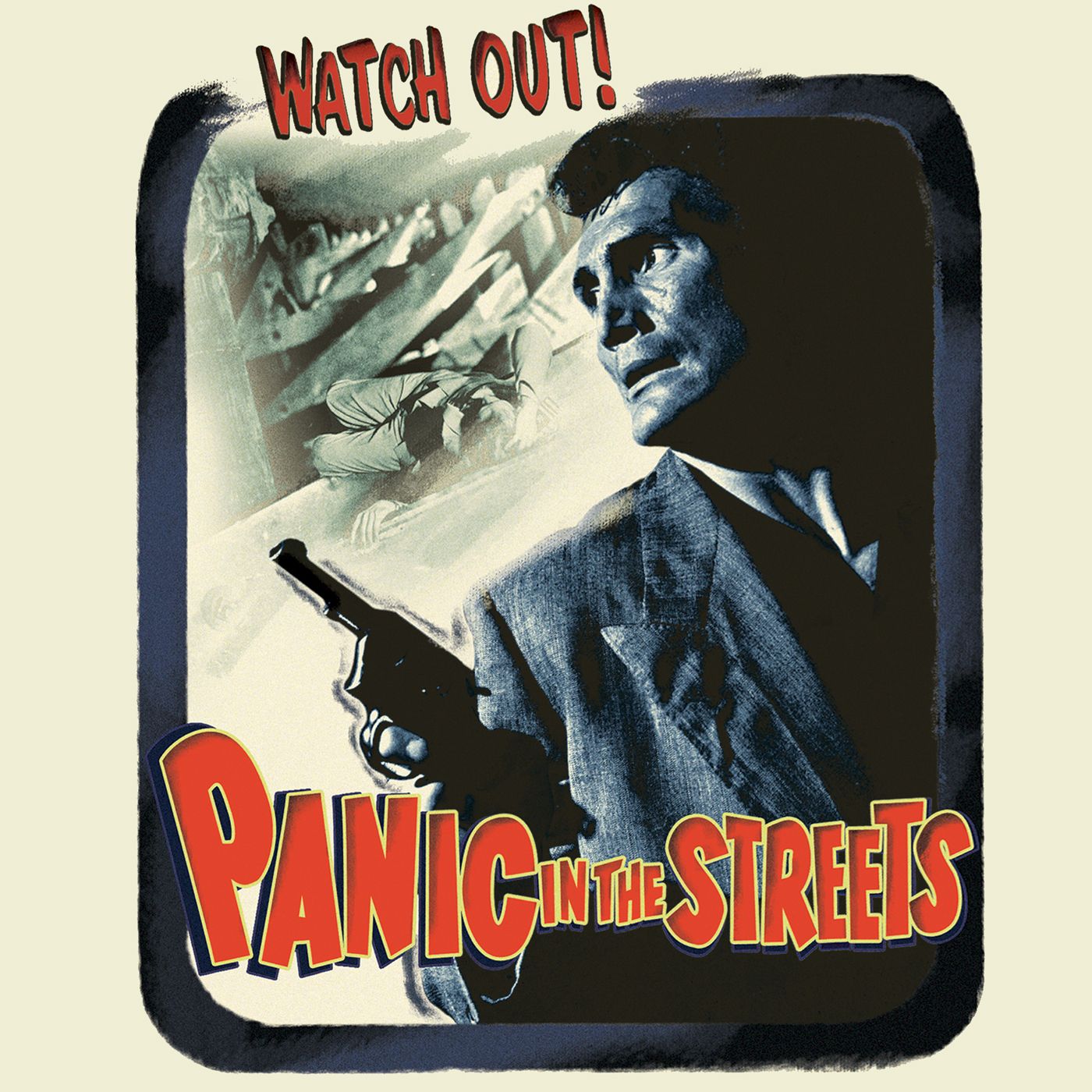
What if the thing loose in a film noir isn't a femme fatale but pneumonic plague? Noirvember 2026 rolls on with Elia Kazan's Panic in the Streets (1950), shot on location in New Orleans. A murdered man turns up in the harbor carrying the disease, and Public Health Service doctor Clinton Road (Richard Widmark) has 48 hours, and one skeptical police captain (Paul Douglas), to find the killers before they spread it. Emily Intravia and Maurice Bursztynski join Mike to argue over whether a daylight procedural with a happy ending counts as noir, and to marvel at Jack Palance, quietly menacing in his first film, alongside Zero Mostel. They dig into Kazan's layered staging, the Oscar-winning story by Edna and Edward Anhalt, the blacklist that soon swallowed Mostel, and Kazan's decision to name names. After six years of pandemic living, the men who balk at the needle, the jailed reporter and the film's uneasy picture of immigrants hit differently. Who decides what the public can handle? Explore
People directly affected by a local change should have more influence than other residents.
Share your view, then see how readers voted. No sign-in required. This poll is shared across stories.
Do you agree or disagree?
Common Quandary
A Common Quandary to discuss
Another conversation to explore, separate from this news story.
The sign says twelve items and you have fourteen. Is the express lane still yours?
The regular checkout lines are long and the express lane is empty. You count fourteen small items, two over the posted limit. A shopper approaches behind you carrying a single carton of milk as the cashier waves you forward.
Are small rules optional when enforcing them would seem fussier than breaking them?