Listen through the publisher, then discuss the episode here or arrange an in-person Roundtable. Your city determines where to meet.
Roundtables are designed for groups of four, with a shared subject and room for everyone to speak. Come for discussion, with no dating expectation.
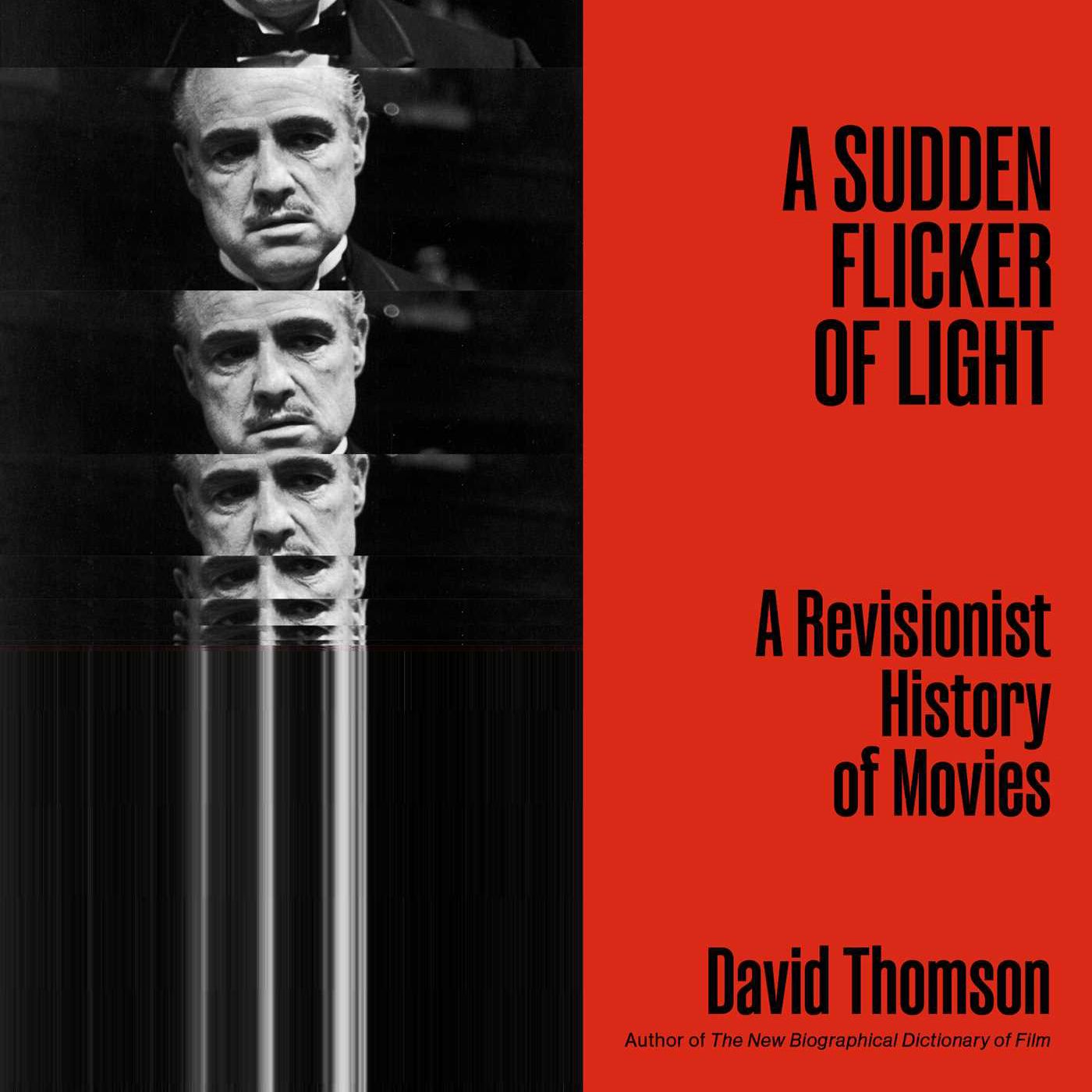
Film history may be heading toward its own ending, and David Thomson wants to look at the whole thing while there is still something to see. The critic and historian behind Rosebud joins Mike White for a Projection Booth Special Report on his new book, A Sudden Flicker of Light, a revisionist history of the movies that took about three years to write. Thomson traces his obsession to a childhood screening of Henry V (1944), where a dissolve from sleeping page boys to flames lodged in his head for good. He explains why he gave up a place at Oxford for film school in 1960, remembers the time Citizen Kane (1941) played to an empty house and Orson Welles had almost no scholarship behind him, and weighs Pauline Kael's attack on the film. Then the talk turns to where the medium is headed: photography giving way to electronic images and AI, editing as film's most decisive tool, and why Thomson calls Christopher Nolan's The Odyssey (2026) a hollow sham that may age like The Sound of Music (1965). He also makes the case that The Godfather (1972) still shapes how power looks on camera, and previews his next book, on Mickey Mouse. What happens to movies when the picture stops being a photograph? Explore more of our shows at http://weirdingwaymedia.com.
Episode information is provided by the publisher. Listening takes place on the publisher’s service.
Welcome back, The Leaky Cauldron and PotterCast's Melissa Anelli! Our longtime fandom friend joins us to celebrate the re-release of Harry, A History, newly updated for a whole new generation of Harry Potter fans. Nearly 20 years after its original publication, what does the book's return tell us about how much the Wizarding World, and its fandom, have changed? We take a trip down memory lane to the early days of Harry Potter fansites, message boards, chatrooms, and podcasts. From the Floo Network and our early website rivalry to conventions, California adventures, endless Skype calls, and behind-the-scenes Warner Bros. stories, we reflect on what it was like to help build an online fandom before social media changed everything. Melissa also opens up about the lasting impact of The Leaky Cauldron, why the traditional fansite community has largely disappeared, and her complicated feelings about the legacy of Harry Potter amid J.K. Rowling's recent controversies. Plus, we look ahead to t
Survivor 51 Ep 9 Exit Interview Also available on YouTube (https://youtu.be/jogmEqoHkww). Rob Cesternino sits down with Lewis, the latest castaway to exit the island, for an honest and entertaining dive into the strategic chaos of Survivor. In this special exit interview following a pivotal episode, Rob and Lewis dissect the coin flip twist that sealed Lewis’s fate, the ever-shifting alliances, and the real reasons behind this week’s dramatic vote-out. The conversation focuses on Lewis’s internal struggle as he debated whether or not to flip the crucial coin, highlighting how suspicion toward Mike and a well-timed conversation tipped the scales. One concept discussed was the art of social navigation — from Lewis’s “number one rule” not to trust Mike, to Sharonda’s surprising deception at camp, to the failed grassroots attempt to pivot votes onto Maggie. A key theme that emerged was adaptability versus alliance lock-ins, as Lewis recounts efforts to flip the game and the resistance he e
Would you let your 10-year-old have a mobile phone? And should parents be allowed to read their children's messages? This week on You Don't Know You're Born, Danny Miller, Brooke Vincent and Wingman get stuck into some of the biggest dilemmas of modern parenting. From kids getting their first phones and navigating friendships on Roblox to bedtime battles, sleeping arrangements and the little moments that make being a parent so special, there's plenty to unpack. The gang also discuss the importance of being the parent your child can call when they're in trouble, share some hilarious school photo memories and return for another round of Acting Up! In this episode: - Should 10-year-olds have mobile phones? - Is it OK to check your child's messages? - Dealing with friendship fallouts and online gaming - The never-ending battle of bedtime routines - Those little parenting moments you'll always remember - School photos and childhood memories - Another chaotic round of Acting Up! What do you
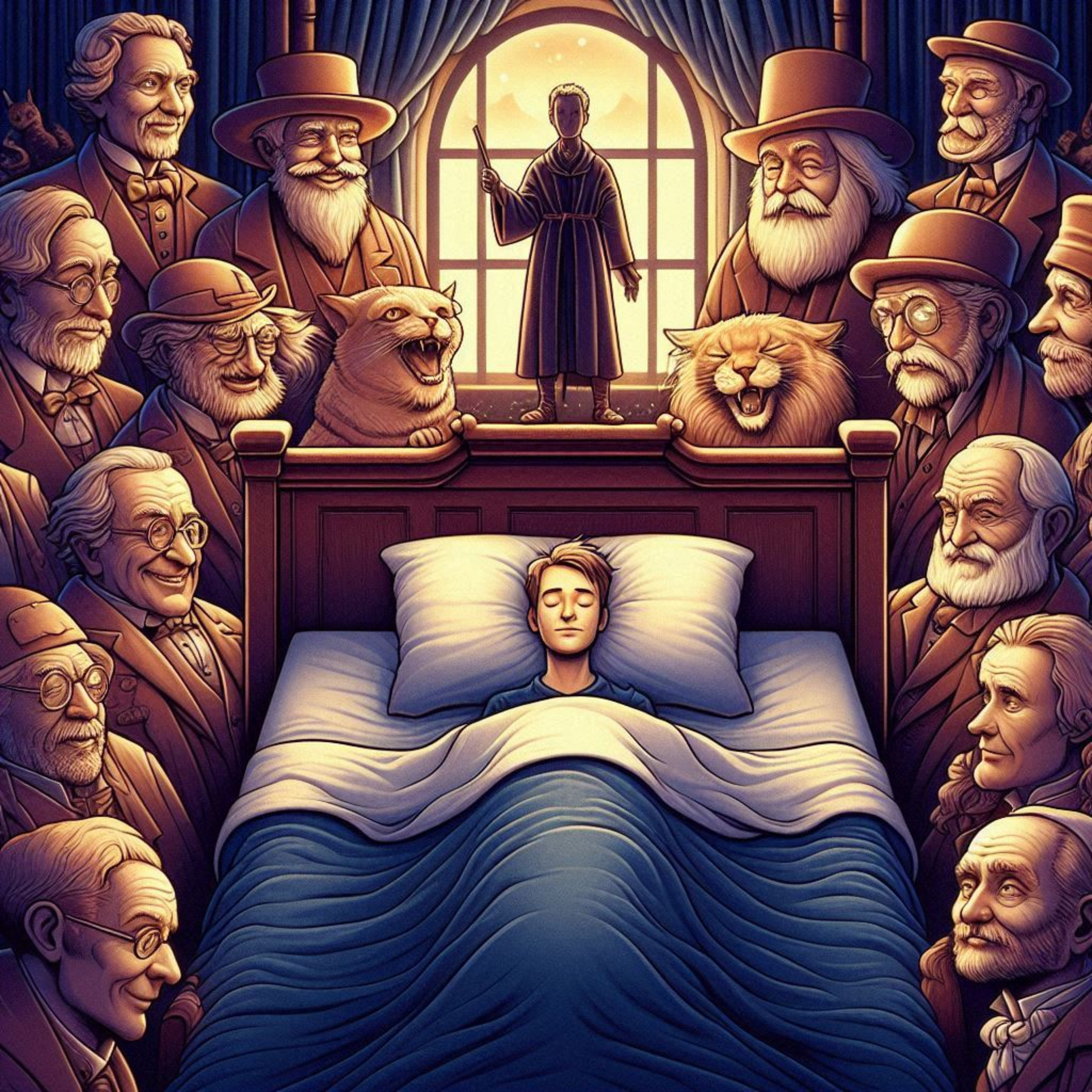
Unwind tonight with a calming sleep story designed to settle your thoughts and ease you gently into deep, restorative rest. This 6-hour sleep experience blends soothing ocean waves, the soft movement of a nighttime beach, peaceful narration, and immersive historical storytelling as we travel back to the Streamliner Era of the 1930s. Let the steady rhythm of the water, the quiet coastal atmosphere, and the relaxed pace of the story help the day fade into the background while you settle in for the night. Tonight, we’re doing something a little different. Instead of simply talking about the 1930s, we’re going to imagine what it might actually feel like to step into them. We’ll wander through grand train stations, polished platforms, softly lit passenger cars, streamlined locomotives, dining cars, sleeping compartments, and a world suddenly fascinated by speed, modern design, and the promise of the future. We’ll look at what people wore, what they ate, how they traveled, what these remarka
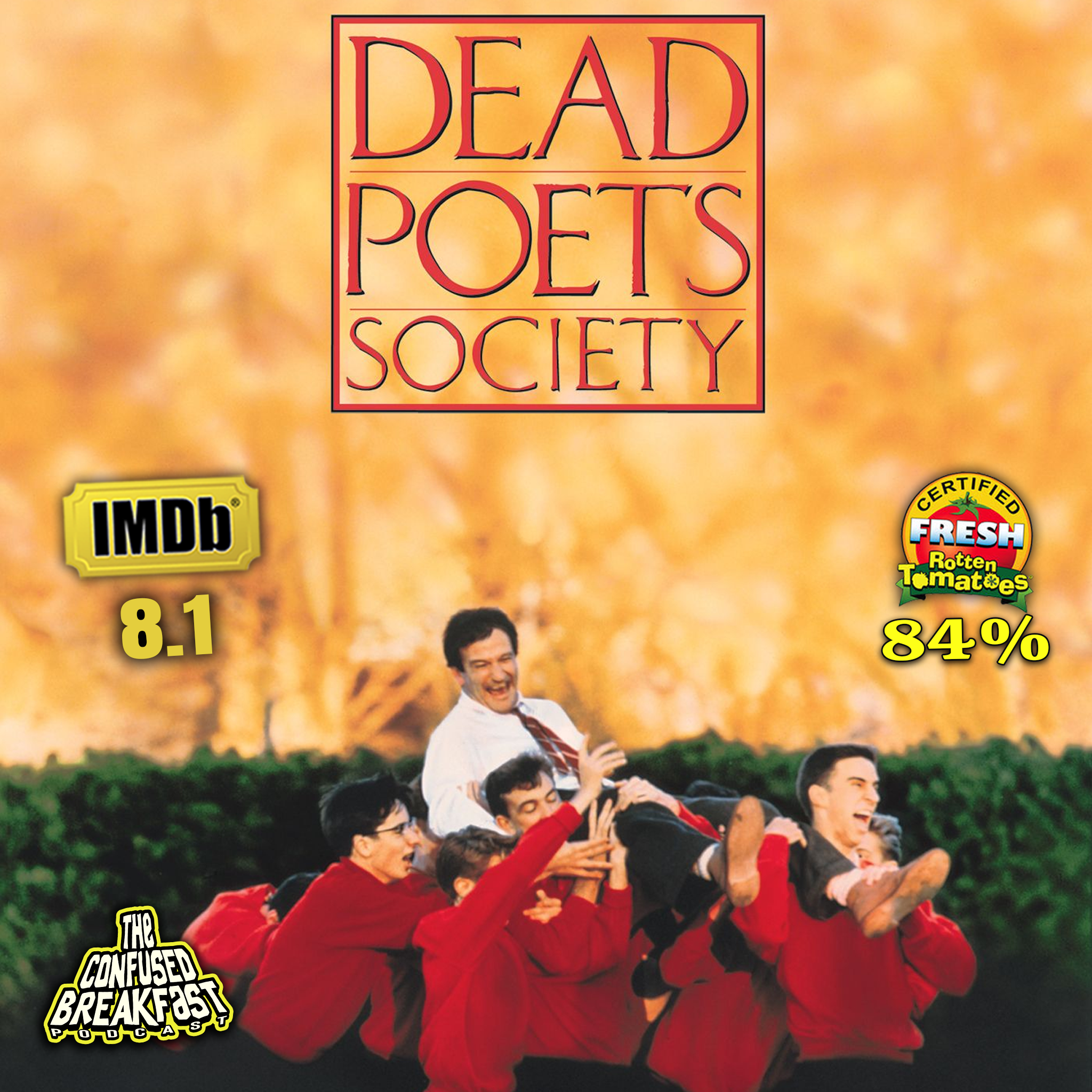
Oh Captain, My Captain! This week we're revisiting 1989's Dead Poets Society, and this heartfelt Robin Williams drama turns into conversations about poetry, questionable parenting, all-boys schools, and an extremely inappropriate discussion about oysters. We break down the unforgettable performances, the power of a great teacher, and why this movie hits a whole lot harder as an adult. We also debate whether John Keating's inspirational teaching methods went too far, why Neil's father might be one of cinema's most frustrating parents, and whether the movie's heartbreaking ending was necessary. Grab your poetry books, climb onto your desks, and prepare to seize the day with us! •0:00:00 - Introductions •0:02:45 - Memories of first viewing •0:06:00 - Pertinent movie details •0:09:15 - Critical and fan reviews •0:14:00- Scene by scene breakdown •1:36:00 - Modern day ratings ———————————————————— SPONSORS- **Ethos- Get your free quote at http://ethos.com/breakfast **PROGRESSIVE- Visit http:/
Spotify Apple podcasts Check out our sponsor: PRIZE PICKS - Visit https://www.prizepicks.onelink.me/LME0/CAMPEA and use code CAMPEA to get $50 instantly in Lineups when you play your first $5 Lineup! AURA FRAMES - Aura is the #1 digital frame loved by millions of families and their Black Friday Cyber Monday deal is the best of the year. Starting November 19, visit https://www.AuraFrames.com (https://www.auraframes.com/) and get up to $50 off select frames plus an additional $5 off your order with the promo code CAMPEA. On today's episode: 05:43 Why Christopher Nolan Doesn’t Believe In “Director’s Cuts” Of Movies 15:44 Game Of What's More Likely 38:48 GTA 6 Live Action Movie - CEO Talks Why It Hasn’t Happened Yet But Still Possible Become a John Campea Channel Member here Submit your topic or question for The John Campea Show here: Follow John on Instagram:
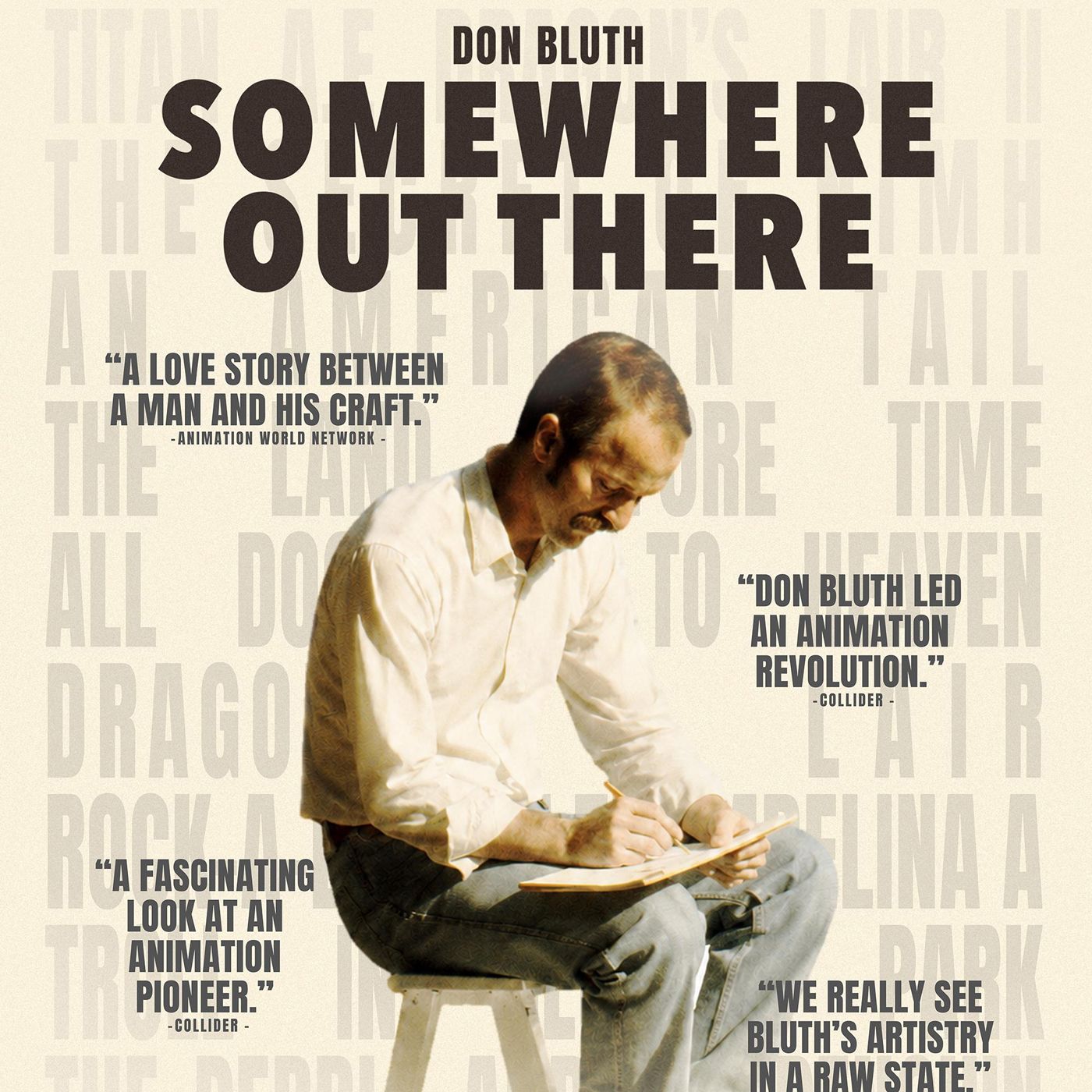
Don Bluth walked out of Disney, his dream job, to save the hand-drawn animation he loved more than anything. Don Bluth: Somewhere Out There (2025), the new documentary from directors Dave LaMattina and Chad N. Walker, lets the animator tell that story himself. Mike talks with both filmmakers ahead of the film's November 20 release on Amazon. LaMattina and Walker met at Blue Sky Studios and made I Am Big Bird: The Caroll Spinney Story (2014) before turning to the man behind The Secret of NIMH (1982), An American Tail (1986), The Land Before Time (1988) and All Dogs Go to Heaven (1989). They recount a first shoot in Arizona where the cameras kept failing, and the Rubbermaid bin in Bluth's house that rescued it: raw film reels of a news piece shot just after Banjo the Woodpile Cat (1979), outtakes and all. That footage set the film's intimate tone and convinced them to drop the talking heads and stay with a single point of view, Bluth's own, as he wrestles with ego and the pull between ar
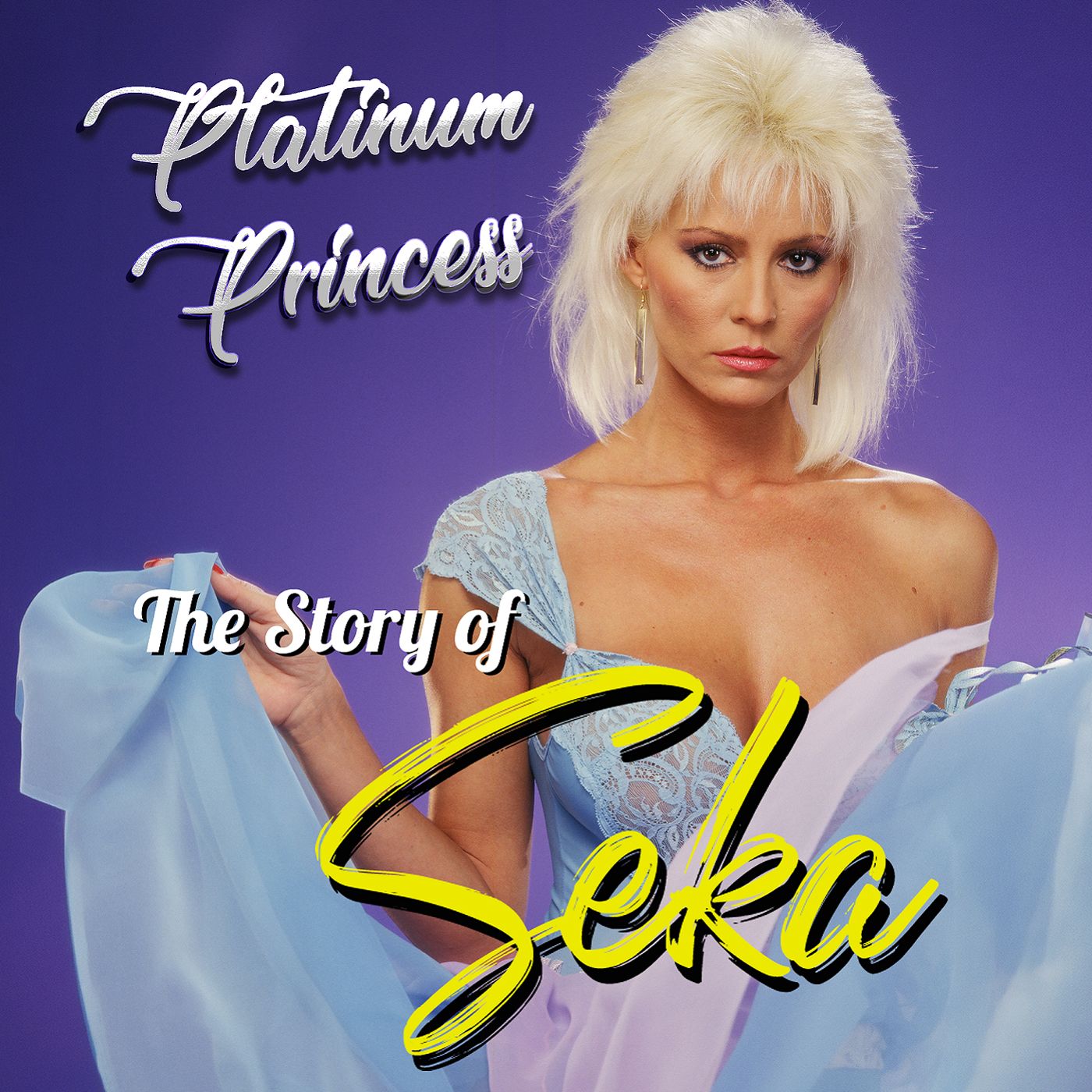
Seka turned blonde by accident in 1971, and the Platinum Princess of Porn has never been precious about the legend since. A Projection Booth Special Report with the woman who made the scarf, the garter belt and the stockings famous, and who admits she hated every one of them. Seka joins Mike White to talk about her autobiography Inside Seka and the documentary Platinum Princess: The Story of Seka (2025), directed by Tony Waters of MindFlex Films, who shot much of it at her Kansas City home. She looks back on her first big feature, Dracula Sucks (1978), and the best advice John Holmes gave her: never work with anybody you don't want to, and never do anything you don't want to. Unfiltered, funny and fiercely unsentimental about her own story. Explore more of our shows at http://weirdingwaymedia.com.
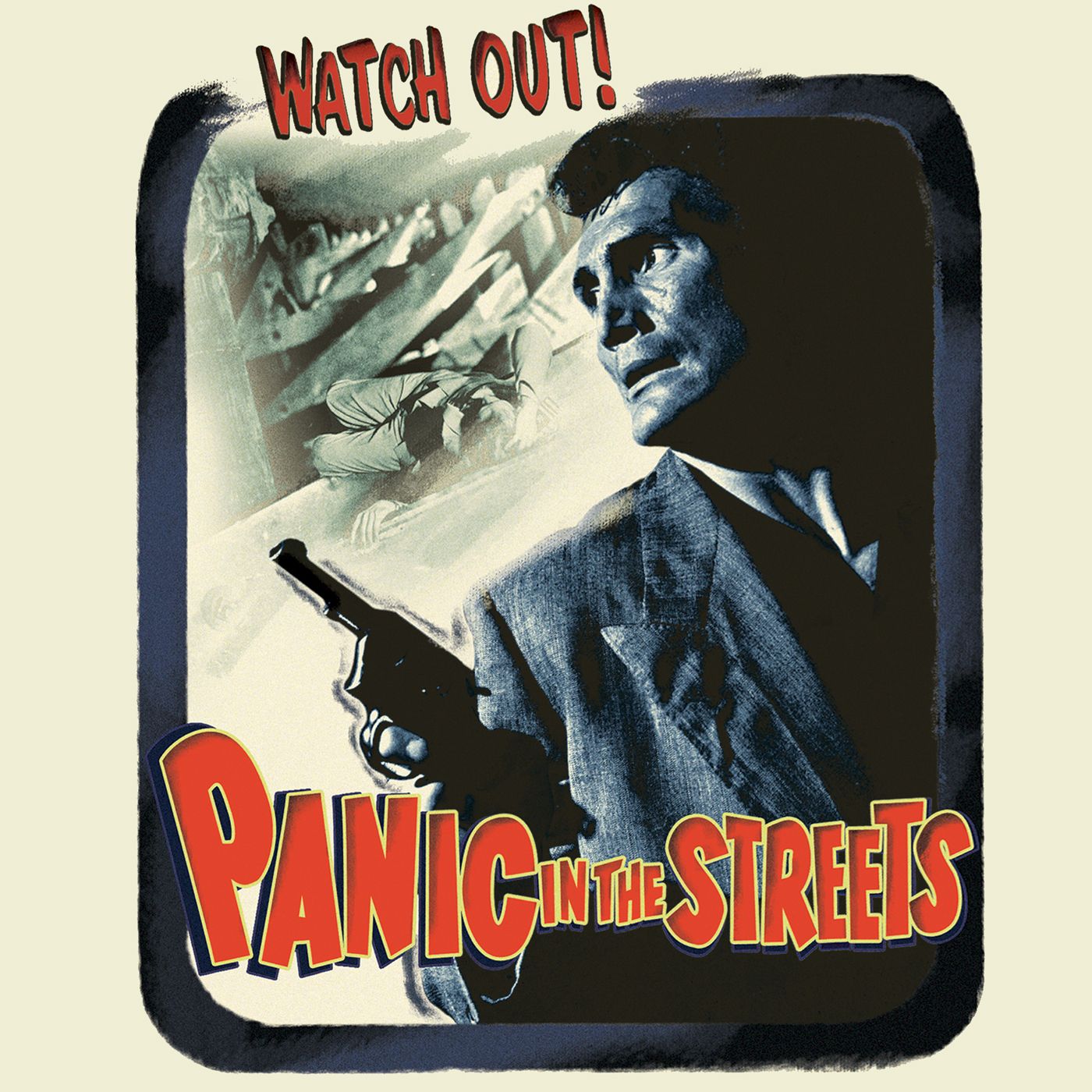
What if the thing loose in a film noir isn't a femme fatale but pneumonic plague? Noirvember 2026 rolls on with Elia Kazan's Panic in the Streets (1950), shot on location in New Orleans. A murdered man turns up in the harbor carrying the disease, and Public Health Service doctor Clinton Road (Richard Widmark) has 48 hours, and one skeptical police captain (Paul Douglas), to find the killers before they spread it. Emily Intravia and Maurice Bursztynski join Mike to argue over whether a daylight procedural with a happy ending counts as noir, and to marvel at Jack Palance, quietly menacing in his first film, alongside Zero Mostel. They dig into Kazan's layered staging, the Oscar-winning story by Edna and Edward Anhalt, the blacklist that soon swallowed Mostel, and Kazan's decision to name names. After six years of pandemic living, the men who balk at the needle, the jailed reporter and the film's uneasy picture of immigrants hit differently. Who decides what the public can handle? Explore
Communities should test major changes on a small scale before making them permanent.
Share your view, then see how readers voted. No sign-in required. This poll is shared across stories.
Do you agree or disagree?
Common Quandary
A Common Quandary to discuss
Another conversation to explore, separate from this news story.
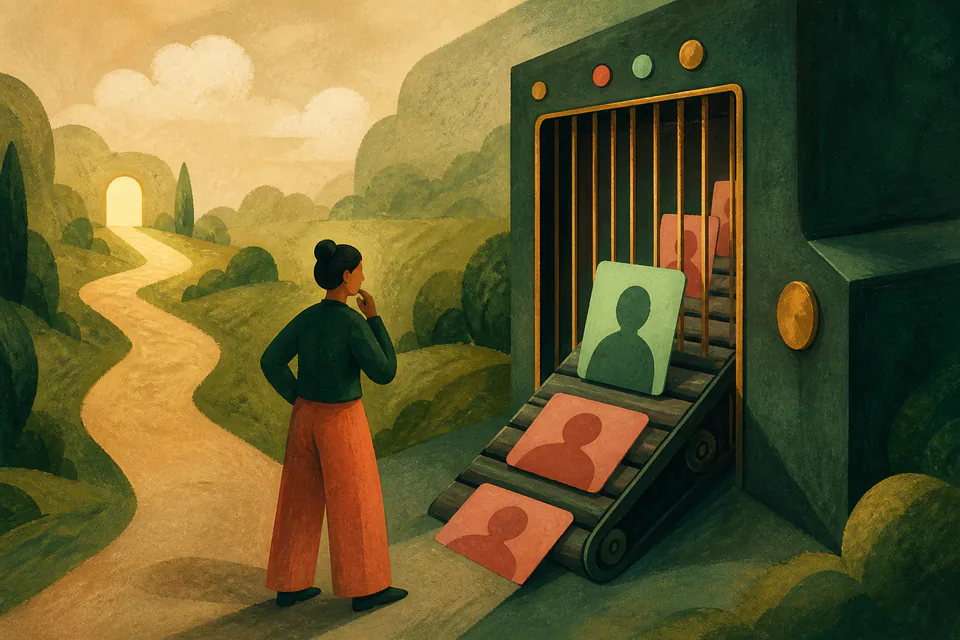
A bot will reject your honest résumé. Is it okay to add a year of experience?
A role requires three years of experience. You have two, possess all the practical skills, and know automated screening will reject an honest application before a person sees it.
Can an unfair gatekeeping system justify misrepresentation?