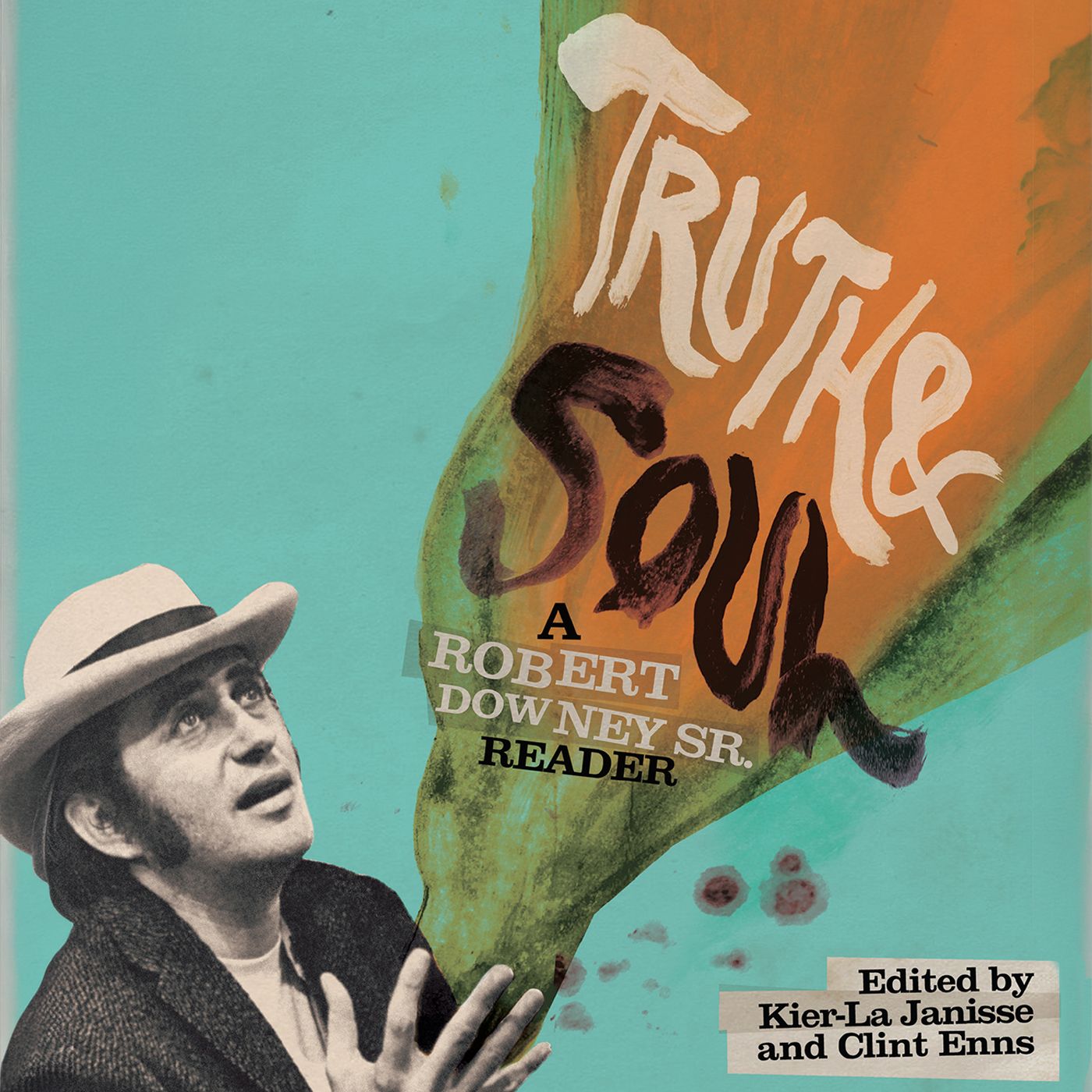
Kier-La Janisse wanted to be a film programmer. Instead she became a publisher and a filmmaker, because the festival that gave her a website in 2011 handed it over when it stopped reaching Quebec audiences. She turned that domain into Spectacular Optical, a book imprint that started in 2014 with Kid Power, partly because Canadian grants were easier to win for books than for magazines. Janisse joins Mike for a freewheeling walk through the catalogue: the anthology model that lets a book come together fast, Satanic Panic and the care it took not to hurt real people, why Kid Power sat unsold until everyone rediscovered weird kids' movies, the 2017 pair The Yuletide Terror and The Lost Girls, the Jean Rollin book that sold out, and Truth & Soul: A Robert Downey Sr. Reader, the book she co-edited with Clint Enns because a hole needed filling. She also previews Sharp Edges, a book for Severin Films' 20th anniversary, and explains how a woman who never wanted to make movies keeps making them
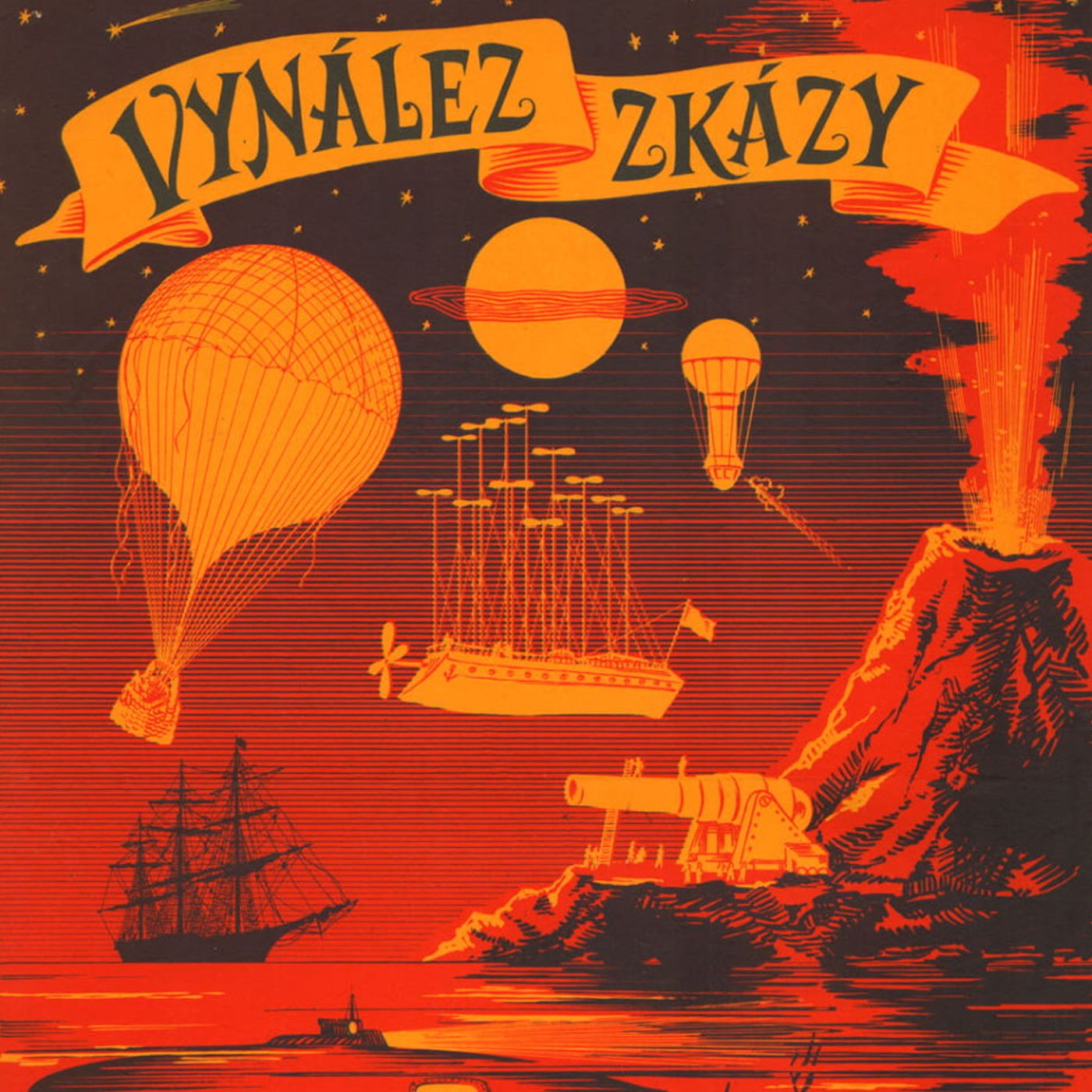
A world drawn in cross-hatched lines: water, ships and faces all look like Victorian engravings come to life. Czechtember 2026 opens with Karel Zeman's Invention for Destruction (1958), released in America as The Fabulous World of Jules Verne, as Mike welcomes back Jonathan Owen and Professor Earl Jackson. Freely adapted from Verne's Facing the Flag, the film follows young engineer Simon Hart and Professor Roch, whose world-changing explosive lures the genteel pirate Count Artigas to a hollow volcano. Mike, Jonathan and Earl unpack Zeman's trickery: matte paintings, forced perspective, puppets, glass rippled frame by frame. They trace how Zeman strips out Verne's colonialism, the Cold War hunt for scientists humming underneath, and the real inventor who sued Verne. Along the way: Méliès, Guy Maddin and Hundreds of Beavers (2022). Can spectacle this dense leave room for criticism, or is “wow” the most honest response? Explore more of our shows at http://weirdingwaymedia.com.
A birthday party, a rented house and a person you only thought you knew: I See the Demon (2025) turns a breach of trust into sci-fi horror. This is a Special Report on a new voice and a festival film. First-time feature director Jacob Lees Johnson joins Mike White to talk about the movie that premiered at Cinequest in San Jose, then played Grimmfest in the UK and FilmQuest in Utah. It stars Jon Heder and Alex Zollicoffer, and it is now on VOD. Lees Johnson explains where the sci-fi ideas came from, why the relationships are the real heart of the film, and how a first AD's blunt note sent the script back for a rewrite. He talks about shooting in ten days in a real house in Provo, cutting the film himself in Premiere, and living with one round of early test screenings. He also names the folk horror he wants to make next, and a dream take on the Sleepy Hollow legend. Follow Lees Johnson on Instagram at @sir_lees. Explore more of our shows at http://weirdingwaymedia.com.
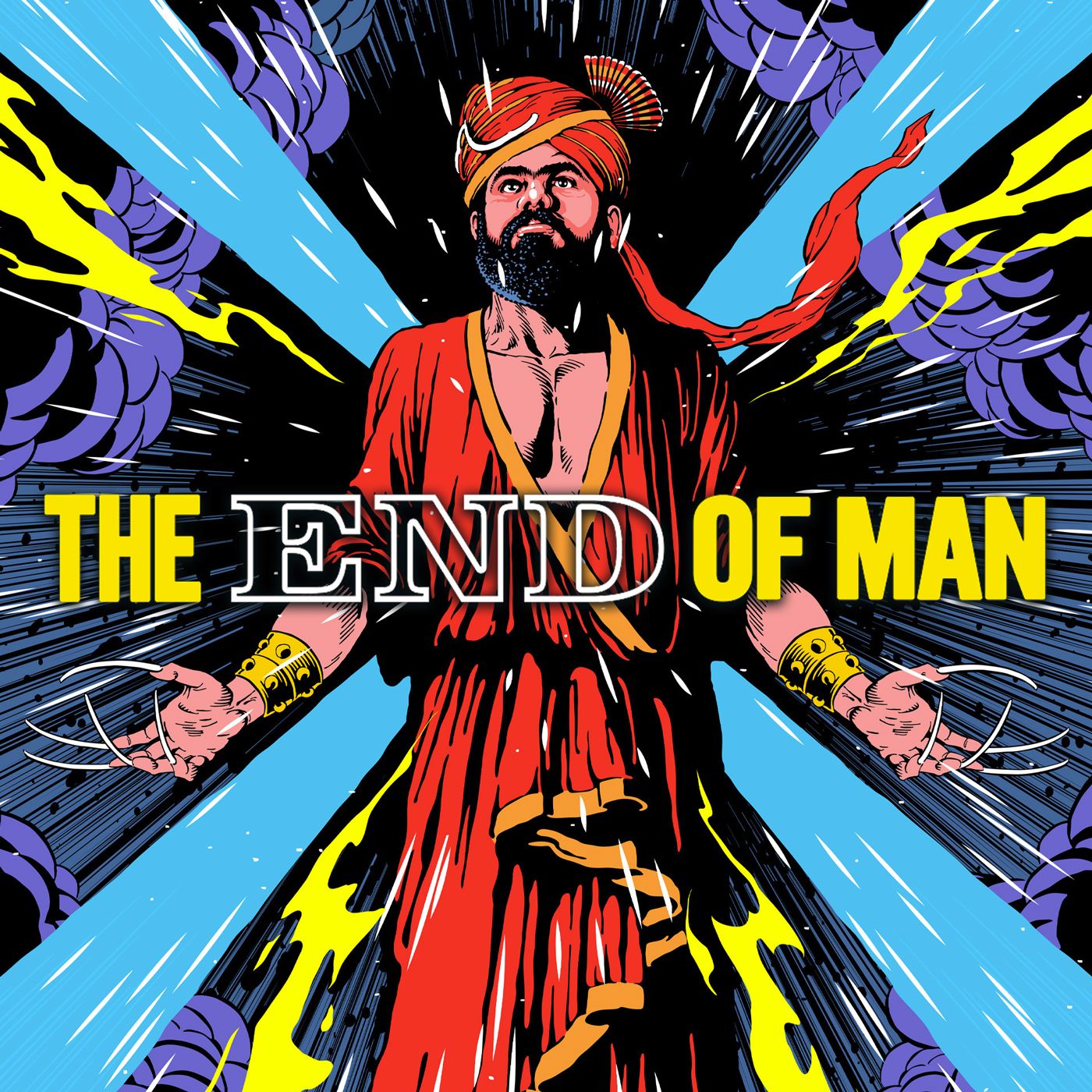
A naked man walks out of the sea and into São Paulo, and nobody can agree whether he's the Messiah or a naughty boy with a beard. José Mojica Marins, best known as Coffin Joe, kicks off Shocktober 2026 with The End of Man (1971), a strange, scrappy sermon. Mike White, Rob St. Mary and Ben Buckingham dig into Finis Hominis: the head-in, tail-away walks that carry Mojica from scene to scene, an ending that jabs Catholic society in the eye, echoes of Dostoevsky's Grand Inquisitor, and the follow-up, When the Gods Fall Asleep (1972). They also talk about Mojica's death in 2020. Then Mike talks with André Barcinski, co-director of Coffin Joe: The Strange World of Jose Mojica Marins (2001), about visiting Mojica in São Paulo, the dictatorship years, Cinema Novo, and a man who was never allowed to stop being his character. Explore more of our shows at http://weirdingwaymedia.com.
Joe R. Lansdale writes like everybody he knows is dead, and Hollywood has been trying to catch up with him ever since. The Texas storyteller joins Mike for a Projection Booth Special Report that runs from Batman comics to the movies he hopes to make next. Lansdale, the author behind Bubba Ho-Tep (2002), argues the film needs no sequel: Bruce Campbell is that part. He explains why The Drive-In has been optioned again and again and never filmed, why he calls Hollywood a sack of weasels while happily cashing the checks, and how a screenplay for Ridley Scott paid for his house. There is more: a four-year-old's love of Batman and the story "Subway Jack"; why he ended Hap and Leonard after 15 novels; his friendship with Bill Paxton, who sent him Frailty (2001) and optioned The Bottoms; Howard Waldrop adaptations, one starring and directed by Vincent D'Onofrio; and The Projectionist, the film he hopes to direct next year. He also talks Texas, genre, Edgar Rice Burroughs, and a daily three-hou
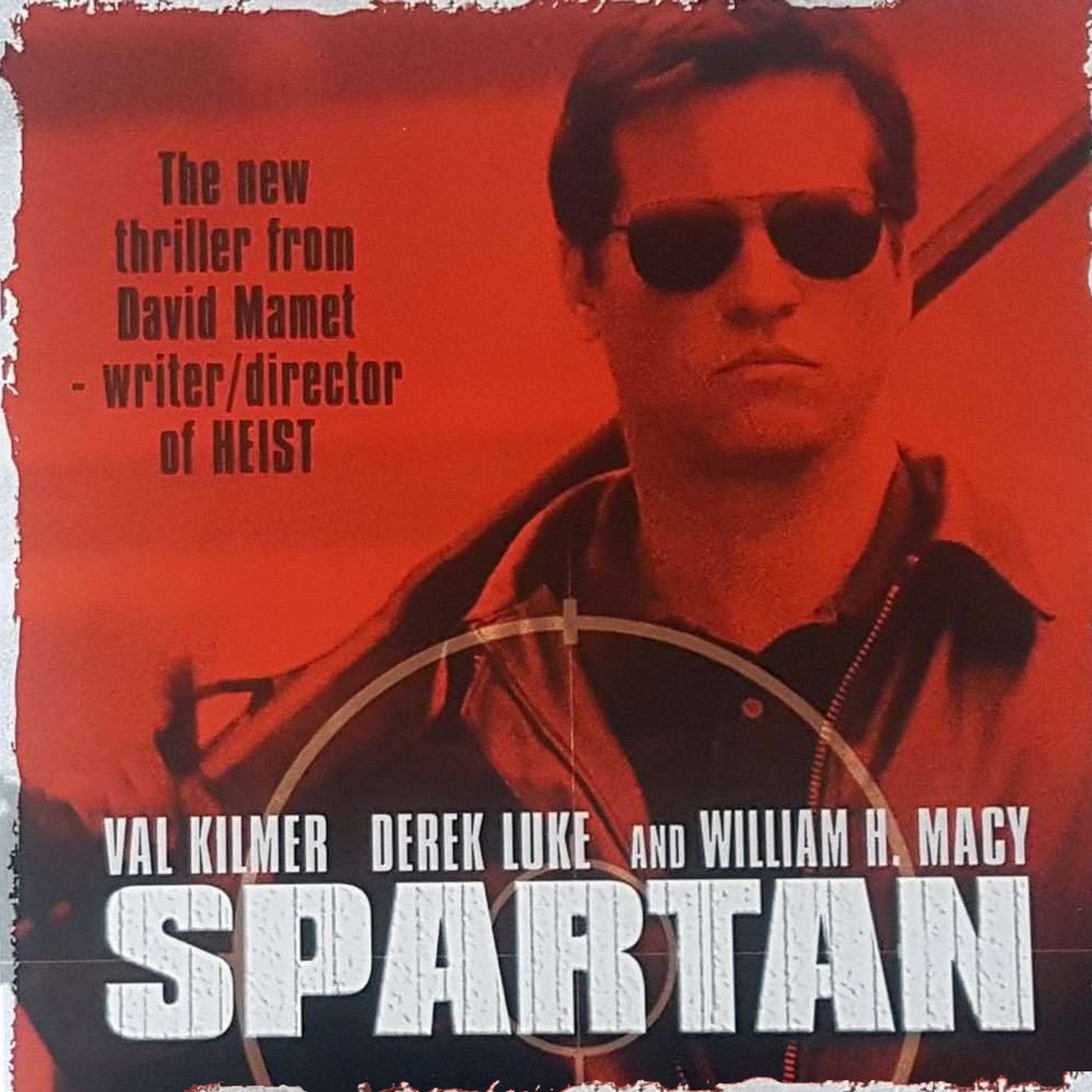
David Mamet strips the political thriller down until almost nothing is left, and the gaps are the point. Spartan (2004) sends Val Kilmer's Robert Scott after the president's missing daughter, through a cover-up told in clipped, half-finished sentences. Mike White, Jedidiah Ayres and Andrew Nette wrap up Valhalla, spoilers included. Is this the backstory of a long-running series hero in the Jack Reacher mold? Does Mamet's compression make the film or leave holes? They trace its pulp men's-adventure DNA, its post-9/11 Dubai slavers, and a president whose worst problem now looks quaint. Then comes Kilmer's no-nonsense performance, the lines they quote, the clunkers, and where it stands beside Heist (2001) and Ronin (1998). Explore more of our shows at http://weirdingwaymedia.com.
What if the Ouija board were an app, and the app were hungry? Do You Want to Play? (2026), a new horror film fresh from its world premiere at Tubi FrightFest, turns the spirit board into an algorithm and lets a serial killer's demon climb inside a teenager through her phone. Writer-director Nick Lyon joins Mike White with Ricco Ross, the Aliens (1986) veteran who plays Scary Gary, a priest turned YouTuber. Lyon traces the film to a Ouija script he wrote years ago, before the Ouija movies beat him to the board, and to the invented Demon Board at its center. Ross explains how he built Gary from the outside in: darker eyes, an island-tinged accent, and a reverence for the priest in The Exorcist (1973). The two recall an improvised exorcism, Latin lines and no stunt rigs, and why Ross trusts a director who lets him fail. Lyon also explains how casting Quinn Aune made him rewrite the script around her, why a small-budget horror film takes years to fund, and why he is weighing self-distribut
Is Moontide (1942) film noir, or a dockside melodrama with a hangover? Mike White, Heidi Honeycutt and Jedidiah Ayres take on Noirvember's strangest Hollywood experiment: 20th Century Fox's bid to turn French star Jean Gabin into a leading man. Archie Mayo directed after Fritz Lang shot three weeks and quit. Gabin wakes from a blackout unsure whether he killed a man, Ida Lupino walks into the surf, and Claude Rains and Thomas Mitchell circle them. The panel weighs Lupino's performance, Salvador Dalí's mostly vanished dream sequence, the film's kinship with Out of the Fog (1941) and Port of Shadows (1938), and Willard Robertson's novel. Plus: why Bobo? Explore more of our shows at http://weirdingwaymedia.com.
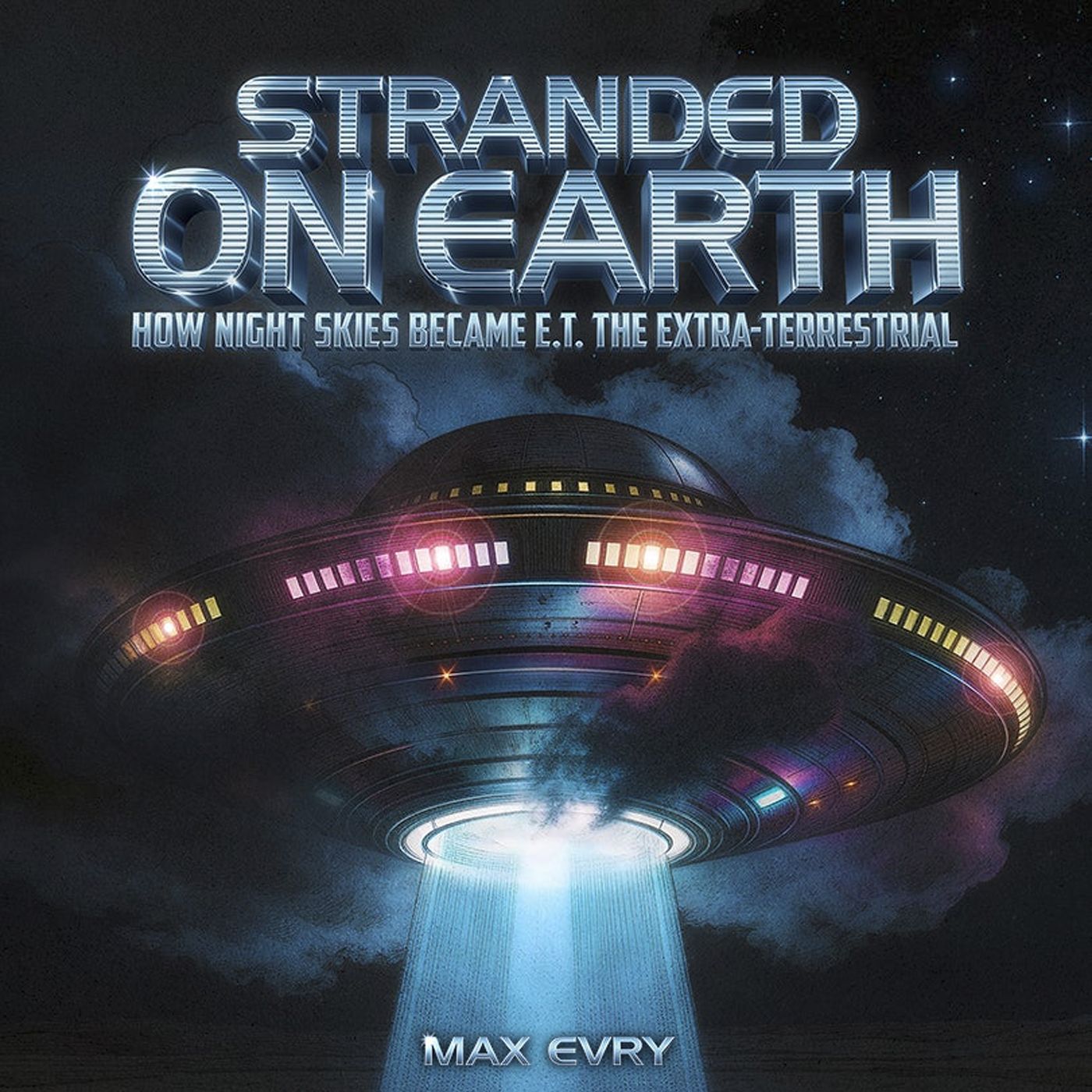
Before E.T. the Extra-Terrestrial (1982) there was Night Skies, a rural alien-horror movie that Steven Spielberg developed, spent roughly $700,000 on, and walked away from. Max Evry, author of A Masterpiece in Disarray: David Lynch's Dune, returns to The Projection Booth to talk about his new book, Stranded on Earth: How Night Skies Became E.T. the Extra-Terrestrial, out October 27 from 1984 Publishing. A new book, a new look at old Spielberg. Mike White and Evry dig into: Why Spielberg traded a sinister project for a personal story about a lonely kid and an alien, and how the friendship at the heart of Night Skies became the whole of E.T. The Rick Baker saga: his working aliens, the blowup that sent Spielberg to Carlo Rambaldi, and how much of the creature came from Baker. Ron Cobb, John Sayles, Tobe Hooper and the myths the book corrects. After School, the R-rated middle-school comedy from Bob Gale and Robert Zemeckis. How ideas migrated into Poltergeist (1982) and Gremlins (1984), a
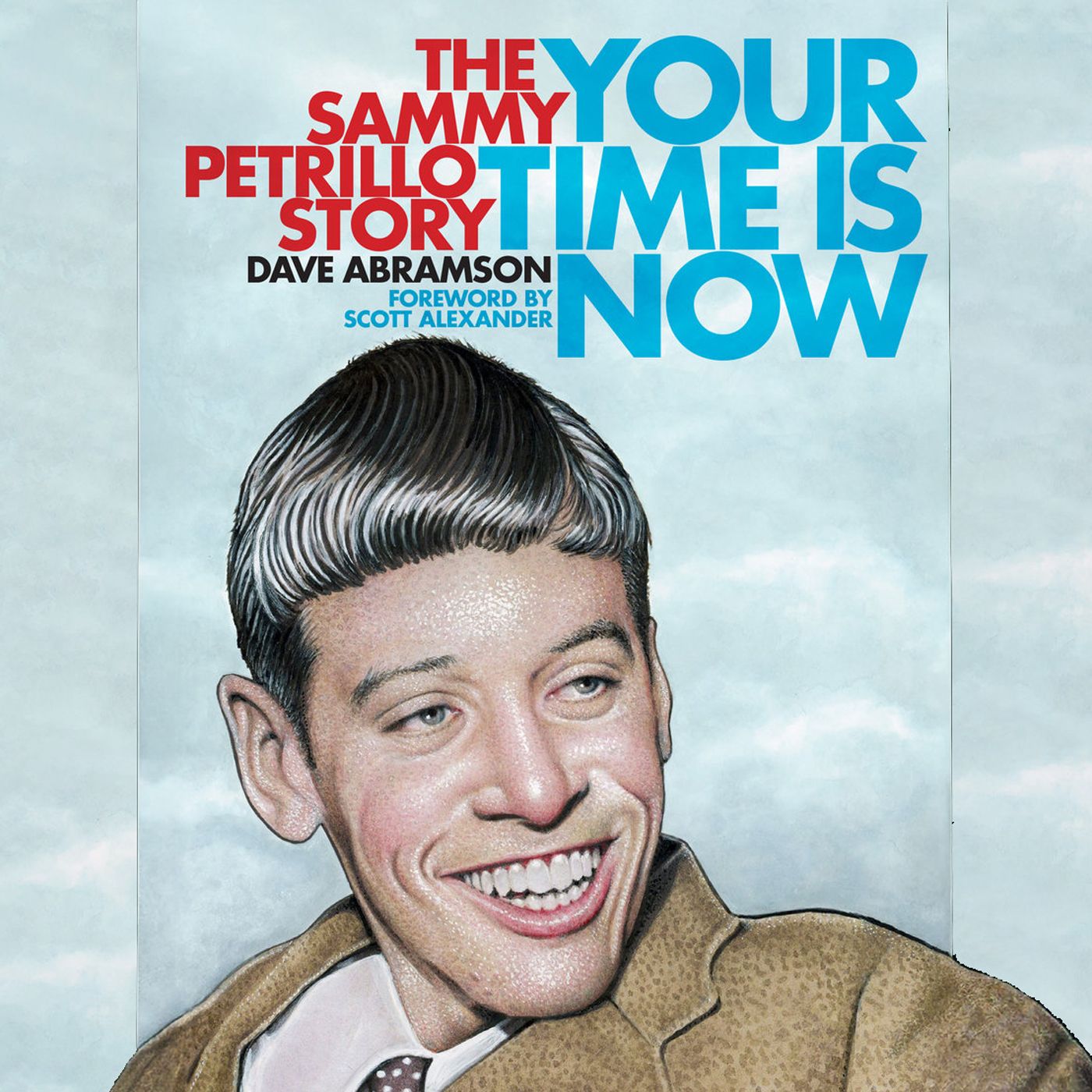
For five seconds of live television, Sammy Petrillo popped out of a crib beside Jerry Lewis on The Colgate Comedy Hour, the two pulling the same moronic face, and those five seconds shaped the rest of his life. WFMU's Dave "the Spazz" Abramson spent nearly two decades chasing the man behind the face for Your Time Is Now: The Sammy Petrillo Story, his new biography from Feral House. He tells Mike how it started: an 11-year-old reading one paragraph about Bela Lugosi Meets a Brooklyn Gorilla (1952), with Petrillo and Duke Mitchell as a knockoff Martin and Lewis; a punk single by his band The Sea Monkeys; a 1992 radio interview; and a blog comment war between Sammy and the son who says his father went out for cigarettes and never came back. Abramson worked it like a cold case, racing to reach sources in their 90s, and with help from cover artist Drew Friedman and foreword writer Scott Alexander got Jerry Lewis himself on the record. They dig into a Rashomon life: Doris Wishman's Keyholes
She has already buried her husband. Then a charming stranger comes to her aid during a robbery, and she lets him in. That's when the con begins. Cruel Love (2026), Nick Lyon's new thriller, now streaming, turns real marriage fraud into what star Elisabeth Harnois calls "a cautionary tale with an element of emotional horror." Lyon tells Mike how he and the late Christian Oliver made it their first co-production, how Ron Peer's twist-and-turn script grew out of real cons that exploit fiancé visas and even the Violence Against Women Act, and why he added a rainy Los Angeles opening in post to set a modern noir mood. Detroit-born Harnois builds Julia from grief: a woman who lost the love of her life before the movie starts and decides to trust again. Bai Ling, who tells reporters she landed from the moon, plays Mei Li, a role first written as a Russian named Lyudmila; Lyon's only job, he says, was pulling her back a little. A friendly argument breaks out over half a shot that didn't make t
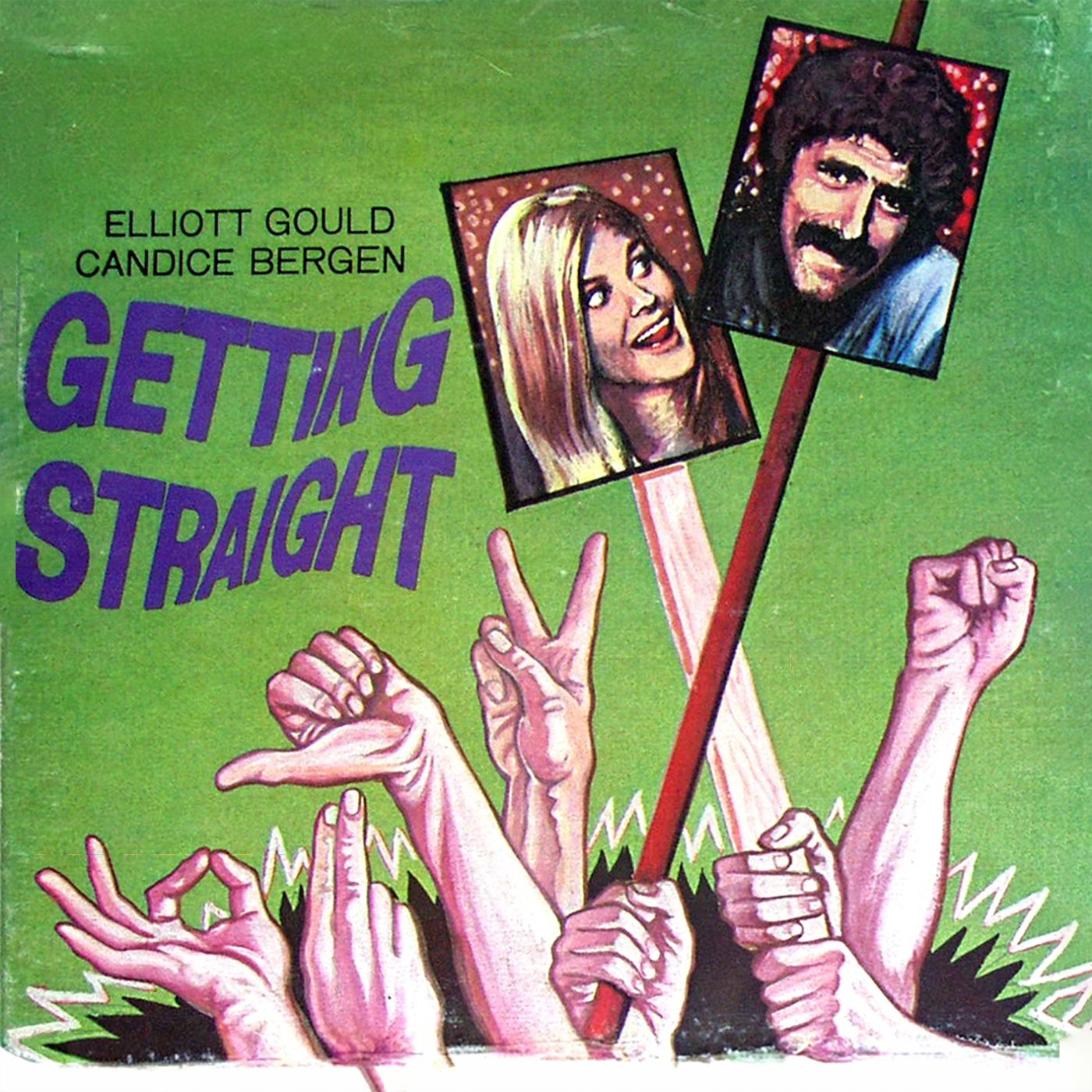
Why did the one campus-protest picture that drew a crowd end up forgotten? Mike White, Andras Jones and Bill Ackerman reopen Getting Straight (1970), Richard Rush's comedy about a Vietnam veteran, played by Elliott Gould, who is trying to finish his teaching degree while the faculty makes it hard and campus unrest makes it harder. Candice Bergen plays his girlfriend, Jan. The panel digs into Gould's all-in performance, Rush's long-lens, rack-focus style on a glass-walled campus, Jeannie Berlin's scenes, and what the film keeps and drops from the novel. They test it against The Graduate (1967) and Five Easy Pieces (1970), and ask whether Hollywood would make political youth films now. Then director Richard Rush joins Mike to talk about winning over Columbia, working with Gould, and shooting in widescreen. Explore more of our shows at http://weirdingwaymedia.com.