Fibroids: The Silent Condition Affecting Up to 80% of Women
37 min
Listen through the publisher, then discuss the episode here or arrange an in-person Roundtable. Your city determines where to meet.
Roundtables are designed for groups of four, with a shared subject and room for everyone to speak. Come for discussion, with no dating expectation.
Many women are silently suffering from fibroids. The uterine condition impacts 70 to 80% of women but is under-discussed, under-researched and underfunded. On this episode of Healthful, Norah O’Donnell interviews Dr. Soyini Hawkins, a fibroid expert and co-founder of the Fibroid and Pelvic Wellness Center of Georgia to talk about the fibroid symptoms to watch out for. The duo discuss why Black women are more at risk and the treatment options beyond hysterectomy. Plus: Could a daily dose of vitamin D and green tea extract really shrink fibroids?
Episode information is provided by the publisher. Listening takes place on the publisher’s service.
Today, I’m honored to connect with Dr. Troy Badger. He is a board-certified cardiologist and interventionalist and the founder of Cardiostrong, a concierge preventive cardiology clinic in Provo, Utah, focused on reducing cardiovascular risk, optimizing metabolic health, and improving strength and cardiorespiratory fitness for executives and athletes. In today’s conversation, we discuss Dr. Badger’s gender- and age-specific approach to heart health, including treatment differences for men and women, and diagnoses such as INOCA, SCAD, vasospastic disease, and Takotsubo. We examine emotions and their influence on heart health, coronary ischemia and cardiomyopathies, labs and diagnostics, how Dr. Badger assesses risk in his patients, and the differences between a CAC and a CCTA. Dr. Badger also shares the labs he finds essential for all patients and discusses the role of VO2 Max, cardiovascular training, and lifestyle—specifically nutrition, the use of GLP-1 drugs, and a multidisciplinary
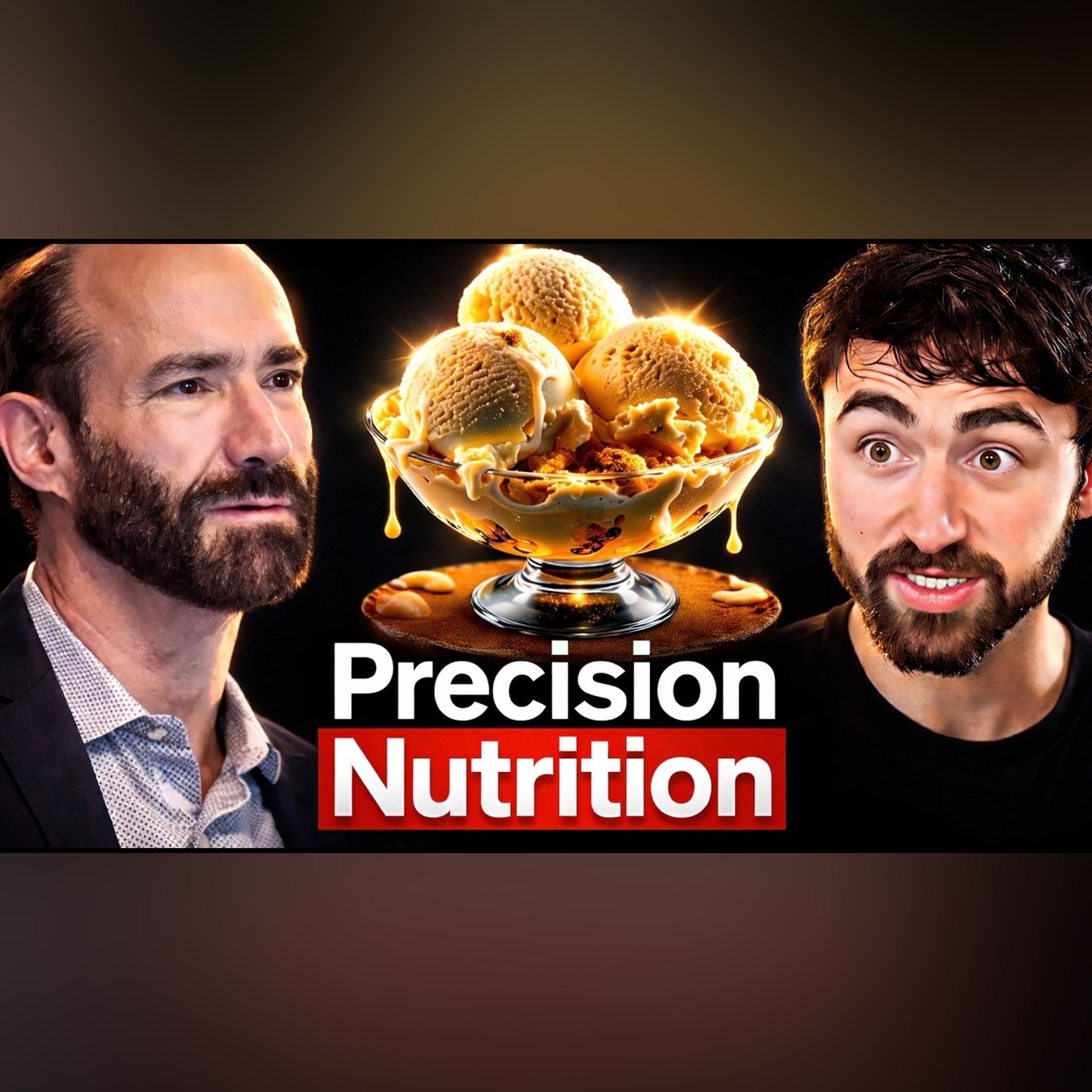
StayCurious Newsletter on Snyder’s Fiber Randomized Controlled Trial: https://staycuriousmetabolism.substack.com/p/fiber-is-good-for-you-is-lazy-science?r=40ekz2 StayCurious Newsletter on Inulin and Fructose Resistance: https://staycuriousmetabolism.substack.com/p/the-fiber-that-fights-fat-how-inulin?r=40ekz2 Snyder Interview 1, Four Types of Diabetes: https://youtu.be/mCrc4gfbK2o Snyder Interview 2, Most Viral Aging Study: https://youtu.be/kMpGkg4zMOU Snyder Interview 3, Most Beautiful Exercise Study: https://youtu.be/_9ywulQF2Ho Why does the same food spike one person’s blood sugar while barely affecting another? In this fourth conversation with Stanford’s Professor Michael Snyder, we explore new research on individualized glycemic responses, insulin resistance subtypes, and why one-size-fits-all nutrition advice keeps failing. From rice spiking glucose more than ice cream, to the power of the grape-to-potato ratio, and beyond, this discussion reveals how metabolism, microbiome, immu
Many of my patients are failing at getting the right Vitamin D Vitamin D lamp: https://www.sperti.com/?ref=10957 Vitmain D Test Kit: https://on.bozmd.com/VitaminDTest -------------- The Workbook: https://on.bozmd.com/BozWorkbook --------------------- Thanks for checking out the Dr. Boz Channel. See links below resources and recommendations. Tune in Tuesday nights, 4PM Eastern/3PM Central to watch me Live! We improve health - One ketone at a time. --------------------- FREE STUFF 50 Keto Fat-Facts: http://on.bozmd.com/50fat Dr. Boz Ratio Spreadsheet: http://on.bozmd.com/DBR Documentary Playlist: https://on.bozmd.com/AT --------------------- Dr. Boz’s Online Courses: Consistently Keto: http://on.bozmd.com/CK BRAINS: https://on.bozmd.com/BrainsT2R --------------------- WAYS TO SUPPORT THIS CHANNEL: Share Dr. Boz content with people you love. Everyone wins when you share. Buy Dr. Boz Products: Dr. Boz Food Guide: http://on.bozmd.com/FoodGuide Walmart: https://on.bozmd.com/WalmartKetoMap Am
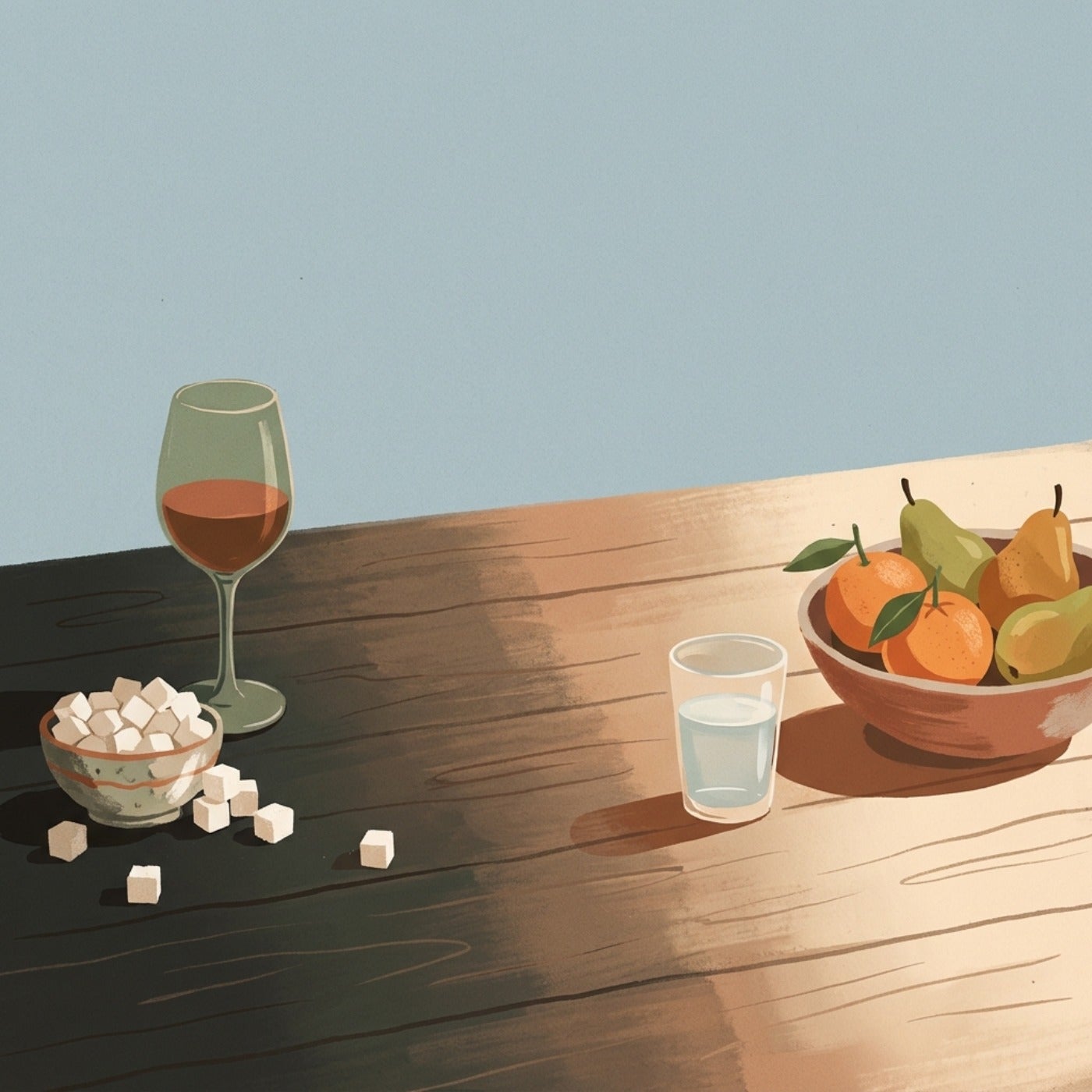
Get the 200+ Page Optimal Living Daily Workbook (PDF) - Free. Want to turn today's episode into an actionable plan? Episode 3615: Becca Shern explains why the common nutrition advice of everything in moderation may not be serving people well. She looks at how heavy marketing and social norms around sugar and alcohol make it easy to overconsume while still feeling moderate, and what the actual recommended limits are. The takeaway is that taking a critical look at what moderation really means, and setting a higher standard, can build healthier habits for ourselves and the people around us. Read along with the original article(s) here: http://minimalwellness.com/reconsideringmoderation/ Quotes to ponder: "Moderation is a squishy term." "Our consumption patterns are dramatically influenced by marketing, but they're also molded by social norms." "Setting a higher standard for ourselves helps others do the same."
Narcissistic abuse rewires your hormones. Cortisol, oxytocin, dopamine, thyroid, reproductive hormones and blood sugar all get thrown off, which is why so many survivors have symptoms doctors cannot explain. Chapters 00:00 Introduction 01:13 Dysregulated Cortisol Production 03:14 Disrupted Oxytocin and Dopamine Systems 05:26 Thyroid Dysfunction and Metabolic Disruption 07:23 Reproductive Hormone Chaos 09:22 Insulin Resistance and Blood Sugar Dysregulation 11:08 Why Doctors Miss These Patterns 12:03 Steps Towards Healing and Recovery 12:50 Join the Thrive After Narcissistic Abuse Program 13:17 Conclusion and Final Thoughts Is this narcissistic abuse? Watch this episode on YouTube: youtu.be/bwfVmEIk6rw (https://youtu.be/bwfVmEIk6rw)
Today, Mel is taking 58 years of hard-earned life lessons and is packing them into under an hour, to save you some of the time, frustration, and worry it took her to learn them the hard way. In this episode, Mel is fielding real questions from listeners around the world. From making friends and bouncing back from rejection to feeling stuck in life and wondering if it's all going to work out, Mel is sharing the advice she wishes she'd known sooner. And she's not holding back. You'll hear Mel get personal about her own setbacks, and what she's learned about starting over, going after what you want, and trusting yourself when life doesn't go according to plan. You'll learn: -How to stop worrying about the future when nothing feels certain -How to make big life decisions, including whether or not to have kids -How to make new friends as an adult -What to do when you get rejected from your dream job -What to do when a friend ghosts you -How to stop procrastinating and finally follow through
Migraines disproportionately impact women. Why? Dr. Jessica Ailani is director of the MedStar Georgetown Headache Center and joins Norah to discuss the role of hormones, specifically estrogen. She tells us the surprising signs a migraine may be coming - as early as 24 hours before! Plus the new science offering hope and the natural remedies to help limit suffering. -- We’d love to hear what topics you want to hear covered on Healthful. Text Norah at 202-217-1107.
In the final part of our conversation with Norah’s dermatologist, we are focusing on cosmetic dermatology. Dr. Elizabeth Hale breaks down anti-aging treatments, injectables like Botox, and the latest beauty trends. Is “baby botox” a good move? What about salmon sperm facials and injectable peptides? Plus - Dr. Hale answers your questions about crepey skin, red light therapy, GLP-1 face, dark under-eye circles, and the skincare that matters most after 50. -- We’d love to hear what topics you want to hear covered on Healthful. Text Norah at 202-217-1107.
Schools should explain the purpose of a rule before punishing students for breaking it.
Share your view, then see how readers voted. No sign-in required. This poll is shared across stories.
Do you agree or disagree?
Common Quandary
A Common Quandary to discuss
Another conversation to explore, separate from this news story.
You can clone the best dog you ever had. Would you?
After a beloved dog dies, its owner can afford to have it cloned. The procedure is legal and improving, but it uses animals as surrogates and will not recreate the original dog's memories or personality.
What do our obligations to animals permit us to create for our own comfort?