Finding hope through post-traumatic growth and rescuing a home reno nightmare
55 min
Listen through the publisher, then discuss the episode here or arrange an in-person Roundtable. Your city determines where to meet.
Roundtables are designed for groups of four, with a shared subject and room for everyone to speak. Come for discussion, with no dating expectation.
When you've just experienced the worst thing that's ever happened, the last thing you want to hear is how much you'll grow from it. Learning to live again after trauma can be incredibly difficult, but finding hope through recovery is possible. Dinesh Palipana, an advocate for doctors with disability, and Nicole Sadler, from the Centre for Post Traumatic Studies, share how to find a new perspective in the aftermath. This week, Aunties Kate Halfpenny and Lindsay Webb weigh in on a home renovation nightmare. Listener Orla has been living in a construction zone for the last 12 months, and her patience is wearing thin with the builder mate who's been running the project. Now the final bill has arrived, Orla's reached her limit. Can they save the friendship, or is it time to cut her losses?
Episode information is provided by the publisher. Listening takes place on the publisher’s service.
This is a Grave Talks CLASSIC EPISODE! Preserving history is one thing. Preserving it while uncovering ghostly activity is something else entirely. Saving the Old Properties is a nonprofit dedicated to rescuing endangered historic buildings across Indiana. Founded by Richard Allen and Dann Allen, the organization restores architectural treasures that might otherwise be lost to time. But as walls are opened and floors are lifted, something else often emerges—stories, energy, and sometimes spirits that never left. Joining us are Richard Allen, General Manager Kate Thornberg, and Historian Ted Martin, who share what it’s like to breathe life back into centuries-old structures—while encountering unexplained phenomena within their walls. From shadow figures and strange sounds to the emotional weight that lingers in historic spaces, this conversation explores where preservation meets the paranormal—and how history and hauntings often occupy the same foundation. For more information on Saving
Adam Grant is one of the most sought after organisational psychologists in the world. He has provided expert advice to many of the world’s greatest business leaders, including Bill Gates and Sheryl Sandberg, equipping them with the mental tools to find motivation and meaning, rethink assumptions, and achieve greatness in their business and personal lives. In January 2024 Grant came to the Intelligence Squared stage for a rare, exclusive London event where he shared his revolutionary framework for how we can all exceed the expectations and aspirations we have set for ourselves. Drawing on his new book Hidden Potential he explained that despite living in a world that tends to admire people who start out with innate talent, there is clear scientific evidence that we can all bridge the biology gap and improve ourselves dramatically. In conversation with economist and FT columnist Tim Harford, Grant wove together groundbreaking evidence, surprising insights, and vivid story telling to take
Did you know your favorite morning breakfast used to be a super-serious health food that could literally break your teeth? In the 1890s, Americans were eating huge, greasy breakfasts like half-pound steaks and heavy potatoes. People were getting terrible stomach aches! To fix this, doctors started creating healthy, meat-free alternatives. Enter the very first breakfast cereal: Granula! It was a food so rock-hard that you had to soak it overnight just to chew it! But the real magic happened in Battle Creek, Michigan, at a massive health spa. Dr. John Harvey Kellogg and his brother Will were trying to make plain health bread for their patients. One day, Will accidentally left a pot of boiled wheat out for hours. Instead of throwing it away, they rolled it out, and it magically formed hundreds of crispy flakes! The patients went wild! But Will and John had a massive fight over adding sugar, leading to a giant cereal war with rival inventors like C.W. Post! Join Mira and Finn as they crunc
DISCOVER GRAD SCHOOL: https://nci.university/home-v2?utm_source=chase_youtube&utm_medium=social_video&utm_campaign=nci4_promo (https://nci.university/home-v2) Uploaded 02-05-26 LEARN ABOUT NCI LEVEL 2: https://nci.university/nci-2?utm_source=chase_youtube&utm_medium=social_video&utm_campaign=nci2_promo (https://nci.university/nci-2) There’s a moment in every conversation where everything gets decided. It happens before logic. Before persuasion. Before anyone thinks they’re “in control.” And most people miss it completely. That’s why conversations feel unpredictable… Why people react in ways that don’t make sense… Why you can say the right thing — and still lose the room. Because the outcome was already set. This video breaks down the hidden structure behind human interaction: * how conversations organize themselves before words matter * how frames control behavior without force * how categories decide what’s allowed (and what isn’t) * how identity and metaphor quietly shape every respo
Have you ever been so mad you wanted to learn how to fight? That is exactly what happened to a twelve-year-old boy named Cassius Clay when his shiny new red bicycle was stolen! But instead of getting into trouble, a police officer told him to channel his energy and learn how to box. That boy grew up to become the legendary Muhammad Ali! Join Mira and Finn in this exciting episode of People Are Not Boring as they uncover the true story of the greatest heavyweight champion of the world! Discover how Ali trained so hard he raced alongside yellow school buses, won an Olympic gold medal at just eighteen years old, and shocked the world by dancing around his opponents with incredibly quick feet! You will also learn about his bravery outside the boxing ring, standing up for his beliefs even when it cost him his championship title, and his epic comeback at the famous Rumble in the Jungle. Plus, find out why he loved to say he could "float like a butterfly, sting like a bee!" Tune in for a knoc
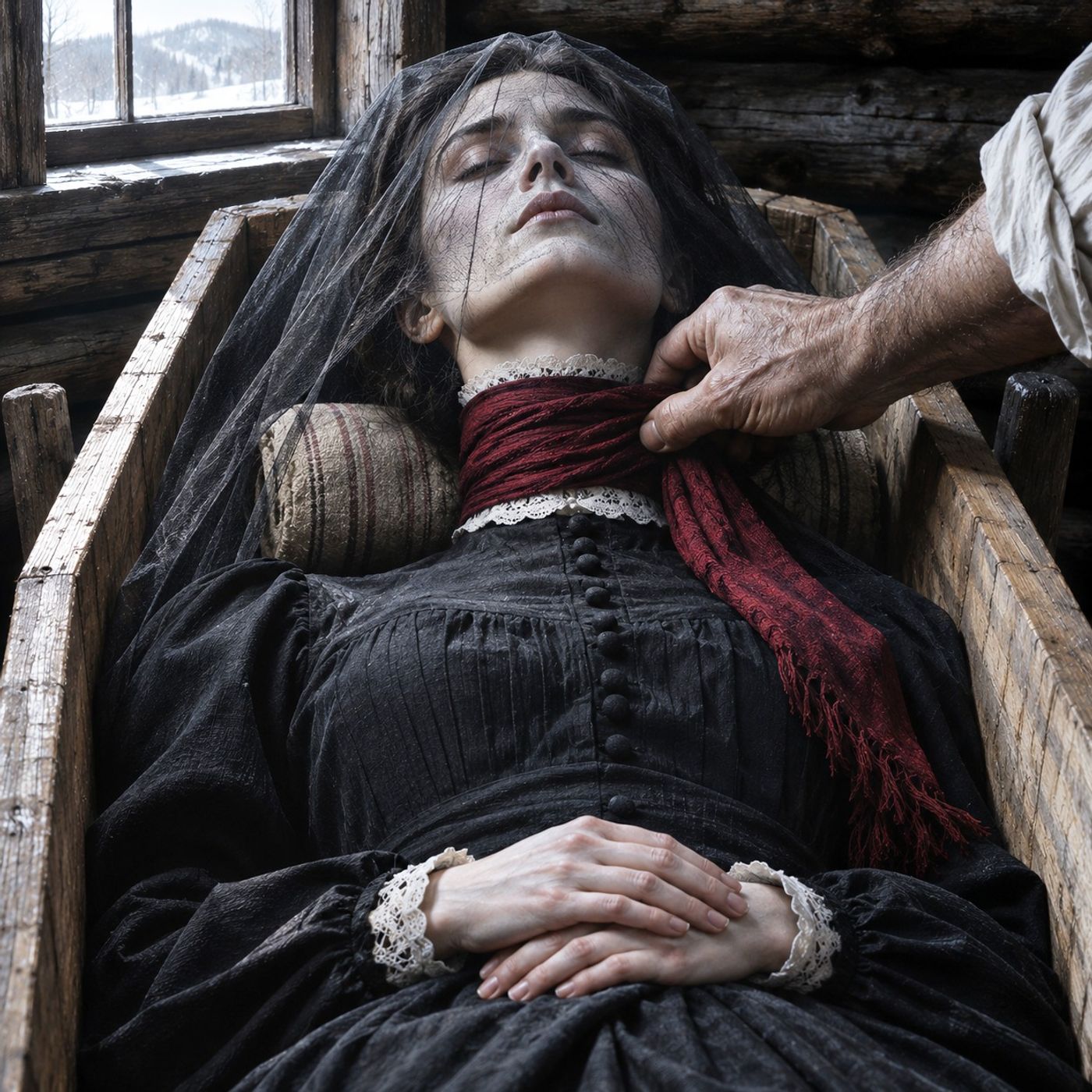
In January 1897, blacksmith Edward Shue washed and dressed his bride of three months for burial before the coroner ever reached their log house in Greenbrier County, West Virginia, and at her funeral he kept fussing with her head and neck, propping it on a pillow and wrapping a scarf around her high collar. Her mother, Mary Jane Heaster, had never liked him, and for weeks afterward she prayed every evening for her daughter to come back and tell her what had really happened. FEATURED STORIES IN THIS EPISODE: This Weird Darkness episode runs from the Greenbrier Ghost, the 1897 West Virginia murder victim whose mother said she came back to name her killer, to a bottomless pit in Washington, a wave of Mothman sightings over Chicago, and a London tomb rumored to be a time machine. Elva Heaster was dead – but that didn’t stop her ghost from solving the murder. *** In Stephen King’s “Pet Semetery”, beloved family pets could come back from the dead. *** In Washington there is a hole that some
Reality TV and social media have turned hoarding into voyeuristic spectacle, but behind the clutter is a widely misunderstood illness affecting an estimated 715,000 Australians. Erain, who has experienced hoarding behaviours for a large part of her life, joins clinical psychologist Jessica Grisham to explore what's really going on underneath. Everyone wants their mates to get along with their significant other. But Life Matters listener Cassie is getting mixed signals about whether their new girlfriend is ready to embrace the friendship camping tradition. Aunties Monica Dux and James Findlay are on the case.
Around 65 per cent of young children have had an imaginary companion by the time they turn seven, and while the friendships might be make-believe, the benefits to children's development can be very real. So why do some kids have them, and others don't? And in the age of AI companions, do we even need imaginary friends anymore? Professor Evan Kidd at Australian National University, has researched imaginary friends and helps us unpack this phenomenon. When it comes to tweens and teens, there's a familiar narrative loop that's evolved. We want kids off screens. We want them to go outside. But when we do see them in public spaces, being kids, which sometimes means a little bit rowdy and feral, someone complains. So is it about building better spaces for them to hang out in, or is it about all of us collectively adjusting our attitudes towards kids in public? Airbnb hosts have became notorious for setting some pretty onerous ones. It led the platform to restrict what hosts can and can't ask
If you live outside the major cities, flying can cost an arm and a leg. A recent Productivity Commission report found short regional flights were, on average, 173 per cent more expensive per kilometre than major city routes. For many travellers, being priced out means missing out on more than family holidays. Regional Capitals Australia chair Josh Black, aviation expert Keith Tonkin and traveller Helen Hall weigh in on what could make regional flights more affordable and reliable. After candidly sharing her heartbreak and hopes through seven years of fertility treatment, comedian Tanya Hennessy finally welcomed her precious daughter Scottie late last year. Instead of slowing down, she's busier than ever, and has just released the second book in her Sunny and Storm series. She shares her insights on motherhood, creativity and keeping going through it all. From decorating the tree to the same old family card game, the rituals we build around Christmas can bring comfort and connection, or
Schools should explain the purpose of a rule before punishing students for breaking it.
Share your view, then see how readers voted. No sign-in required. This poll is shared across stories.
Do you agree or disagree?
Common Quandary
A Common Quandary to discuss
Another conversation to explore, separate from this news story.
You have outgrown a lonely friend. Do you keep inviting them anyway?
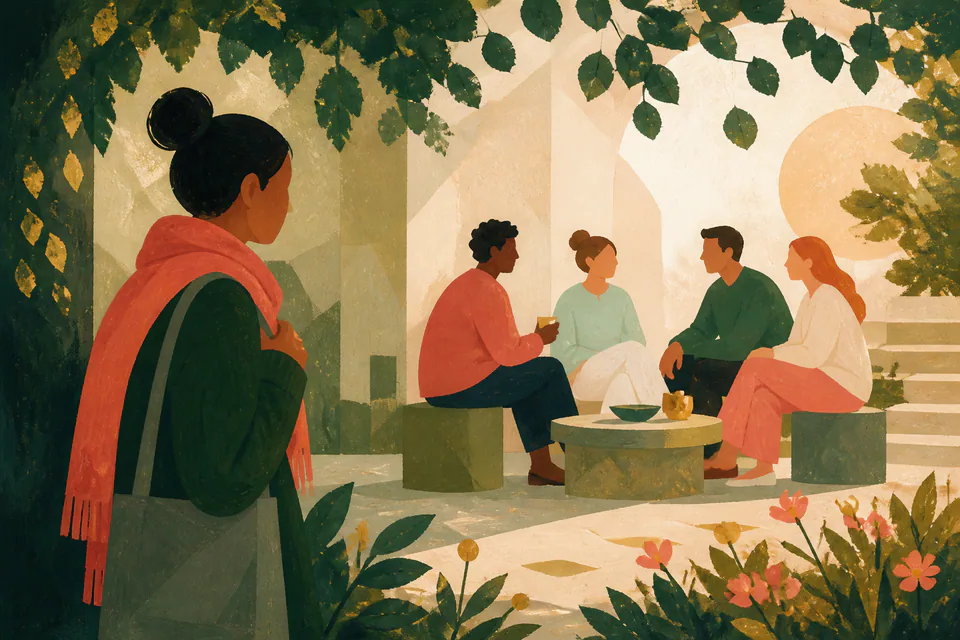
An old friend keeps asking to join your newer social circle. They have done nothing wrong, but you no longer enjoy spending time together and suspect they have few other close relationships.
Can compassion require maintaining a friendship you no longer choose?